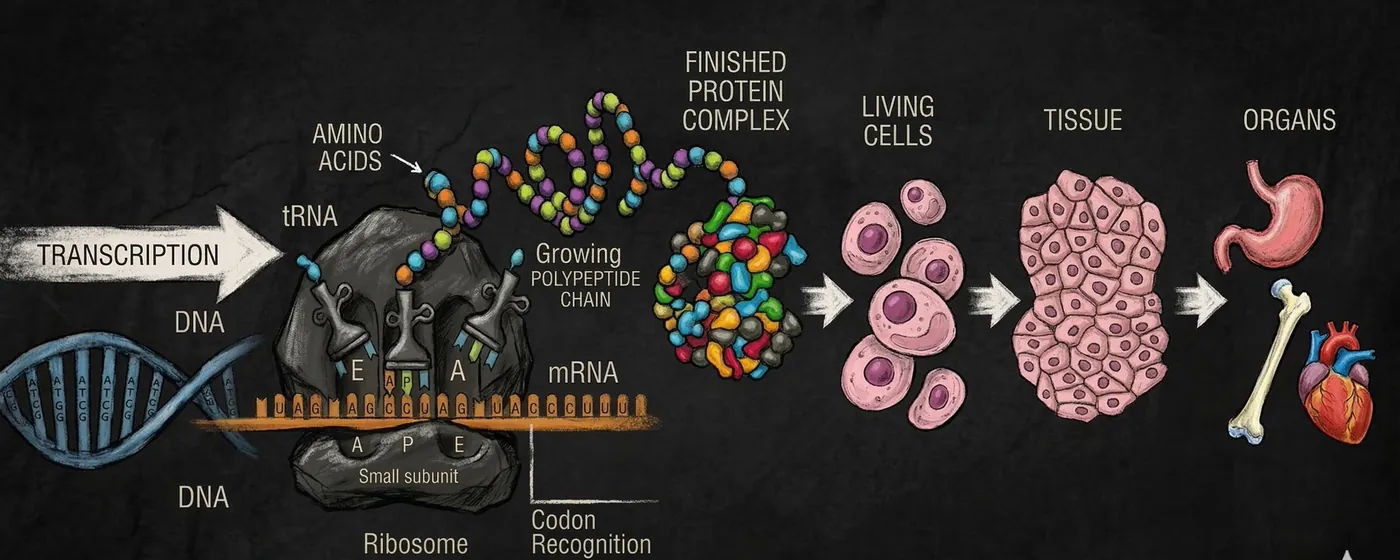
DNA,RNA and Protein synthesis as a metabolic processes

We have 38 trillion cells in our body, every day 330 billion cells die(that's 4 million every second), our body makes up to that by creating 330 billion new cells every day.
In this article we'll dive into the metabolic process of cell regeneration and the biosynthesis of nucleic acids
by following the flow of information
DNA -> RNA -> Protein -> Tissues
The best examples to the purpose of DNA and RNA is the story about the beginning of life.
The beginning of life
When a sperm penetrates the egg, it triggers the release of calcium ions stored in the egg(Endoplasmic Reticulum cells), this is called the "Calcium Spark" which activates:
Pyruvate Dehydrogenase (PDH), the krebs cycle enzymes, electron transport chain and ATP synthase, ATP can now be produced and a baby will form.
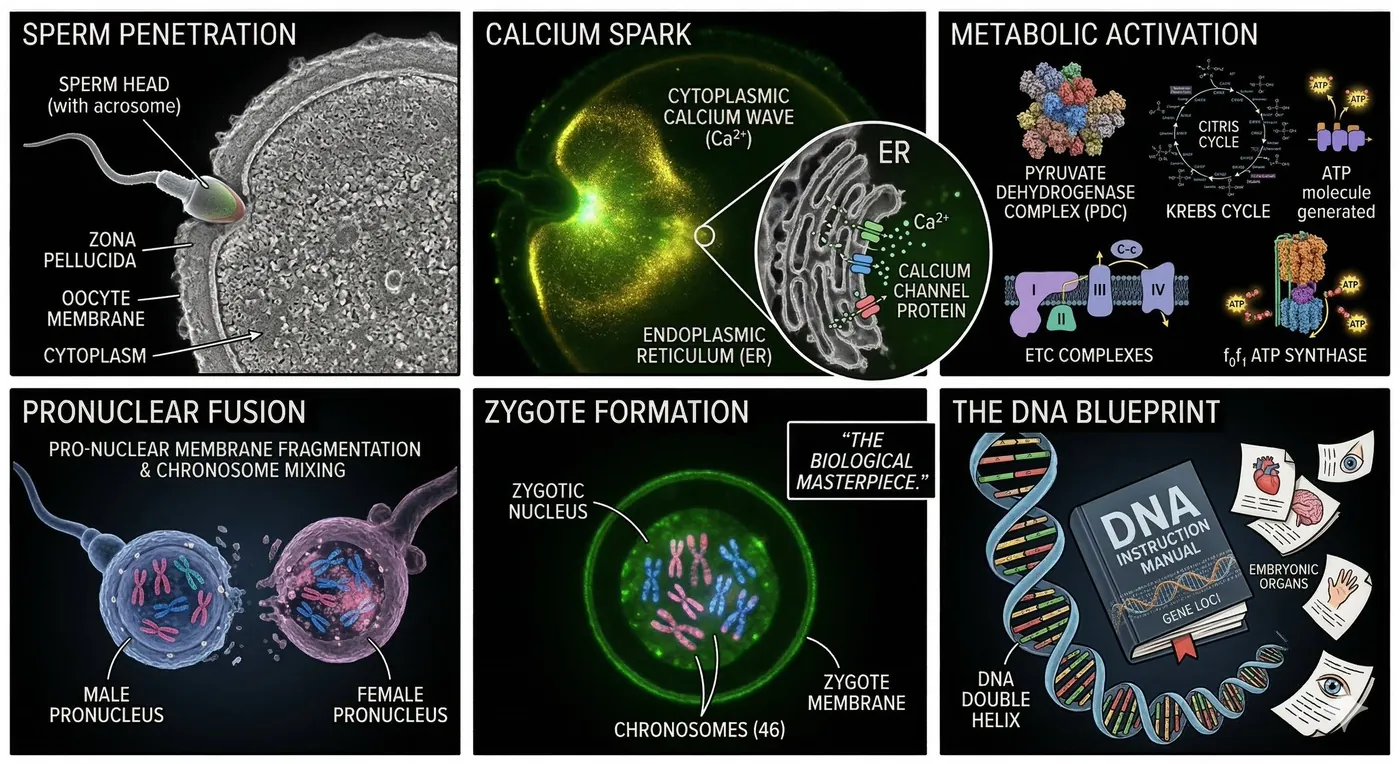
Both the sperm and the egg store their DNA in a structures called Chromosomes, each has 23 of them, when the membranes of the sperm and egg dissolve, 23 chromosomes from each pairs up to 46 chromosomes, This merger creates the zygote, the very first cell of a human. This cell is a biological masterpiece, containing the complete instruction manual(DNA) to build every tissue, organ, and system in the human body.
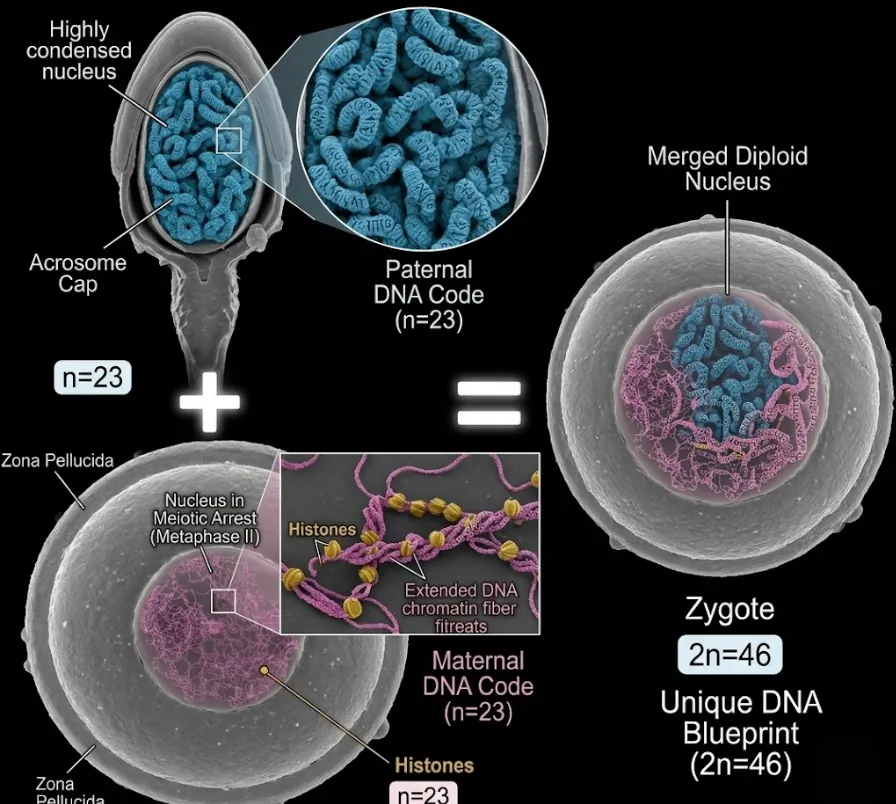
The sperm is a specialized delivery vehicle and the biological engine for cell development. It contributes exactly 50% of the nuclear DNA, including the crucial X or Y chromosome that determines the biological sex. Beyond genetic data, its most vital structural contribution is the centriole, which acts as the mechanical engine that triggers the very first cellular division. Without this specific component, the zygote would remain a single, inactive cell, unable to begin the journey of growth.
The egg provides the entire physical environment and the life-support system required for the embryo’s survival. It contributes 50% of the nuclear DNA, but importantly, it is the sole provider of mitochondrial DNA, meaning all the mitochondria of our cells are inherited from our mother. The egg supplies the cytoplasm, which contains maternal mRNA and proteins that govern development until the embryo's own genome takes over. Furthermore, it contains a massive reservoir of fats, sugars, and proteins that fuel the rapid cellular divisions occurring before the embryo even reaches the uterus.
Once formed the zygote undergoes "factory reset" called
Epigenetic reprogramming
The zygote erases the memory of the sperm and the egg,
A sperm cell, for example, is programmed to function specifically as a sperm, its genes are specialized for swimming, penetration, and cargo delivery. If the zygote were to retain these settings, the embryo would be unable to develop. Furthermore, this reprogramming can clear certain environmental influences that the parents may have accumulated over time
During the reset, enzymes in the zygote strip away methyl groups from the genes (as methyl groups typically silence genes). This process unlocks genes that may have been locked for years, such as those within the father's DNA.
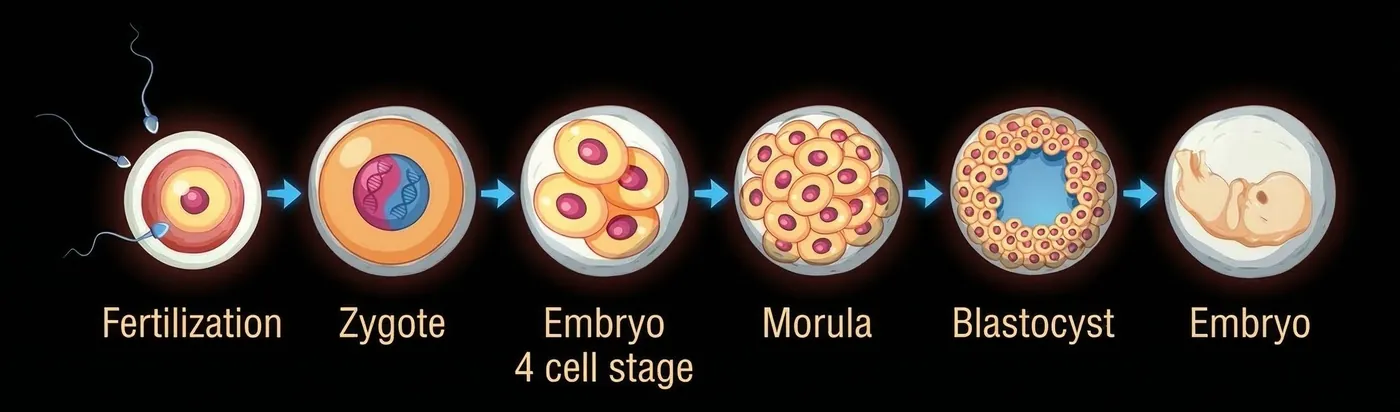
The zygote rapidly divides into two, four, then eight, slowly laying down the blueprint for the entire human body.
BUT HOW?
The zygote contains massive amount of data, clear instructions on how to develop into a human being, a blueprint known as DNA, kept securely in a safe called the nucleus.
To bring these plans to life without risking the original DNA, the cell creates small copies called RNA that can easily exit the nucleus to the cell's factories and direct the production of proteins.
Proteins are the ultimate realization of the DNA's instructions, they are not just fuel, but the physical substance of the cell. They build the cellular skeleton, create membranes, protein complexes and act as the machines(enzymes) that drive metabolic reactions.
DNA is the information, the proteins are the physical reality
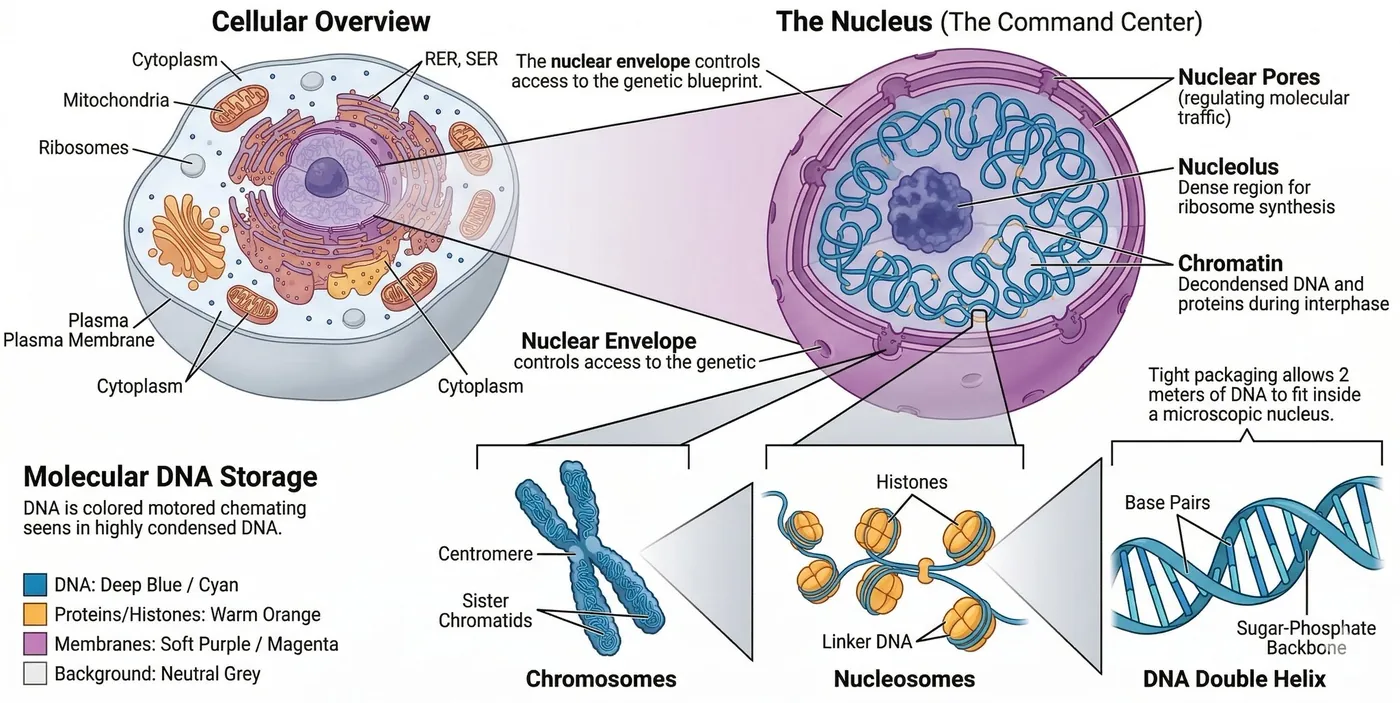
DNA Structure
In 1953 Watson and Crick discovered by X-ray analysis that DNA exists as a double helical structure, two strands of DNA are intertwined around each other in a diameter of 20A.
Nature’s choice of the double helix is brilliant
The bases (A, T, C, G) are delicate molecules, this structure allows these bases to be tucked safely inside, while the sugar phosphate backbone wraps around them like protective armor.
The rules of base pairing (A always matches with T, and C with G), each strand acts as a mirror image of the other. If one strand is damaged,by radiation, for example, repair enzymes can reference the opposite strand to identify exactly which letter is missing.
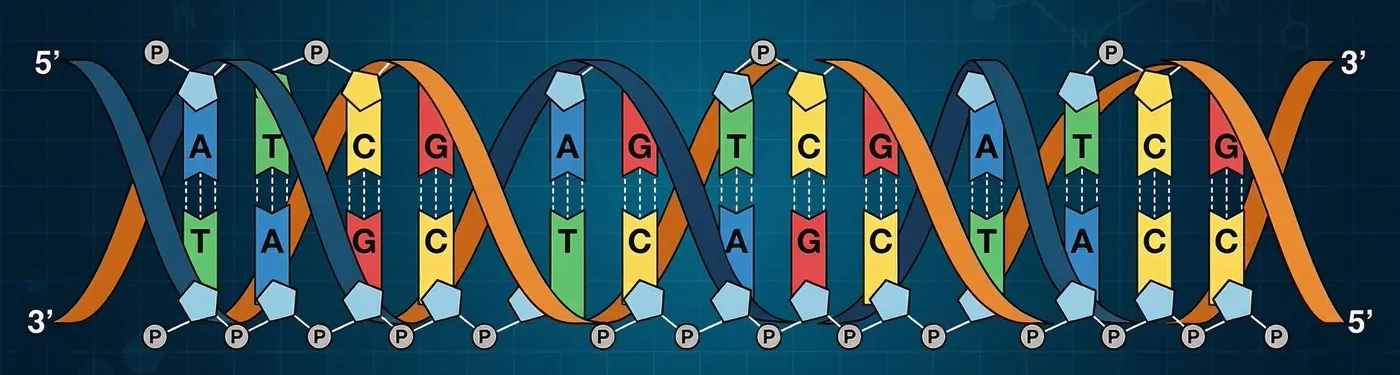
4 building block: A T C G
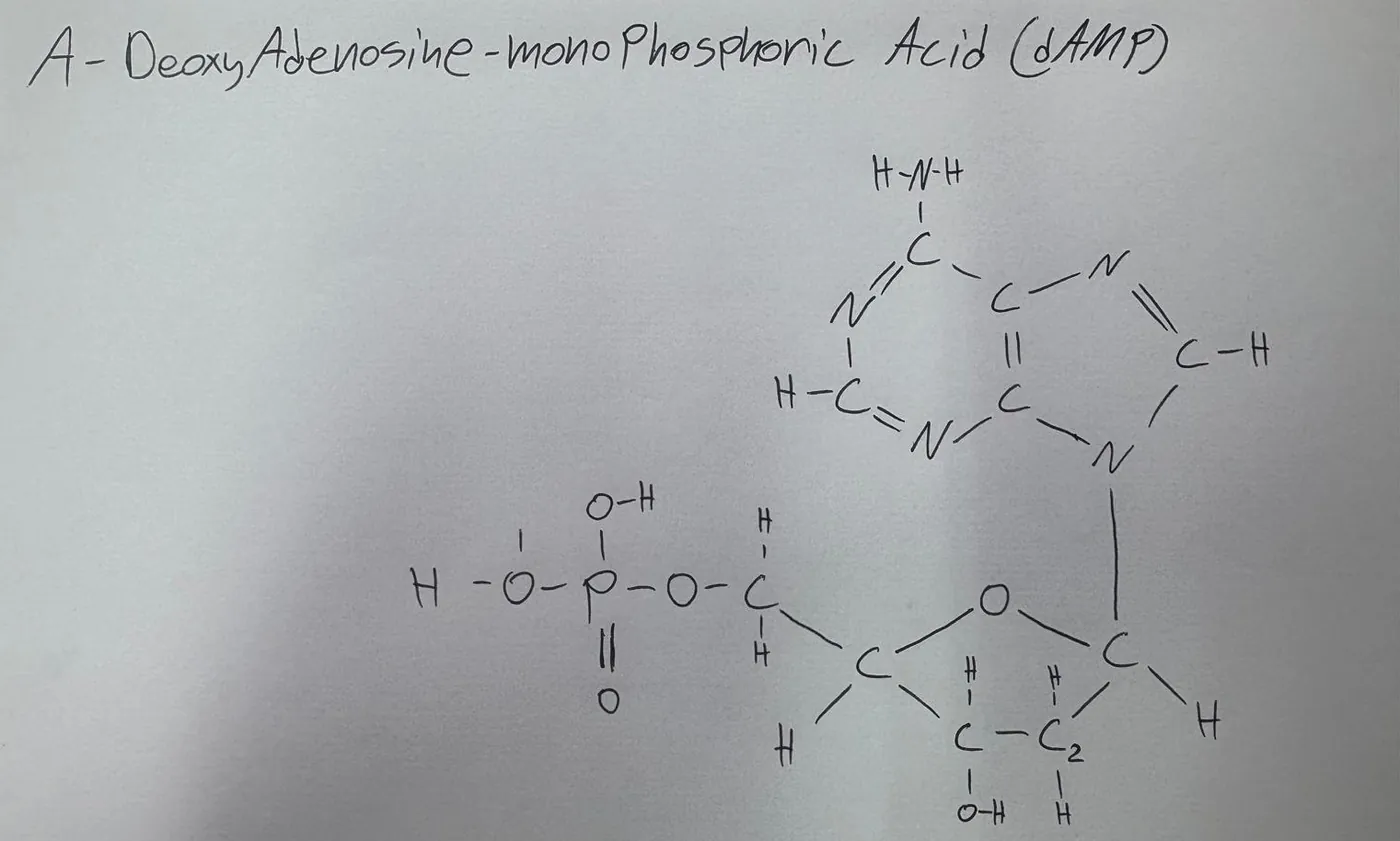
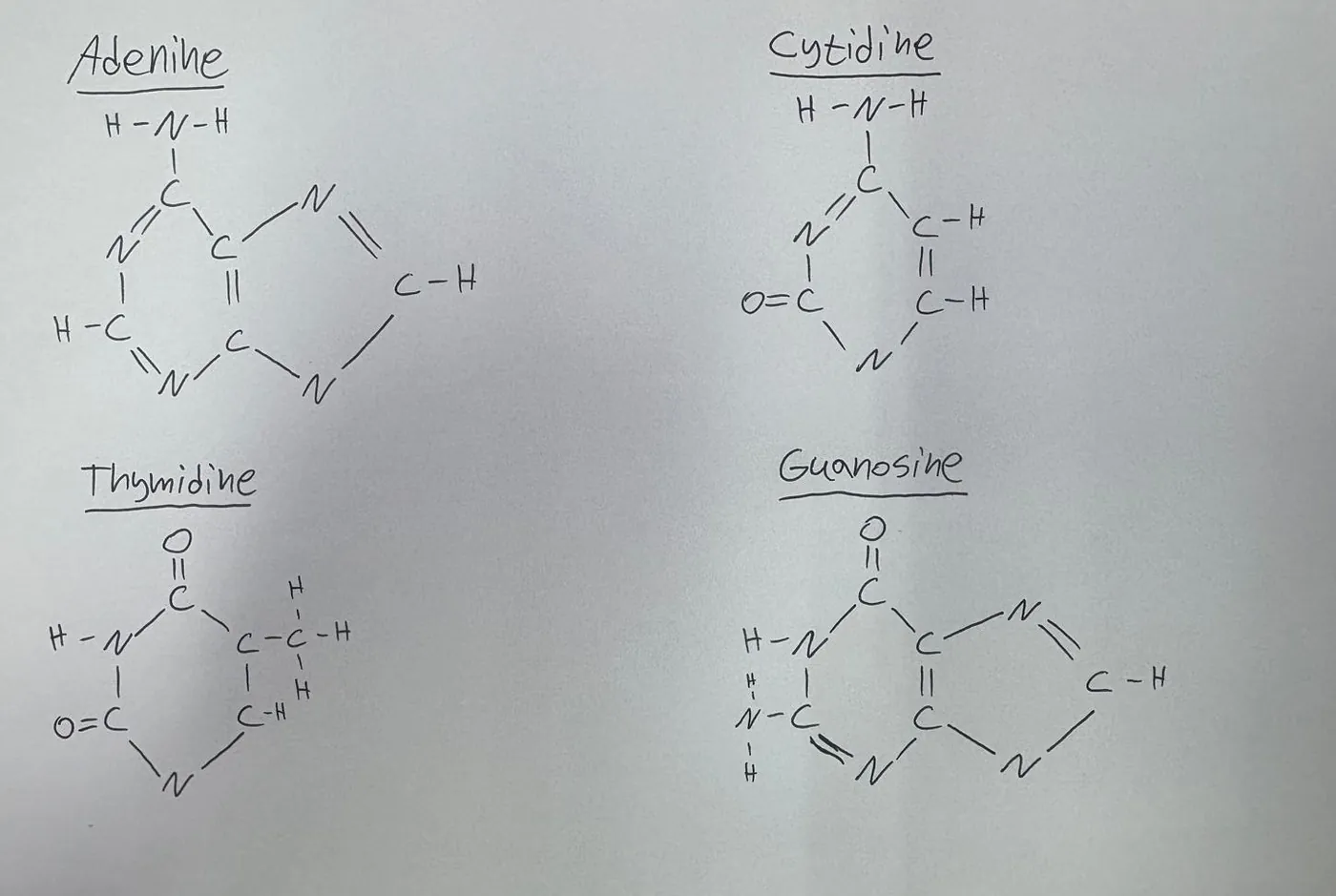
Adenine: A purine (two-ring structure),Outside of DNA, it is the core component of ATP, and electron carriers like NAD and FAD. In DNA, it always pairs with Thymine via two hydrogen bonds,the only purine that contains no oxygen atoms in its ring structure.
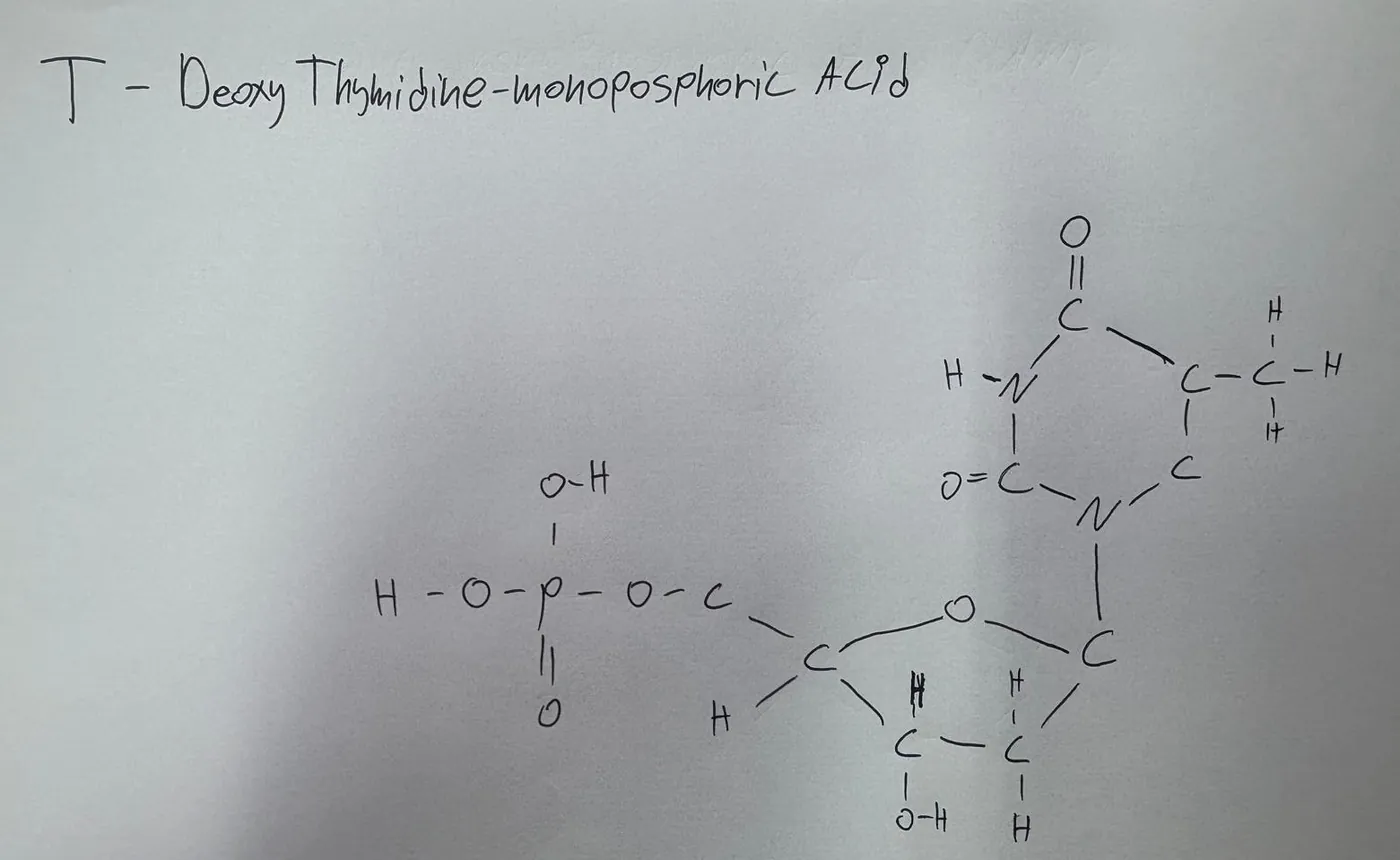
Thymine: A pyrimidine (single-ring structure).serves as the integrity tag of DNA. It is nearly identical to Uracil (found in RNA), the only base in DNA that has a methyl group, Its presence in DNA is crucial for repair thanks to its methyl group, repair enzymes can easily distinguish a correct Thymine from a damaged Cytosine that has turned into Uracil. Without Thymine, our DNA would accumulate lethal mutations within days.
Cytosine: A pyrimidine (single-ring structure) the least chemically stable base. It has a natural tendency to spontaneously turn into Uracil (U). Because of this, the cell spends a lot of energy scanning DNA to ensure this error hasn't occurred. It is the primary target for DNA methylation. Adding a methyl group to Cytosine is the main way the body silences genes without changing the underlying code. If the Cytosines are tagged with methyl groups, the gene is turned off, if they are clean, the gene is active. This is the heart of epigenetics.
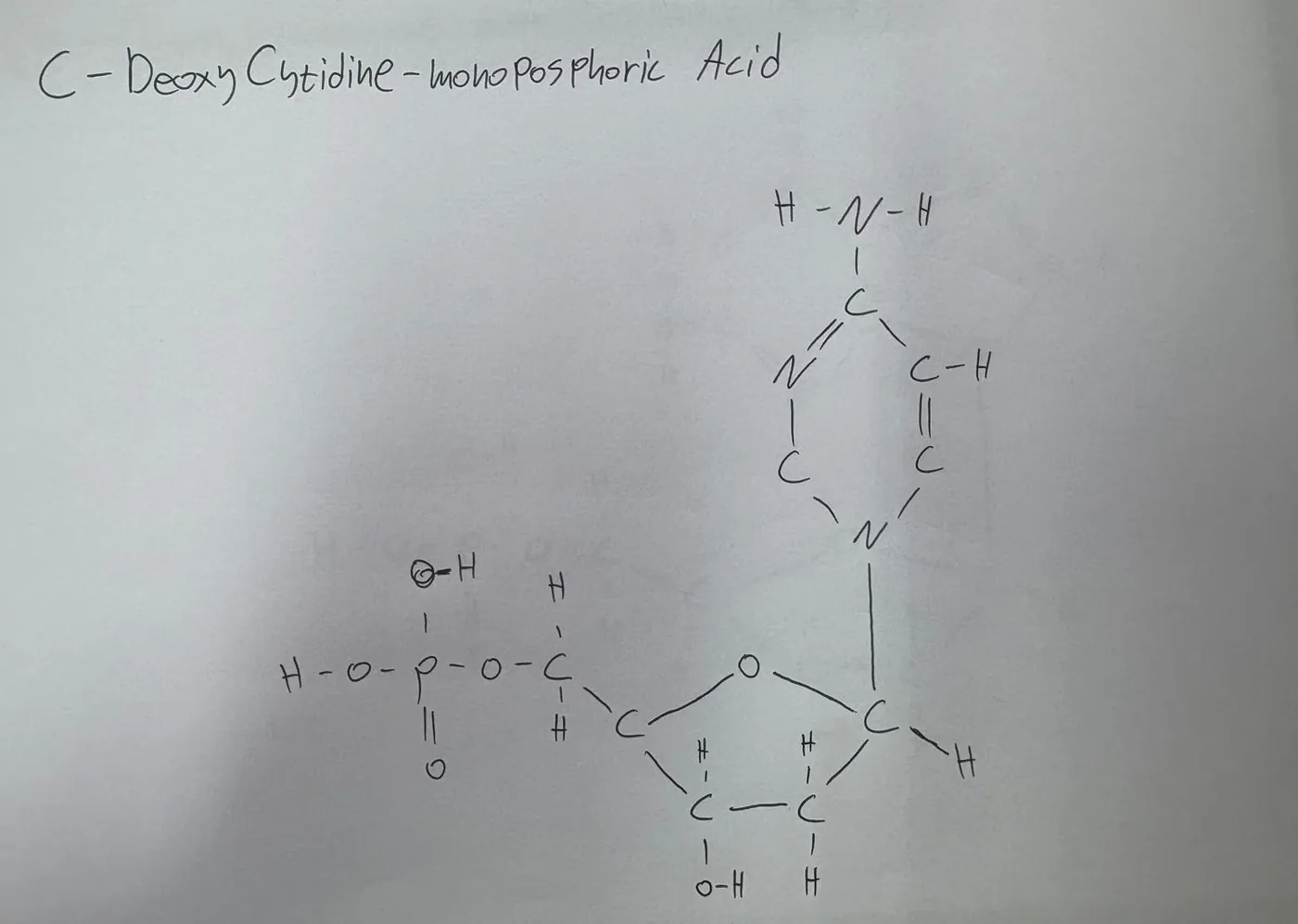
Guanine: A purine(two-ring structure), forms three hydrogen bonds with Cytosine, making their connection extremely thermally stable. It is the more complex purine; unlike Adenine, it has a keto group (C=O), which allows it to form unique structures like "G-quadruplexes" (a structure where four Guanines hold onto each other to stabilize certain DNA regions).
The G=C content of a genome determines how rigid the helix is, for example, organisms living in extreme heat often have high GC DNA to prevent it from melting.
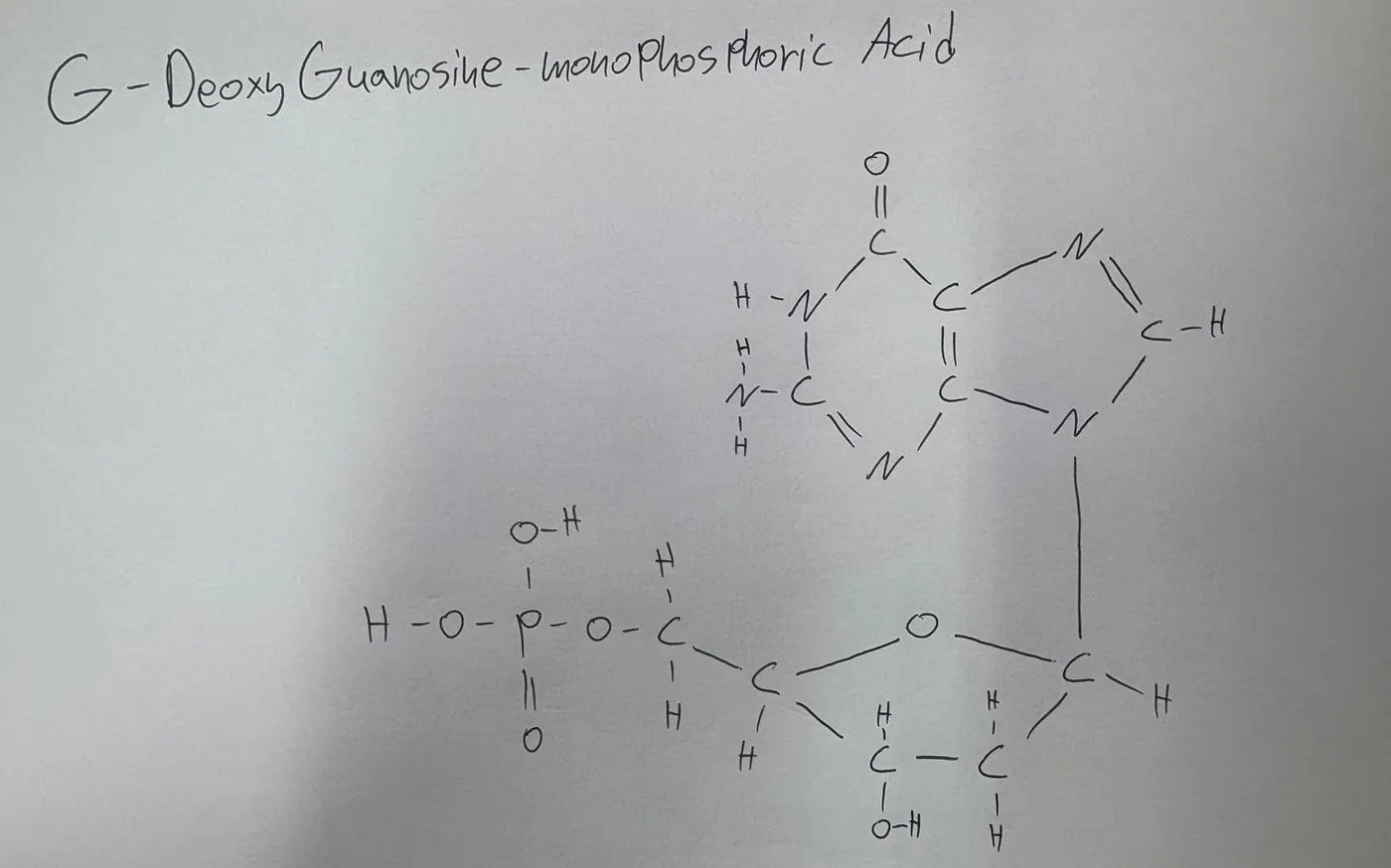
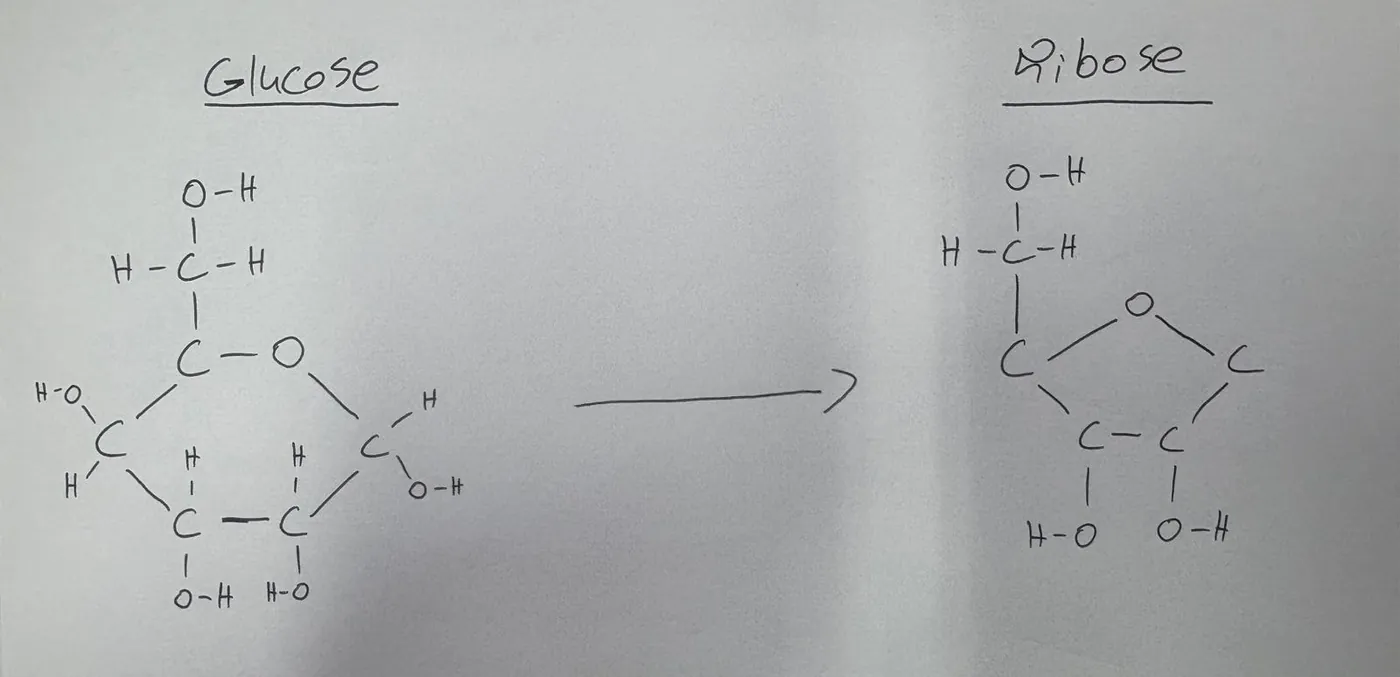
All bases are made from De-Oxygenated Ribose, made mainly from glucose in the Pentose Phosphate Pathway (PPP)
Glucose turns into Ribose
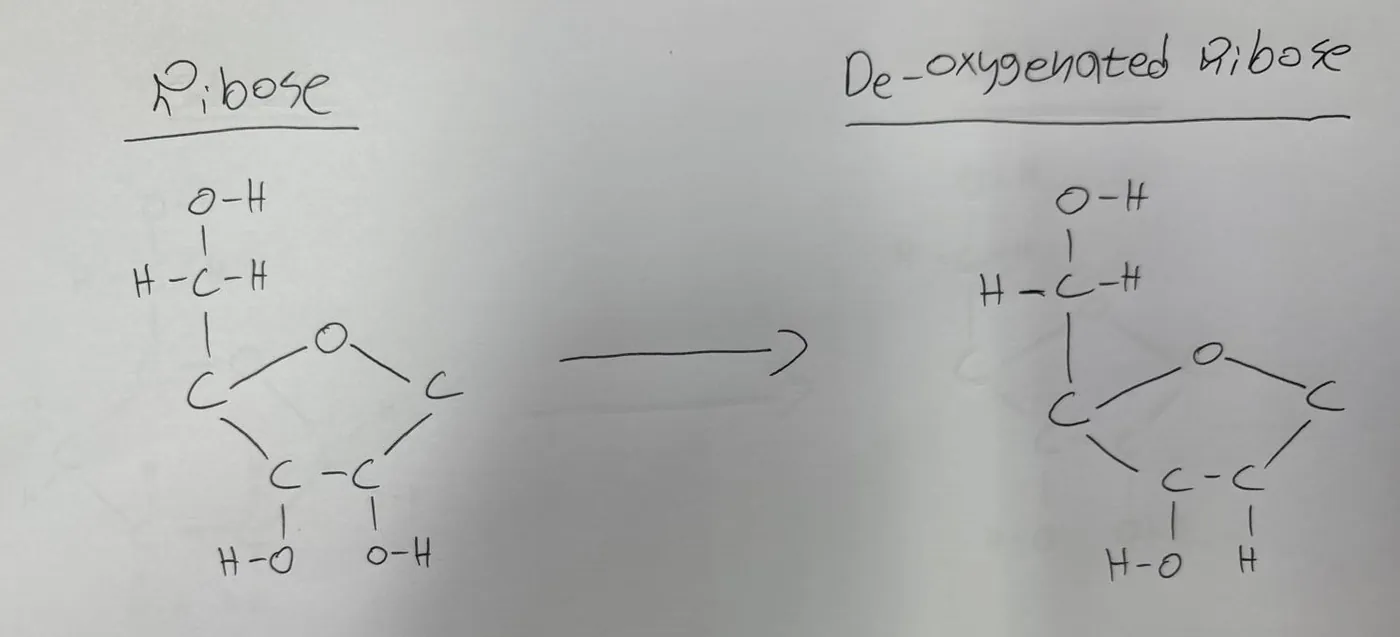
Ribose loses oxygen molecule and becomes Deoxy Ribose
Without the Deoxygenated Ribose group here are the 4 bases, and the amino acids needed to create them
Adenine & Guanine- Aspartate, Glutamine,Glycine, B9 (Folate)
Cytosine & Thymine- Aspartate, Glutamine, B9 (Folate)
DNA TO RNA(Transcription)
We already established that the DNA is a massive book of instructions, it has millions of "sentences" which we call genes, a gene is simply the instruction to build a protein,enzyme or a receptor.
Our cells use only 5-10% of the DNA, many "bad" genes are deactivated, but become active in stress or in low metabolism, this alone can shift to the production of inflammatory mediators or increase levels of stress hormones like serotonin,cortisol or estrogen, their receptors are proteins made from genes and thus activating or deactivating genes can change hormonal balance.

When the cell wants to build a protein, instead of copying the whole DNA he will create a small copy of the specific gene he needs, that's called RNA.
The enzyme RNA polymerase, attaches to the DNA and splits it into two, then begins producing RNA,by translating the DNA strand, Unlike DNA, RNA has a single-stranded structure that is built by completing the bases according to the exact same rules, thus creating a copy of the DNA.
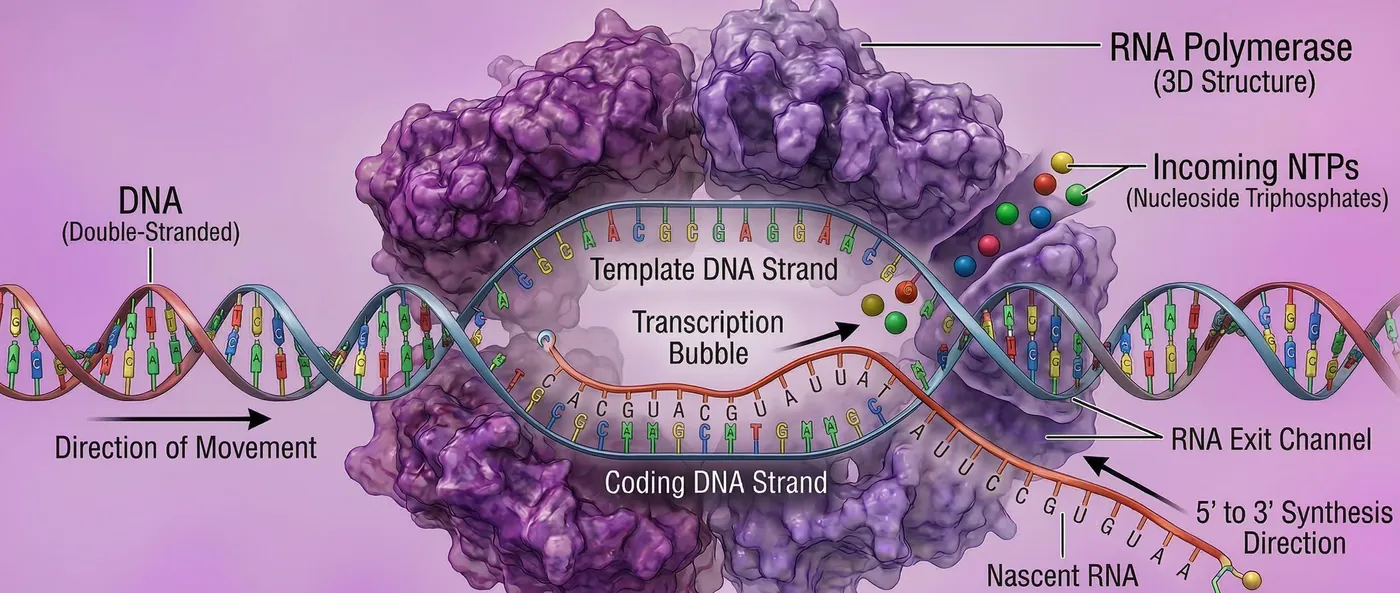
RNA polymerase follow these rules:
If the DNA says G (Guanine) it adds C (Cytosine).
If the DNA says C (Cytosine) it adds G (Guanine).
If the DNA says T (Thymine) it adds A (Adenine).
If the DNA says A (Adenine) it adds U (Uracil).
Uracil is the cheap version of thymine, it doesn't contain the expensive methyl group, because RNA is a temporary copy our body prefers to use it.
There are 2 main types of RNA, Coding and Non-Coding RNA
Coding RNA
RNA molecules that carry the genetic information required to build proteins. aka messenger RNA (mRNA)
serves as a blueprint that the ribosome can read to assemble amino acids into protein.
Non-coding RNA (ncRNA)
RNA molecules that are not translated into proteins, they have structural, catalytic, or regulatory roles, examples of non-coding RNAs:
- rRNA (Ribosomal RNA): The primary structural and catalytic component of the ribosome that facilitates the chemical reaction to link amino acids.
- tRNA (Transfer RNA): A small adapter molecule that physically carries specific amino acids to the ribosome by matching its anticodon to the mRNA codon.
- miRNA (microRNA): Short regulatory strands that bind to target mRNAs to "silence" them, preventing protein production or causing mRNA degradation.
- snRNA (Small Nuclear RNA): Essential components of the spliceosome that help "cut and paste" RNA by removing non-coding introns from pre-mRNA.
- lncRNA (Long Non-coding RNA): Large RNA molecules that regulate complex cellular processes, such as the structural organization of chromosomes and the long-term "switching" of genes.
In protein synthesis the main RNA is mRNA
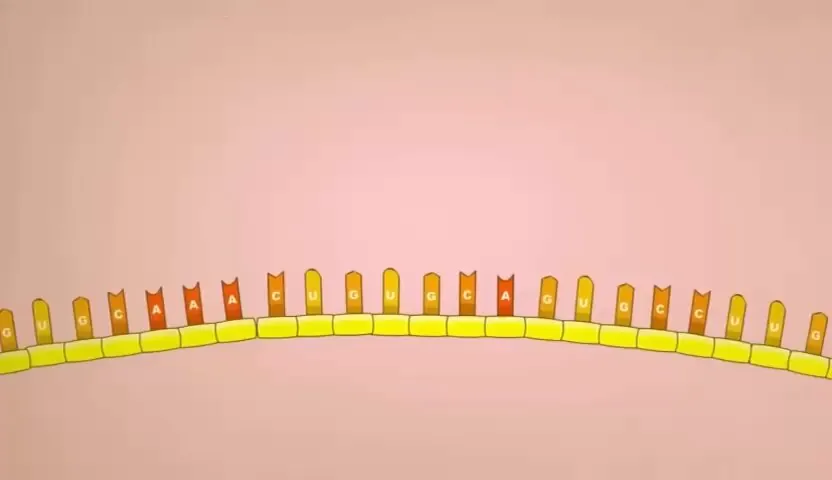
Once RNA polymerase creates mRNA, it leaves the nucleus to the cytoplasm, where a machine called Ribosome attaches to the mRNA and begins the process of translation. it scans the mRNA sequence, reading it in groups of three letters known as codons. Each codon acts as a specific instruction for a particular amino acid to be added to the protein. a few examples:
Glycine - GGU, GGC, GGA, GGG
Leucine - UUA, UUG, CUU, CUC, CUA, CUG
Proline - CCU, CCC, CCA, CCG
Glutamine - CAA, CAG
Serine - UCU, UCC, UCA, UCG, AGU, AGC
Alanine - GCU, GCC, GCA, GCG
Isoleucine - AUU, AUC, AUA
Lysine - AAA, AAG
Valine - GUU, GUC, GUA, GUG
Tyrosine - UAU, UAC
Tryptophan - UGG
As you can see some crucial amino acids like leucine and serine has 6 codons while possibly toxic ones like Tryptophan only has one, this serves as a biological insurance policy against DNA mutations.
Each amino acid has a specific tRNA that corresponds to it. At one end, it binds the amino acid, and at the other end, it carries the anti-codon that allows it to pair with the mRNA within the ribosome
Example:
a ribosome scans the following mRNA
GGU CCC CAG AAA CUU UAU UGG
The outcome:
Glycine-Proline-Glutamine-Lysine-Leucine-Tyrosine-Tryptophan
By reading the entire strand, the ribosome assembles a long chain of amino acids in a precise order, which then folds into a functional protein or enzyme.
The metabolic cost
Translation: Synthesizing a single protein of average length (431 amino acids) requires roughly 2,155 ATP molecules (4-5 ATP per amino acid).
Transcription: Adding one ribonucleotide to an RNA chain costs approximately 15 ATP.
Cellular Homeostasis, differentiation and Gene expression
To maintain health and replace worn-out tissues, the body undergoes continuous cellular turnover. This process is a delicate balance of cell birth (mitosis) and cell death (apoptosis) of 330 billion cells every day.
Blood cells (erythrocytes and neutrophils) and the epithelial cells lining the gut account for over 96% of all daily cell deaths.
Blood Erythrocytes have daily turnover of 200B cells
Gut Epithelials have daily turnover of 60 - 100B cells
Testes have daily turnover of 100 - 300M cells
Liver Hepatocytes have daily turnover of 120M cells
Heart Cardiomyocytes have daily turnover of 2.9M cells
Brain Microglia have daily turnover of 4 M cells, while brain neurons should be 0.
All the cells above contain the same DNA
so how does each one has a different role?
1. Transcription Factors
Every cell contains specialized proteins that act as "switches." They bind to specific segments of the DNA and determine which genes will be activated and transcribed into RNA (and subsequently into proteins) and which will remain "off."
- In a red blood cell (erythrocyte), these switches activate the gene for producing hemoglobin.
- In a pancreatic cell, those same switches activate the gene for producing insulin.
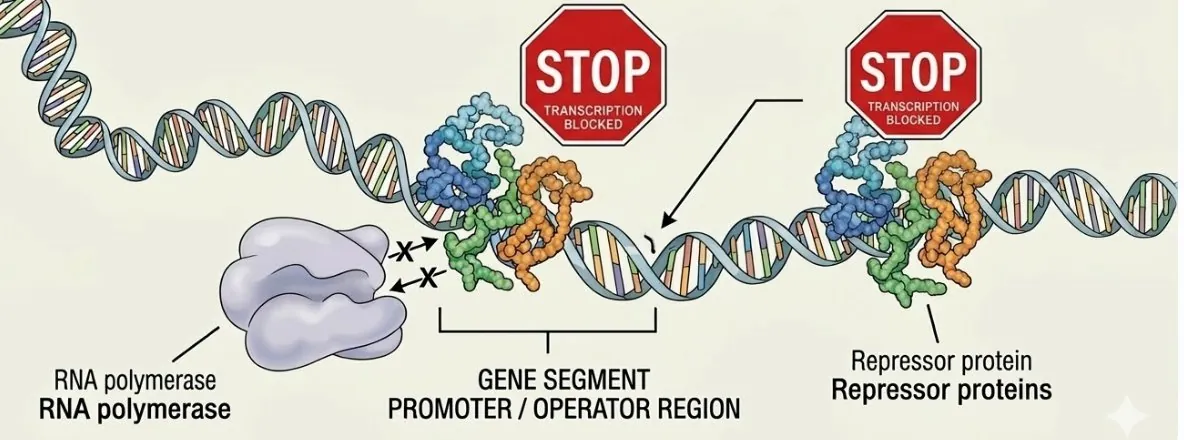
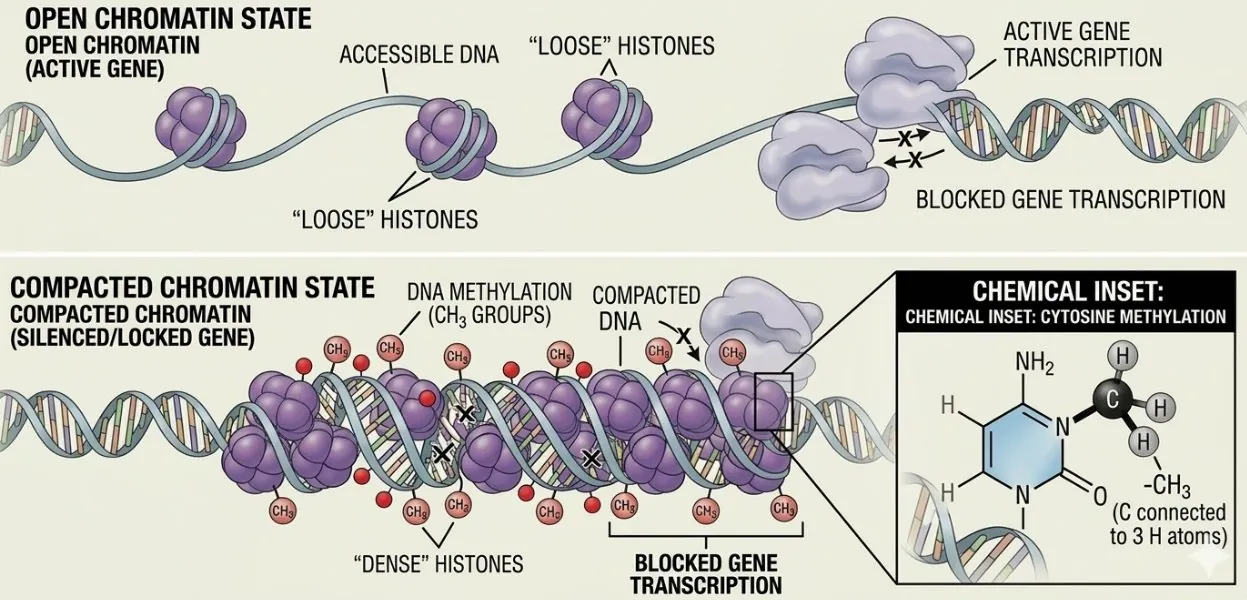
2. Epigenetics: DNA Packaging
DNA does not float freely in the cell, it is wrapped around proteins called histones.
- Methylation: The cell can add chemical "tags" (methyl groups) to certain genes to lock them permanently.
- Compression: In areas where the cell does not need to use specific genes, the DNA is packed so densely (heterochromatin) that the cellular machinery simply cannot read it.
3. Environment and Intercellular Communication
Cells talk to one another using hormones and chemical signals. During embryonic development, a cell's location determines the signals it receives. These signals trigger a chain reaction that determines the cell's ultimate fate.
Cellular Regeneration
When a cell dies and needs to be replaced, it doesn't simply appear out of nowhere. Instead, another cell of the same type undergoes a process of replication.
This replication occurs through mitosis, where a single parent cell duplicates its entire genetic code (DNA) and internal structures. The cell then physically divides into two genetically identical daughter cells. Each daughter cell receives a full set of instructions, ensuring that the new cell can perform the exact same functions as the cell that was lost.
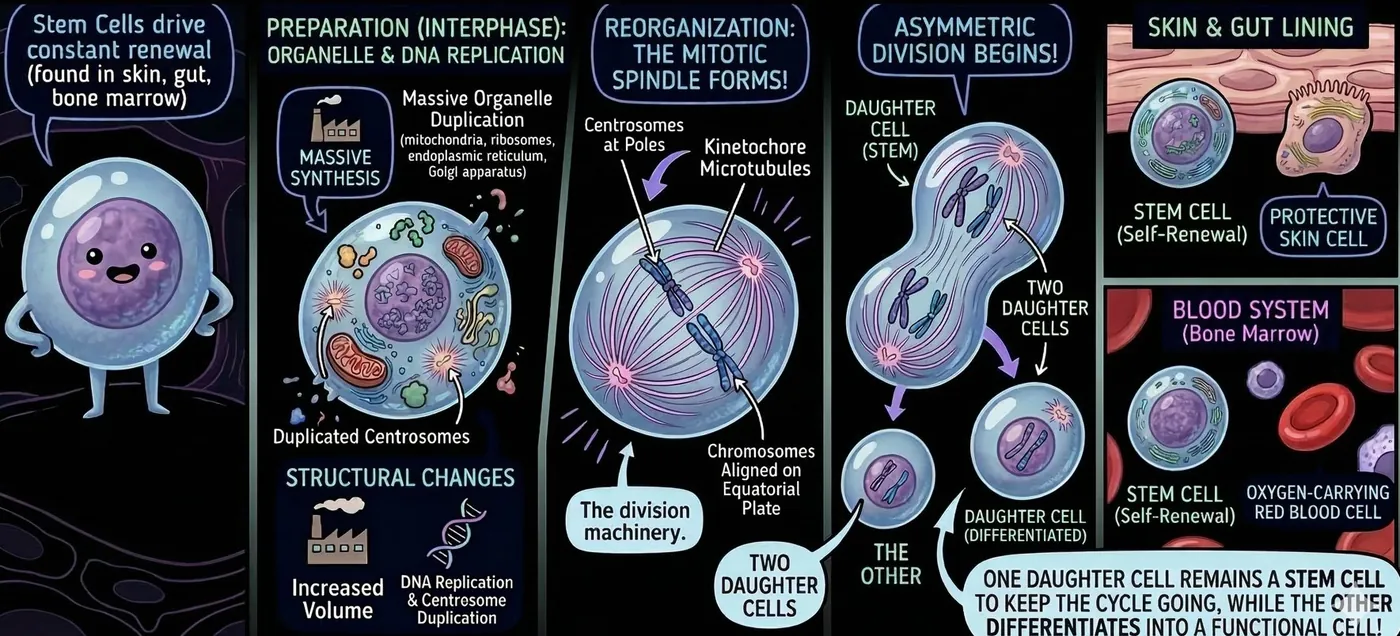
EVERY TIME A STEM CELL PREPARES FOR DIVISION HE CREATES A NEW COPY OF THE ENTIRE DNA
This is a crucial process the requires a lot of energy,mainly ATP
When energy fails gene mutations are born
De Novo Synthesis vs. Recycling
The cell can create the DNA copy by generating new nucleotides(A,T,C,G) from glucose,amino acids and CO2.
The liver is the major site for building nucleotides from scratch. It breaks down these newly synthesized nucleotides to release free bases or nucleosides into the circulation. This provides a critical external supply for tissues such as the brain, red blood cells, and white blood cells, which lack the enzymes necessary to build nucleotides from scratch.
Another ways that the cell can get nucleotides are From the body's own old nucleic acids released from dead cells and from dietary sources, this helps to make the process less expensive.
When the body needs to create many new cells quickly, recycling cannot keep up with the demand. This happens during:
- Childhood and physical growth.
- Recovery from significant injury (tissue reconstruction).
- Increased production of blood cells (e.g., after donating blood).
- Cancer Cells: De Novo synthesis becomes the dominant source, for the cancer
- Infections: During a severe infection, the immune system produces billions of new white blood cells. This also triggers a massive spike in De Novo synthesis.
The Blueprint of DNA Replication
The most critical step in the parent cell is the exact duplication of its 6.4 billion base pairs of DNA. This process involves a team of specialized enzymes:
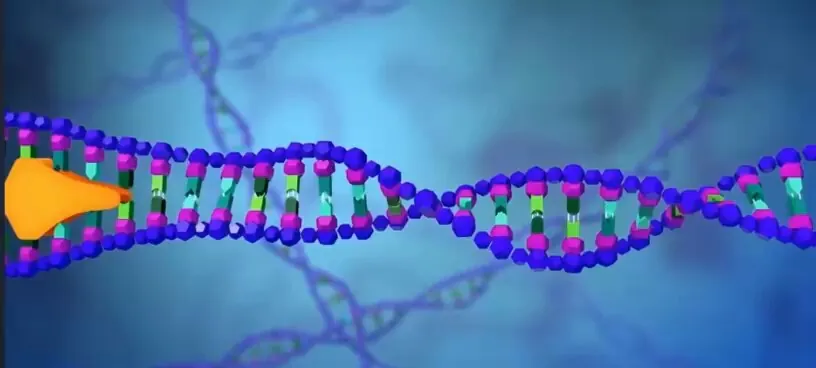
- Unzipping (Helicase): The enzyme Helicase lands on the DNA and breaks the hydrogen bonds between the bases This unzips the double helix, creating a structure called the Replication Fork.
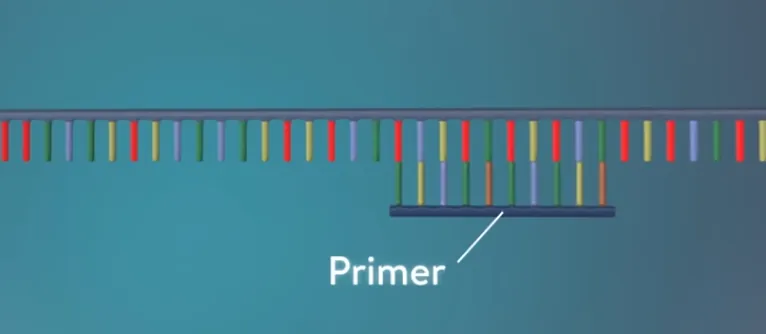
2.Priming (Primase): The enzyme Primase places a short piece of RNA (a primer) to show where the building should begin.
3.Building (DNA Polymerase): travels along the original strands. It reads the bases and attaches the matching nucleotides (matching A with T and C with G) to create 2 DNA strands.
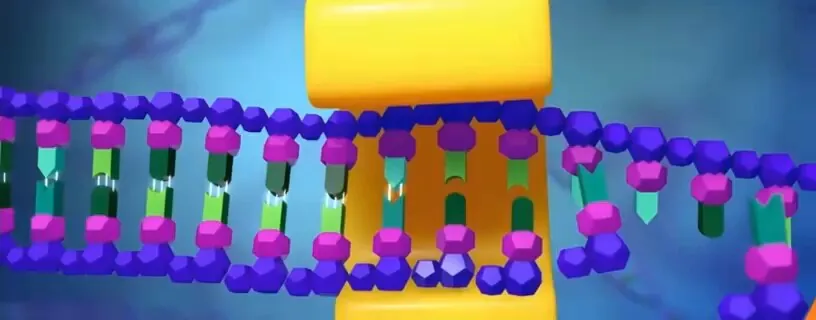
4.Gluing (Ligase): Because one strand (the lagging strand) is built in small, separate chunks called Okazaki fragments, an enzyme called DNA Ligase acts as molecular glue, sealing all the gaps to create two perfect, identical DNA molecules.
By the end of this process, the parent cell contains two full sets of the genome. It then physically pinches in the middle (cytokinesis) to deliver one set of DNA and half the organelles to each of the two new daughter cells.
Every cell has 6.4 billion base pairs,the cost of adding a base is 2 ATP, so each time a cell is made, it needs 12.8 billion ATP, now remember that 330 billion cells are made each day, that is a lot of ATP needed for this purpose.
DNA synthesis is thus a metabolic process highly dependent on energy production, when energy fails the quality of the DNA decreases.
It is estimated that DNA polymerase makes a mistake every 100,000 bases, so our body has enzymes that proofread the new DNA formed, but when ATP levels are low this step is skipped, this increase the chance of a mutiation, even 1 incorrect base can be very bad for the new cell, a few incorrect base are extremely dangerous.
The quality of your DNA synthesis depends on your metabolism, DNA is no a static indicator, it is always being copied and synthesised, most cells use only 5-10% of their gene to function, low energy state activates stress related genes while health metabolism signals the activation of the health promoting genes.
Our DNA is a beautiful example that Function and Structure are two sides of the same coin.