Heal your Gut barrier, improve your Microbiome and lower inflammation.

If you're struggling with bloating, brain fog, acne, nasal congestion, allergies, coated tongue, your gut is probably compromised, the information below may help.
Table of contents:
1.Gut barrier- Metabolic shield
2.Small & Large intestine - function and motility
3.Bacteia types - Gram negative+positive,phylums,candida
4.Microbiome cross feeding-who eats first?
5. Endotoxin(LPS) as a root cause
5.Acidity
6. My strategy
Under conditions of stress, aging, low metabolic rate, and inflammation the barrier function weakens, allowing bacteria,pathogens and toxins to enter the bloodstream.
Once there, they activate almost all of the inflammatory mediators(we'll go into that later), your body goes into stress mode and with good reason, some bacteria can be deadly. Systemic leakage lowers oxidative metabolism, creates inflammation, causes the intestinal wall to swell, impairs the ability of the smooth muscles to contract and push food, this increases permeability even more. It's a vicious cycle of increasing leakiness and inflammation.
Weak barrier = Constant inflammation
The gut barrier is present throughout the entire digestive system, from the stomach and small intestine to the colon and the anal canal.
We will primarily focus on the intestinal barrier of the colon, as this is where the highest concentration of pathogens and bacteria is found. Therefore, its function in this specific area is the most fascinating and critical.
YOU NEED A STRONG BARRIER!
Our barrier has 3 layers, all metbaolicly active
1.The Mucus Layer: the first line of defense
2.The Epithelial Layer: Billions of epithelial cells
3.The Lamina Propria: Immune back plan
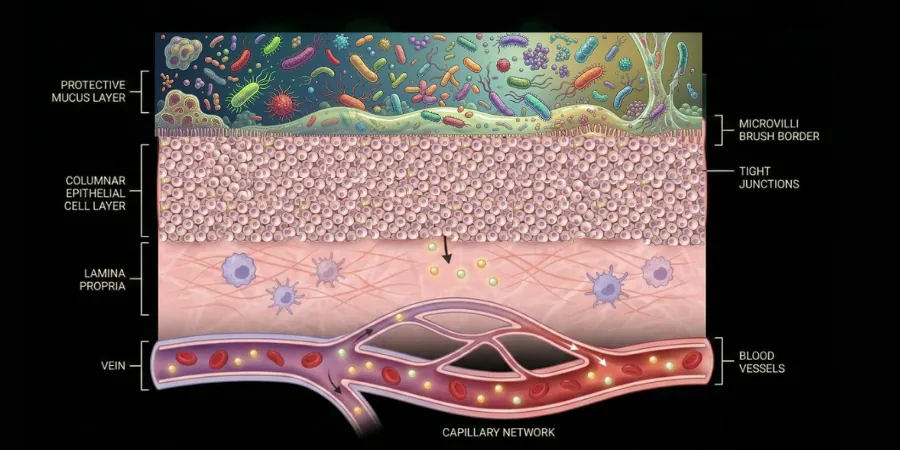
Metabolic Shield
The Mucus Layer: The First Line of Defense
Our mucus traps pathogens, prevents them from attaching to the epithelial layer, allowing them to be flushed away.
Mucins are the primary structural components of the mucus layer,Chemically, they are Glycoproteins(long amino acid chains covered in sugars), with a "bottle-brush" shape,That allows them to trap water and form a viscous, slippery gel.
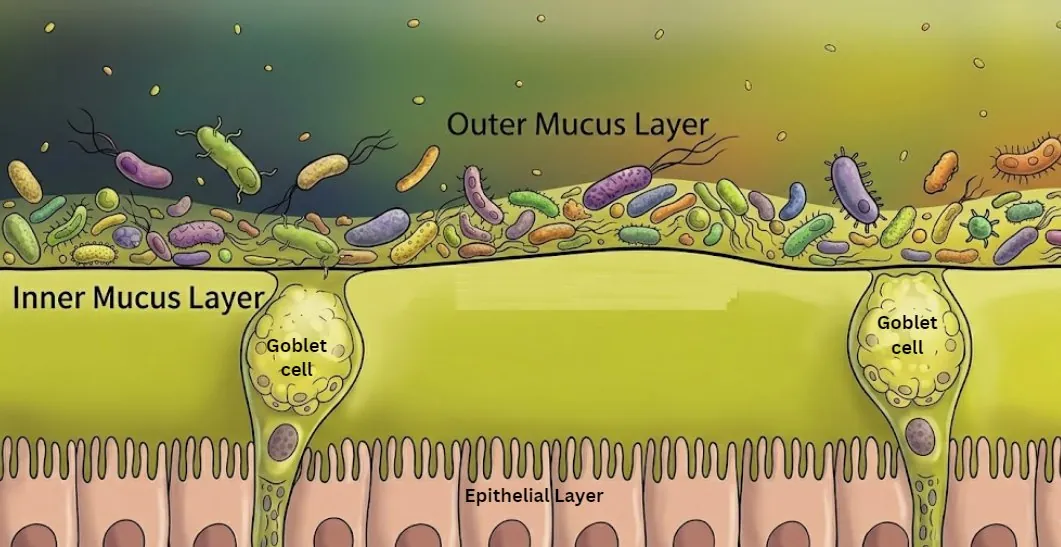
Goblet cells: Our mucus producers,an extremely energy intensive process, requiring a massive amount of ATP to fuel the enzymatic reactions involved, the outer mucus layer is constantly consumed by bacterial activity and physical friction, goblet cells must maintain a relentless pace of mucus secretion They store compressed MUC2 in large granules continuously release them to replenish the barrier.
they need constant supply of sugar not only for ATP but also for actually
Our mucus(mainly MUC2) molecules which have a unique ability to bind to one another at their ends , forming a massive structured network similar to a dense mesh, made from 80% sugar, 20% protein, the sugar is crucial for creating mucus and protecting the protein structure from being consumed by bacteria.

There are 3 main amino acids crucial for MUC2 production
1.Glycine- being the the smallest amino acid, is used to allows the MUC2 protein to fold with extreme density, helps Cysteine residues to get close enough to one another(Disulfide bondes). Without Glycine, the molecular structure fails
2.Proline- acts as a structural core, holds the other proteins and allows them to hold sugars.
3.Aspartic acid- binds calcium which keeps mucus compressed before its secretion.
EAT BEEF GELATIN!(it's rich in glycine and proline)
In the colon the mucus layer is so thick, that it's actually 2 layers
The Inner Mucus Layer: Very dense, gelatinous and sterile,it is too dense and prevents bacteria to penetrate and reach the epithelial cells, It is constantly being pushed outward by the secretion of new mucins, ensuring that any stray bacteria are moved away from the tissue.
The Outer Mucus Layer: It's loose, expanded, and non attached layer formed when the inner layer’s mucins are cleaved by host and bacterial enzymes, serves as the primary habitat for the gut microbiome, providing a nutrient-rich environment where beneficial bacteria can live and thrive,allowing bacteria to feed on its mucin sugars, it keeps the microbiota at a safe distance from the intestinal wall while supporting microbial diversity,It also acts as a lubricant, facilitating the smooth passage of fecal matter and protecting the gut lining from damage.
The Epithelial Layer
Formed by 150 Billion epithelial cells ,their membranes are stitched together in specialized protein complexes that prevent bacteria from passing.
Trying to improve gut microbiome or gut function without addressing ATP production is useless.
Just like every cell in our body, that needs ATP to maintain it's structure,lipophylicty,
Epithelial cells produce 10% of the total ATP synthesized,
but consume 20% of all the ATP we synthesize
They get the remaining 10% by oxidizing SCFA(short chain fatty acids), mainly Butyrate, created by gut bacteria around them.
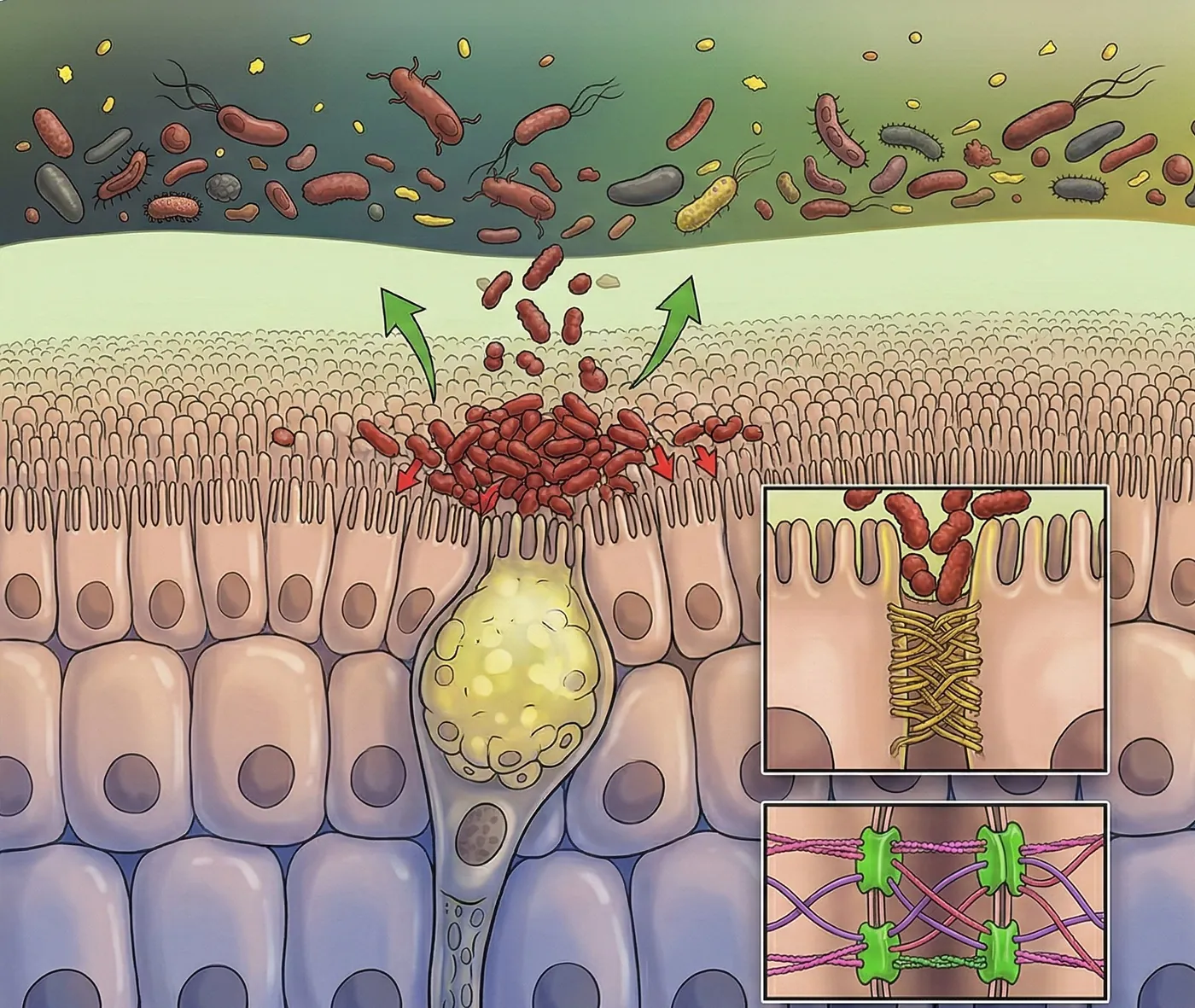
By looking at this problem as a metabolic issue, it becomes clear that we should focus on increasing ATP.
- Increasing ATP production of our cells
by providing enough carbs and fats. - Increasing SCFA production by bacteria
by optimizing our
Glucose and Short chain fatty acids produce more ATP per oxygen molecule than PUFA or long chain fatty acids or PUFA, this is important because there is almost no oxygen Inside the intestine(to prevent fermentation that feeds harmful bacteria).
Therefor we need to supply the epithelial cells with them to ensure optimal ATP production in minimum oxygen consumption.
Enters Bohr effect
Phenomenon first described in 1904 by Chrisitian Bohr:
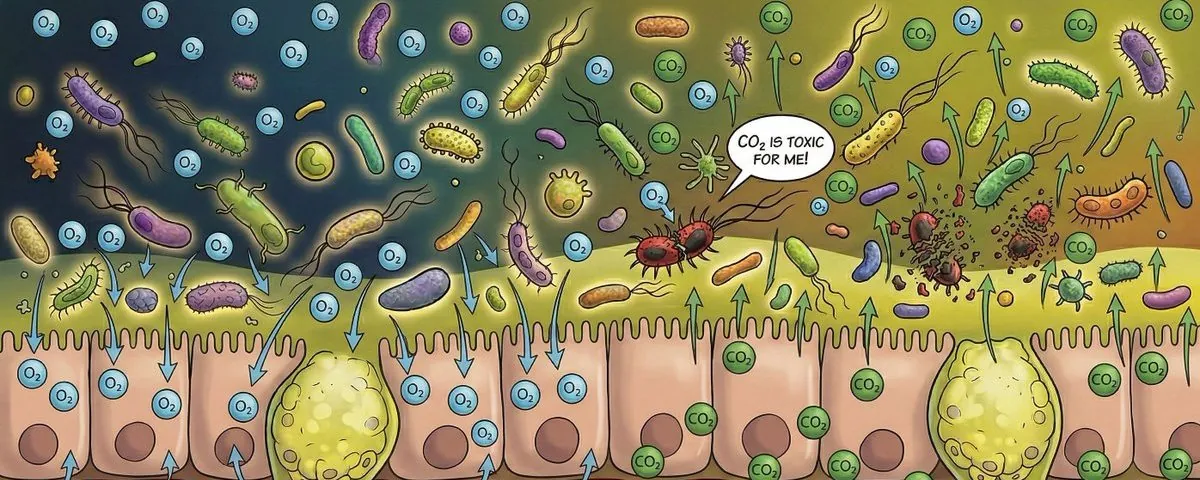
Carbon dioxide is needed for hemoglobin to release his oxygen to cells, if carbon dioxide is low, Hemoglobin does NOT give oxygen to cell, and they won't be able to produce ATP.
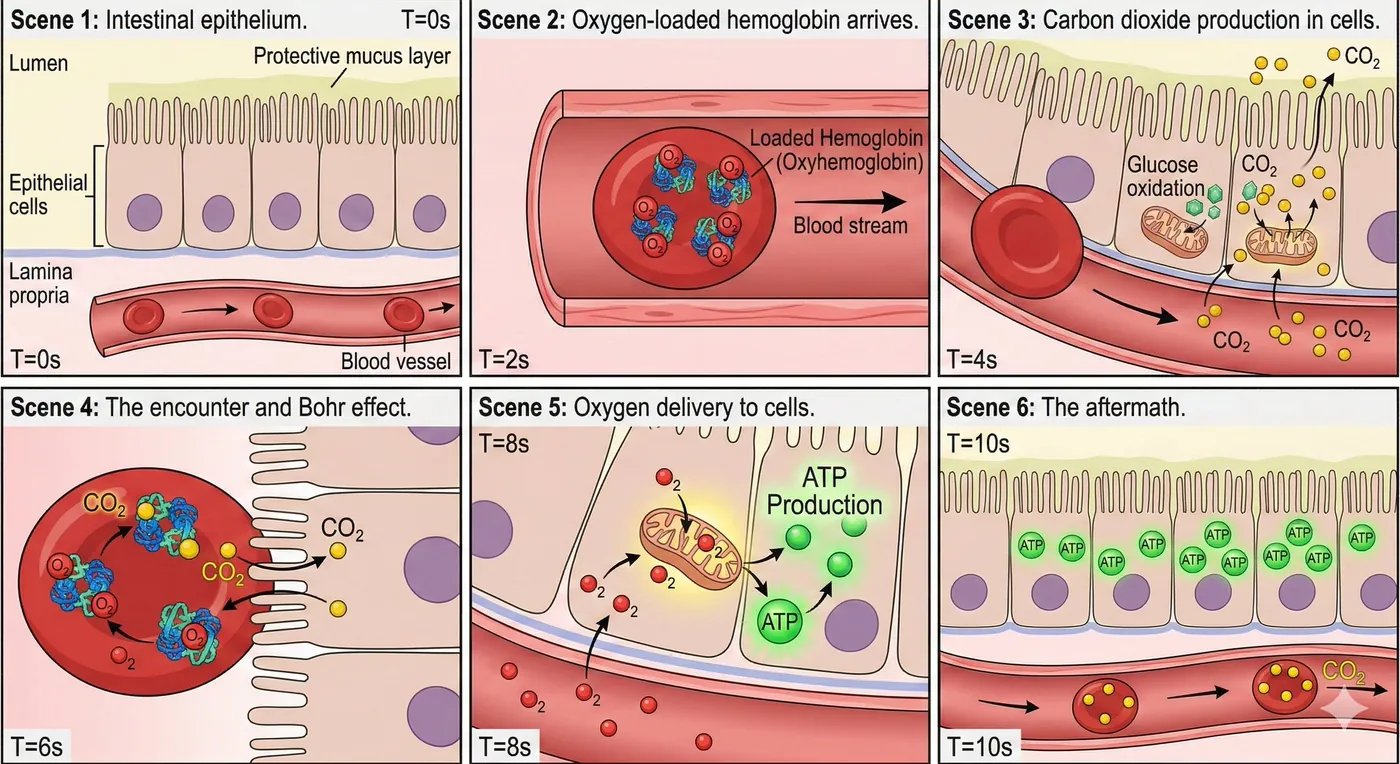
THIS IS IMPORTANT
The epithelial cells lowers oxygen levels in the colon and prevents negative bacteria from using it, they produce Carbon Dioxide which is toxic to bad bacteria and keeps the colon acid.
This is how Glucose oxidation helps the gut barrier,it produces MUCH more CO2 than any fatty acid.
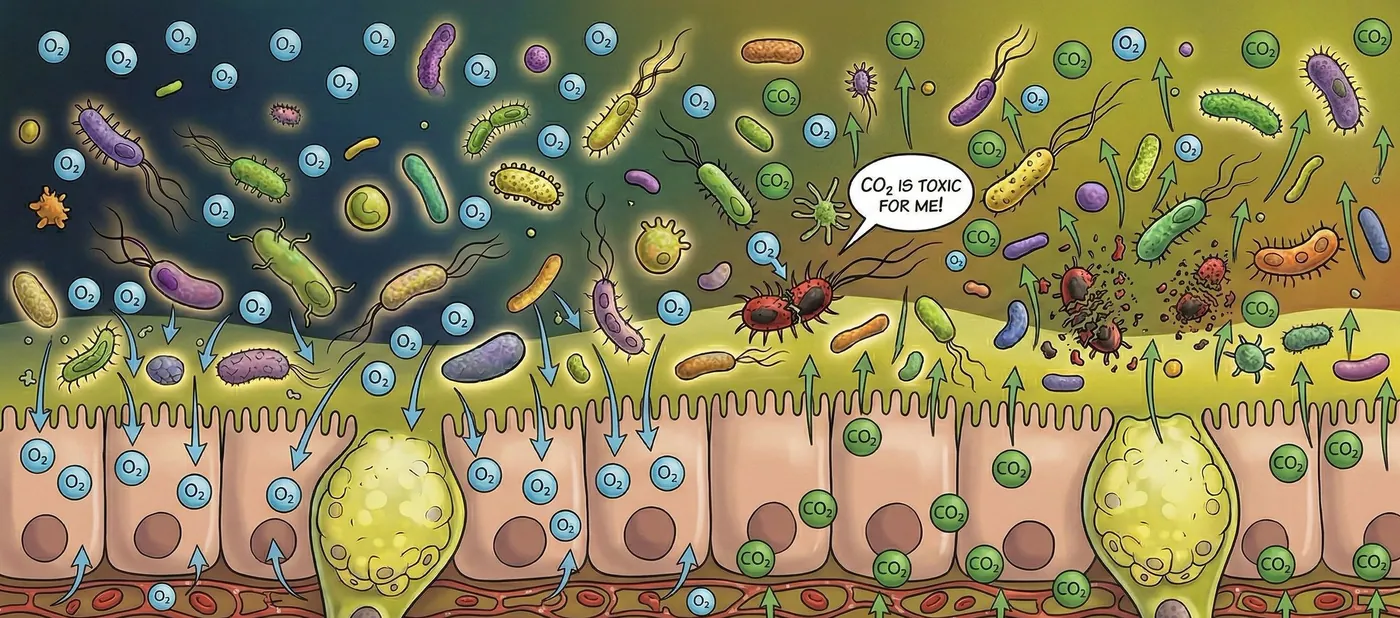
Carbon Dioxide
Besides being crucial for ATP production of epithelial cells,
- Lowers pH, that favors good bacteria, kills bad bacteria
- Neutralizes toxic Ammonia, produced by harmful bacteria
- Prevents oxygen leaking from the blood into the intestine
- Impairs the ability of Gram-negative bacteria to multiply
- Crucial for bile acid production
- Has direct anti-bacterial effects
I can't stress that enough
MORE CARBS = MORE CO2
To be more accurate, increasing the ability of your body to oxidize glucose + Increased carb intake will result in more CO2 production.
The Lamina Propria
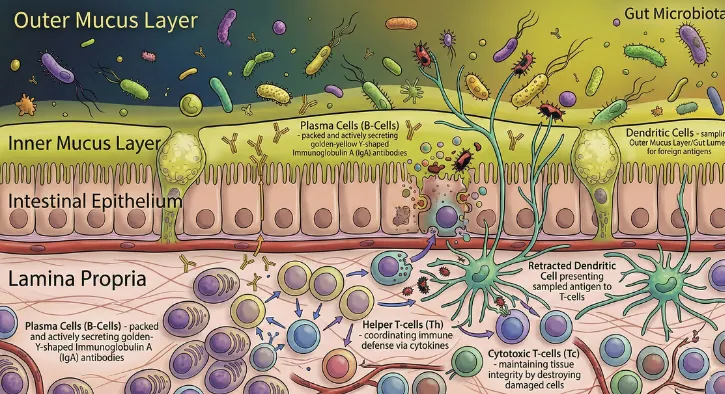
This layer is directly below the epithelial lair
It's the last defense line of our gut barrier, if bacteria passes it reaches the bloodstream, so it's composed from the finest soldiers of the immune system.
70% to 80% of the body’s entire immune cell population resides within this layer.
Plasma Cells (B-Cells): These cells generate massive amounts of Immunoglobulin A (IgA). This antibody is transported through the epithelium into the mucus layer, where it kills pathogens before they can even touch the gut wall.
T-Lymphocytes (T-Cells): These cells act as the "commanders" of the immune response. They include Helper T-cells, which coordinate the defense, and Cytotoxic T-cells, which directly destroy infected or damaged epithelial cells to maintain tissue integrity.
Dendritic Cells: These are the "scouts" of the immune system. They extend their "arms" (dendrites) through the epithelial layer to sample the contents of the gut, "reporting" back to the T-cells about whether the bacteria present are friendly or dangerous.
STRONG THYMUS = STRONG BARRIER
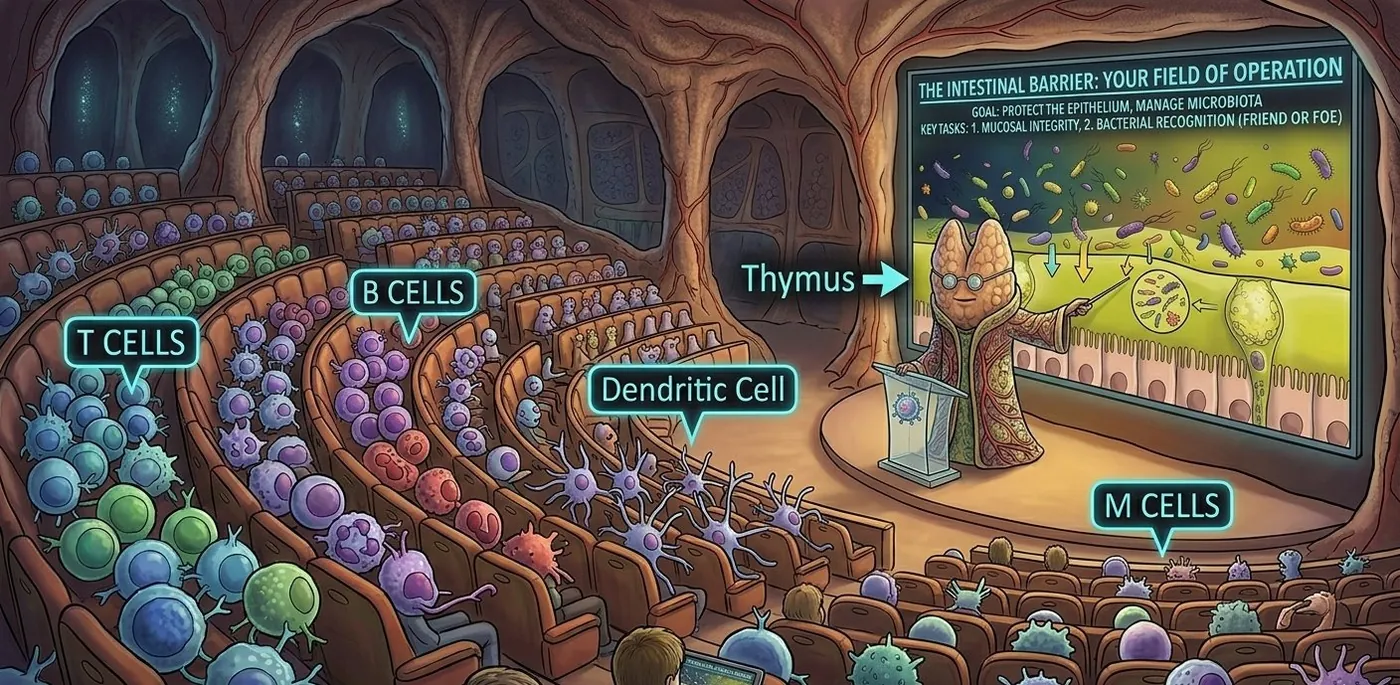
This layer of defense is VERY crucial, most of immune system is here, immune cells are all trained by the Thymus gland.
The thymus gland is a primary indicator of the organism's energetic state,ability to distinguish between the body's own tissues and potential pathogens, strong and big thymus reflects a high metabolic rate and the successful resistance to the degenerative forces of stress
Cortisol and estrogen promote atrophy of the gland and contributes to many auto immune conditions(weak thymus) Sugar is anabolic for the thymus and opposes the catabolic effects of cortisol.
Progesterone, pregnenolone,DHEA and DHT serves as the body's natural defense against thymic atrophy.
The thymus Is where immune cells learn to distinguish between the body's own tissues and foreign invaders, It's where T-cells develop their ability to recognize pathogens.
It's the academy for immune cells.
When the thymus is weakened, so does the gut barrier.
Small & Large Intestine
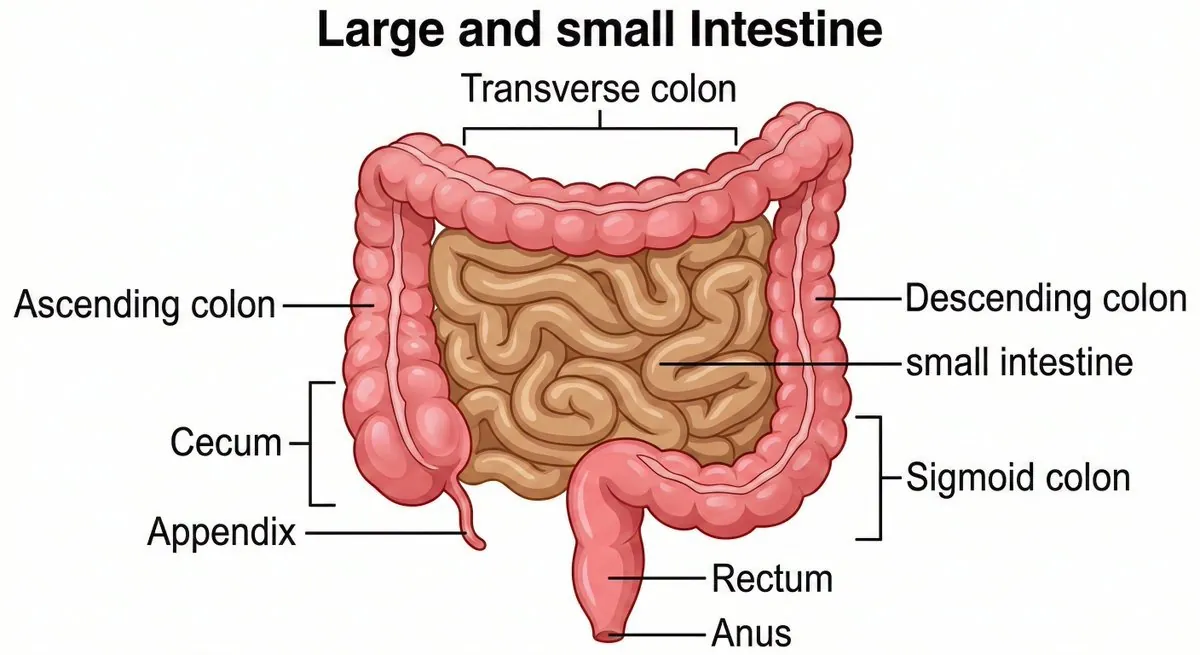
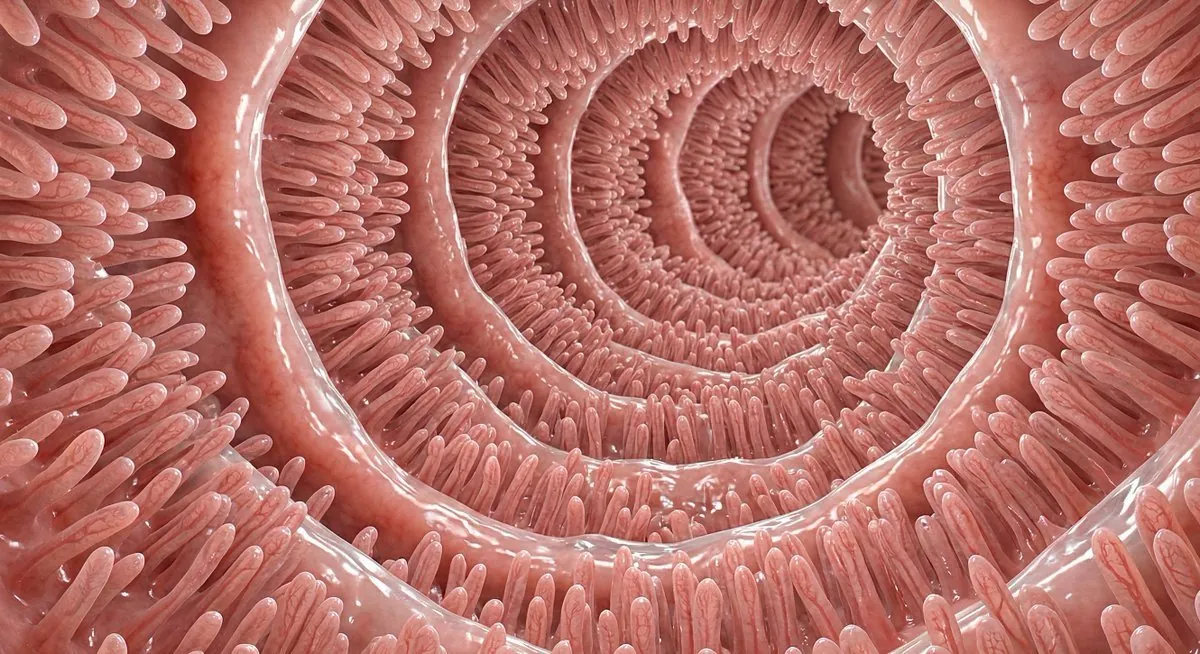
The small intestine The first step after passing the stomach, this where 90% of the food is absorbed, designed to maximize nutrient absorption. Its inner surface is not smooth but is lined with millions of tiny, finger like projections called villi. These villi are further covered by even smaller microvilli, creating brush border, This structure drastically increases the total surface area roughly to the size of a tennis court allowing the body to absorb nutrients much more efficiently than a flat tube(Large intestine). there should not be a lot of bacteria here, If there is it's a condition called SIBO(Small intestine bacterial overgrowth), It's dangerous because it messes up the ability to absorb nutrients, causes diarrhea, inflammation and leaky gut.
Simple sugars,well cooked starches, proteins and fats absorbed in the small intestine, because they absorb here the will not get to the large colon. Resistant starches and fiber pass to the Large intestine.
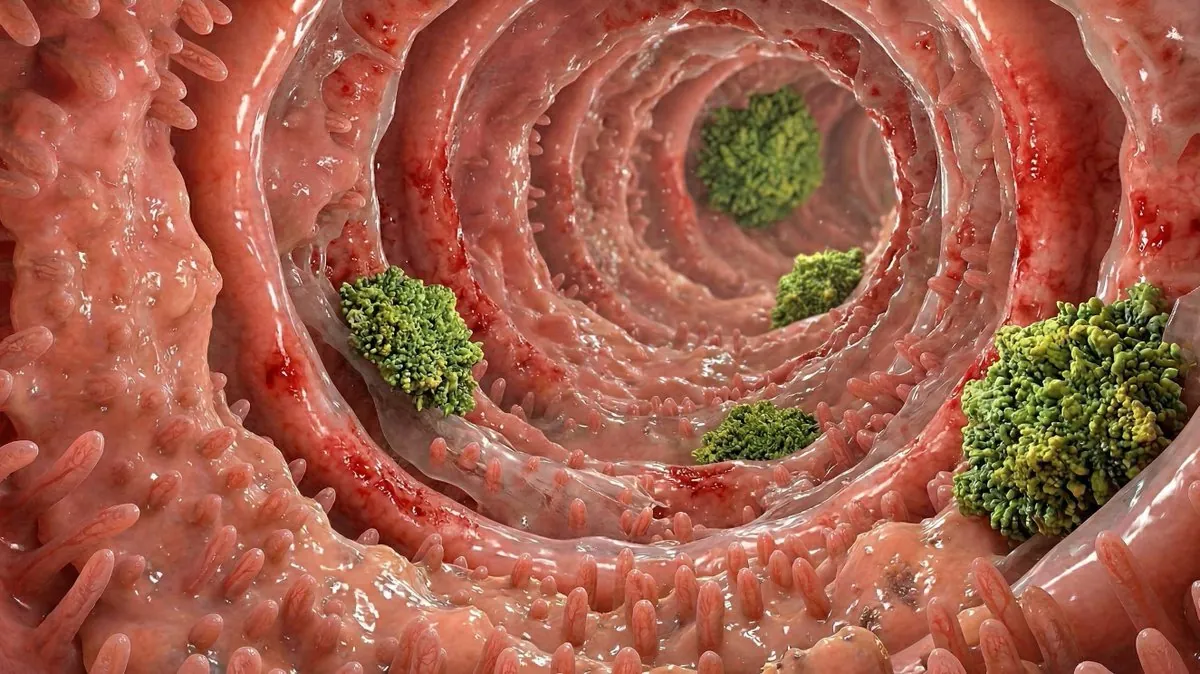
The Large intestine-colon
The body’s primary center for waste processing and water conservation. Structurally, it is shorter but wider than the small intestine, with a series of pouches called haustra that give it its segmented appearance. The colon has specialized layers of smooth muscle, and bands that work in an automated, rhythmic fashion to perform "mass movements," pushing waste toward the rectum while compacting it into solid form, their contraction is ATP dependent.
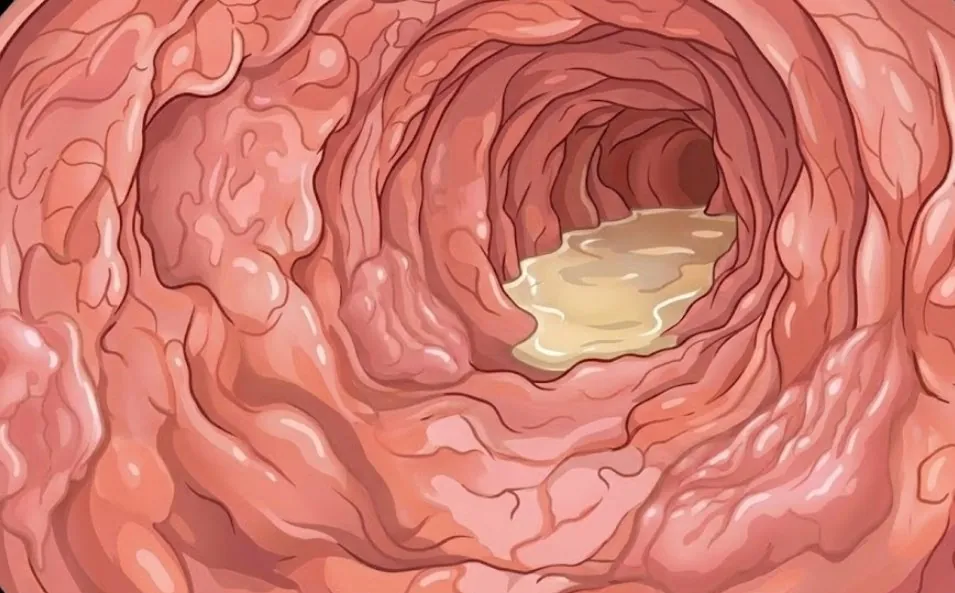
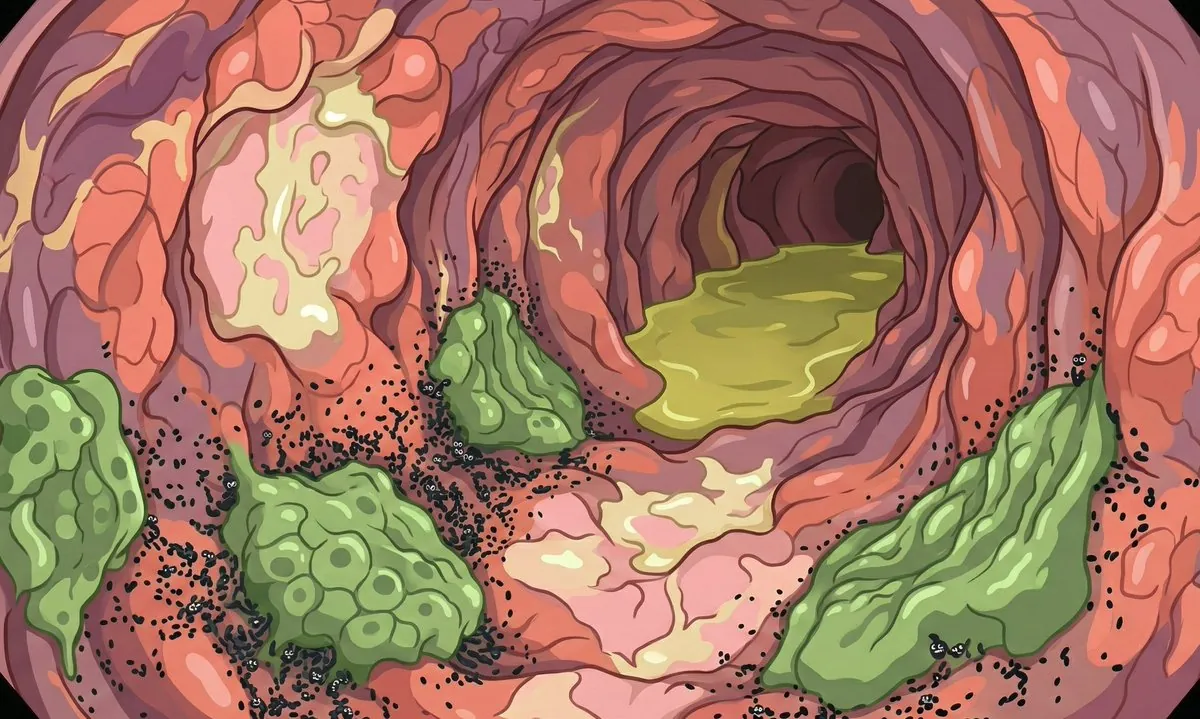
This is where all the bacteria lives, 38 trillion bacterial cells, once food reaches there, bacteria starts to ferment it and proliferate. With too much food, bacteria can begin to create Biofilms, organized communities that stick to surfaces and embed themselves within the walls. When you a salad high in soluble fiber, most of it reaches the large colon where bacteria eats it and proliferate. Legumes,seeds,brown rice,dark bread,nuts,cold potatos all contain resistant starches and soluble fibers, they pass the small intestine and reach the large intestine.
GUT MOTILITY
Healthy gut = 2-3 daily bowel movements There are 2 types of movements in the intestine
Segmentation- Mixing of the food by circular muscles Peristalsis- Wave like contraction of smooth muscles that pushes food forward.
Small intestine motility
The goal here is maximum absorption, after you eat segmentation takes over, frequent waves mixes and moves the food toward the large intestine. When it's empty, a specific pattern called the Migrating Motor Complex (MMC) takes over and sweeps leftover food and bacteria, preventing overgrowth. (This is often the "growling" sound you hear when hungry).
Large intestine motility
The colon is much slower. It mainly absorbs water and stores waste. It uses peristalsis to slowly push "food".
Gastrocolic Reflex(Mass movement)
3 to 4 times a day, usually during or right after a meal, When food hits your stomach it sends a hormonal and neural signal to the colon saying, "Make room, food is coming", A large section of the colon (about 20cm or more) contracts as a single unit. This powerfully forces the contents toward the rectum.
This a very important reflex, activated only when the stomach is acid enough.
Bacteria Types
We have in our gut 38 trillion bacteria cells, way more than our own cells, it's a huge ecosystem called the Gut Microbiome.
Every time you have a bowel movement, between third to half of the solid weight of your stool is bacteria,both living and dead,that have been flushed out of your colon.
In 1884, Hans Christian Gram discovered a technique that can be used to differentiate our gut bacteria into two main groups based on the structural differences in their cell walls.
The Gram-Staining
A purple dye + Iodine stained on the bacteria, penetrates every cell of it, Then washed with alcohol.
On some bacteria the dye complexes locked inside, permanently tinting the cell a regal purple, he called them Gram-positive bacteria.
While in other the alcohol dissolved their membrane, the purple dye leaks out completely, he called them Gram-Negative bacteria.
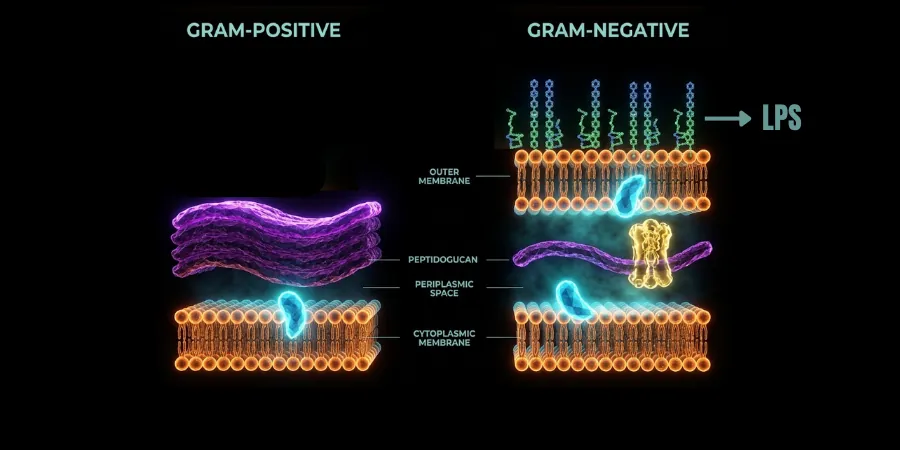
- Gram-positive bacteria have a thick wall (Peptidoglycan), they are mostly referred to as the good bacteria, which produce butyrate, they are mostly anaerobic, meaning they can't use oxygen to create energy and proliferate.
- Gram-negative bacteria have a "bulletproof vest", an outer membrane that contains LPS which protects them, when they die they release Endotoxin(LPS) which is part of their wall.
They are the bad bacteria, mainly because of their LPS, they can generate energy with and without using oxygen, this is why it's important that the Large intestine to remain in low oxygen state.
Another way to differentiate gut bacteria is the Phylum system:
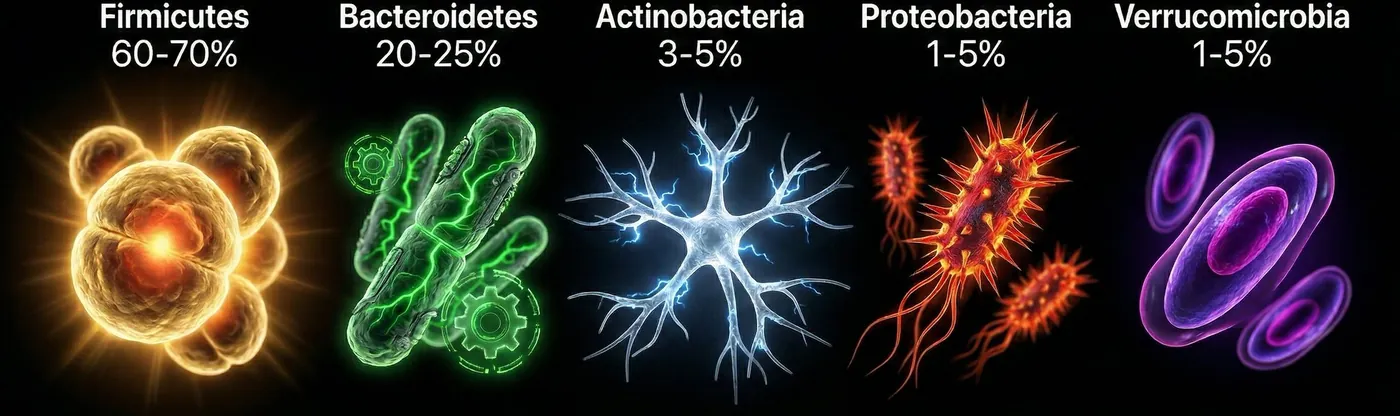
Firmicutes: 60-70% of the total microbiome, mainly Gram-Positive, they are the ones that can produce butyrate because they have the gene Butyrate-CoA transferase.
Bacteroidetes: 20-25% of the total microbiome, mainly Gram-Negative
They have genetic arsenal calles Polysaccharide Utilization Loci (PULs). These allow them to consume highly complex plant fibers and even our glycans (mucus lining), In a balanced state, they are essential for stability, but if the gut barrier is weak, their LPS enter the bloodstream and trigger inflammation, overgrowth of Bacteroidetes is strongly associated with increased intestinal permeability and gut dysbiosis.
Actinobacteria - The foundational architects of the human microbiome.
In infants they represent 90% of the total gut microbiota, while in adults 3-5%, mainly Gram-Positive, play a critical role in the early education and maturation of the immune system, They degrade Human Milk Oligosaccharides (HMOs) and complex dietary fibers that most other bacteria cannot process, can produce B9 and B12.
Proteobacteria: Gram-negative, 1-5% of our total microbiome, Includes:
Escherichia (E. coli), Salmonella, and Helicobacter, Highly toxic, inflammatory, and can trigger systemic inflammatory conditions, overgrowth of Proteobacteria is strongly associated with increased intestinal permeability and gut dysbiosis.
Verrucomicrobia: Gram-negative, 1-5% of our total microbiome.
specialize in consuming our mucus layer (mucin). This stimulates the body to produce fresh, thick mucus, which maintains a strong intestinal barrier, overgrowth can hurt our mucus levels.
These are 5 main bacteria families in our gut, all live in harmony with a very interesting food chain.
The Microbiome Cross-Feeding: Who eats first?
Primary degraders: Bacteroides
These Gram-negative bacteria possess complex genetic machinery that allows them to break down long chain dietary fibers and complex polysaccharides into simpler sugars.
They eat first
Intermediate Fermenters : Actinobacteria(Bifidobacterium), Blautia+ Lactobacillus + Streptococcus(Firmicutes).
They take the simple sugars released by the primary degraders and ferment them to gain energy, and create Lactic acid + Acetate.
Last Consumers (Butyrate Producers): Firmicutes
Unable to break down complex dietary fibers on their own, they clean-up the metabolic byproducts of earlier fermenters mainly Acetate and Lactate, turn them into Butyrate.
All Firmicutes - Clostridia Faecalibacterium prausnitzii Eubacterium rectale Eubacterium hallii Anaerostipes Roseburia
IMPORTANT: Our good bacteria, that produces butyrate, is fed only after the Gram-negative bacteria is fed, when you eat a lot of soluble fiber, or resistant starches, you directly feed the gram-negative bacteria.
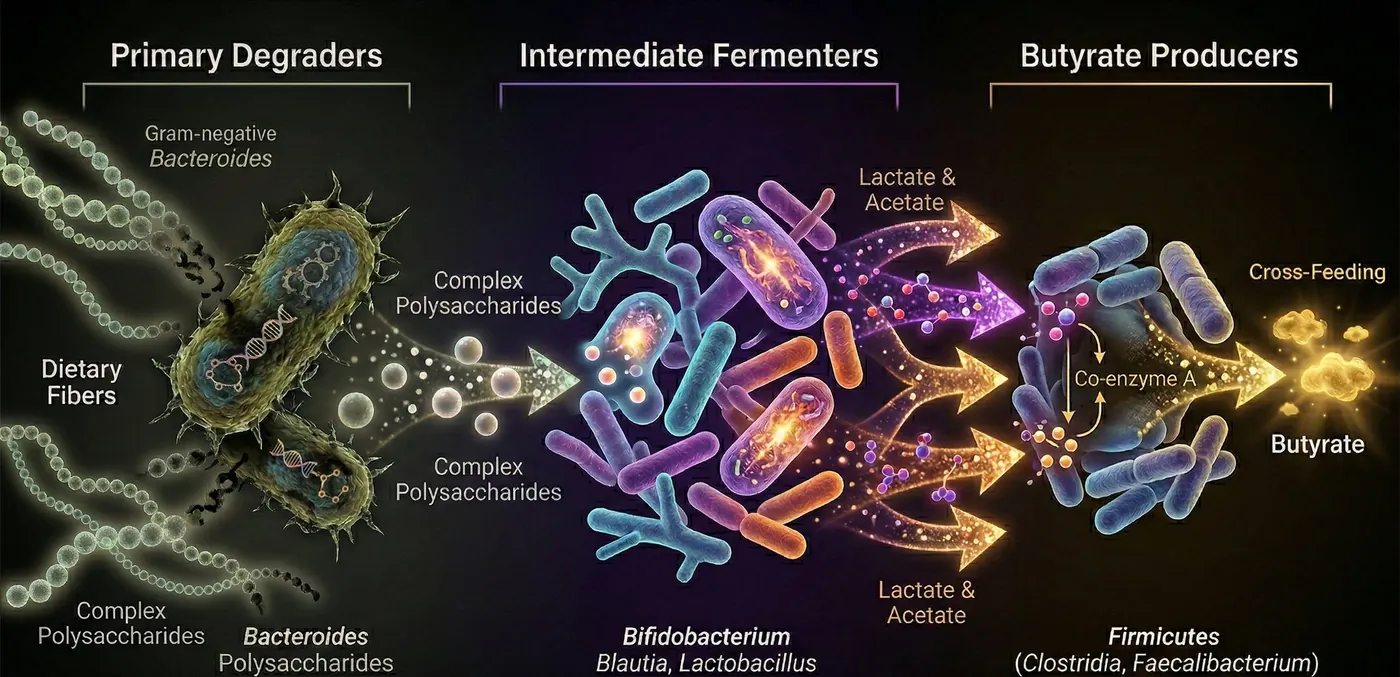
The "good" bacteria needs the "bad" bacteria, it's a beautiful ecosystem the "works" together, but because the bad bacteria is the first to eat, this can cause a problem.
FUNGUS,CANDIDA
Candida and other fungi can become a serious problem, just like the overgrowth of Gram-negative bacteria. Similar to bacteria, fungi can multiply at a rapid pace when the environment is right. However, fungi have a unique and dangerous ability: they can change their shape and grow long, root-like structures called hyphae. These "roots" can actually pierce through the intestinal wall and reach the bloodstream. Once they have access to the blood, they secure a permanent, 24/7 supply of sugar, making them much harder to eliminate and allowing them to spread throughout the body.
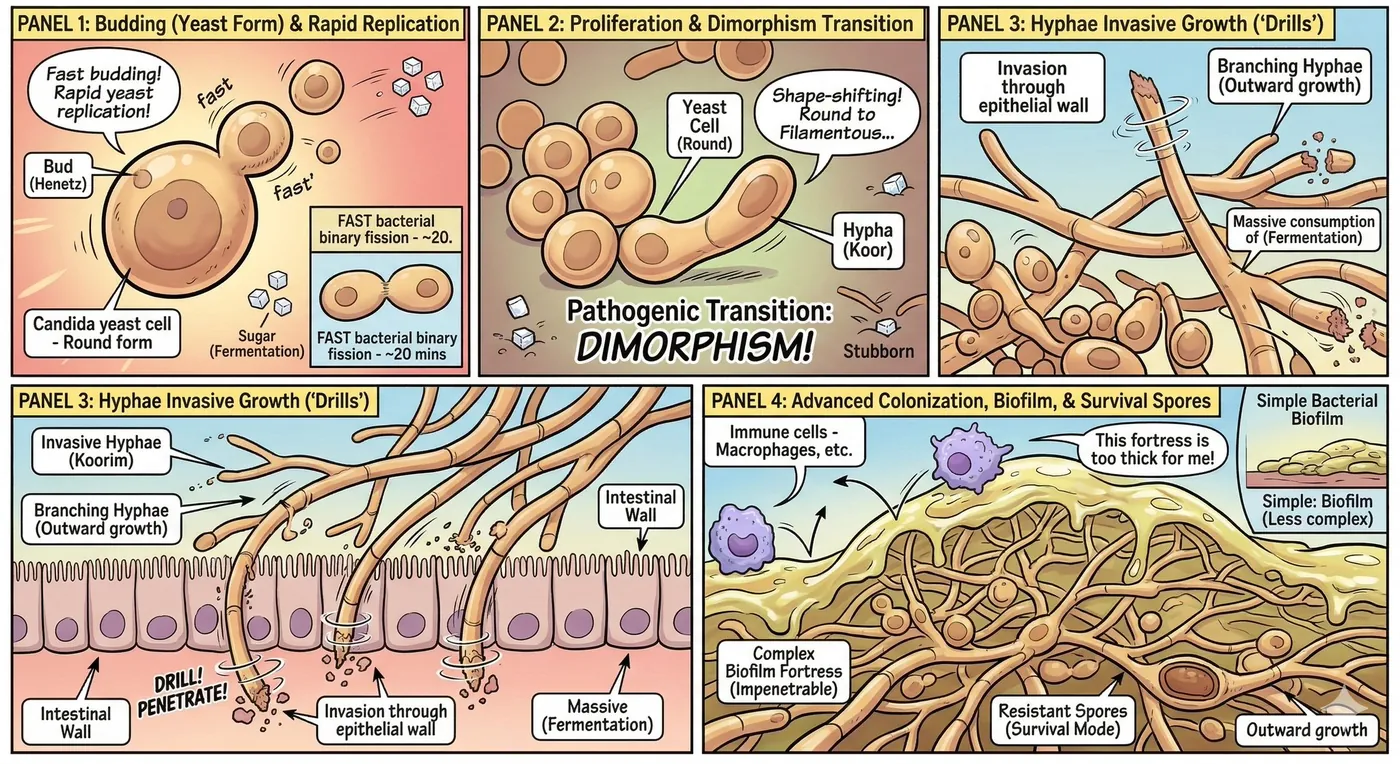
Candida primarily thrives on simple sugars. In a healthy body with a high metabolism, cells quickly take up glucose and burn it for energy. But when metabolism is slow and low (often due to high levels of polyunsaturated fatty acids or PUFAs in the blood), the cells "lock out" the glucose. This leaves a surplus of sugar sitting in the digestive tract or the blood. This unused sugar acts as an all-you-can-eat buffet for Candida, allowing it to grow and colonize areas where it doesn't belong.
Most fungi and Candida start in small amounts within the large intestine. The real trouble begins when they start to replicate excessively. Unlike many gut bacteria that hate oxygen, fungi have their own mitochondria. This means they can use oxygen to produce energy very efficiently. If the environment in the colon becomes too oxygenated (which happens during stress or inflammation), these fungi gain a massive energetic advantage, allowing them to outcompete beneficial microbes and take over.
Because Candida feeds on sugar, many people think they should stop eating sugar, this often makes the situation much worse. When Candida is starved of sugar, it becomes aggressive and starts sending out roots(hyphae) to find food elsewhere.
Once these roots cross into the bloodstream, it's game over! because your blood always contains sugar, whether you are on a Keto diet or eating a pound of sugar a day.
The smart approach is to treat it like Gram-negative bacteria, instead of starving yourself, you must raise your metabolism, increase your production of Carbon Dioxide, and restore healthy stomach acid. This changes the internal environment so the fungus can no longer survive.
Gut Dysbiosis+SIBO
The clearest sign to Gut Dysbiosis is Proteobacteria over growth: E. coli,Salmonella,Helicobacter,Klebsiella pneumoniae,Shigella. They release so much endotoxin, can cause Crohn’s disease,Inflammation, severe mucosal damage and trigger intense immune activation,ulcers and bleeding.
Proteobacteria cause gut infalmmation,When the gut is inflamed, the intestinal wall releases oxygen and nitrate. Proteobacteria thrive in this environment, while beneficial bacteria perish. They essentially "fuel" the inflammation to create an ideal habitat for themselve
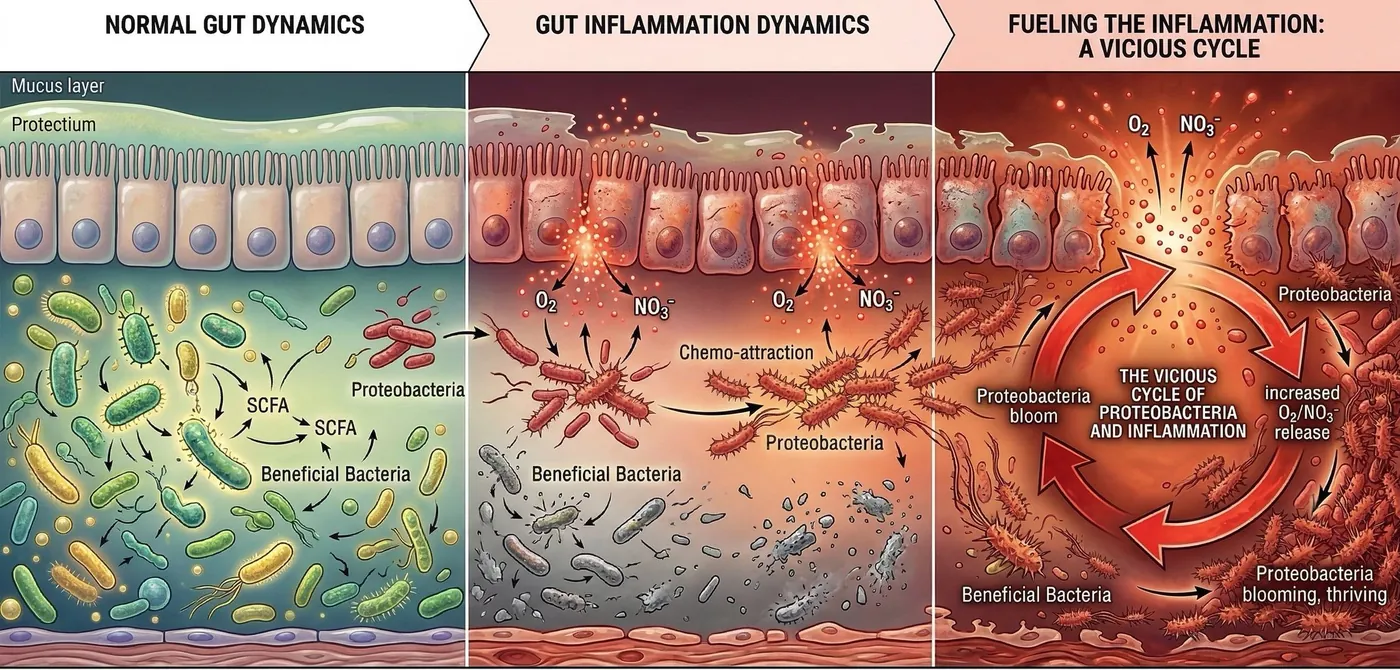
Another factor is over growth of Bacteroidetes: The "Mucus-Eaters" some types like thetaiotaomicron,fragilis,vulgatus can over consume the mucus when they are deprived from fiber, This doesn't mean that eating high fiber diet may help,because it will provide then direct food to consume and grow
If mucus production is high it is not that bad.
SIBO(Small intestine bacterial overgrowth)
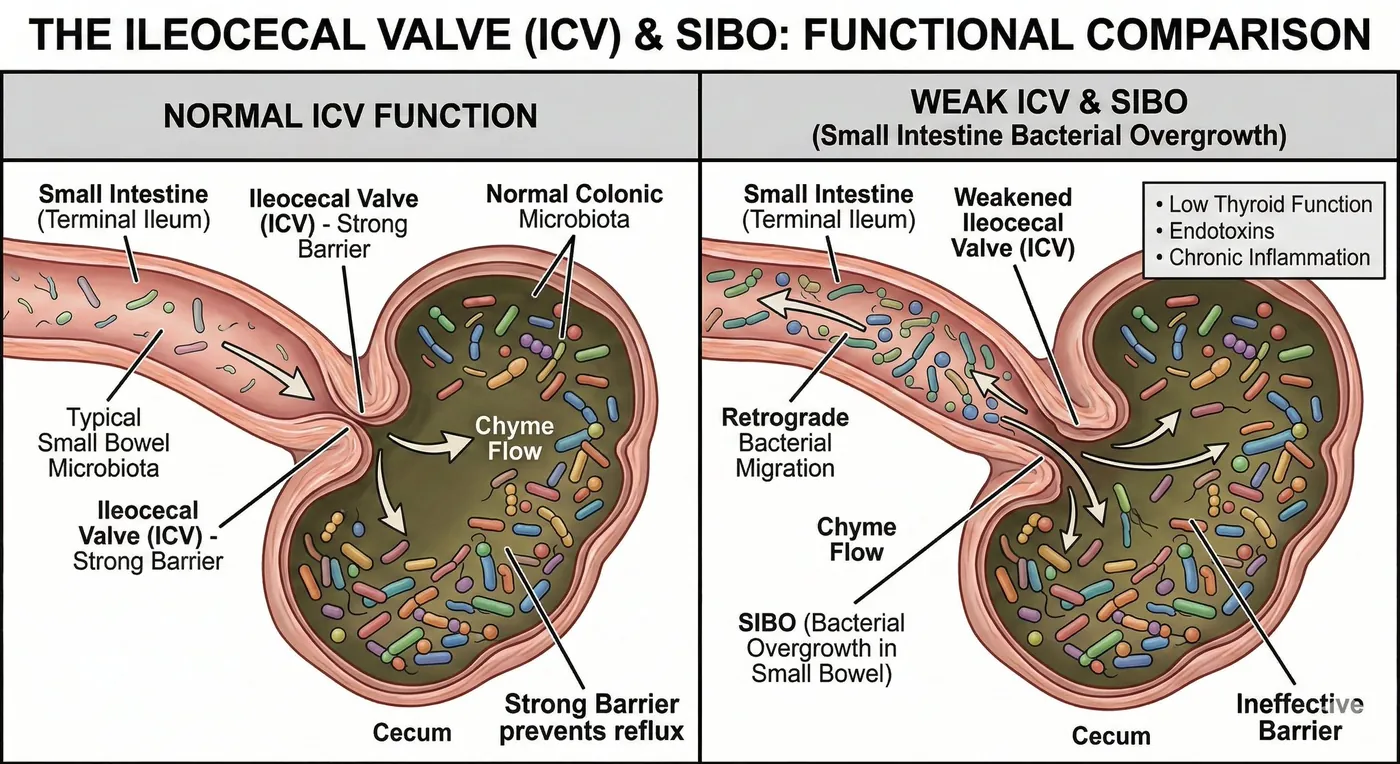
The Ileocecal Valve (ICV) is a critical barrier that regulates the flow of chyme from the small intestine into the large intestine. When it's weak, bacteria from the Large intestine can enter the small intestine, and grow.
low thyroid function, endotoxin,cortisol and inflammation weakens this valve and causes SIBO.
ENDOTOXIN(LPS)
This nasty molecule is one of the major causes in DESTROYING the gut barrier of many people.
The turnover rate of bacteria in our gut is high,some proliferate and some die, when gram negative bacteria die they release endotoxin, if the gut barrier is strong the endotoxin won't pass into the bloodstream,
Over time if the bacteria turnover rate is high,especially in gram-negative over growth, constant exposure to LPS weakens the gut barrier, some LPS penetrate into the bloodstream, cause inflammation that weakens even more the gut barrier, more LPS enters, inflammation rises and the gut barrier weakens even more.
Once endotoxin enters our bloodstream, all bets are off.
- Activates the TLR4(Tool like receptor 4), important receptor that's part of our immune system, responsible for detecting pathogens, our body goes into stress(as it should) when it activates, as it's the signal to our body that we are under attack
- Increases production of so many inflammatory mediators:
TNF-α, IL-1β, IL-6 , PGF2α , PGI2,LTB4, LTC4, LTD4
They all in turn increase inflammation,swelling and weaken the gut barrier even more. - Activate the Enterochromaffin cells to produce and release Serotonin.
- Lower testosterone and DHT production, by activating TLR4 receptors in the testicals(Leydig cells), also by lowering GnRH and LH.
- Activates the HPA-axis, to release CRH, ACTH and Cortisol
- Increases the activity of the enzyme Fatty acid synthase that creates fat for storage, mainly belly fat.
- Increases the activity of the enzyme aromatase, that creates estrogen
- Increase production of Nitric Oxide, toxic molecule that blocks oxidative metabolism
Even a strong barrier eventually gives up when LPS is production is high.
ACIDITY
In our gut, Acidity is EVERYTHING!
It's essential for the mechanical and chemical breakdown of food. low pH levels are required to activate enzymes like pepsin, which breaks down proteins into peptides and amino acids, acidity Neutralizes toxic ammonia.
If the stomach becomes too alkaline (basic), the digestive process is ruined.
In the small intestine, acidity levels is critical for quality absorption of nutrients, acidic balance is the primary defense mechanism, preventing the overgrowth of opportunistic pathogens and fungi like Candida. Without this protection, individuals are at a much higher risk of developing SIBO (Small Intestinal Bacterial Overgrowth), which disrupts metabolic health.
In the colon, acidity = healthy microbiome.
An acidic environment promotes the proliferation of beneficial bacteria while preventing overgrowth of harmful Gram-negative bacteria and yeast. acidity levels are crucial for a strong intestinal barrier
Acidity of a solution is determined by the concentration of hydrogen ions in it
Hydrogen atom has 1 proton(positive charge +1)
and 1 electron(negative charge -1)
Acidity is measured in pH(Potential Hydrogens),
by the following equation:
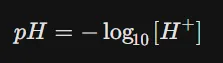
- pH < 7: Acidic
- pH = 7: Neutral(water)
- pH > 7: Basic (Alkaline)
MORE HYDROGENS IONS = MORE ACIDITY = LOWER pH
In water, Hydrogen concentration is 10^(-7) moles per liter (mol/L) So the pH is 7.
An acid is a molecule that increases the concentration of Hydrogen ions in a solution.
the Brønsted-Lowry Theory is the most common way to discuss acids in general chemistry.
- Definition: An acid is a hydrogen proton donor.
in 1923 Gilbert N. Lewis proposed a new view on acidity.
Lewis Acid
- Definition: An acid is an electron-pair acceptor
This definition is broader because it doesn't require the molecule to have a hydrogen atom at all. shifting the focus of acid chemistry from protons to the behavior of electrons. It identifies "acidity" as an electronic property.
A Lewis acid is "hungry" for electrons. In a water-based solution, it will grab a pair of electrons from a water molecule.
The Reaction: When the Lewis acid bonds with the Oxygen in the water, it weakens the bond between that Oxygen and its own Hydrogen atoms.
The Release: Because the Oxygen is now busy sharing its electrons with the Lewis acid, it can no longer hold onto its protons as tightly. Hydrogen is released as a free ion.
Result: Even though the Lewis acid didn't bring any hydrogen atoms, it forced the water to release hydrogen ions.
In our digestive tract we have 2 molecules responsible for creating an acid environment:
1. Hydrochloric acid
2.Carbon dioxide
Hydrochloric acid + CO2 in the stomach
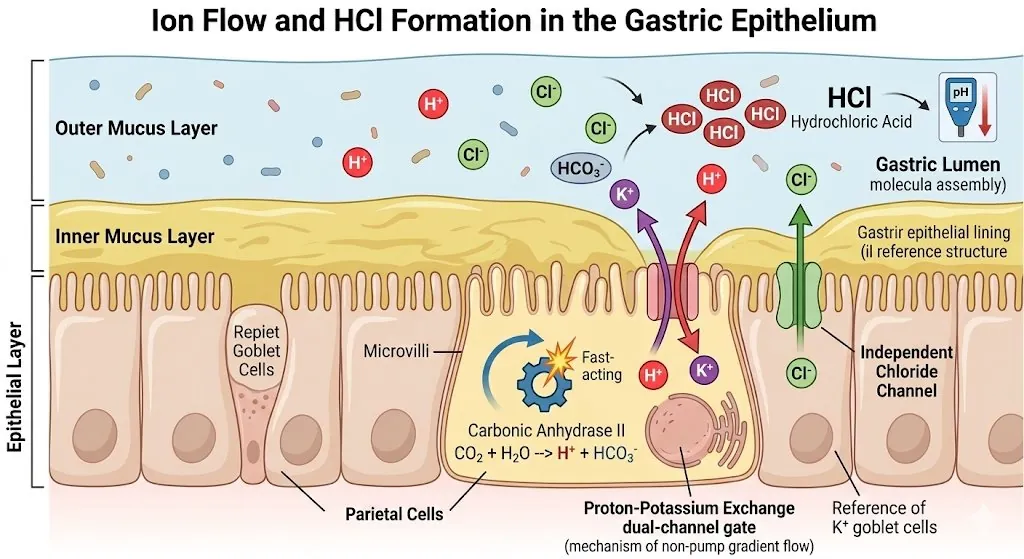
Parietal cells(Epithelial) located within the gastric lining, create
Hydrochloric acid to acidify the stomach.
Inside the cytoplasm of the parietal cell, the enzyme Carbonic Anhydrase II catalyzes a lightning-fast reaction:
CO2 + H2O ---> Bicarbonate and Hydrogen ions
Now hydrogen ions needs to exit into the stomach cavity;
A gradient is required for this action created by potassium.
This is an exchange mechanism: for every proton pushed out, potassium ion(K) enters into the cell to maintain electrical and chemical balance.
Without potassium, there is no mechanism to drive the ions into the gastric lumen to increase acidity
While the protons are being pumped out, Chloride ions move out of the cell through separate chloride channels. Because the protons carry a positive charge, the negatively charged chloride ions "follow" them into the stomach cavity to balance the overall electrical charge of the gastric juice.
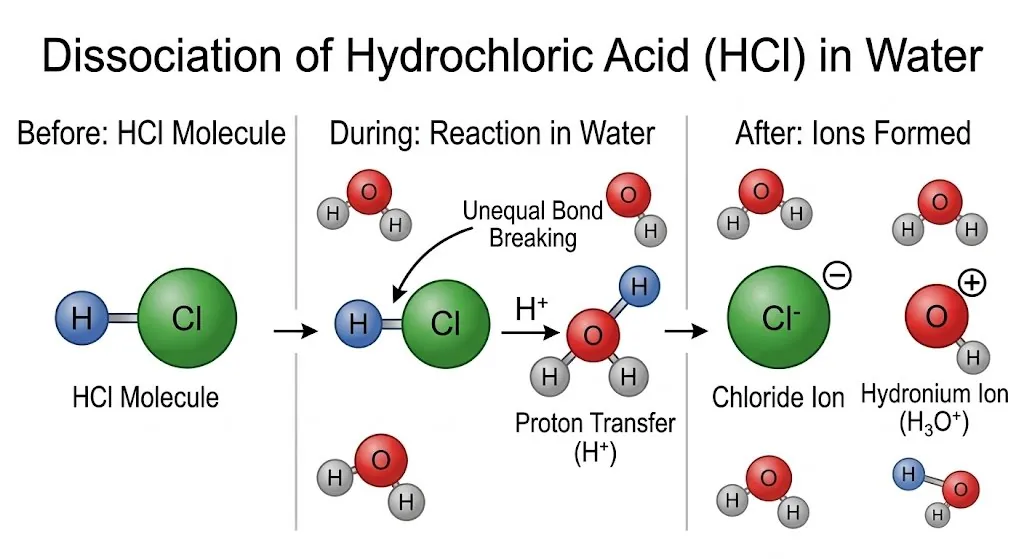
Hydrogen Chloride molecule (HCl) is made of one Hydrogen atom and one Chlorine atom held together by a chemical bond. In this bond, the Hydrogen atom provides one proton and one electron. However, because Chlorine is highly electronegative (it is "electron-hungry"), it pulls the shared electrons much closer to itself than to the Hydrogen
When H-Cl is added to water, the bond between the two atoms breaks unevenly. The Chlorine atom takes the Hydrogen's electron entirely, becoming a negative Chloride ion This leaves the Hydrogen atom naked, with a single proton
When you add millions of H-Cl molecules, each one releases an hydrogen ion into the water. This increases the concentration of hydrogen ions in the solution.
This makes H-Cl a Brønsted-Lowry acid (a proton donor)
2.Carbon dioxide in the colon
In the CO2 molecule (O=C=O), the central Carbon atom is bonded to two Oxygen atoms. Oxygen is very electronegative, meaning it pulls electrons away from the Carbon. This leaves the Carbon atom with a partial positive charge, making it "hungry" for a pair of electrons.
When CO2 reacts with water, it forms Carbonic Acid
Once Carbonic Acid is formed, it behaves like a standard Brønsted-Lowry acid. It is unstable in water and quickly dissociates (breaks apart), releasing a proton
High acidity is crucial for:
- Killing pathogens,bacteria,viruses,parasites.
- Activating the enzyme pepsin that breaks down protein so they can be digested fast and not reach the large intestine to feed harmful bacteria.
- Essential for liberating vitamins and minerals like calcium and magnesium
- chemical signal that synchronizes the entire digestive system. When the highly acidic mixture (chyme) exits the stomach and enters the duodenum, its low pH triggers the release of pancreatic enzymes and bile from the gallbladder, ensuring that the next phase of digestion is perfectly timed.
- prevents Small Intestinal Bacterial Overgrowth (SIBO) by acting as a barrier that stops bacteria from the large intestine from migrating upward
- Neutralizing toxic ammonia
Oxidative metabolism of Colonocytes(Epithelial cells) produce CO2 and lowers and Oxygen levels in the intestine, they rely on Butyric acid produced by the Firmicutes OR Glucose.
Metabolic Flexibility of the Epithelial cells is extremely important.
When their metabolic rate is low, Oxygen builds up in the intestine, which allows the Gram-negative bacteria to grow, CO2 levels drop, Intestine becomes alkaline which pushes even further pathogen grows, causing Dysbiosis.
When their metabolic rate is high, Oxygen levels will be low, CO2 production is high so the intestine is very acid, now the gram-negative bacteria can thrive and produce more butyrate, so the Colonocytes will have even more fuel to oxidize.
Gram-negative bacteria like E. coli and Salmonella, has double membrane structure that, can be protective against certain antibiotics,but quite sensitive to high proton concentrations. In a highly acidic environment, the influx of protons can overwhelm the cell's ability to maintain its internal pH. This leads to intracellular acidification, which denatures essential proteins and enzymes, halts the "proton motive force" required for energy production (ATP), and can ultimately dissolve the integrity of their outer membrane. Because these bacteria often lack acid-stress response, they are easily killed when the environment becomes too acidic.
Gram-positive bacteria (such as those from the Firmicutes phylum) are structurally different, possessing a much thicker peptidoglycan layer that provides superior physical stability against osmotic and chemical stress. More importantly, butyrate-producing bacteria have evolved to be "acidophiles" or "acid-tolerant." They utilize specialized transport proteins to actively pump excess protons out of the cell. Furthermore, their very metabolic "business model" is based on creating acid; they have optimized their internal enzymes to function best at a slightly acidic pH (around 5.5–6.5). By lowering the pH of their surroundings through butyrate production, they essentially create a "protective shield" that they can tolerate but their competitors cannot.
THE STRATEGY
1. STOP BACTERIA TURNOVER
Gram-negative bacteria just like any bacteria is an ancient form of life that proliferate by fermenting food, if you want to stop it from growing, LOWER intake of slowly digesting food like resistant starches, vegetables high in soluble fiber.
When you a salad high in soluble fiber, most of it reaches the large colon where bacteria eats it and proliferate.
Legumes,seeds,brown rice,dark bread,nuts,cold potatos, grains contain resistant starches and soluble fibers, they pass the small intestine and reach the large intestine.
Focus on high carb diet, mainly simple sugars: fruits,juice,table sugar, well cooked potatoes, this deprives bacteria from food.
But this has to be done smart because they can just consume your mucus which is ok if your metabolic rate and sugar intake are high but can be bad if not.
2.Raise metabolism
Increasing your metabolic rate is the number 1 priority
This will increase CO2 production
Increase acidity(Lower pH)
Lower oxygen in the intestine
Improves gut motility
3. Eat Soluble fiber
This fiber can not be digested by bacteria, when it reaches the colon it can grab Biofilms,bacteria and endotoxin.
Carrots,mushrooms, cooked Dark Leafy Greens,potatoes,bell peppers, they all contain also insoluble fiber.
I would focus on those as my fiber intake.
4.KILL THEM
Oil of Oregano: Contains Carvacrol that can penetrate bacteria shell and biofilms.
Antibiotics: Penicillin
Tetracyclines:Minocycline,Doxycycline,Tetracycline
Low dose antibiotics can be very effective in lowering LPS production, kill bad bacteria.
Large doses of antibiotics can be dangerous, should not be done without supervision.
Lactoferrin: binds free iron to starve pathogenic bacteria that needs it to survive,Lactoferrin directly destabilizes the membranes of harmful microbes and binds to Endotoxin (LPS), preventing it from triggering the inflammation.
OJ + baking soda - when combined together the citric acid and baking soda are strong anti-bacterial
A good sign indicating your strategy in killing bacteria works, is increase in bowel movements and volume, without diarrhea,
as Stool is composed from 30-50% of bacteria
5.Endotoxin binders
These can bind to endotoxin and other toxin and block them from entering your blood, allowing it to leave the colon.
Activated charcoal is a strong binder, if you melt in with coconut oil you will help the coconut oil to reach your colon where it acts as a strong anti-bacterial,It is rich in lauric and caprylic acids, which suppress pathogenic bacteria. A pathogen-free environment allows the "good" butyrate-producing bacteria to thrive
Carrots: also act as a powerful binder to LPS and other toxins
HDL: this Lipoprotein that many people think is the "good cholesterol" is the main binder in our body, it's made by the liver, Vit A, E and T3 are crucial for it's production
Bentonite Clay: Another good binder
6.Avoid Unsaturated fats
No omega 3, omega 6 and minimum Omega 9
Coconut oil- mainly contains Short Chain Fatty Acids, crucial for providing energy to the Epithelial cells,and is rich in lauric and caprylic acids,
Butter-contains butyrate in small amounts
Focus on those NO olive oil or seed oils
7.Lower serotonin
Serotonin is known to be involved in all gut issues, cause diarrhea, inflammation, promote the growth of Gram-negative bacteria, helps them to communicate and form biofilms.
Doing all of the above will help to lower it,
8.Take Aspirin
It's probably the most anti-inflammatory substance out there, it can be so helpful in lowering inflammation, blocking inflammatory mediators,lowers serotonin, estrogen,cortisol.
It can actually heal the gut lining and improve the gut barrier function, more on aspirin is below.
9.Address Thyroid function
Inflamed gut and endotoxin blocks thyroid function.
Low thyroid function weakens the gut barrier and slow down digestion.
In 1975 Broda Barnes wrote "Hypothyrodism the unsuspected illnes", In his book he shows a clear link between low thyroid function and weak immune system,gastric issues and inflammation.
"In graduate school, as I've indicated earlier, I worked with baby rabbits whose thyroid glands were removed in order to demonstrate the important functions of the thyroid by noting what were the consequences of its loss. And not least among the many consequences were con- tinuous sniffles, repeated acute infections, and death at an early age of pneumonia. Yet it wasn't until five years after I had completed medical school that I realized why I might be so prone to infections."
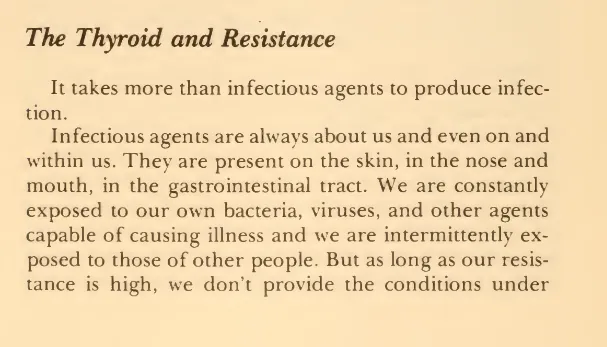
"My first medical report on the thyroid and infection was made in 1953 after I had followed for some time a group of 150 patients who had been susceptible to respiratory infections and had received thyroid therapy for low thyroid function. They not only felt more vigorous and in better general health but they experienced far fewer infections. Since then, I have seen the same gratifying results in many hundreds of others. For some, the primary com- plaint that brought them to treatment was repeated infection; for others, proneness to infection was one of a number of symptoms of hypothyroidism. No matter. Once the hypothyroidism was corrected, there was increased resistance to infectious disease."(p.92)
If you suspect your gut issues are because low thyroid issues and you have symptoms like low temperature,cold hands, and low heart rate, consider T3 T4 therapy, talk to your doctor.
10.Moderate protein intake
If your acid production is low, you are low in pepsin, th enzyme that degrades protein to shorter peptides, don't consume more than 30-40g of protein in one sitting to avoid feeding bad bacteria, 20-30g is what would be ideal for most people.
THE GOAL
1. No bloating
2. daily 2-3 bowel movements
3.High energy levels
4.Clear skin
5.Mental clarity
6.warm hands
7.resilance to infections
8.clean tongue
The gut barrier is a perfect example that
STRUCTURE = FUNCTION
I hope you'll find this helpful.
if you enjoyed consider following and re-posting this article.