How to Fix Leaky Gut: The Complete Guide to Your Gut Barrier, Bacteria, Endotoxin and Serotonin
In this article
- Why your gut controls everything
- The gut barrier: your metabolic shield
- Carbon dioxide: the gut's best friend
- Small and large intestine
- The bacteria in your gut
- Candida and fungus
- Dysbiosis and SIBO
- Endotoxin (LPS): the root cause
- Serotonin: the gut's troublemaker
- Acidity is everything
- Bile: the forgotten part of digestion
- The vagus nerve and the gut-brain axis
- What to avoid
- The strategy
- Bonus: how to fix bad breath
- What I actually do every day
- The goal
- The honest part
The final boss of your health journey is healing your gut barrier.
Energy, metabolism and mood all begin in your gut. If you are struggling with bloating, brain fog, acne, nasal congestion, allergies, a white coated tongue, gas or constant fatigue, your gut is probably compromised.
More than half of the people I talk to have a gut issue. IBS, SIBO, lactose or gluten intolerance, dysbiosis. The names are different. In my view the origin is the same: a low metabolic rate and a weak barrier.
This is the biggest article on this site. It puts together everything I have written about the gut: the articles, the study breakdowns and the posts. It is not a quick read. But if you learn how this system works and apply it, you can change your life.
This is educational content and my own experience, not medical advice. Several things I mention are prescription drugs. Talk to your doctor before you touch those.
Why your gut controls everything
Your gut has its own nervous system. Millions of neurons, wired directly to your brain. Researchers call it the brain in the gut.
Most people assume mood chemicals come from the brain. That is not the full picture.
- About 95% of the serotonin in your body is made in the gut, from the amino acid tryptophan, by enterochromaffin cells.
- A large share of your dopamine is made there too. A human study found substantial production of dopamine in the gastrointestinal tract.
Gut inflammation is linked to depression, anxiety, brain fog, obesity and thyroid problems. In young adults, lower levels of anti-inflammatory gut bacteria were associated with depression.
The mouse experiment that shows it
In 2011, researchers at McMaster University took two strains of mice. One strain is naturally anxious. The other is bold. Then they swapped their gut bacteria.
Bold mice that received bacteria from the anxious strain became more anxious and explored less. The anxious mice became bolder after receiving bacteria from the bold strain. Their brain chemistry changed with it.
A second group found the same link from the other side: mice raised with no gut bacteria at all behaved less anxiously and had different brain chemistry from normal mice.
Your gut controls your mood and your IQ. Bloating, brain fog, anxiety and poor sleep all point to gut inflammation. If you want a better mood or a sharper brain, you should probably start with your gut.
Whenever you feel irritated, your gut is probably irritated as well. Try to focus when you are bloated. It feels impossible.
The gut barrier: your metabolic shield
The gut barrier is one of the most critical structures in your body. It stands between the trillions of bacteria, viruses and undigested particles inside your gut and the bloodstream that feeds every organ you have.
It runs through the whole digestive tract, from the stomach to the colon. I focus on the colon, because that is where the highest concentration of bacteria lives.
Under stress, aging, a low metabolic rate and inflammation, the barrier weakens. Bacteria, pathogens and toxins get into the blood. Your body goes into stress mode, and with good reason, because some bacteria can be deadly. The leak lowers oxidative metabolism, the intestinal wall swells, the smooth muscles lose their ability to contract and push food, and permeability rises even more.
It is a vicious cycle. Weak barrier = constant inflammation.
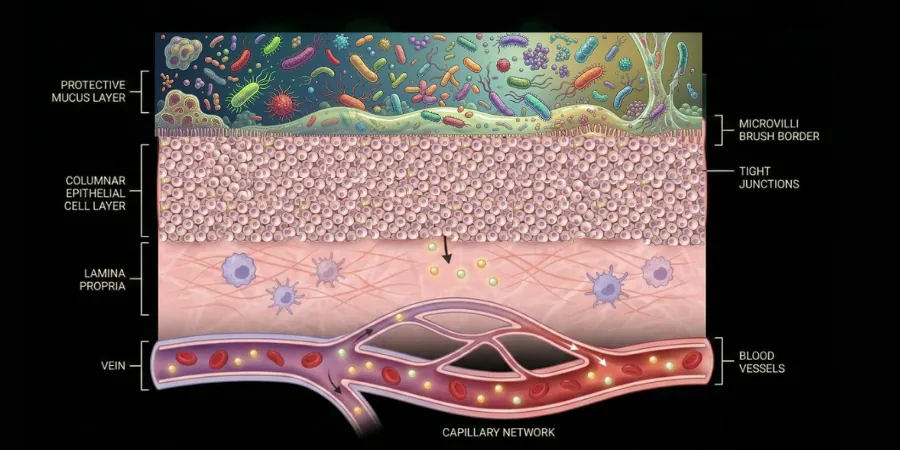
The barrier has three layers. All of them are metabolically active.
- The mucus layer: the first line of defense
- The epithelial layer: billions of cells stitched together
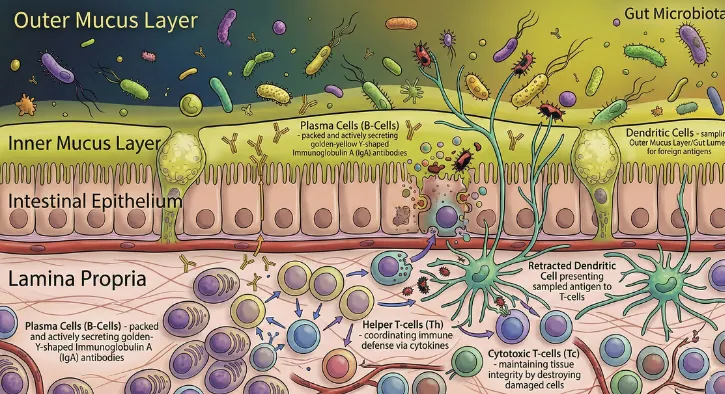
- The lamina propria: the immune backup
Layer 1: mucus
Mucus traps pathogens and stops them from attaching to the epithelial cells, so they can be flushed away.
It is built from mucins, mainly MUC2. Mucins are glycoproteins: long amino acid chains covered in sugars, with a bottle-brush shape that traps water and forms a slippery gel. MUC2 molecules bind to each other at their ends and form a dense mesh.

That mesh is about 80% sugar and 20% protein. The sugar is what protects the protein from being eaten by bacteria.
Gut mucus is literally sugar. Low carb = low mucus production.
Mucus is made by goblet cells. It is an extremely energy-intensive job. The outer mucus is constantly worn away by bacteria and friction, so goblet cells have to secrete without a break. They need a constant supply of sugar, both for ATP and as building material.
Three amino acids matter most for MUC2:
- Glycine: the smallest amino acid. It lets the mucus protein fold with extreme density and brings cysteine residues close enough to form disulfide bonds. Without glycine the structure fails.
- Proline: the structural core. It holds the protein together and lets it carry sugars.
- Aspartic acid: binds calcium, which keeps mucus compressed before it is secreted.
Eat beef gelatin. It is rich in glycine and proline.
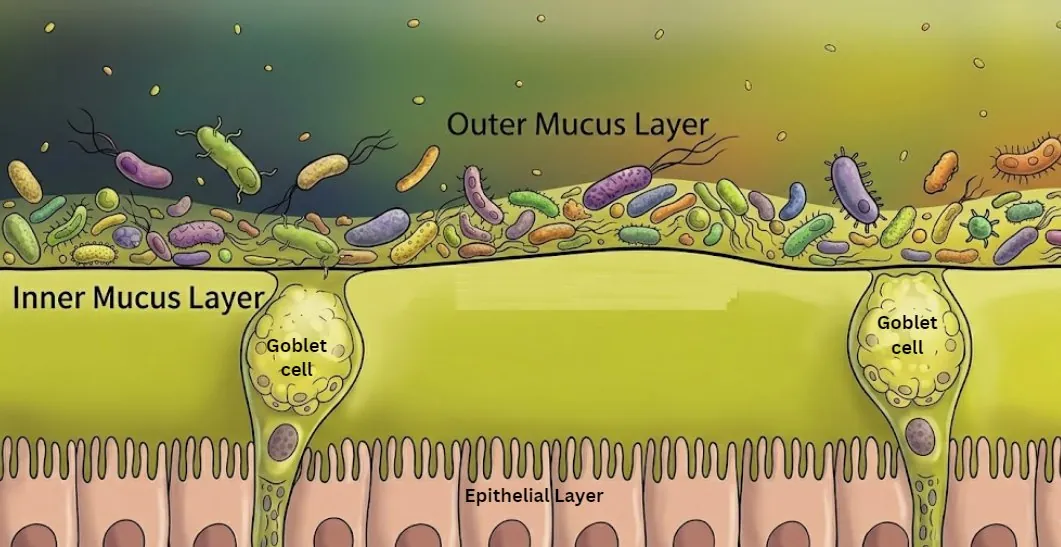
In the colon the mucus is so thick that it forms two layers.
- The inner layer is dense, gelatinous and sterile. Bacteria cannot get through it. It is constantly pushed outward by fresh mucus.
- The outer layer is loose. It forms when the inner layer is cut by enzymes. This is where the microbiome lives. Bacteria feed on its sugars, at a safe distance from the wall. It also lubricates the passage of stool.
Layer 2: the epithelial cells
About 150 billion epithelial cells line your gut. Their membranes are stitched together by protein complexes called tight junctions, which stop bacteria from passing between them.
These cells consume around 20% of all the ATP you make. They need that energy to keep their structure and block bacteria and endotoxin, while still letting food, vitamins and minerals through. Part of their fuel comes from the blood. The rest comes from short-chain fatty acids, mainly butyrate, made by the bacteria around them.
They are also replaced at an insane pace. The gut lining turns over 60 to 100 billion cells every day. Together with blood cells, it accounts for almost all of the daily cell deaths in your body. Rebuilding that much tissue every day takes energy and protein synthesis, and both depend on your metabolic rate.
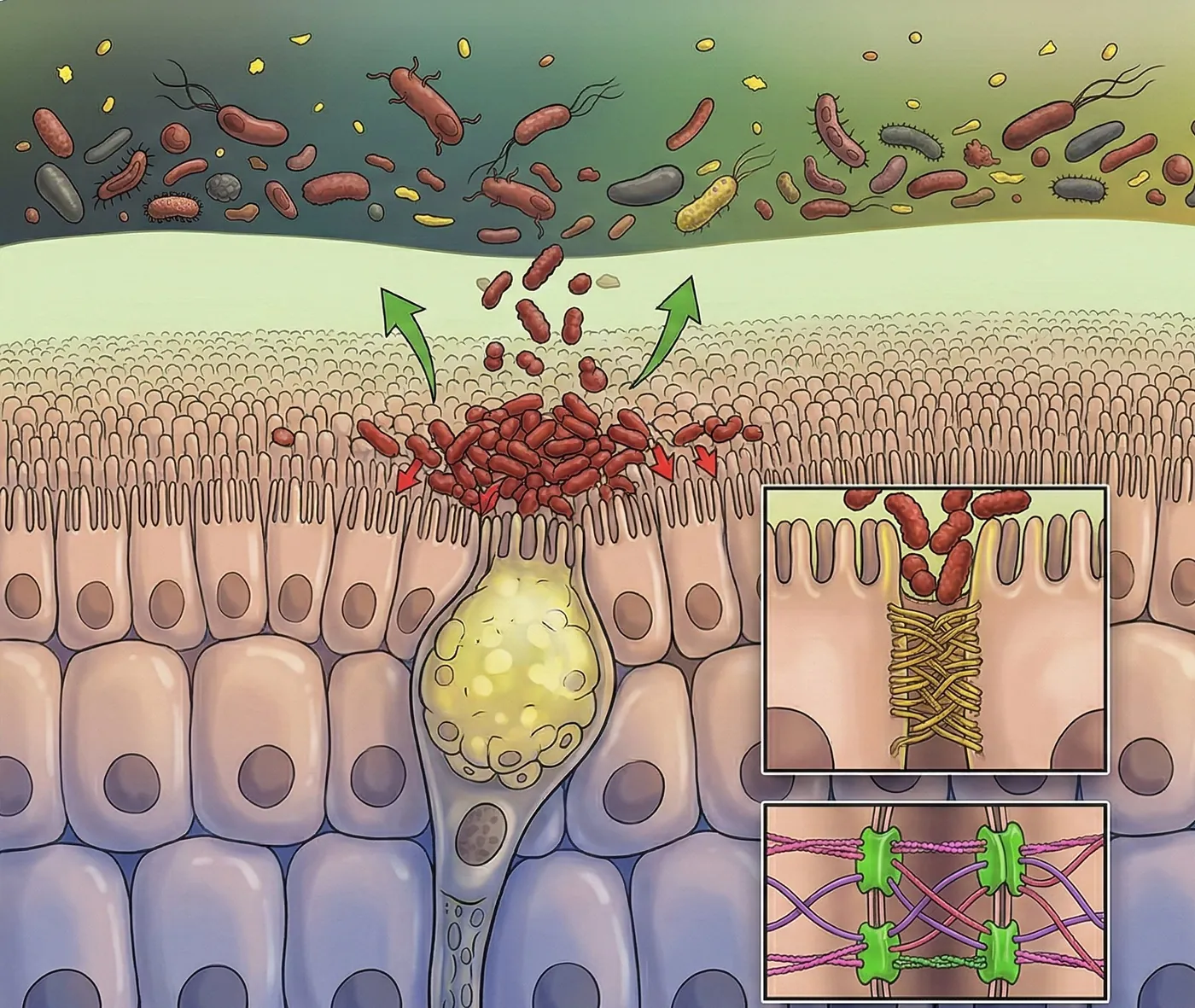
When these cells do not make enough ATP, endotoxin enters your blood.
Trying to fix your microbiome or your gut function without addressing ATP production is useless.
Two studies show this clearly.
In the first, researchers used alcohol to damage the gut barrier of mice. A second group also got nicotinamide riboside, a form of B3 that raises NAD. The B3 group kept its tight junction proteins and its mitochondrial function. More cellular energy, stronger barrier.
In the second, mice on a high-fat diet got high-dose vitamin B1 for eight weeks. B1 improved tight junction function, reduced Proteobacteria and lowered gut-derived endotoxin. B1 supports the oxidative metabolism of every cell, so it is no surprise that it helps a layer made of 150 billion of them.
Function and structure are one. The epithelial layer is living proof.
Layer 3: the lamina propria
Directly below the epithelial cells sits the last line of defense. If bacteria get past it, they are in your blood. So it is staffed by the best soldiers you have. Around 70 to 80% of your immune cells live here.
- Plasma cells (B cells) make huge amounts of IgA. This antibody is moved into the mucus, where it neutralizes pathogens before they touch the wall.
- T cells are the commanders. Helper T cells coordinate the defense. Cytotoxic T cells destroy infected or damaged cells.
- Dendritic cells are the scouts. They reach their arms through the epithelial layer, sample what is in the gut and report back.
Strong thymus = strong barrier
Every one of those immune cells is trained in the thymus. It is the academy where T cells learn to tell your own tissue from an invader.
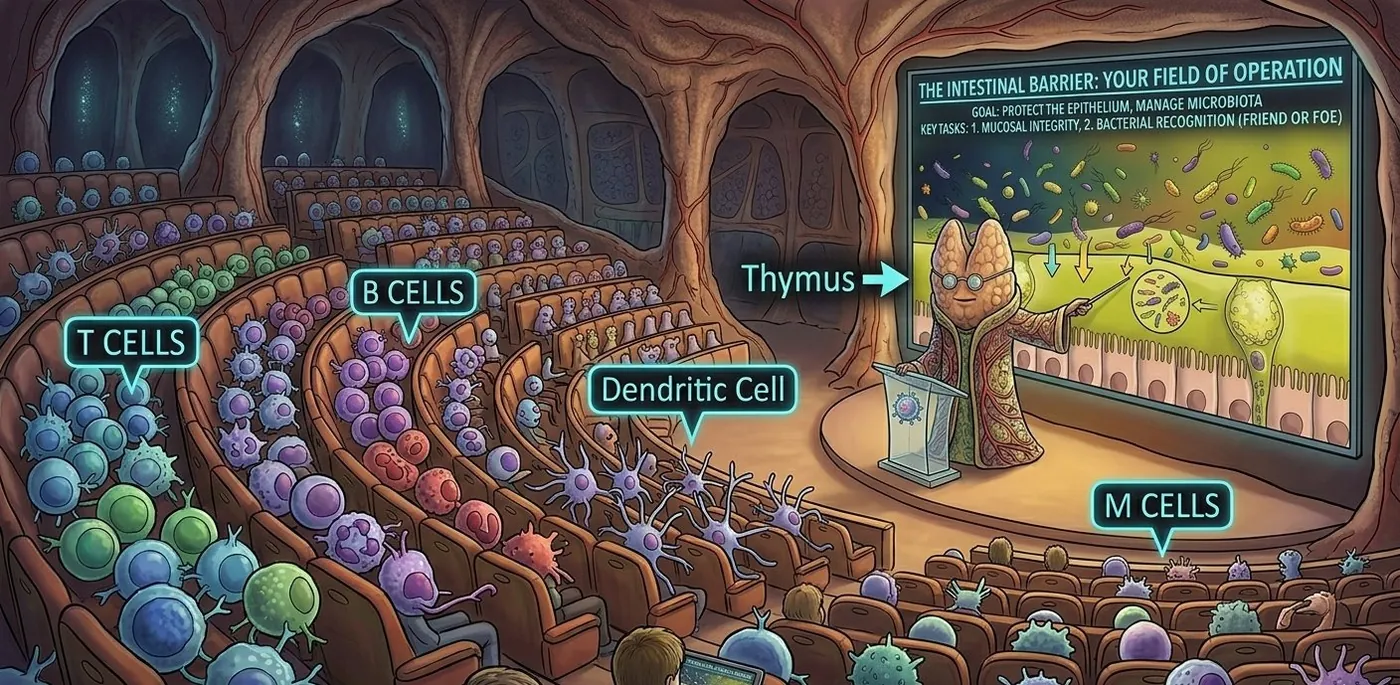
A big, strong thymus reflects a high metabolic rate. Cortisol and estrogen shrink it. Sugar is anabolic for the thymus and opposes cortisol. Progesterone, pregnenolone, DHEA and DHT protect it.
Vitamin D3 protects it too. In one animal study I covered, D3 blocked the shrinking of the thymus caused by a synthetic cortisol.
This is why I am against routine fasting. Fasting can be an OK tool for gut symptoms, but a 48 to 72 hour fast shreds your thymus. If you are young you will regrow it. If you are older, not so much.
If you get sick too often, you probably have a weak thymus, low thyroid function and a compromised gut barrier.
Carbon dioxide: the gut's best friend
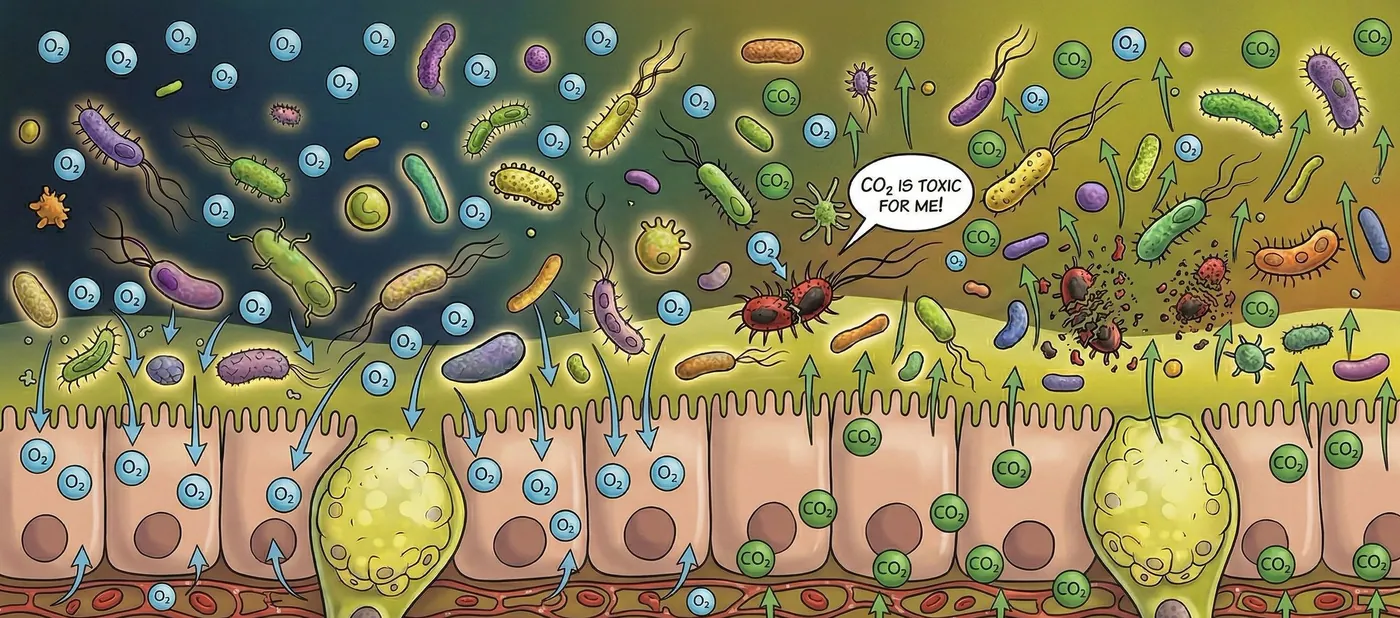
There is almost no oxygen inside a healthy colon, and that is on purpose. The epithelial cells burn the oxygen that leaks in and breathe out carbon dioxide.
Glucose and short-chain fatty acids give more ATP per oxygen molecule than long-chain or polyunsaturated fats. And burning glucose produces much more CO2 than burning any fat.
CO2 is also what gets oxygen into your cells in the first place. This is the Bohr effect, described by Christian Bohr in 1904: hemoglobin only releases its oxygen where carbon dioxide is present. Low CO2 means the cell does not get its oxygen and cannot make ATP.
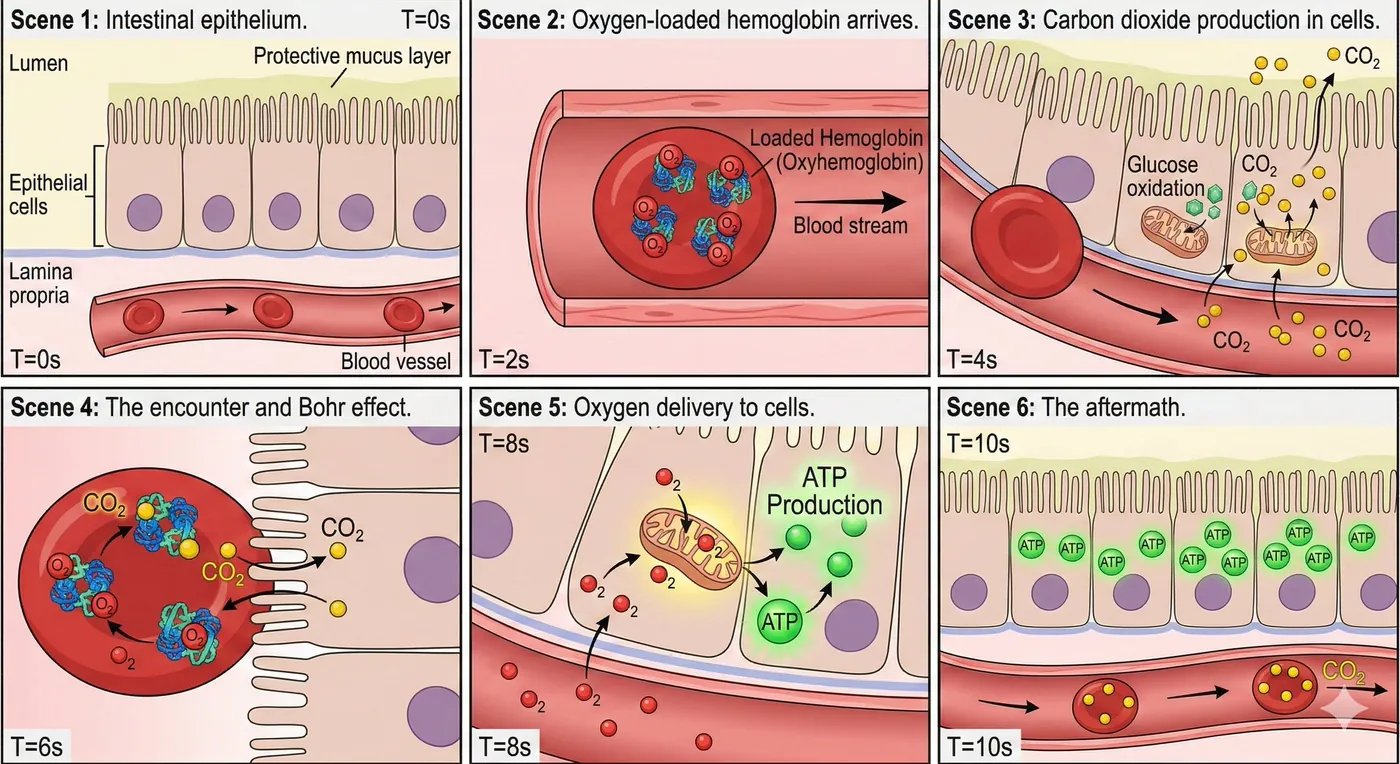
In the gut, carbon dioxide:
- Lowers pH, which favors good bacteria and kills bad ones
- Neutralizes toxic ammonia made by harmful bacteria
- Stops oxygen from leaking from the blood into the intestine
- Makes it hard for Gram-negative bacteria to multiply
- Is needed for bile acid production
- Has direct antibacterial effects
In rats, breathing in extra CO2 reduced the lung damage caused by endotoxin.
More carbs = more CO2. To be exact: the better your cells oxidize glucose, and the more carbs you give them, the more CO2 you make.
Your belly is fat and bloated because you lack CO2.
Small and large intestine
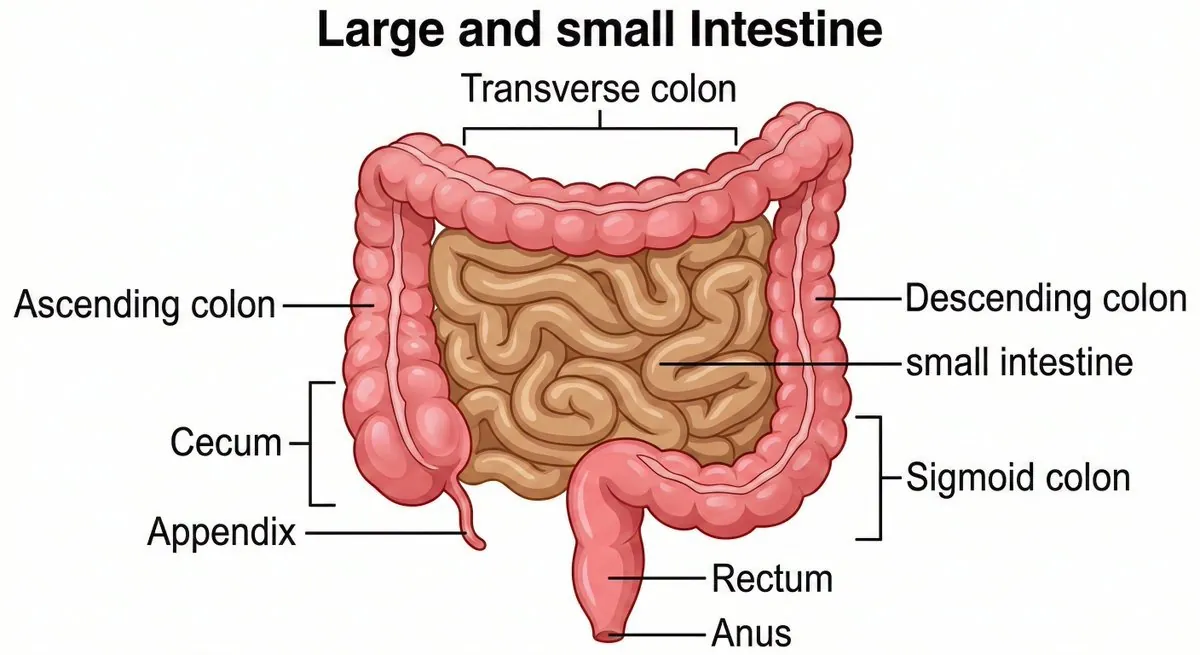
The small intestine
This is the first stop after the stomach, and it is where about 90% of your food is absorbed. Its inner surface is covered with millions of finger-like villi, and those are covered with even smaller microvilli. Together they give a surface roughly the size of a tennis court.
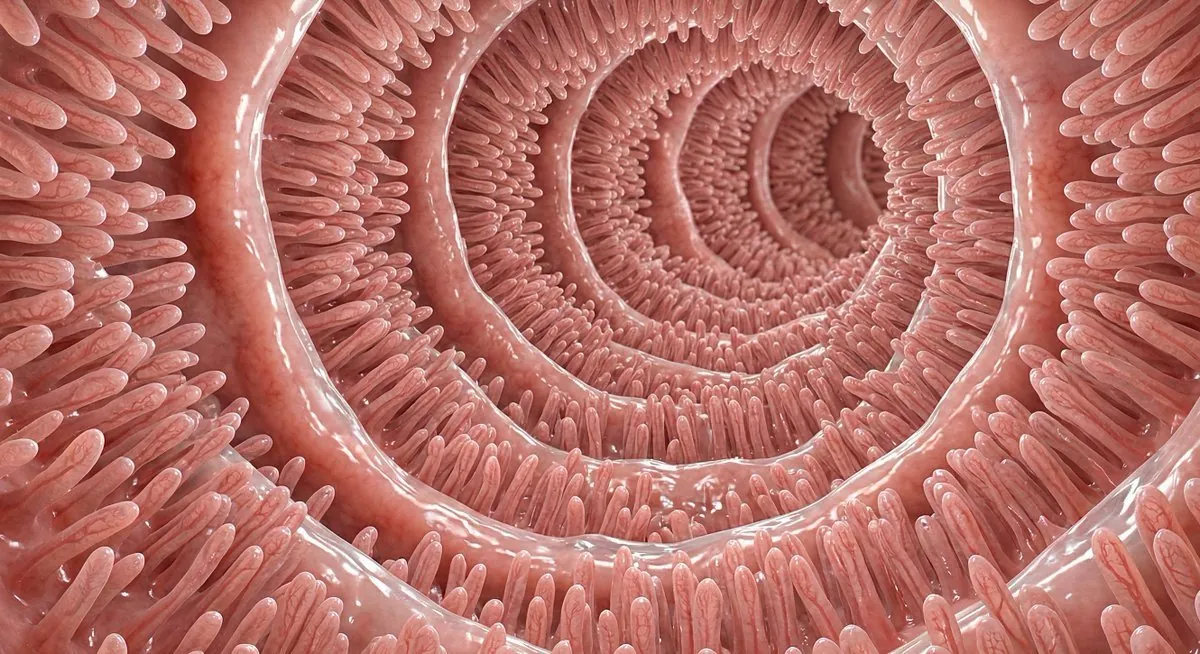
There should not be many bacteria here. Simple sugars, well-cooked starches, proteins and fats are absorbed in the small intestine, so they never reach the colon. Resistant starch and fiber pass through to the large intestine.
The large intestine
The colon is shorter but wider. It conserves water and processes waste. Its smooth muscle contracts in an automatic rhythm to push waste toward the rectum, and that contraction depends on ATP.
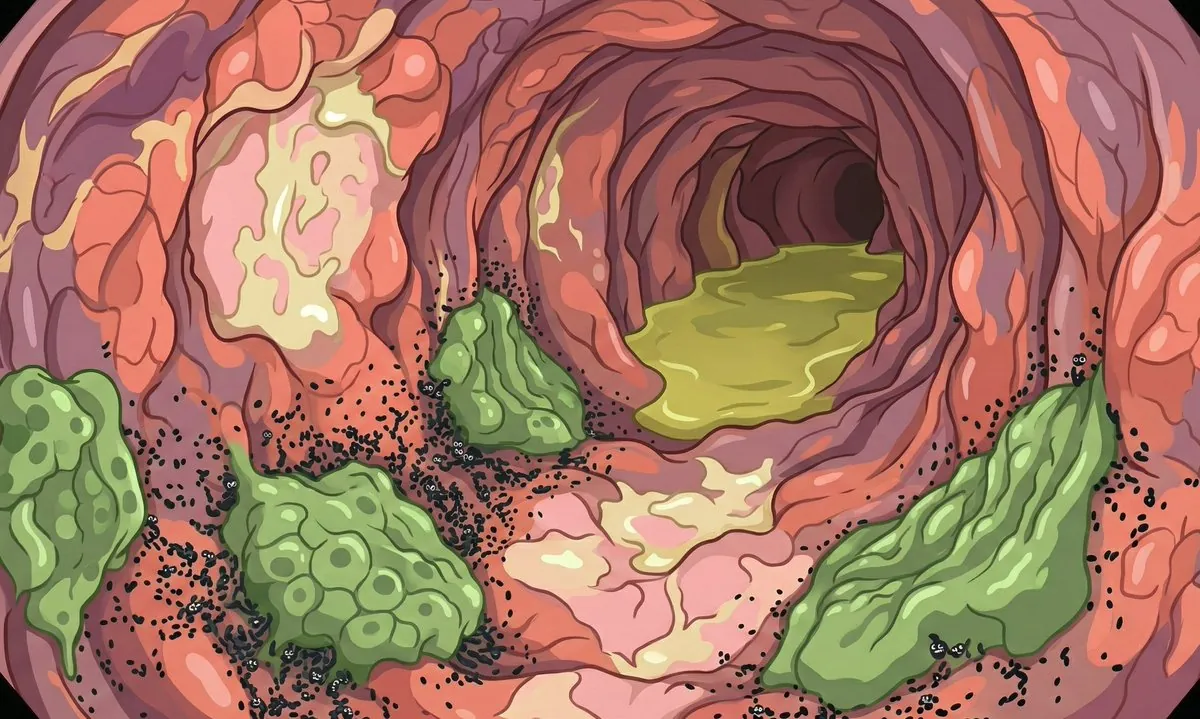
This is where the bacteria live: about 38 trillion cells. When food arrives, they ferment it and multiply. With too much food they build biofilms, organized communities that stick to the wall and embed themselves in it.
Gut motility
A healthy gut means 2 to 3 bowel movements a day.
Every time you poop you become healthier. If you are not going 2 to 3 times a day, your metabolism is low. Over time that means more and more bloating, because bacteria ferment the food sitting in your gut.
What you want is a large, soft, sausage-shaped stool. Small hard pieces or watery stool are both signs that something is off.
A quick self-check for your metabolic rate: body temperature, pulse, warm or cold hands, mood, and whether you go at least twice a day. Appetite belongs on that list too. A strong appetite is a sign of a healthy metabolism. No hunger usually means the metabolic rate has dropped and cortisol is up.
There are two kinds of movement. Segmentation mixes the food. Peristalsis is the wave that pushes it forward.
- In the small intestine, segmentation takes over after a meal. When it is empty, a pattern called the migrating motor complex sweeps leftover food and bacteria out. That is the growling you hear when you are hungry, and it is what prevents overgrowth.
- In the colon, things are slower. Three or four times a day, usually during or right after a meal, the gastrocolic reflex fires: food hits the stomach, the stomach tells the colon to make room, and a 20 cm section contracts as one unit. This reflex only works well when the stomach is acidic enough.
Cortisol slows all of this. The gut is one of the three tissues with the most cortisol receptors, next to muscle and brain. More cortisol means less bile acid, slower motility and a weaker barrier.
This is also my biggest red flag with GLP-1 drugs. They slow gut motility. Most middle-aged women already do not have a daily bowel movement. Slowing digestion even more makes it harder to clear toxins and estrogen.
Things that reliably get my bowels moving: coffee with sugar, a proper meal, and for some reason a game of chess.
The bacteria in your gut
You carry about 38 trillion bacterial cells, more than your own cells. Between a third and a half of the solid weight of your stool is bacteria, living and dead.
Gram-positive and Gram-negative
In 1884 Hans Christian Gram found a way to split bacteria into two groups. He stained them with a purple dye and iodine, then washed them with alcohol. Some kept the purple. Some lost it.
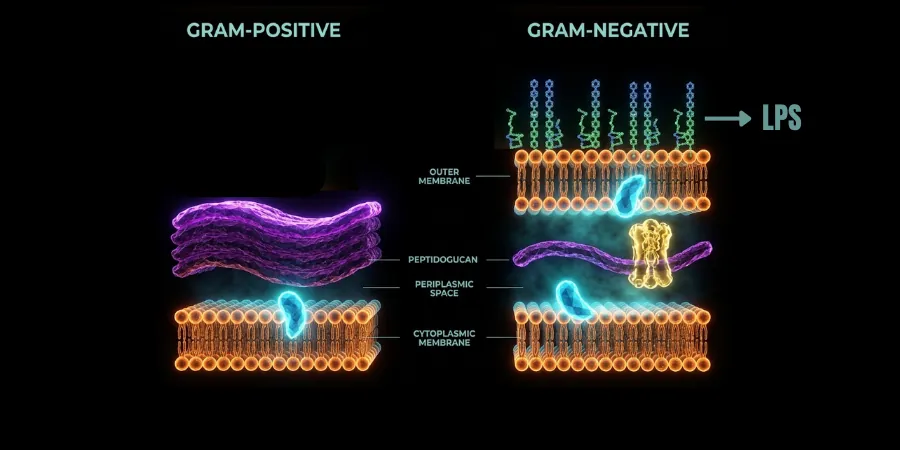
- Gram-positive bacteria have a thick wall of peptidoglycan. They are mostly the good ones. Many of them make butyrate. Most are anaerobic: they cannot use oxygen.
- Gram-negative bacteria wear a bulletproof vest, an outer membrane that contains LPS. When they die, that LPS is released. It is called endotoxin. They can make energy with or without oxygen, which is why the colon has to stay low in oxygen.
The five main families
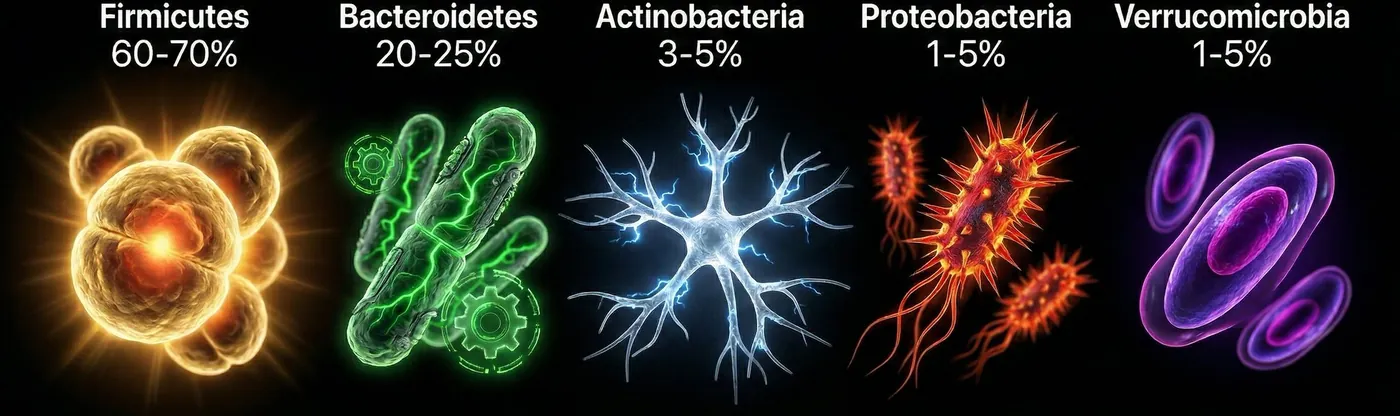
- Firmicutes (60 to 70%): mainly Gram-positive. These are the butyrate producers.
- Bacteroidetes (20 to 25%): mainly Gram-negative. They carry a genetic toolkit that lets them eat complex plant fibers and even your own mucus. In balance they are useful. When the barrier is weak, their LPS reaches the blood. Overgrowth is tied to permeability and dysbiosis.
- Actinobacteria (3 to 5% in adults, about 90% in infants): mainly Gram-positive. Bifidobacteria belong here. They train the immune system early in life, digest human milk sugars and can make B9 and B12.
- Proteobacteria (1 to 5%): Gram-negative. E. coli, Salmonella, Helicobacter. Highly inflammatory. Overgrowth is the clearest sign of dysbiosis.
- Verrucomicrobia (1 to 5%): Gram-negative. They specialize in eating mucus. In small numbers that stimulates fresh mucus. Overgrowth thins it.
Cross-feeding: who eats first?
These families live on a food chain.
- Primary degraders: Bacteroides. Gram-negative. They break long fibers and complex polysaccharides into simple sugars. They eat first.
- Intermediate fermenters: Bifidobacterium, Blautia, Lactobacillus, Streptococcus. They ferment those simple sugars into lactate and acetate.
- Last consumers: the butyrate producers. Faecalibacterium prausnitzii, Eubacterium rectale, Roseburia and other Firmicutes. They cannot break down fiber themselves. They turn the leftover acetate and lactate into butyrate.
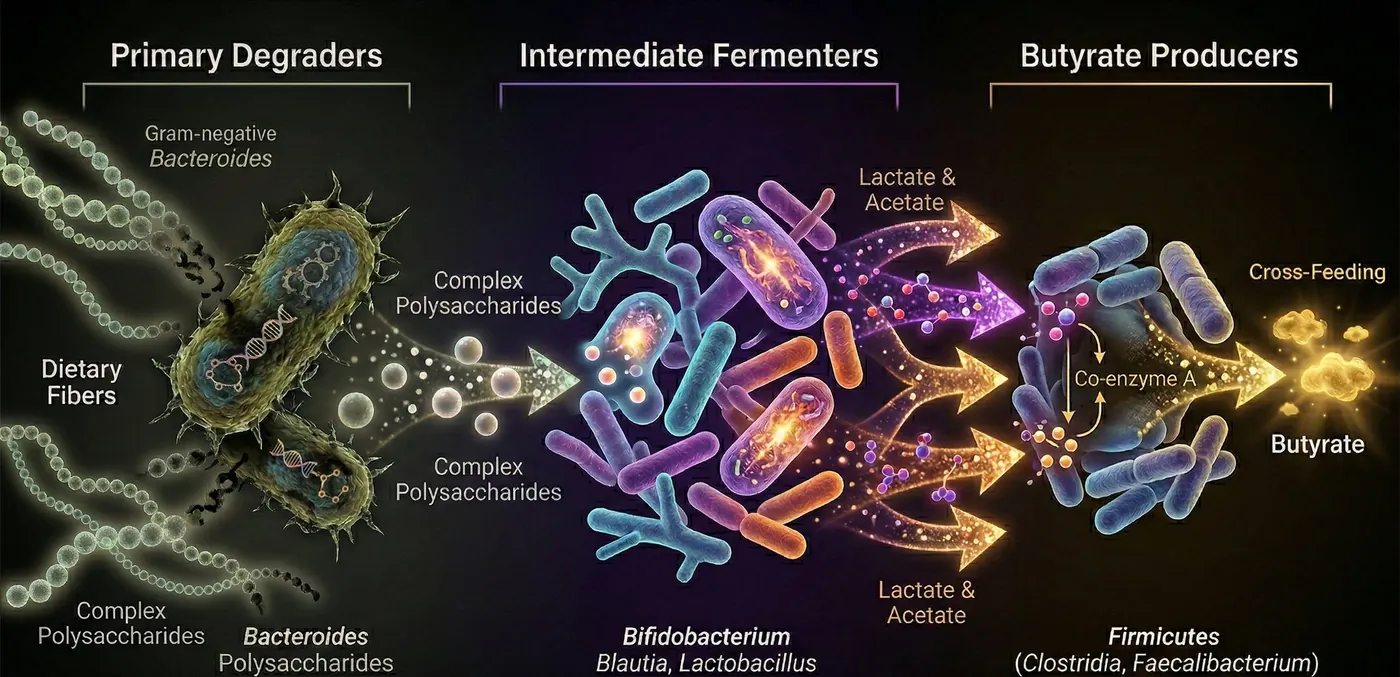
Here is the important part. The good bacteria that make butyrate are fed only after the Gram-negative bacteria are fed. When you eat a lot of soluble fiber or resistant starch, you feed the Gram-negative bacteria directly.
The good bacteria need the bad ones. It is a beautiful ecosystem. But because the bad ones eat first, it can go wrong.
Candida and fungus
Candida can become as big a problem as Gram-negative overgrowth. Fungi multiply fast when the environment suits them, and they have one dangerous ability: they change shape and grow long, root-like structures called hyphae. Those roots can pierce the intestinal wall and reach the blood.
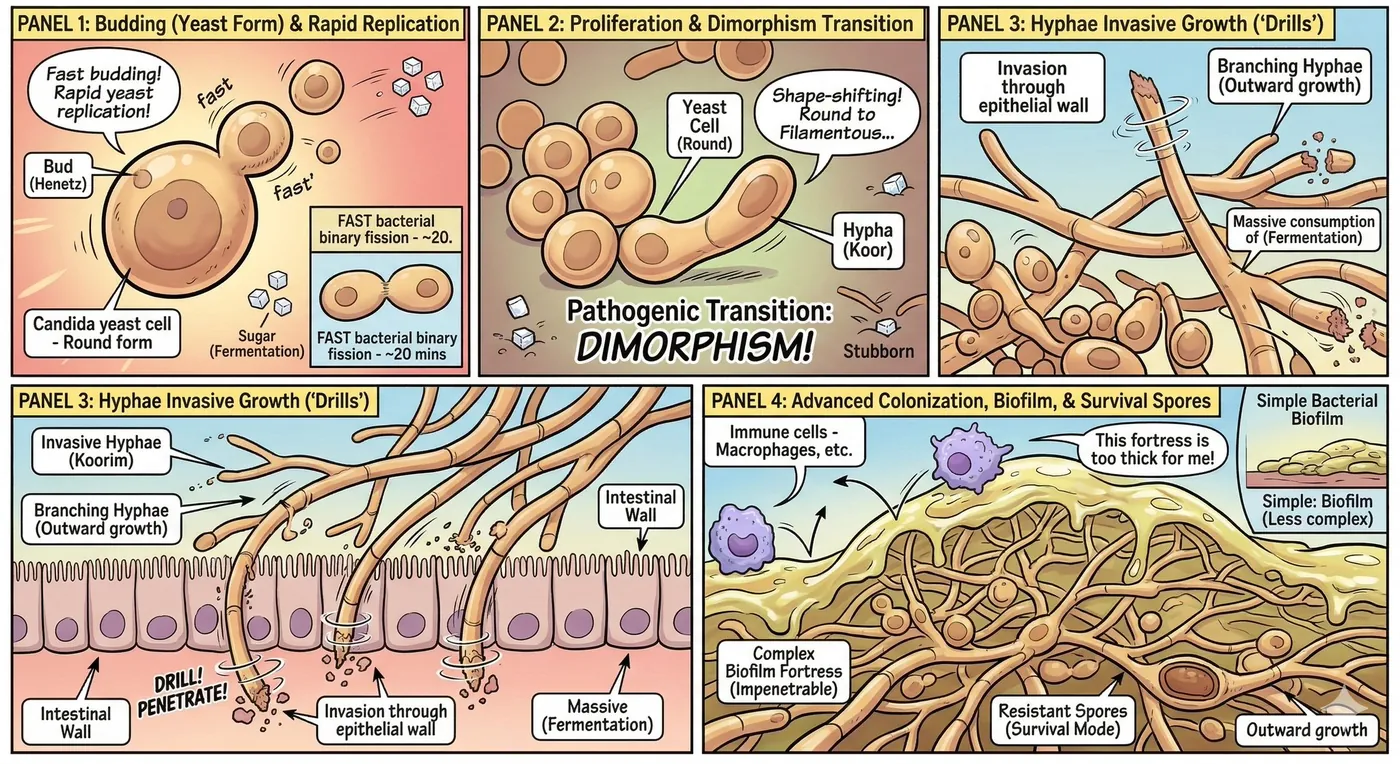
Candida feeds on simple sugar. In a body with a high metabolism, cells take up glucose quickly and burn it. When metabolism is slow, often because of high PUFA in the blood, cells lock glucose out. The unused sugar becomes a buffet.
Fungi also have their own mitochondria, so unlike most gut bacteria they love oxygen. When the colon becomes oxygenated, which happens under stress and inflammation, they get a huge advantage.
Because candida eats sugar, many people stop eating sugar. I think that often makes it worse. When candida is starved it turns aggressive and sends out hyphae to find food elsewhere. Once the roots reach your blood it has sugar forever, because your blood always contains sugar, on keto or on a pound of sugar a day.
Candida cannot be starved. The smart approach is the same as for Gram-negative bacteria: raise your metabolism, make more CO2, restore stomach acid. Change the environment so the fungus cannot survive. Niacinamide helps here by raising metabolism and CO2. I would not go above 500 mg a day.
Dysbiosis and SIBO
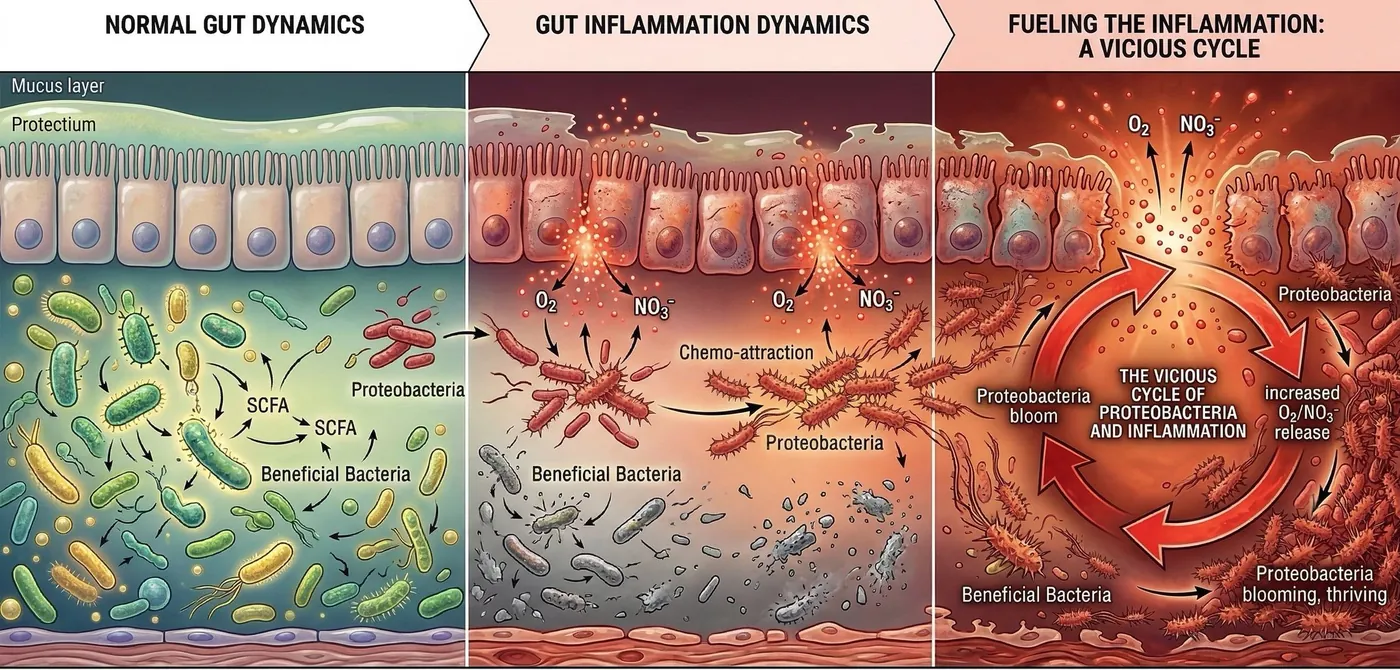
The clearest sign of dysbiosis is an overgrowth of Proteobacteria: E. coli, Salmonella, Helicobacter, Klebsiella, Shigella. They release huge amounts of endotoxin and are linked to mucosal damage, ulcers and Crohn's disease.
They also build their own habitat. When the gut is inflamed, the wall releases oxygen and nitrate. Proteobacteria thrive on both while the beneficial bacteria die. They fuel the inflammation that feeds them.
The second factor is Bacteroidetes, the mucus eaters. Some species over-consume mucus when they get no fiber. That does not mean a high-fiber diet is the answer, because fiber is direct food for them to grow on. If your mucus production is high, this is not a big problem.
SIBO
The ileocecal valve separates the small intestine from the large one. When it is weak, bacteria from the colon move up into the small intestine and grow there. That is small intestinal bacterial overgrowth.
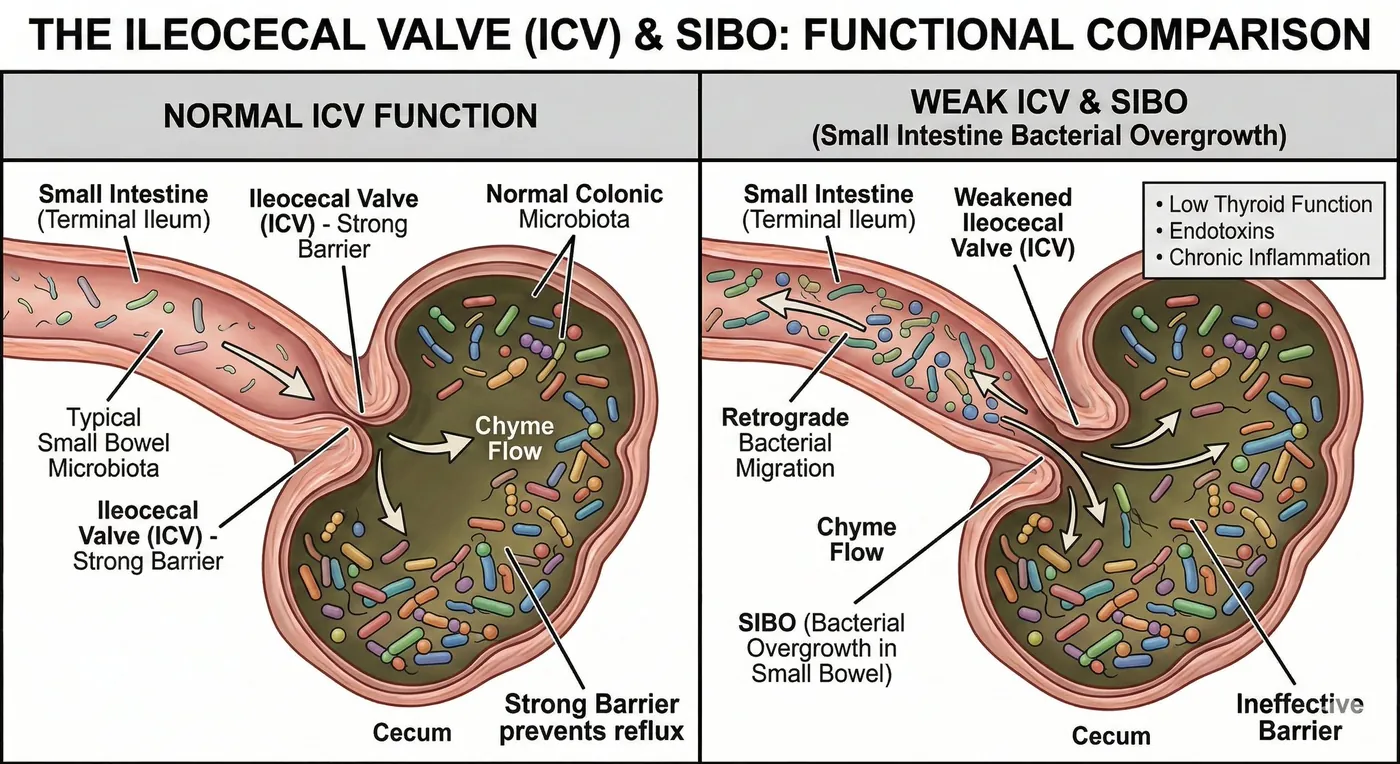
SIBO wrecks nutrient absorption and causes diarrhea, inflammation and leaky gut. Low thyroid function, endotoxin, cortisol and inflammation all weaken the valve. Low stomach acid lets it happen.
Endotoxin (LPS): the root cause
This nasty molecule destroys the gut barrier of a lot of people.
Bacteria in your gut turn over quickly. Some multiply, some die. When Gram-negative bacteria die they release endotoxin. With a strong barrier, it stays in the gut. With high turnover and Gram-negative overgrowth, constant exposure wears the barrier down. Some LPS gets into the blood, causes inflammation, weakens the barrier further, and more LPS gets in.
Even a strong barrier eventually gives up when LPS production is high.
Once endotoxin is in your bloodstream, all bets are off. It:
- Activates TLR4 (Toll-like receptor 4), the immune sensor that tells your body it is under attack
- Raises a long list of inflammatory mediators: TNF-α, IL-1β, IL-6, prostaglandins and leukotrienes
- Makes enterochromaffin cells release serotonin
- Lowers testosterone and DHT, by acting on the Leydig cells in the testicles and by lowering GnRH and LH
- Activates the HPA axis: CRH, ACTH and cortisol
- Increases fatty acid synthase, the enzyme that makes fat for storage, mainly belly fat
- Increases aromatase, the enzyme that makes estrogen
- Increases nitric oxide, which blocks oxidative metabolism
One of the main ways endotoxin triggers the stress response is through nitric oxide, which controls the response of the hypothalamus and pituitary to inflammatory signals. CRH is the first step of your main stress system.
Endotoxin also blocks glucose oxidation. In rats, an infection with E. coli and Bacteroides fragilis raised blood lactate and inhibited the PDH complex, the enzyme that lets pyruvate enter the Krebs cycle.
Nitric oxide is the main tool endotoxin uses to do its damage. At very low concentrations, nitric oxide blocks cytochrome oxidase, the last step of the electron transport chain, by competing with oxygen. Nitric oxide is toxic to bacteria, and in an infection that is useful. But it is just as toxic to your own mitochondria. In the endotoxin study above, extra CO2 also lowered the nitric oxide products in the lung.
CRH, the hormone at the top of the stress system, is involved in stress-related bowel disease. It makes mast cells release histamine and serotonin and increases the permeability of blood vessels, which is one more route to a leaky gut.
Estrogen feeds the same loop. It makes cells take up water and turn alkaline. CO2 falls, bile acid production suffers, and endotoxin crosses the gut more easily. Endotoxin then raises aromatase, which makes more estrogen.
In a study of hospitalized children that I covered, high levels of endotoxin in the blood predicted who would die within 90 days. That is how serious this molecule is.
And it is not only endotoxin that gets through a weak barrier. Undigested starch particles can enter the blood as well, and I consider them almost as harmful. This is one more reason I prefer simple sugars over starch while the gut is damaged.
The gut-penis axis is real. Endotoxin is a wood antagonist. It activates aromatase, which means less DHT and more estrogen, less muscle and more fat.
It is also why your belly does not go away. A weak barrier means inflammation, inflammation means bloating, and inflammation lowers the blood flow you need to lose that fat.
Endotoxin, PUFA and inflammation make people stink. Endotoxin is also known to cause pain, especially bone pain.
Your liver has to clean it up
The liver is the organ that removes endotoxin, excess estrogen and other toxins from the blood. Liver cells need a lot of energy and CO2 to do that.
If you are low carbing, your liver is busy with gluconeogenesis, turning amino acids into glucose. That process is driven by cortisol and produces ammonia, which is toxic to your brain. A liver that is busy making sugar cannot detox. Inflammation rises and estrogen builds up.
I covered a case of a 57-year-old woman whose liver enzymes climbed far above range after three months of keto, with an ultrasound suggesting fatty liver.
Enough carbs, animal protein and B vitamins are what keep the liver clearing estrogen and endotoxin.
Allergies and histamine
Allergies and nasal congestion are on my list of gut symptoms for a reason. Mast cells are immune cells that store histamine, prostaglandins and leukotrienes. When they dump their contents, you get an allergic reaction.
Two things decide how easily they do that: carbon dioxide and the inflammatory load coming from the gut. High CO2 keeps mast cells stable and stops them from releasing histamine and serotonin. Low CO2 is directly pro-allergy. This is also why I think sun exposure helps allergies so much.
I used to have allergies. These days I rarely get sick and I have none.
Long runs raise it too. Each step hits the gut and makes it release serotonin, which lets more endotoxin through the barrier. Add the muscle breakdown and the low carbs, and you get high cortisol and low DHT.
Healing the gut barrier is a root cause approach. It can improve every part of your health.
Serotonin: the gut's troublemaker
Serotonin is sold as the happy hormone. I see it very differently. Its main purpose is to help you survive bad times by numbing pain and lowering your energy needs.
Most of it is made in the gut, and gut inflammation triggers its release.
- Serotonin promotes intestinal inflammation. Mice that cannot clear serotonin got far worse colitis. It is tied to diarrhea, IBS and Crohn's.
- It is a signaling molecule for bacteria. Through quorum sensing, serotonin switched on quorum sensing in a Gram-negative pathogen and made it more virulent. Quorum sensing is also how bacteria organize biofilms, which protect them from your immune system.
- Injected serotonin lowered ATP in the brain in animals. This is how I explain brain fog: serotonin from an inflamed gut slows energy production in the brain.
- It raises cortisol and prolactin.
- Blocking the enzyme that makes serotonin in the gut is being studied as a treatment for obesity and osteoporosis.
The microbiome has been a hot topic for a decade. But if serotonin is not addressed, I see no point in trying to fix your microbiome.
Look at the side effects of SSRIs, the drugs that keep more serotonin active: nausea, vomiting, indigestion, diarrhea and constipation are at the top of the list. In mice, removing the transporter that clears serotonin more than doubled the deaths from colitis.
Cyproheptadine blocks serotonin and also histamine, which is another strong inflammatory mediator. For me it addresses both problems at once.
Dopamine vs serotonin
Dopamine and serotonin pull in opposite directions. In one study, L-DOPA, the direct precursor of dopamine, raised dopamine and lowered serotonin output in rats.
Gut inflammation hits dopamine from the other side as well. In human cells, inflammatory cytokines and oxidative stress reduced the transport of tyrosine, the raw material for dopamine. A bloated gut is an inflamed gut, and it tells your brain to stop making dopamine.
How I lower serotonin
- Salt and potassium. Salt restriction increases serotonin production. Sodium lowers it.
- Sugar. Sugar lowers free fatty acids in the blood. Free fatty acids increase the amount of tryptophan that gets turned into serotonin.
- Saturated fat instead of PUFA. PUFA increases the release of serotonin from platelets.
- High carbon dioxide. Hyperventilation raises the pH inside cells, and that alkalinity makes them release serotonin. Carbs raise CO2.
- Aspirin.
- Gelatin and glycine. Glycine calms inflammatory cells and stops the rise of calcium inside the cell that leads to serotonin release. It also balances the tryptophan in muscle meat.
- Vitamins A, D, E and K.
- Magnesium and calcium. Magnesium is the basic protective calcium blocker. Calcium helps turn tryptophan into niacinamide instead of serotonin.
- Higher androgens. Testosterone and DHT oppose it. Estrogen raises it.
- No resistant starch. It raises endotoxin, and endotoxin releases serotonin.
- Cyproheptadine. A prescription antihistamine that also blocks serotonin. I use 0.5 to 1 mg at night. Doctor first.
- Ondansetron. Another prescription serotonin blocker that helped me in my own experiment. Doctor first.
Acidity is everything
In your gut, acidity decides who lives.
- In the stomach, low pH activates pepsin, which breaks protein into peptides. It kills pathogens, bacteria, viruses and parasites. It frees minerals like calcium and magnesium from food. And it neutralizes ammonia.
- In the small intestine, acidity is the main defense against candida and against bacteria migrating up from the colon. Without it your risk of SIBO goes up.
- In the colon, acidity equals a healthy microbiome. It favors the beneficial bacteria and holds back Gram-negative bacteria and yeast.
Acidic chyme is also a timing signal. When it leaves the stomach and enters the duodenum, the low pH triggers the release of pancreatic enzymes and bile.
A little chemistry
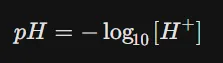
Acidity is the concentration of hydrogen ions. pH is how we measure it. More hydrogen ions means more acidity and a lower pH. Below 7 is acidic, 7 is neutral, above 7 is alkaline.
Two molecules make your digestive tract acidic: hydrochloric acid in the stomach and carbon dioxide in the colon.
Stomach acid needs CO2 and potassium
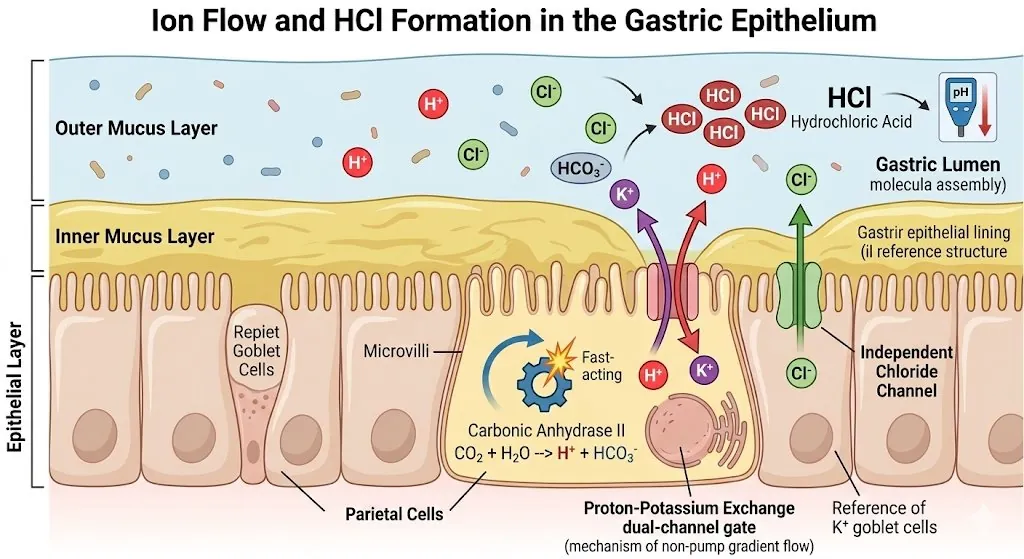
Parietal cells in the stomach lining make hydrochloric acid. Inside them, the enzyme carbonic anhydrase combines CO2 and water into bicarbonate and hydrogen ions.
The hydrogen ions are then pumped into the stomach in exchange for potassium. For every proton pushed out, a potassium ion comes in. Chloride follows the protons through its own channel. Without CO2 there are no protons. Without potassium there is nothing to drive them out.
CO2 acidifies the colon
In the colon, the acid is CO2. When CO2 reacts with water it forms carbonic acid, which releases a proton.
The CO2 comes from the oxidative metabolism of the epithelial cells, which burn butyrate or glucose. Their metabolic flexibility matters a lot.
- When their metabolic rate is low: oxygen builds up in the intestine, Gram-negative bacteria grow, CO2 drops, the colon turns alkaline and pathogens grow even more. That is dysbiosis.
- When their metabolic rate is high: oxygen stays low, CO2 is high, the colon is acidic, and the Gram-positive bacteria thrive and make more butyrate. Now the cells have even more fuel.
Why does acid hit the two groups differently? Gram-negative bacteria like E. coli and Salmonella are sensitive to high proton concentrations. Protons flood the cell, the inside turns acidic, proteins and enzymes stop working and energy production halts.
Gram-positive butyrate producers are acid-tolerant. They pump excess protons out, and their enzymes work best at a pH of about 5.5 to 6.5. Their whole business model is making acid. By lowering the pH around them, they build a shield they can live in and their competitors cannot.
Bile: the forgotten part of digestion
Bile acids are made in the liver from cholesterol. Before they are released into the intestine they are joined to one of two amino acids: glycine or taurine.
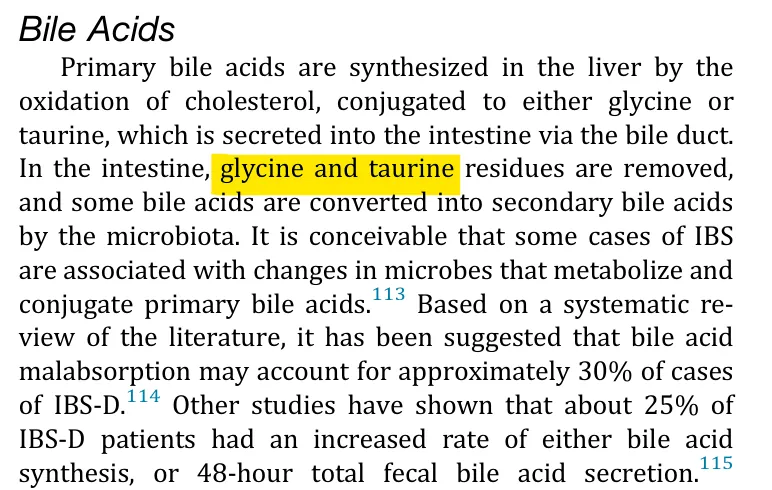
Bile does two jobs. It lets you digest fat, and it is antibacterial, so it helps keep the small intestine clean.
Bile acid problems show up in a large share of people with diarrhea-type IBS. Reviews estimate that bile acid malabsorption explains about 30% of those cases.
What bile production depends on:
- Cholesterol. It is the raw material. Without it you cannot digest your food.
- Carbon dioxide. In my view raising CO2 is the most direct way to support bile acid synthesis.
- Glycine and taurine. Gelatin gives you the first. Taurine supplementation increases bile acid production.
- DHT. The strongest androgen is important for bile acid production.
- Low cortisol and low estrogen. Both reduce bile flow.
- Blood flow to the liver.
If your bile flow is poor you absorb fat-soluble vitamins badly. In that case vitamin E can also be applied to the skin.
The vagus nerve and the gut-brain axis
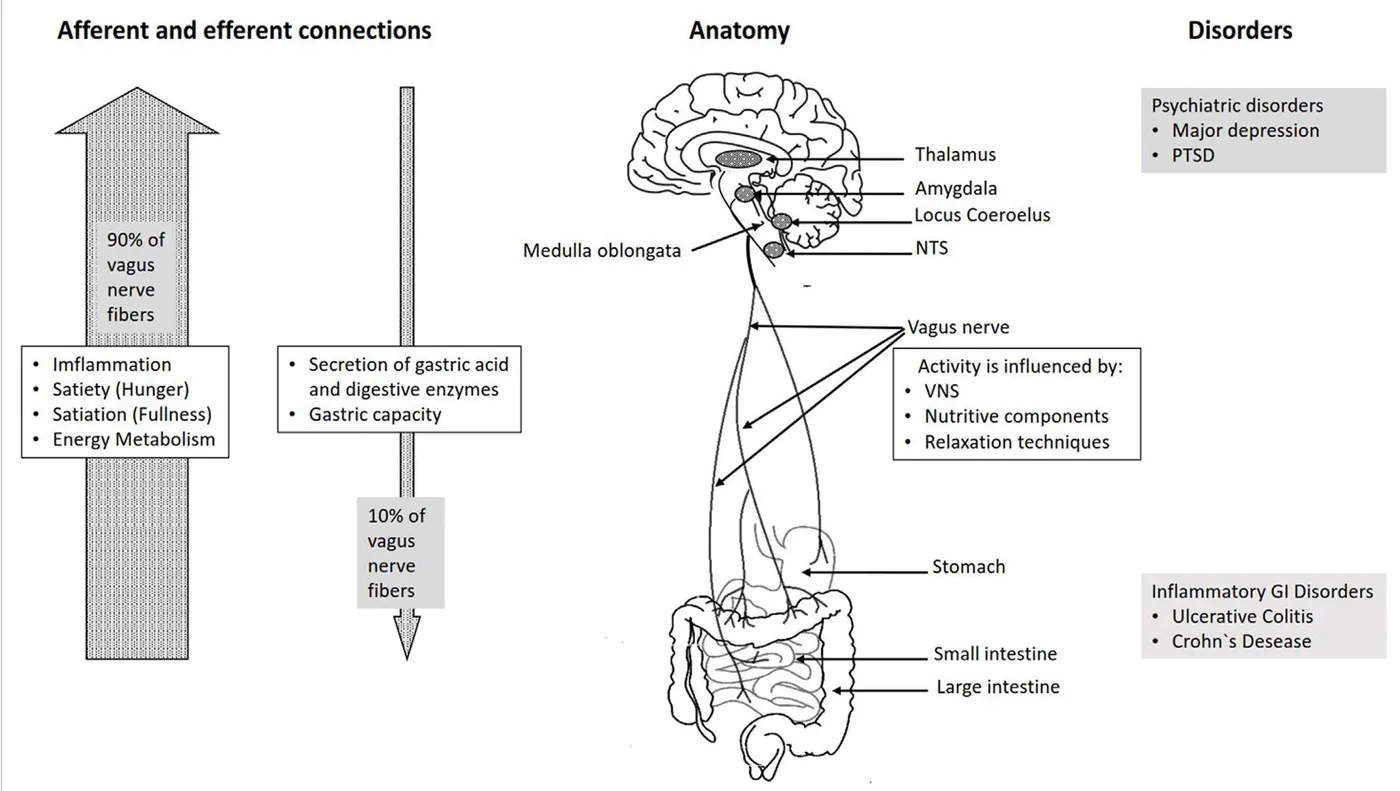
The vagus nerve is the longest nerve in your body. It connects the gut and the brain and is the main line of the parasympathetic nervous system.
Most of its traffic runs upward, from the gut to the brain. That single fact flips how we should think about mood and digestion. The gut is constantly reporting on digestion, inflammation and bacterial activity, and the brain uses that information to adjust mood, appetite and stress.
As living creatures we have two modes:
- High metabolic rate or high stress
- Rest and digest or fight and flight
- High T3 or high cortisol
- Parasympathetic or sympathetic
Vagus nerve activity = parasympathetic = high T3 = high metabolic rate. It is the nerve that tells your brain everything is OK, the gut is digesting and the environment is safe.
Stress hits the gut. A troubled gut hits the mood right back.
Cortisol works against it. I covered a study showing that cortisol lowers vagal tone. Sympathetic signals mostly travel through the spinal cord instead.
How to activate it
- Slow breathing. 5 to 7 breaths per minute raised vagal activity in 75 athletes compared with normal breathing. This tells your brain to chill, and it improves digestion and motility.
- Chewing. In a trial after surgery, chewing gum was linked to more parasympathetic activity and a shorter time to being free of complications, although the main outcome of the trial did not differ. Chew your food.
- Positive emotions. Relaxation practice and social connection are associated with higher vagal tone.
Recordings from single fibers of the human vagus nerve show it carrying constant reports to the brain. In the stomach, many of its fibers fire in the same rhythm as the stomach's own contractions.
What to avoid
Soluble fiber and resistant starch
Eating a salad or vegetables rich in soluble fiber might be one of the worst things you can do if you suspect bacterial overgrowth.
Soluble fiber slows digestion and gets fermented by Gram-negative bacteria. That means more bacterial turnover and more endotoxin.
Resistant starch and soluble fiber are high in legumes, seeds, brown rice, dark bread, nuts, grains and cold potatoes. Cooling your potatoes turns the starch resistant. Cook starches well and eat them fresh. I would also skip rice or potatoes that sat in the fridge for more than a day, because they collect bacteria and mold.
Legumes are full of soluble fiber and they are estrogenic. Chia seeds combine unstable omega-3 with a lot of soluble fiber, phytates and lectins. In terms of inflammation I do not put legumes far from seed oils.
Between the starches, potatoes beat rice. Rice bran lowers the activity of 5-alpha reductase, the enzyme that makes DHT. If you eat rice, make it white and cook it long.
When the barrier is weak, simple sugars are way better than starches.
PUFA and omega-3
I see no value in supplementing omega-3. Omega-3 and omega-6 are unstable. Most fish oil is oxidized before it reaches you, and the rest starts oxidizing in your gut and your blood.
The more double bonds a fatty acid has, the less stable it is. When PUFA is built into cell membranes it weakens them. Your cells keep bacteria and toxins out by having a stable membrane. Saturated fats have no double bonds and build the strongest one.
Sugar does not cause leaky gut. In my view resistant starch, soluble fiber and PUFA do.
Keto and low carb
Gut mucus is sugar. Low carb means less mucus, less CO2 and more cortisol. In mice with colitis, a ketogenic diet made the colitis worse and impaired the intestinal barrier.
If you are coming off keto, go slowly. Your cells need time to re-learn how to oxidize glucose. Add 20 to 50 g of carbs per week. Jump too fast and you build up lactic acid.
The rest of the list
- Ashwagandha. I threw up both times I took it. I avoid it for gut issues.
- Routine fasting. It shrinks the thymus.
- Long-distance running. It raises serotonin and endotoxin.
- Skipping breakfast. It tells your body the environment is bad.
- Too much protein in one sitting. If your stomach acid is low you are low in pepsin. Protein that is not broken down reaches the colon and feeds bad bacteria. I keep it to 20 to 30 g per meal, 40 g at most.
- Acid blockers (PPIs). Stomach acid is your first defense. The standard H. pylori protocol includes a PPI that lowers it, which is one reason I find a gentler first step interesting (see S. boulardii below).
- Metformin. Diarrhea, nausea, bloating and indigestion are among its common side effects.
- Artificial sweeteners. They have been shown to alter the gut microbiome. I use real sugar.
- Caloric restriction. Eating in a deficit signals a lack of resources. Metabolism and immune function both go down.
The strategy
By looking at the gut as a metabolic problem, the plan becomes clear. Raise energy, starve and kill the wrong bacteria, bind what they release, rebuild the wall.
1. Stop the bacterial turnover
Bacteria are an ancient form of life that multiplies by fermenting food. If you want them to stop growing, lower the slowly digested food: resistant starch and vegetables high in soluble fiber.
Go high carb, mostly simple sugars: fruit, juice, honey, table sugar, well-cooked potatoes. These are absorbed in the small intestine and leave nothing for the colon.
This has to be done smart. Deprived bacteria can turn to your mucus. That is fine when your metabolic rate and sugar intake are high. It is bad when they are not.
Eat early. A high-carb breakfast, 100 to 200 g of carbs with 30 to 40 g of protein, tells your body the environment is good. If 250 g of carbs a day feels like a wall, raise potassium, B1 and B3 and climb slowly toward 350 to 400 g.
Milk is part of this for me. I tolerate lactose well, and it has a good effect on the microbiome.
2. Raise your metabolism
This is priority number one. A higher metabolic rate means more CO2, more acidity, less oxygen in the intestine and better motility.
- Carbs. I aim for 5 to 7 g per kg of body weight.
- B vitamins. B1, B2 and B3 are cofactors for glucose oxidation. If you feel stuck raising carbs, more potassium, B1 and B3 help.
- Calcium. It raises oxidative metabolism and improves digestion. Calcium also binds irritating bile acids and fatty acids in the colon.
- Sunlight and red light. Red light on my stomach improves digestion, lowers inflammation and reverses bloating. Sunrise and sunset light on the belly is very effective.
- Sleep, 8 to 9 hours.
Minerals deserve their own line. Sodium and potassium work as a pair: sodium moves water and sugar from the intestine into the blood, and potassium moves the glucose into the cell. Potassium is also what your stomach uses to pump acid. Good sources are coconut water, oranges and dates. I take 3 to 5 g of calcium a day (milk, cheese, eggshell or calcium carbonate) and 300 to 600 mg of magnesium. My calcium intake is above the official upper limit, so treat it as what I do, not as a recommendation.
Coffee raises the metabolic rate and glucose oxidation, especially when you take it with sugar, calcium, gelatin and salt.
3. Eat the right fiber
Get your fiber from carrots and mushrooms.
Insoluble fiber is not fermented by bacteria. When it reaches the colon it grabs biofilm, bacteria and endotoxin and carries them out. Carrots, mushrooms, well-cooked leafy greens and bell peppers are my sources. I aim for about 10 g of insoluble fiber a day.
Insoluble fiber also carries estrogen out with the stool. Cook the vegetables well. Cooking them for a long time speeds up my bowel movements.
Psyllium husk does increase stool water and bowel movement frequency in chronic constipation. But it is mostly soluble fiber, so with dysbiosis I would rather use the plan here.
4. Rebuild the barrier
Beef gelatin. The first peptide you should take is beef gelatin. Run it for a few months before anything else. In mice, glycine protected the intestine against endotoxin: less damage to the villi and less cell death. Glycine also blunted TNF-α and superoxide production from immune cells, and in a lab study it made resistant E. coli vulnerable to the immune system again. I drink 20 g in warm milk with sugar when I wake up and again an hour before bed. Mix it into warm liquid, not boiling.
Any simple beef gelatin powder works. Collagen has basically the same amino acids, but I prefer gelatin. It matters most if you eat a lot of muscle meat, because glycine balances the tryptophan, cysteine and methionine in it. Glycine is also the real bottleneck for making glutathione, and it helps your cells oxidize glucose. Gelatin and sugar work together.
BPC-157. A protective peptide derived from human gastric juice. In rat studies it protected the stomach lining against alcohol, stress and NSAIDs, restored blood supply in colitis and closed fistulas. If your goal is a strong barrier with no inflammation, this is the one I reach for. I take two capsules (500 mcg each) in the morning. The details and the limits of the evidence are in BPC-157 for leaky gut.
In one rat study it was compared directly with standard ulcer drugs. BPC-157 showed greater healing than atropine, ranitidine and omeprazole.
BPC-157 Capsulesrealpeptides.coView productNiacinamide (B3). The best precursor to NAD. It supports the energy production of the epithelial cells and of mucus production. I stay under 500 mg a day.
Taurine. In mice with colitis, taurine increased goblet cells, raised tight junction proteins and blocked the TLR4 pathway. It also increases bile acid production.
Vitamin E. A meta-analysis in rheumatoid arthritis concluded that vitamin E's ability to restore the intestinal barrier may be part of how it helps. Take one with all four tocopherols. This is the one I use:
E-Complete Oral Supplementskin.foodView productVitamin D and sun. In cell and mouse models, active vitamin D protected the tight junctions. Expose your stomach to direct sunlight.
Vitamin K. It is a quinone, and quinones are hard on Gram-negative bacteria.
B1 and B2. B1 strengthened the barrier in the mouse study above. B2 is what your body builds FAD and FMN from. In mice, restoring riboflavin metabolism reduced the brain inflammation and cognitive decline caused by LPS.
5. Kill them
- Oil of oregano. It contains carvacrol, which can get through bacterial shells and biofilm.
- Lactoferrin. An iron-binding protein. It starves bacteria of iron and binds LPS. In mice with colitis, lactoferrin lowered inflammation and protected the colonic barrier.
- Coconut oil. Rich in lauric and caprylic acid, which suppress pathogenic bacteria.
- Orange juice with baking soda.
- Low-dose antibiotics. Penicillin, or tetracyclines like doxycycline and minocycline. In my experience a low dose of doxycycline made a big difference to my digestion. I use it to keep my small intestine as clean as possible. These are prescription drugs. Large doses can be dangerous and should not be done without supervision.
Why doxycycline: it blocks protein synthesis in bacteria, so they cannot divide and gradually die. It also lowers endotoxin and inhibits aromatase. Combined with a binder and a good probiotic, it changed my digestion.
Two warnings from my own experience. Gut bacteria are opportunistic, so a gut that is wiped clean can let Gram-negative bacteria come back first. And I would not take large doses of anything in this section without testing and without a strong reason to suspect high endotoxin.
A good sign that it is working: more bowel movements and more volume, without diarrhea. Stool is 30 to 50% bacteria.
6. One probiotic I like: S. boulardii
Saccharomyces boulardii is a yeast, not a bacterium. It has more human trials than most gut supplements.
- SIBO with IBS: in 54 patients, S. boulardii on top of dietary advice cut hydrogen on the breath test by 41% against 29%, and fewer patients had diarrhea (26% against 48%).
- IBS with diarrhea: in 72 patients, six weeks of S. boulardii lowered TNF-α and IL-8 in blood and gut tissue, raised anti-inflammatory IL-10 and improved quality of life more than placebo.
- H. pylori: in 100 infected patients, two weeks of S. boulardii alone cleared the infection in 28%, against 2% with no treatment.
- Joint pain: in 70 overweight people with knee osteoarthritis, 12 weeks of S. boulardii reduced pain, CRP and oxidative stress. The gut reaches everywhere.
For some reason, 50 mg of doxycycline with S. boulardii improves my mood.
7. Bind the endotoxin
Binders grab endotoxin and other toxins in the gut and carry them out before they reach your blood.
- Activated charcoal. In the lab it adsorbed a toxic E. coli strain and its toxin within minutes, and bound the normal flora much less. It works very well for diarrhea and bloating. Melt it into coconut oil and it helps the oil reach your colon. I put some in my Coke a couple of times a week.
- Raw carrot.
- White button mushrooms.
- Bentonite clay.
- HDL. People call it the good cholesterol. It is a lipoprotein made by the liver, and it is the main shuttle that carries endotoxin to the liver for detox. Vitamin A, vitamin E and T3 are needed to make it.
8. Fix your fats
No omega-3, no omega-6, and minimal omega-9. No seed oils and no olive oil.
- Coconut oil as the main fat. It is rich in medium-chain fats that are easy to burn, and it is antibacterial.
- Butter. It contains a little butyrate.
9. Aspirin
In my view aspirin is the most useful anti-inflammatory there is. It blocks the COX enzymes that make prostaglandins, and I use it to lower serotonin, estrogen and cortisol. I pair it with vitamin K and glycine.
How I take it: dissolved in hot water with some baking soda, with vitamin K2 because aspirin may lower vitamin K, and after 5 to 15 g of gelatin or glycine with some sugar.
You should know that standard medical advice says the opposite about the stomach: aspirin can irritate the lining and cause bleeding, especially at high doses. If you have ulcers, a bleeding problem or take blood thinners, do not use it without your doctor.
10. Check your thyroid
An inflamed gut and endotoxin block thyroid function. Low thyroid function weakens the barrier and slows digestion. It runs both ways.
In 1976 Broda Barnes published "Hypothyroidism: The Unsuspected Illness". He drew a clear line between low thyroid function, weak immunity and gut problems. He listed constipation among the classic hypothyroid symptoms, next to poor memory, edema, dry skin, lethargy and acne.
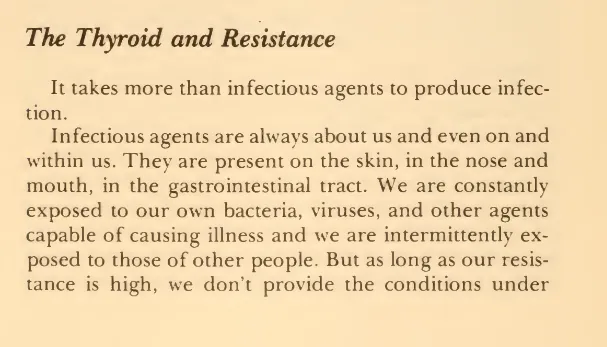
My first medical report on the thyroid and infection was made in 1953 after I had followed for some time a group of 150 patients who had been susceptible to respiratory infections and had received thyroid therapy for low thyroid function. They not only felt more vigorous and in better general health but they experienced far fewer infections. (Broda Barnes)
A healthy thyroid makes you feel warm, especially in the hands and feet. If you have a low temperature, cold hands and a low pulse together with gut issues, talk to your doctor about your thyroid.
11. Coke
Yes, really. An 82-year-old woman arrived at a hospital with a 12 cm mass of hardened stool. Laxatives and standard enemas failed. Two 1-liter Coca-Cola enemas shrank it, her bowel function came back and she avoided surgery.
I am not telling you to do that. I just drink it. Coke is sugar and carbon dioxide with no fiber for bacteria to ferment. I aim for about a liter a day.
Bonus: how to fix bad breath
Bad breath is not the smell of food. It is bacteria sitting in your mouth and producing compounds like these:
- Volatile sulfur compounds, which smell like rotten eggs
- Cadaverine, which smells like rotten meat
- Putrescine, which smells like rotten fish
- Skatole, made from tryptophan, which smells like feces
My view is that the supply comes from the gut. You can brush as much as you want. Until the barrier is sealed, it comes back.
- Coconut oil pulling, twice a day. Swish a big spoon of coconut oil for 5 to 10 minutes.
- Strengthen the gut barrier. BPC-157, niacinamide and glycine, as described above.
- Scrape your tongue, twice a day. It is where most of the bacteria sit.
- Sun on your tongue and your stomach. I stick my tongue out in the sun for a few minutes. It also releases a lot of tension from my jaw and neck.
- Cloves. Chew a few for 5 minutes. They are strongly antibacterial.
What I actually do every day
- Within an hour of waking: about 100 g of sugar, with gelatin and salt.
- Morning and before bed: 20 g of beef gelatin in 300 ml of warm milk with sugar and calcium.
- Morning: 2 capsules of BPC-157.
- Through the day: 400 to 600 g of carbs, mostly simple sugars. Coke, juice, honey, fruit, well-cooked potatoes.
- Fiber: carrots and mushrooms, cooked, salted heavily, often with eggs.
- Meals: for example 4 eggs with 2 cooked carrots and mushrooms, cottage cheese with honey, and a beef stew with mashed potatoes.
- Protein: two spoons of gelatin, a few eggs and some beef are plenty when carbs are high.
- Fat: coconut oil and butter.
- Supplements: B complex, niacinamide, taurine, vitamin E, calcium, magnesium glycinate.
- A couple of times a week: activated charcoal.
- Sun on my belly, 8 to 9 hours of sleep, slow breathing.
Start with food, gelatin, carrots and sunlight. That alone moves most people. Then add one thing at a time so you know what works for you.
The goal
- No bloating
- 2 to 3 bowel movements a day
- High energy
- Clear skin
- Mental clarity
- Warm hands
- Resilience to infections
- A clean tongue
That morning after you finally cleared gut inflammation, the barrier is strong again and the brain fog is gone. Life is back on easy mode.
The gut barrier is a perfect example that structure = function.
The honest part
A lot of this article is my own model, built on bioenergetic research and on the work of Ray Peat, Broda Barnes, Hans Selye, Albert Szent-Györgyi, Gilbert Ling and Georgi Dinkov. Much of the evidence I link is from animals and cells, not large human trials. The S. boulardii, psyllium, breathing and chewing gum studies are in humans.
Some of my positions go against mainstream advice: on fiber, sugar, omega-3 and aspirin. Read the studies, test on yourself and track your own symptoms.
Antibiotics, cyproheptadine and thyroid hormone are prescription drugs. Blood in your stool, weight loss you cannot explain or strong pain need a doctor, not an article.
Own your health.
Quick answers
What is leaky gut?
Leaky gut means the gut barrier (mucus, epithelial cells and their tight junctions) lets bacteria and endotoxin pass into the blood, which keeps inflammation switched on.
What are the signs of a leaky gut?
The signs I look for are bloating after meals, gas, brain fog, a white coated tongue, fatigue, skin problems, nasal congestion and fewer than two bowel movements a day.
What is endotoxin (LPS)?
Endotoxin, or lipopolysaccharide, is part of the outer membrane of Gram-negative bacteria. It is released when they die and triggers a strong inflammatory response through the TLR4 receptor if it reaches the blood.
Does fiber help or hurt leaky gut?
My view is that soluble fiber and resistant starch feed Gram-negative bacteria and raise endotoxin, while insoluble fiber from carrots and mushrooms helps carry bacteria and toxins out.
How long does it take to heal the gut barrier?
It depends on the cause and how consistent you are. I tell people to run the basics, enough carbs, gelatin, carrots and sunlight, for a few months before judging.
The studies
- Advances in Enteric Neurobiology: The "Brain" in the Gut in Health and DiseaseJ Neurosci · 2018 · PMID 30381426
- Substantial production of dopamine in the human gastrointestinal tractJ Clin Endocrinol Metab · 1997 · PMID 9360553
- [Role of gastrointestinal inflammations in the development and treatment of depression]Orv Hetil · 2011 · PMID 21893478
- The intestinal microbiota affect central levels of brain-derived neurotropic factor and behavior in miceGastroenterology · 2011 · PMID 21683077
- Reduced anxiety-like behavior and central neurochemical change in germ-free miceNeurogastroenterol Motil · 2011 · PMID 21054680
- Reductions in anti-inflammatory gut bacteria are associated with depression in a sample of young adultsBrain Behav Immun · 2020 · PMID 32229219
- Brain-gut-microbiome interactions in obesity and food addictionNat Rev Gastroenterol Hepatol · 2020 · PMID 32855515
- Intestinal microbiota regulates the gut-thyroid axis: the new dawn of improving Hashimoto thyroiditisClin Exp Med · 2024 · PMID 38386169
- The gut microbiome in disorders of gut-brain interactionGut Microbes · 2024 · PMID 38949979
- Serotonin in the gut: Blessing or a curseBiochimie · 2019 · PMID 29909048
- Gut-derived serotonin and its emerging roles in immune function, inflammation, metabolism and the gut-brain axisCurr Opin Endocrinol Diabetes Obes · 2022 · PMID 35197425
- Enterochromaffin Cells-Gut Microbiota Crosstalk: Underpinning the Symptoms, Pathogenesis, and Pharmacotherapy in Disorders of Gut-Brain InteractionJ Neurogastroenterol Motil · 2022 · PMID 35719046
- NAD Supplement Alleviates Intestinal Barrier Injury Induced by Ethanol Via Protecting Epithelial Mitochondrial FunctionNutrients · 2022 · PMID 36615829
- High-dose thiamine supplementation ameliorates obesity induced by a high-fat and high-fructose diet in mice by reshaping gut microbiotaFront Nutr · 2025 · PMID 39990607
- Hypercapnic acidosis attenuates endotoxin-induced acute lung injuryAm J Respir Crit Care Med · 2004 · PMID 12958048
- Nitric oxide controls the hypothalamic-pituitary response to cytokinesNeuroimmunomodulation · 1997 · PMID 9483201
- Sepsis-induced alterations in pyruvate dehydrogenase complex activity in rat skeletal muscle: effects on plasma lactateShock · 1996 · PMID 8856841
- Nanomolar concentrations of nitric oxide reversibly inhibit synaptosomal respiration by competing with oxygen at cytochrome oxidaseFEBS Lett · 1994 · PMID 7805858
- From Hans Selye's discovery of biological stress to the identification of corticotropin-releasing factor signaling pathways: implication in stress-related functional bowel diseasesAnn N Y Acad Sci · 2008 · PMID 19120089
- Role of serotonin in intestinal inflammation: knockout of serotonin reuptake transporter exacerbates 2,4,6-trinitrobenzene sulfonic acid colitis in miceAm J Physiol Gastrointest Liver Physiol · 2009 · PMID 19095763
- Serotonin, inflammation, and IBS: fitting the jigsaw together?J Pediatr Gastroenterol Nutr · 2007 · PMID 18185071
- Serotonin Activates Bacterial Quorum Sensing and Enhances the Virulence of Pseudomonas aeruginosa in the HostEBioMedicine · 2016 · PMID 27333040
- Serotonin-induced decrease in brain ATP, stimulation of brain anaerobic glycolysis and elevation of plasma hemoglobin; the protective action of calmodulin antagonistsGen Pharmacol · 1994 · PMID 7875554
- Serotonin-induced stimulation of cortisol secretion from human adrenocortical tissue is mediated through activation of a serotonin4 receptor subtypeNeuroscience · 1992 · PMID 1374544
- Further evidence that serotonin is a neurotransmitter involved in the control of prolactin secretionEndocrinology · 1977 · PMID 401022
- The effects of six-day SSRI administration on diurnal cortisol secretion in healthy volunteersPsychopharmacology (Berl) · 2018 · PMID 30283981
- Inhibiting peripheral serotonin synthesis reduces obesity and metabolic dysfunction by promoting brown adipose tissue thermogenesisNat Med · 2015 · PMID 25485911
- Lrp5 controls bone formation by inhibiting serotonin synthesis in the duodenumCell · 2008 · PMID 19041748
- Pharmacological inhibition of gut-derived serotonin synthesis is a potential bone anabolic treatment for osteoporosisNat Med · 2010 · PMID 20139991
- Chronic oral L-DOPA increases dopamine and decreases serotonin excretionsAm J Physiol · 1999 · PMID 10564221
- Proinflammatory Cytokines and Oxidative Stress Decrease the Transport of Dopamine Precursor Tyrosine in Human FibroblastsNeuropsychobiology · 2017 · PMID 29339668
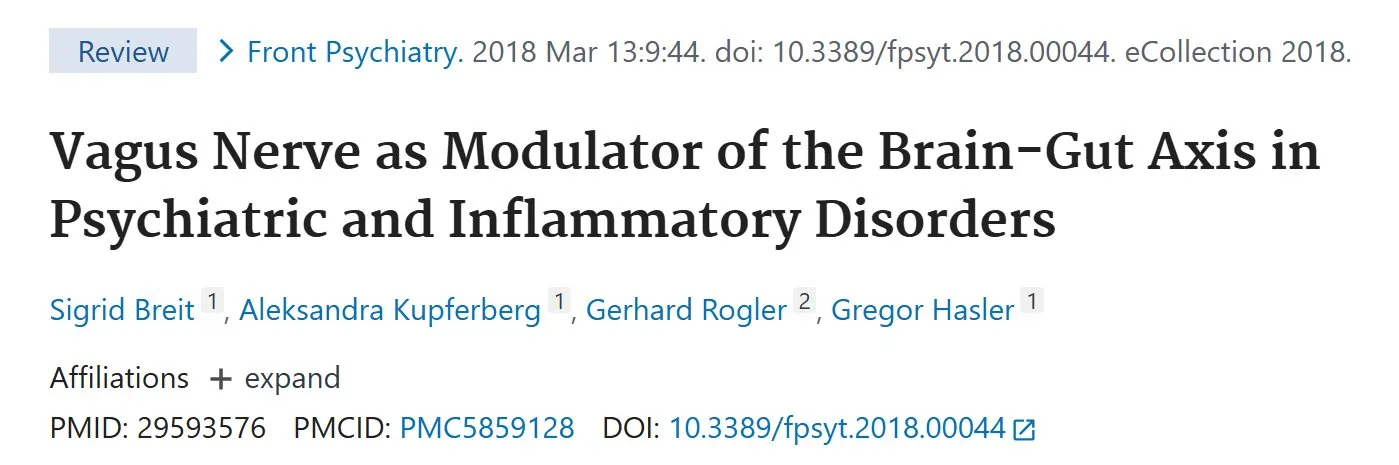
- Vagus Nerve as Modulator of the Brain-Gut Axis in Psychiatric and Inflammatory DisordersFront Psychiatry · 2018 · PMID 29593576
- Quantification of cardiac and respiratory modulation of axonal activity in the human vagus nerveJ Physiol · 2022 · PMID 35524982
- Influence of Respiratory Frequency of Slow-Paced Breathing on Vagally-Mediated Heart Rate VariabilityAppl Psychophysiol Biofeedback · 2024 · PMID 38063977
- Randomized controlled trial of vagal modulation by sham feeding in elective non-gastrointestinal (orthopaedic) surgeryBr J Anaesth · 2015 · PMID 26323293
- Ketogenic diet aggravates colitis, impairs intestinal barrier and alters gut microbiota and metabolism in DSS-induced miceFood Funct · 2021 · PMID 34542110
- Calcium and the prevention of colon cancerScand J Gastroenterol Suppl · 1991 · PMID 1775941
- Psyllium is superior to docusate sodium for treatment of chronic constipationAliment Pharmacol Ther · 1998 · PMID 9663731
- Protective effects of glycine against lipopolysaccharide-induced intestinal apoptosis and inflammationAmino Acids · 2022 · PMID 34085156
- Production of superoxide and TNF-alpha from alveolar macrophages is blunted by glycineAm J Physiol · 1999 · PMID 10564180
- Exogenous glycine promotes oxidation of glutathione and restores sensitivity of bacterial pathogens to serum-induced cell deathRedox Biol · 2022 · PMID 36306677
- Beneficial effect of a novel pentadecapeptide BPC 157 on gastric lesions induced by restraint stress, ethanol, indomethacin, and capsaicin neurotoxicityDig Dis Sci · 1996 · PMID 8769287
- Stable gastric pentadecapeptide BPC 157 in the treatment of colitis and ischemia and reperfusion in rats: New insightsWorld J Gastroenterol · 2017 · PMID 29358856
- Pentadecapeptide BPC 157, in clinical trials as a therapy for inflammatory bowel disease (PL14736), is effective in the healing of colocutaneous fistulas in rats: role of the nitric oxide-systemJ Pharmacol Sci · 2008 · PMID 18818478
- Therapy for unhealed gastrocutaneous fistulas in rats as a model for analogous healing of persistent skin wounds and persistent gastric ulcers: stable gastric pentadecapeptide BPC 157, atropine, ranitidine, and omeprazoleDig Dis Sci · 2009 · PMID 18649140
- Pentadecapeptide BPC 157 and the esophagocutaneous fistula healing therapyEur J Pharmacol · 2013 · PMID 23220707
- Duodenocolic fistula healing by pentadecapeptide BPC 157 in rats. A cytoprotection viewpointJ Physiol Pharmacol · 2024 · PMID 38583442
- Counteraction of perforated cecum lesions in rats: Effects of pentadecapeptide BPC 157, L-NAME and L-arginineWorld J Gastroenterol · 2018 · PMID 30622376
- The effect of pentadecapeptide BPC 157, H2-blockers, omeprazole and sucralfate on new vessels and new granulation tissue formationJ Physiol Paris · 1999 · PMID 10672992
- Taurine Alleviates Experimental Colitis by Enhancing Intestinal Barrier Function and Inhibiting Inflammatory Response through TLR4/NF-κB SignalingJ Agric Food Chem · 2024 · PMID 38761152
- Effect of vitamin E supplementation in rheumatoid arthritis: a systematic review and meta-analysisEur J Clin Nutr · 2023 · PMID 35468933
- 1,25-Dihydroxyvitamin D Protects Intestinal Epithelial Barrier by Regulating the Myosin Light Chain Kinase Signaling PathwayInflamm Bowel Dis · 2015 · PMID 26287999
- Biomimetic Remodeling of Microglial Riboflavin Metabolism Ameliorates Cognitive Impairment by Modulating NeuroinflammationAdv Sci (Weinh) · 2023 · PMID 36799538
- Bovine Lactoferrin Protects Dextran Sulfate Sodium Salt Mice Against Inflammation and Impairment of Colonic Epithelial Barrier by Regulating Gut Microbial Structure and MetabolitesFront Nutr · 2021 · PMID 33954162
- Impact of Saccharomyces boulardii CNCM I-745 on Bacterial Overgrowth and Composition of Intestinal Microbiota in Diarrhea-Predominant Irritable Bowel Syndrome Patients: Results of a Randomized Pilot StudyDig Dis · 2023 · PMID 36630947
- Cytokine and clinical response to Saccharomyces boulardii therapy in diarrhea-dominant irritable bowel syndrome: a randomized trialEur J Gastroenterol Hepatol · 2014 · PMID 24722560
- Saccharomyces boulardii Allows Partial Patients to Avoid Reusing Bismuth Quadruple for Helicobacter pylori Rescue Therapy: A Single-Center Randomized Controlled StudyFront Cell Infect Microbiol · 2022 · PMID 35880079
- Saccharomyces boulardii improves clinical and paraclinical indices in overweight/obese knee osteoarthritis patients: a randomized triple-blind placebo-controlled trialEur J Nutr · 2024 · PMID 38761281
- Adsorption effect of activated charcoal on enterohemorrhagic Escherichia coliJ Vet Med Sci · 2001 · PMID 11307928
- Massive Fecaloma Dissolved by Coca-Cola: A Case ReportCureus · 2026 · PMID 42181410