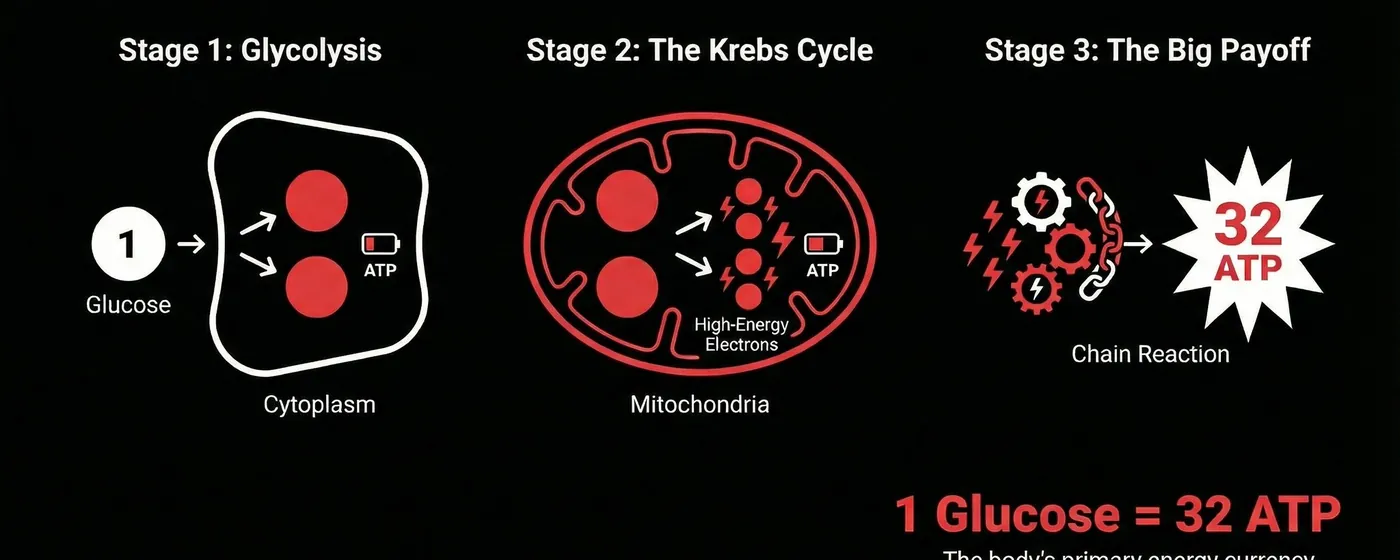
From Glucose To ATP
Generating ATP from glucose is one the most incredible processes our body executes. it's quite a long way i know but if you'll bear with me till the end you'll understand one of the most basic and important functions in our human body and is key to understanding BioEnergetics.
By looking at the glucose formula - C₆H₁₂O₆ ,We can see it has:
6 Carbons that acts as the structural skeleton of the molecule.
12 Hydrogens which hold the actual energy and will be delivered to NAD/FAD to enter the Electron transport chain.
6 Oxygens creating it's polarity, making it water soluble and allow the formation of CO₂.
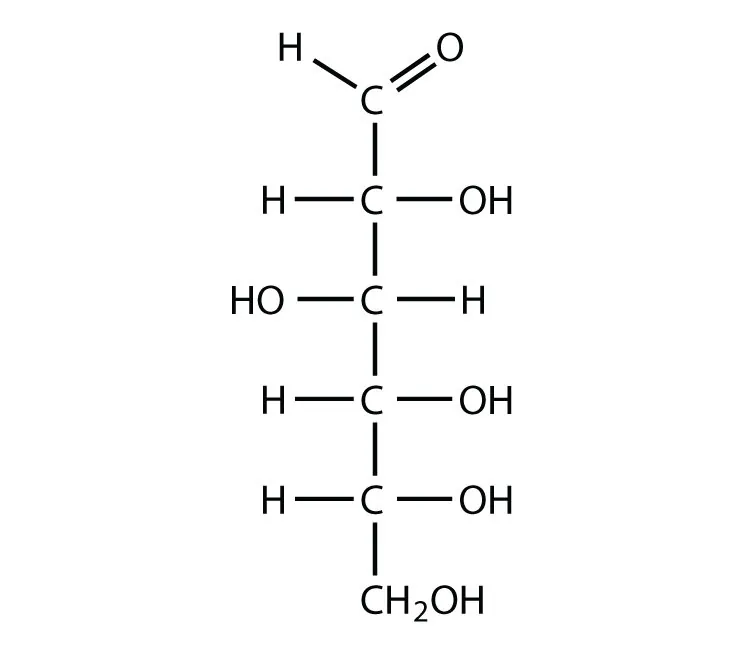
That special structure & formula of glucose are not random, Organisms for millions of years have created glucose using water, CO₂ and light.
6CO₂ + 6H₂O + light energy → C₆H₁₂O₆ + 6O₂
We as humans do the exact opposite and break glucose to water & CO₂ using oxygen all for the puרפose of generating ATP. To be precise each Glucose molecule is oxidized by 6 molecular oxygens and generate 6 molecules of CO2, 6 molecules of water and 32-36 ATP
C₆H₁₂O₆ + 6O₂ → 6CO₂ + 6H₂O + 32 ATP
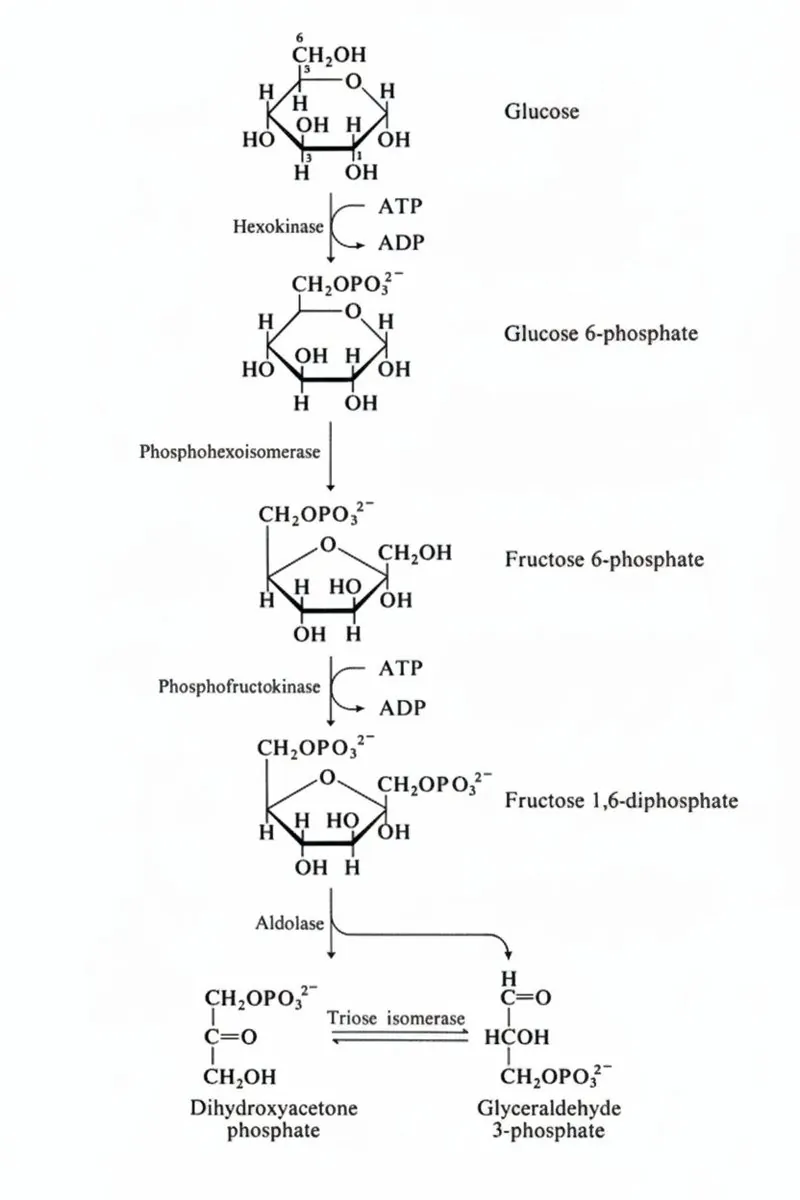
Once Glucose enters the Cytosol it undergoes the following step (Figure 1)
1.Glucose is phosphorylated to glucose-6-phosphate by the enzyme hexokinase , in this step 1 ATP molecule is invested.
2.Glucose-6-phosphate is isomerized to fructose-6-phosphate by phosphoglucose isomerase that simply turns the aldehyde group to ketone group
3.Fructose-6-phosphate is phosphorylated to fructose-1,6-bisphosphate by phosphofructokinase-1 (PFK-1), In this step another phosphate group is added and we get a really high energy molecule by investing the second ATP.
4.Fructose-1,6-bisphosphate is cleaved into dihydroxyacetone phosphate (DHAP) and glyceraldehyde-3-phosphate (G3P) by aldolase.
5.Dihydroxyacetone phosphate(Ketone) is isomerized to glyceraldehyde-3-phosphate(Aldehyde) by triose phosphate isomerase, resulting in two molecules of G3P per glucose.
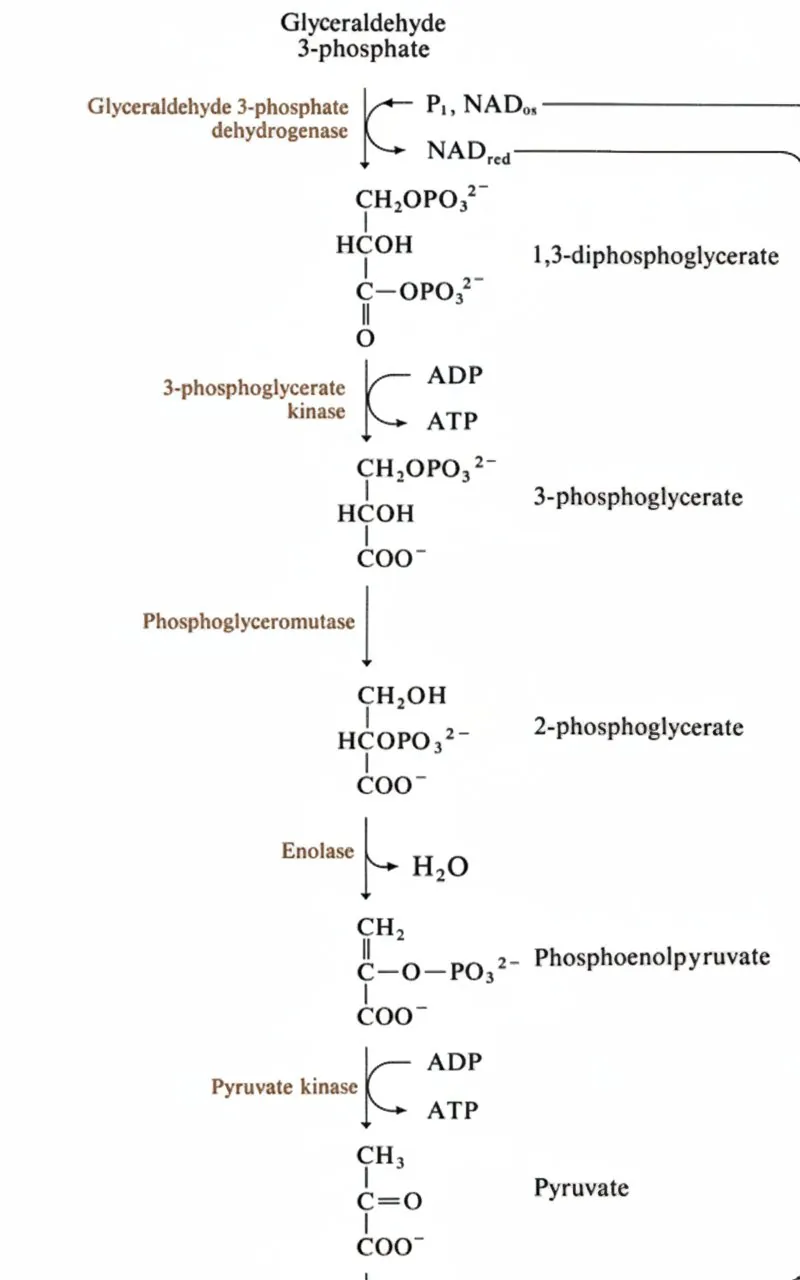
Now we have 2 molecules of G3P an Aldehyde with high energy phosphate group, in 5 steps it will become Pyruvate (Figure 2)
1. G3P is oxidized and phosphorylated to 1,3-bisphosphoglycerate by G3P dehydrogenase, producing 1 NADH per G3P. This is a special step, phosphate group is added without the need of ATP as usual due to the energy released when the aldehyde group is oxidized to a carboxylic acid.
2. 1,3-Bisphospho-glycerate donates a high-energy phosphate to ADP, forming 3-phospho-glycerate, generating 1 ATP per G3P via phosphoglycerate kinase.
3. 3-Phospho-glycerate is converted to 2-phosphoglycerate (2-PG) by phosphoglycerate mutase.
4. 2-Phosphoglycerate is dehydrated to phosphoenolpyruvate (PEP) by enolase, creating a high-energy enol phosphate, releasing water molecule.
5. Phosphoenolpyruvate donates its phosphate to ADP, forming pyruvate and generating 1 ATP per G3P via pyruvate kinase.
Pyruvate
Now we have pyruvate, we arrived to an important junction:
Pyruvate can be converted to acetyl-CoA and enter the Krebs cycle if the NAD⁺/NADH ratio is high, there is sufficient vitamin B1, and oxygen is available.
If these conditions are not met, pyruvate is converted to lactate, a toxic product that inhibits oxygen use and produces much less ATP than the Krebs cycle.
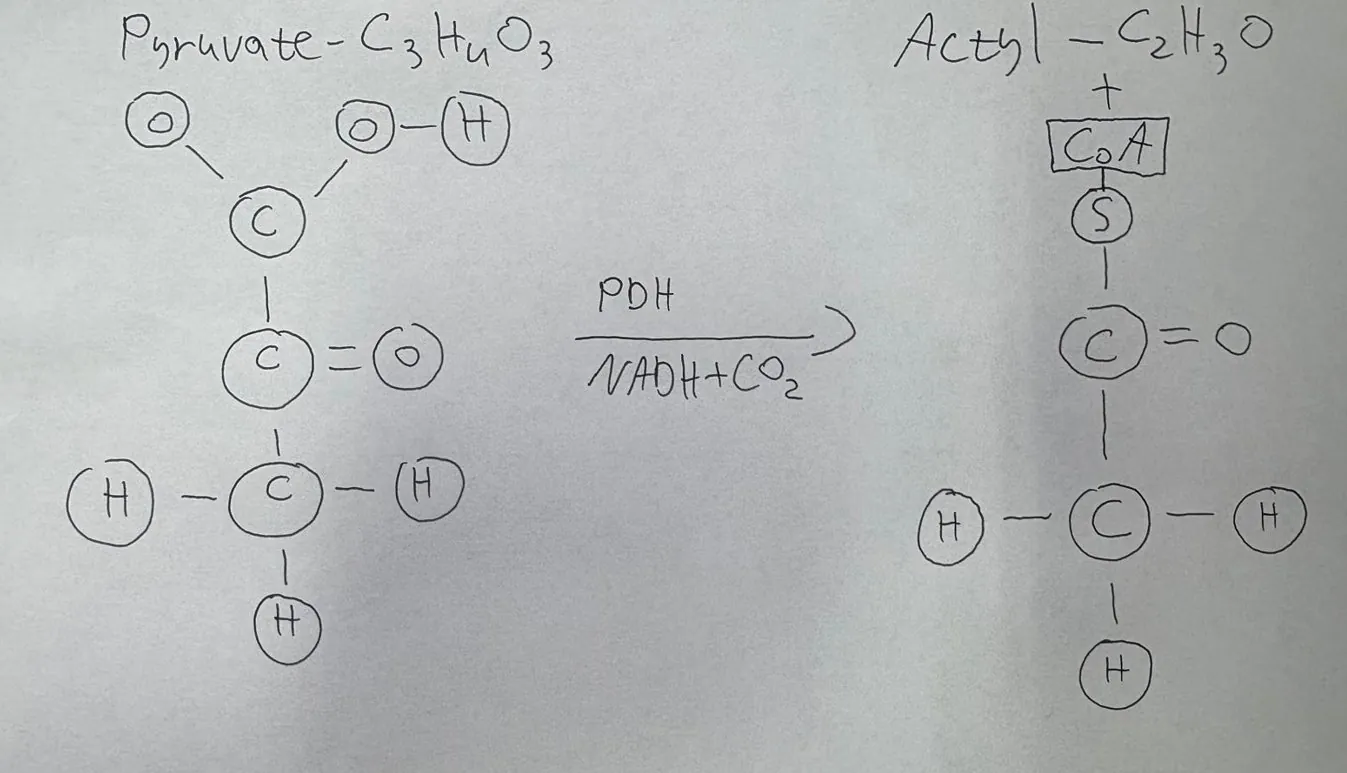
The enzyme PDH takes pyruvate and converts it into acetyl-CoA.
Co Enzyme A is a large transport molecule.
Pyruvate + CoA + NAD⁺ → Acetyl-CoA + NADH + CO₂
Now we enter crebs cycle
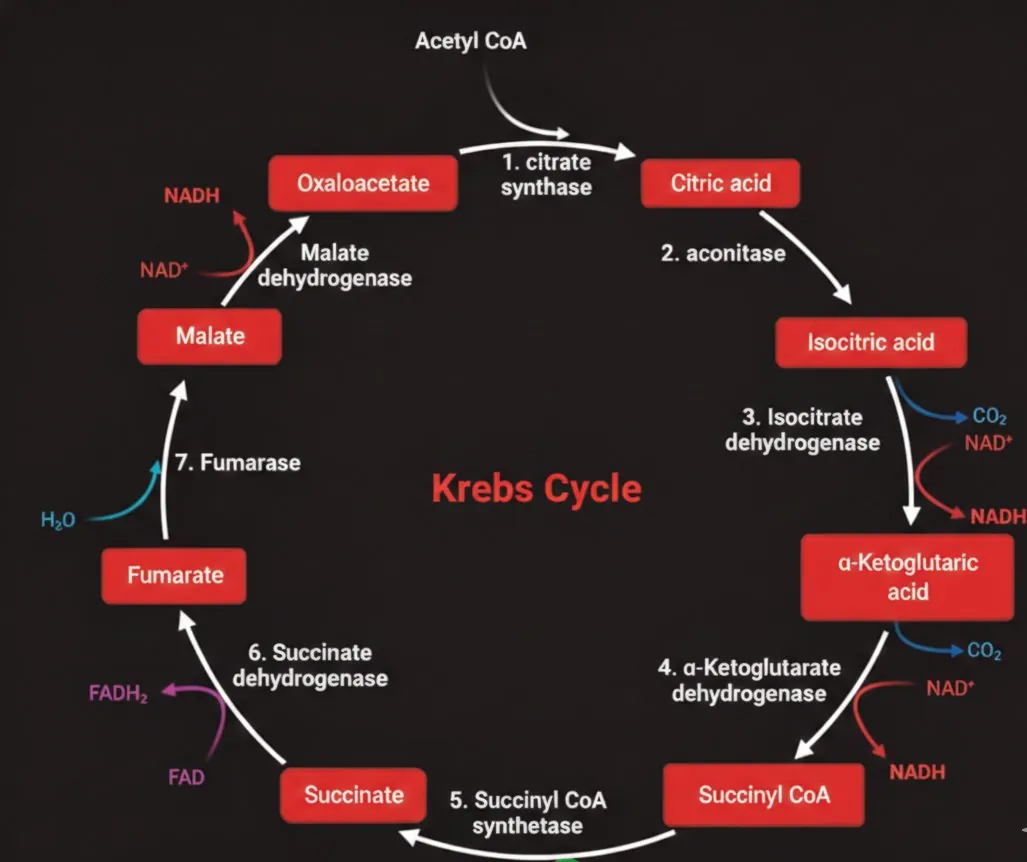
1.Acetyl CoA connects with oxaloacetate to form citrate. This initiates the cycle and forms a six carbon molecule.
2.Citrate is turned into isocitrate by aconitase.
3.Isocitrate is oxidized and decarboxylated to alpha ketoglutarate forming NADH, and one carbon is released as CO₂.
4. A-ketoglutarate is oxidized and decarboxylated to succinyl producing another NADH and CO₂.
succinyl a four carbon skeleton is linked again to CoA.
5. Succinyl CoA is converted to succinate. The high energy bond is broken and its energy is used generating ATP , CoA is released.
6.Succinate is oxidized to fumarate. Electrons are removed from succinate and transferred to FAD, forming FADH₂. This step is directly linked to the electron transport chain.
7.Fumarate is hydrated to malate. No redox reaction occurs in this step.
8.Malate is oxidized to oxaloacetate, electrons are transferred to NAD⁺ forming NADH, and the original four carbon oxaloacetate is regenerated, allowing the cycle to continue.
overall outcome per acetyl CoA: 2 molecules of CO₂ ,3 molecules of NADH One molecule of FADH₂ One ATP is produced.
Now let's recap, Starting from glucose till here we made:
6 CO21
10 NADH
2 FAD
4 ATP
10 NADH via electron transport chain create 25 ATP
2 FAD via electron transport chain create 3 ATP
25+3+4 = 32 ATP from 1 Glucose molecule
This path is what makes us humans, glucose is energy itself!
#biology#sugar#energy#ATP#raypeat#bioenergetics