Rebuild your Redox status
Your Redox status represents the state of cellular energy production,
whether the body is in an Oxidative, energy-efficient state or in a reductive, stressed state
The Oxidation/Reduction ratio does more than just describe metabolic health, it actively shapes it
whether it is in an oxidative or a reductive state.
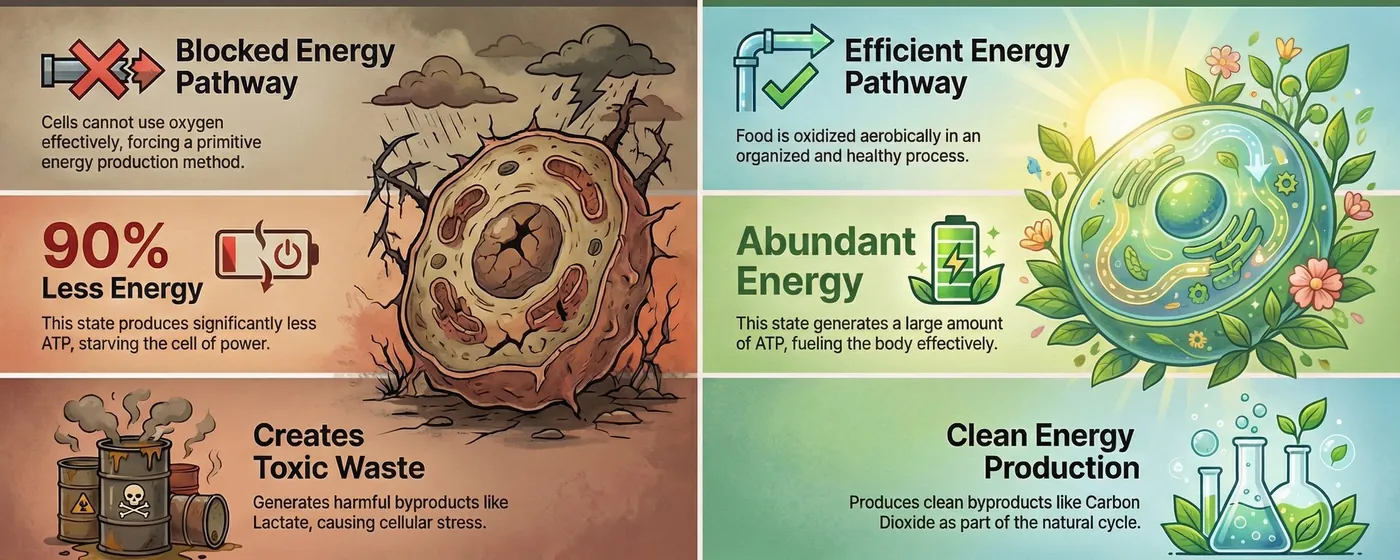
Oxidative state is a Healthy and organized state in which food is Oxidized in an efficient way(Aerobicly), Generating a lot of ATP and Carbon dioxide,
Reductive state means that the aerobic pathway and electron flow are blocked , preventing cells from using oxygen to oxidize food. As a result, metabolism shifts back toward a more primitive form of energy production, relying on less efficient pathways generating toxic waste products like Lactate and produce 90% less ATP.
Reduction = Gaining Electrons
Oxidation = Losing Electrons
There are 5 main indicators of the Redox status that control our metabolism :
1.NAD/NADH
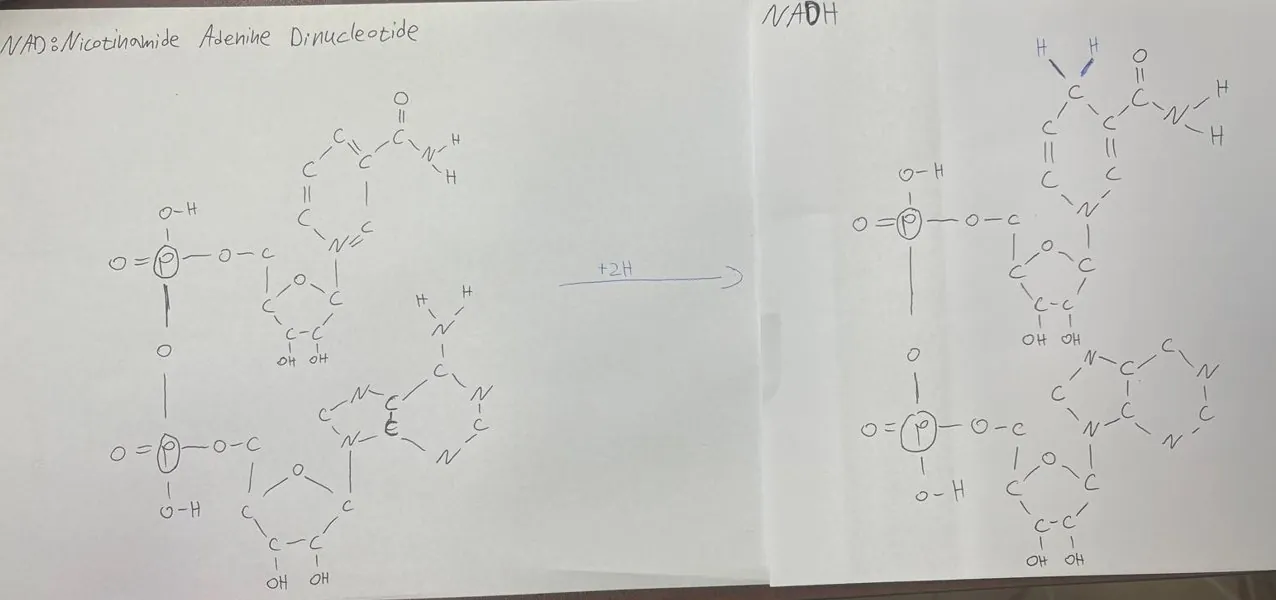
NAD is the most important carrier of electrons from food to to the electron transport chain, When NAD collects electrons(Reduced) he becomes NADH and goes to the complex 1 of the ETC, like uber for electorns.
If NAD/NADH is low it means we have a lot of NADH and little NAD, this is a Reduced State, sign of a blockage in electron flow Indicating the transport system is saturated and can not transport new electrons to the electron transport chain and generate ATP, In other words there is no uber drivers that can accept new electrons so all electrons are stuck.
Weak electron flow is a major cause in the formation of harmful ROS.
NAD/NADH ratio is the most important indicator because it affects all other indicators, If this ratio is low indicating Reduced state, one can assume all other indicators would also point to a Reduced State.
Easiest way to increase NAD/NADH and shift the status to Oxdized is to take Niacinamide(B3) which the cofactor to build NAD.
2.FAD/FADH
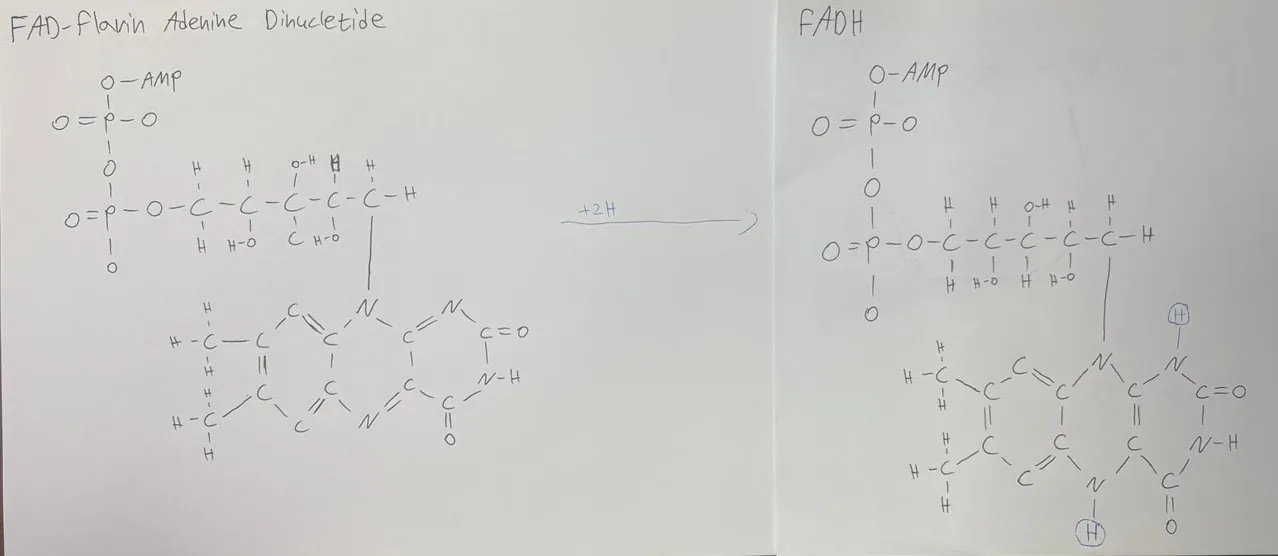
FAD is another carrier of electrons from food(mainly fatty acids) to complex 2 of the electron transport chain, when FAD collects electrons(Reduced) he becomes FADH and goes to complex 2. If FAD/FADH is low it means we have a lot of FADH and little FAD, this is another signal of blockage in electron flow and that there is not enough electron carriers(FAD).
To increase FAD you need to get enough Riboflavin(B2) which is the main cofator for FAF formation.
3.Pyruvate/Lactate
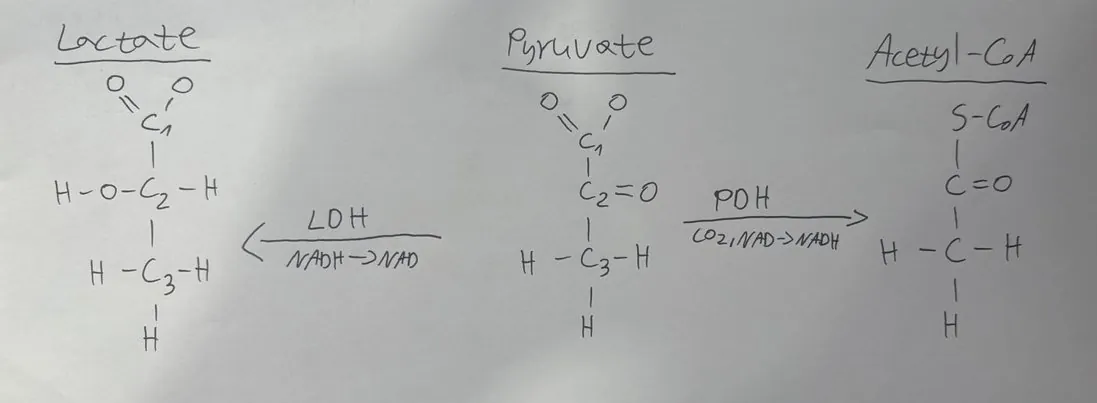
Pyruvate is a critical step in the oxidation process of glucose/fructose, If NAD/NADH is high as it supposed to be it will be converted by the enzyme Pyruvate Dehydrogenase to Acetyl CoA, while creating CO2 and reducing NAD to NADH, But if NAD/NADH is low meaning there is not enough NAD, Then pyruvate will be reduced to Lactate By the enzyme Lactate Dehydrogenase this will oxidize NADH back to NAD, Lactate itself is toxic to the cell that will do every thing in it's power to pump it out to the blood so that the liver could convert it glucose(Kori cycle) this burdens the liver and robs our body from getting the ATP it could have made by oxidizing AcetylCoA.
Execss lactate is called Lactic Asidocis dangerous contition with approximately 50% mortality rate.
Thus Low Pyruvate/Lactate ratio is an important and powerful indicator of redox balance.
To increase Pyruvate and lower lactate, Consume enough B1,Magnesium,Baking sode,Sugar, as they all support PDH formation.
Lower estrogen,serotonin,cortisol as they all increase lactate formation and inhibit PDH.
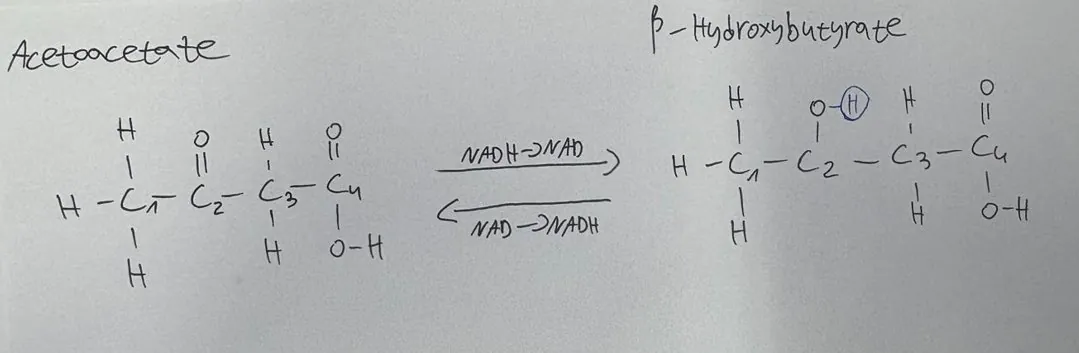
4.Acetoacetate/B-Hydroxybyuterate
Acetoacetate is a keton made by the liver when Fat oxidation is high and there is Too much AcetylCoA, The liver sends it to the blood so it can turn back to AcetylCoA which the main fuel used to generate ATP.
When NAD/NADH is low, Acetoacetate is reduced to B-Hydroxybyuterate,
This process oxidizes NADH back to NAD.
Therefore rise in B-Hydroxybyuterate levels is a sign of reductive stress and also a sign of ketosis, while many are aiming for ketosis and happy to see that their B-Hydroxybyuterate are high, It is actually a sign of reductive stress and low NAD/NADH ratio,Simply an inefficient adaptive mechanism that tries to increase NAD/NADH.
To avoid High Beta-Hydroxybyuterate, Consume more carbs and less fat.
5. Glutathione GSSG/GSH
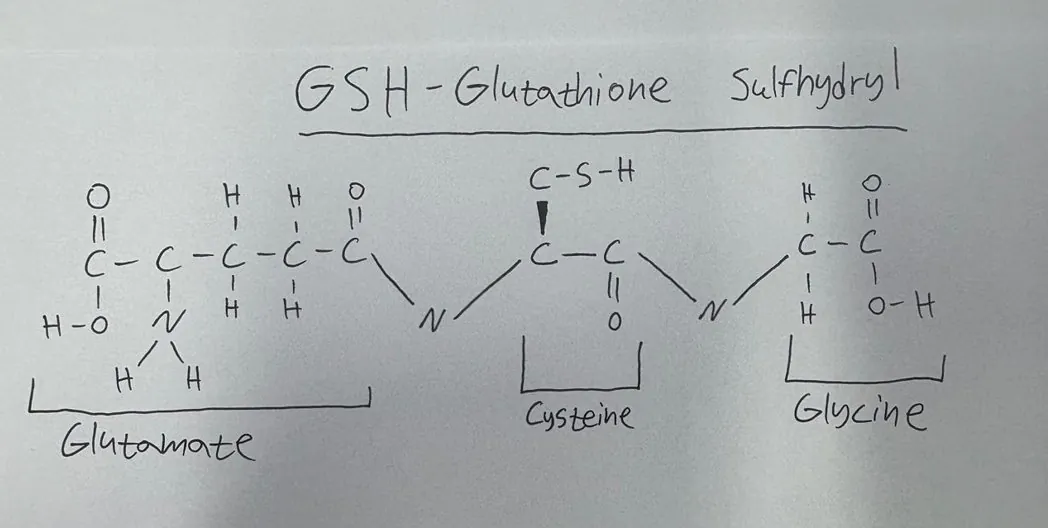
Glutathione is tripeptide composed of 3 amino acids-glutamate, cysteine, and glycine, It is a Master antioxidant that Protects the mitochondria from ROS,Supports detoxification In the liver by binding to toxins, drugs, and heavy metals, making them water-soluble so they can be safely eliminated from the body also essential for immune responses and immune cell function.
It has 2 main forms also indicating redox status.
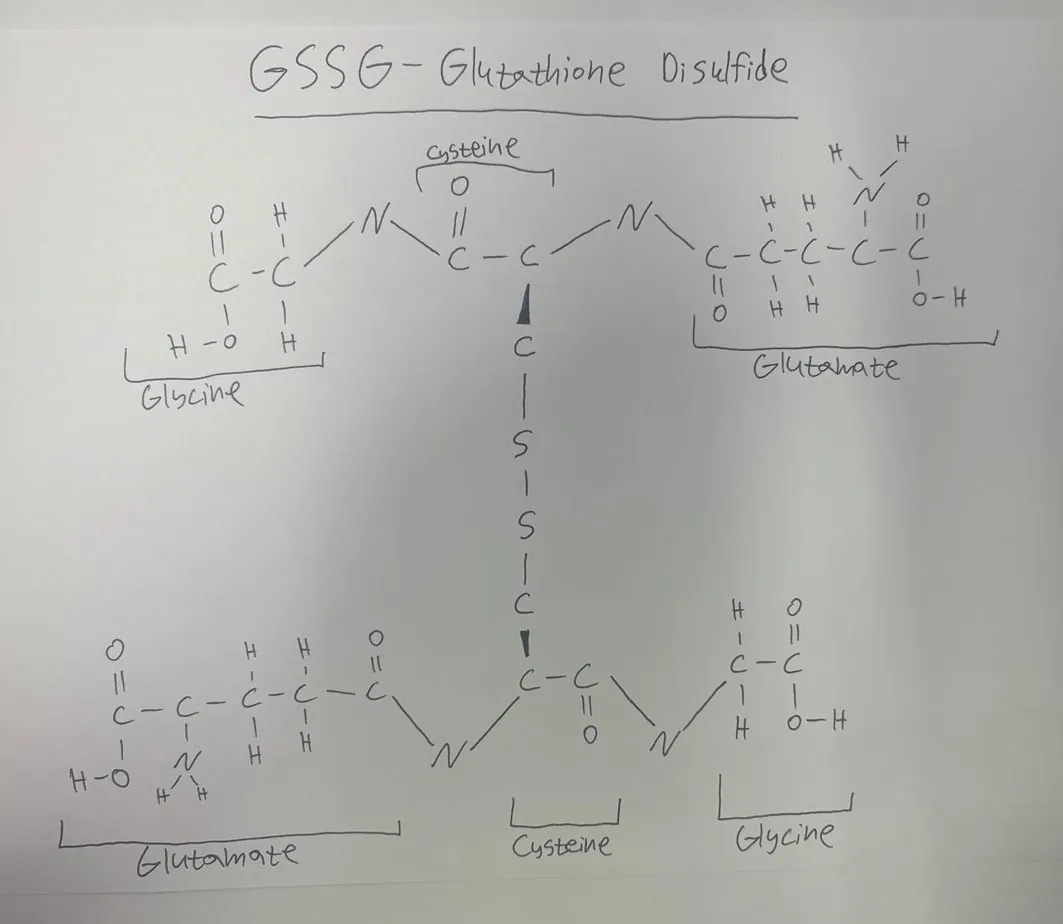
Oxidized Form : GSSG, It has Disulfide group, This is the main form stored, and when needed gets Reduced to GSH that has a Sulfhydryl group.
GSSG + NADPH + H -> 2 GSH + NADP
The process of reducing GSSG to GSH oxidizes NADPH to NADP, This is good because High NADPH causes reductive stress and fat gain by increasing activity of the enzyme FAS.
High GSH is a sign of Reductive stress.
keeping high Disulfide/Sulfhydryl ratio is crucial for DNA and RNA production, proper protein folding needs Disulfide groups to function.
High GSH is also commonly observed in cells, they use GSH to defend themselves from ROS and to avoid apoptosis.
Many people supplement with GSH instead of GSSG which is a big mistake.
Also people supplemnt with N-Acetyl-Cysteine(NAC) to support Glutathione formation, But Cysteine is a very common amino acid and we have a lot of it in our muscles and in plenty of foods, A better option to support Glutathione formation is to consume Glycine which is often the missing amino acid in most diets either as supplement or by eating beef gelatin.
Those are the main Redox indicators, all work together as a system of electron shutteling, They are all needed to maintain high metabolic rate and all energy requiring processes.
There are a family of molecules that can support and increase all Redox indicators Called Quinone molecules,They have the ability to become "Uber drivers" and pick up electrons and deliver that to oxygen or other needed place, This helps to shift the state to more oxidative and help to delete any blocks.
Quinone molecules: Methelyne blue, vitamin K 1,2,3, CoQ10, Emodin,Tetracyclin antibiotics.
They all can serve as great tool to increase metabolic rate and electron flow.
Redox Status is one of the most important factors in increasing metabolic rate, supporting general health and ALL energy requiring processes.