The Downfall of SSRI Drugs

Mental states can be altered by chemical activity of neurotransmitters in the brain, The main ones being:
Glutamate, GABA, Dopamine, Norepinephrine, Acetylcholine and Serotonin.
Big Pharma chose to target serotonin to "cure" depression.
Why Serotonin?
In 1954, Woolley and Shaw proposed The first formal thesis linking serotonin to mental illness[1], arguing that LSD causes mental defects by blocking serotonin and thus raising serotonin would be beneficial.
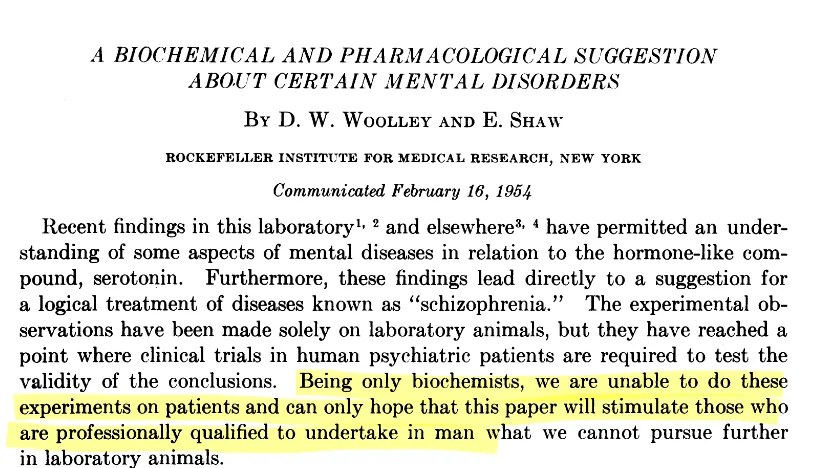
This sparked the interest of the goverment who started to fund studies mainly in the military and discovered that LSD makes people happy, independent, creative, and harder to control.
This pressured the government into searching for substances that would do the exact opposite(for obvious reasons) and that’s how SSRIs were born.
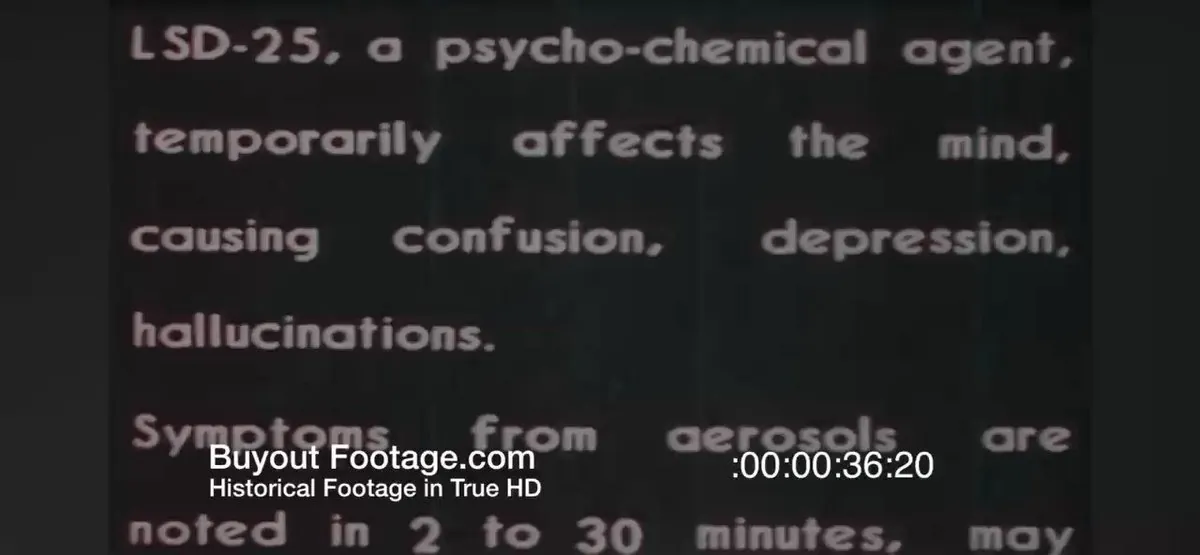
Historic Footage effects of LSD on soldiers,1958
HOW SSRI's WORK
95% of the serotonin is made from the amino acid Tryptophan by Enterochromaffin cells in the gut.
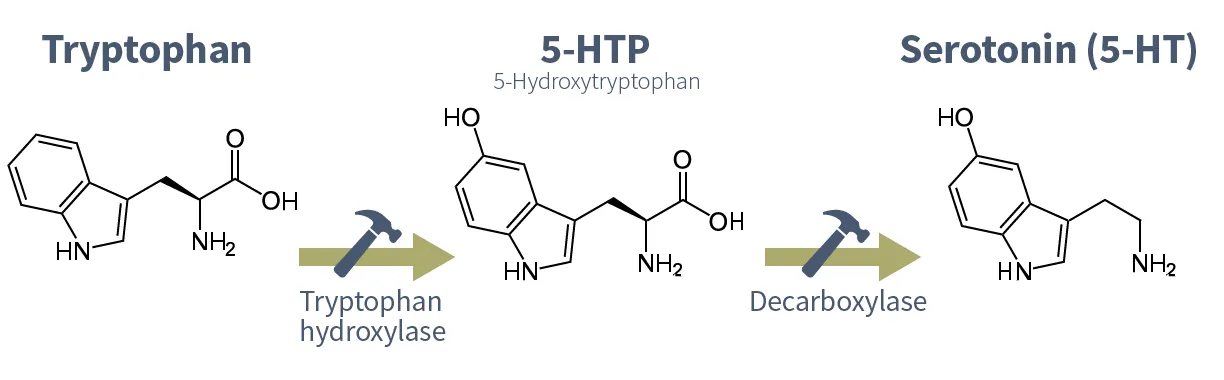
It travels to the blood and carried in platelets, Those also has SERT that grabs the serotonin, the blood flows to the lungs and meets Pulmonary Endothelial Cells, Those have SERT and MAO, They collect serotonin and convert it into an inactive acid called 5-HIAA, sends it back to the blood to be filtered by the kidneys and excreted as urine.
Serotonin in the blood usually can't enter the brain thanks to the BBB(Blood Brain Barrier) but the precursor Tryptophan can.
In the brain Serotonin act as a neurotransmitter, released into the synaptic cleft to transmit signals between neurons.
To terminate the signal, the enzyme SERT grabs serotonin molecules back into the cell, Then the enzyme Monoamine Oxidase (MAO), inside the mitochondria, breaks it down into inactive metabolites.
SSRI's block The SERT enzyme, which is responsible for the removal of serotonin, This causes serotonin to accumulate.
By inhibiting this reuptake process, the concentration of serotonin within the synaptic cleft remains elevated for a longer duration. This persistent presence allows the neurotransmitter to repeatedly bind with postsynaptic receptors, effectively enhancing signal transmission between neurons.
The First SSRI
Zimelidine was launched in Europe,1982 , the "safe" opposite of LSD. However, by 1983, it was withdrawn worldwide due to data showed that the risk of developing GBS(a condition where the immune system attacks the peripheral nervous system, leading to muscle weakness and paralysis) was 25 times higher in patients taking Zimelidine compared to the general population.
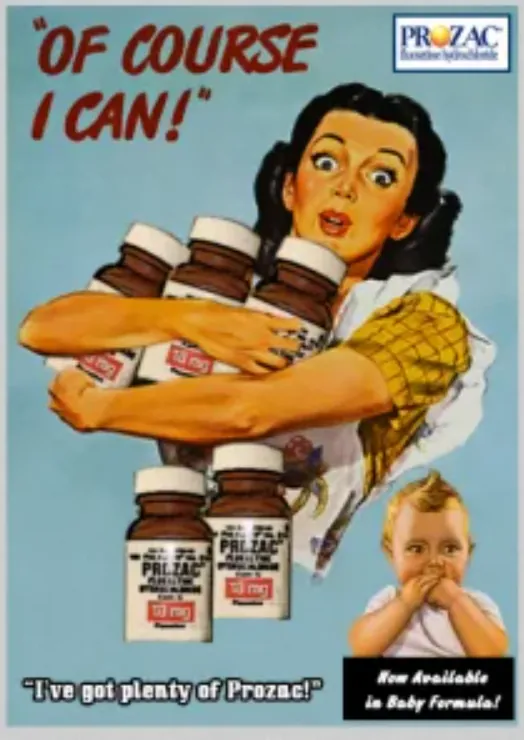
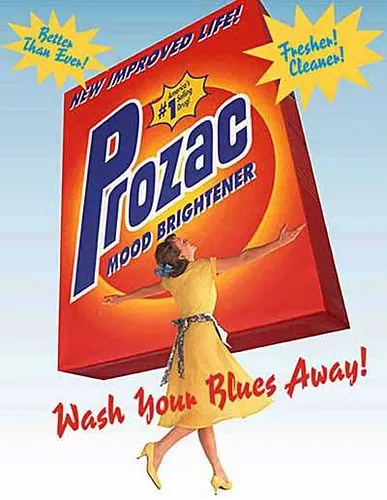
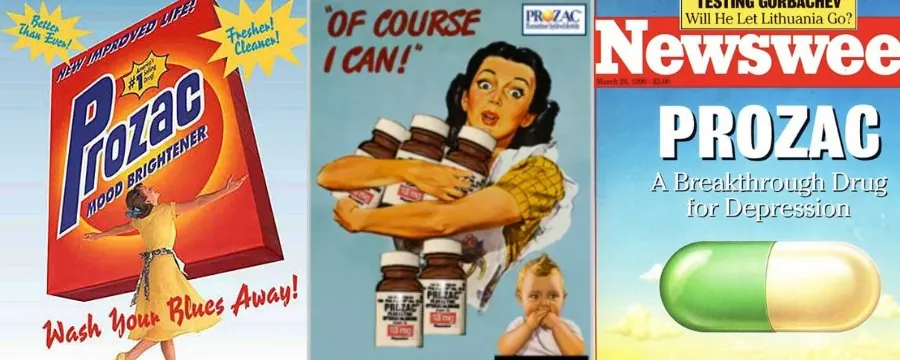
The next in line was Fluoxetine (Prozac), approved by the FDA in 1987, While launching powerful marketing narrative: the "chemical imbalance" theory, convincing the public and the medical community that depression was the result of a "serotonin deficiency," and that SSRIs simply "corrected" the balance, similar to insulin for diabetics.
Later analyses showed the gap between them and placebo was smaller than presented. In cases of mild to moderate depression, the difference between SSRIs and placebos is often minimal to non-existent.
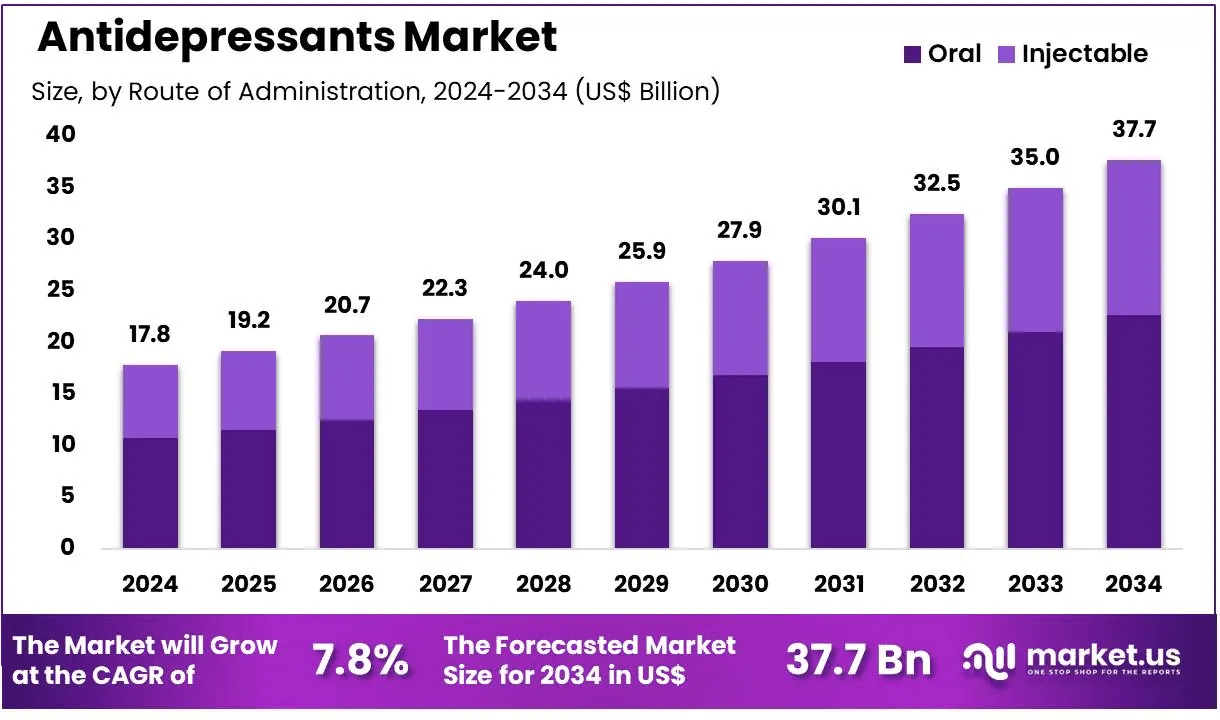
Since the late 1980s, the SSRI industry has generated $300-$500 billions, As of 2025-2026, the global antidepressant market is estimated at $17 billion and $20 billion annually, estimated to double this decade.
Within this market, SSRIs account for 50% of the total share, meaning the SSRI industry alone generates roughly $8 billion to $10 billion every year worldwide.
The Truth About Serotonin
Serotonin is anything but the "Happy hormone"
Injecting it to animals blocks oxidative metabolism, lowers ATP production causing them to become depressed and aggressive[2], serotonin and SSRI drugs raise cortisol levels[3,4] and cortisol raises serotonin levels [5]
ssri's and serotonin raise Prolactin levels[6] which can explain the erectile dysfunction and PSSD.
Lowering serotonin is therapeutic to cancer [7,8].
Blocking TPH the enzyme that creates serotonin is used to treat obesity[9], increases bone mass and bone density[13,14]
Serotonin promotes intestinal inflammation[12], diarrhoea, Irritable Bowel Syndrome(IBS), and crohn's disease[16], mouse without the enzyme SERT are less resistant to inflammation, and so does people taking SSRI's.
Serotonin lowers levels of carbon dioxide by activating the enzyme Carbonic anhydrase[15] this may explain why blocking cures cancer.
Low serotonin is common in Hypothyrodism and in people with low metabolic rate, those people have depression in much higher rate and giving them T3+T4 helps with their depression at much higher rate than SSRI's.[17,18]
Serotonin is helpful to an organism when it's under attack, needs to fight for it's survival, when food (specifically carbs) is not available, in humans serotonin is a great defense mechanism to numb pain when life is bad and resources are too low, so cognitive function, empathy and love are inhibited,
Fight or Flight is turned on.
SSRI Side effects
suicide, vomiting, indigestion, diarrhea, constipation, headaches, dizziness, blurred vision, tremors, insomnia, Sexual dysfunction, loss of libido, erectile dysfunction, genital numbness, pleasureless orgasm (anhedonia) ,Post-SSRI Sexual Dysfunction (PSSD), Apathy, loss of appetite, weight gain, diabetes mellitus, and metabolic changes, Osteoporosis, rib fractures, decreased bone mineral density, Mitral valve disease, heart valve fibrosis (mediated by 5-HT2B receptors), and unstable angina, nipple insensitivity, testicular atrophy, testicular pain, vaginal lubrication issues, decreased penile size, and significant seminal volume reduction, Delayed ejaculation, anejaculation,painful ejaculation,Persistent Genital Arousal Disorder (PGAD) and restless genital syndrome,"Brain zaps" (electric shock sensations), derealization, loss of emotional identity, Induction of panic attacks (early in treatment), psychomotor retardation, dystonic movements, Urinary retention (inability to urinate), easy bruising, hematemesis (vomiting blood), and melena (blood in stools), aggression, impulsivity, delinquency, and feelings of hopelessness, Hyponatremia (low blood sodium), SIADH, and dangerous fluid build-up in cells,Pulmonary arterial hypertension and hepatic cirrhosis, Hyperreflexia (overactive reflexes), ocular or spontaneous clonus (rhythmic muscle contractions), myoclonus, and muscle rigidity, High fever, seizures, unconsciousness, delirium, and coma as part of potentially fatal Serotonin Syndrome.
Awareness towards the dangers of SSRI's and Serotonin must be raised and reach to more people.
REFERENCES
1."A BIOCHEMICAL AND PHARMACOLOGICAL SUGGESTION ABOUT CERTAIN MENTAL DISORDERS"
PMID: 16589461
2.Serotonin-induced decrease in brain ATP, stimulation of brain anaerobic glycolysis and elevation of plasma hemoglobin; the protective action of calmodulin antagonists
PMID: 7875554
3.The effects of six-day SSRI administration on diurnal cortisol secretion in healthy volunteers
PMID: 30283981
4.Serotonin-induced stimulation of cortisol secretion from human adrenocortical tissue is mediated through activation of a serotonin4 receptor subtype
PMID: 1374544
5.REGULATION OF 5-HYDROXYTRYPTAMINE METABOLISM IN MOUSE BRAIN BY ADRENAL GLUCOCORTICOIDS* LEONARD NECKERS AND PAUL Y. SZ
6. Further evidence that serotonin is a neurotransmitter involved in the control of prolactin secretion
PMID: 401022
7. 5-hydroxytryptamine 2B receptor regulates cell-cycle progression: cross-talk with tyrosine kinase pathways
PMID: 10688905
8.Cyproheptadine displays preclinical activity in myeloma and leukemia
PMID: 18502826
9. Inhibiting peripheral serotonin synthesis reduces obesity and metabolic dysfunction by promoting brown adipose tissue thermogenesis
PMID: 25485911
10.Identification of tryptophan metabolism-related biomarkers for nonalcoholic fatty liver disease through network analysis
PMID: 40183447
11.Emerging roles for serotonin in regulating metabolism New implications for an old molecule
PMID: 30901029
12.Role of serotonin in intestinal inflammation: knockout of serotonin reuptake transporter exacerbates 2,4,6-trinitrobenzene sulfonic acid colitis in mice
PMID: 19095763
13.Lrp5 controls bone formation by inhibiting serotonin synthesis in the duodenum
PMID: 19041748
14.Inhibition of gut-derived serotonin synthesis: a potential bone anabolic treatment
PMID: 20139991
15.Carbonic anhydrase activators: activation of the human isoforms VII (cytosolic) and XIV (transmembrane) with amino acids and amines
PMID: 17540561
16.Serotonin, inflammation, and IBS: fitting the jigsaw together?
PMID: 18185071
17. Thyroid hormones and the treatment of depression: an examination of basic hormonal actions in the mature mammalian brain
PMID: 9268063
18.Hypothyroid-induced changes in autonomic control have a central serotonergic component
PMID: 9124453