The complete guide
Serotonin: What It Is, Where It Is Made, and How It Drives Inflammation
Serotonin is sold as the happy hormone. The research I have collected for years tells a different story: serotonin is a stress and energy-saving signal. It is made mostly in an irritated gut, it lowers energy production in the brain, and it sits in a loop with endotoxin, nitric oxide, cortisol, prolactin and estrogen.
95%of the body's serotonin is made in the gut
−76%brain ATP in rats after one serotonin injection
>2×serotonin release from Crohn's gut cells vs normal ones, under endotoxin
In this guide
- What serotonin is
- What serotonin is made from
- Where serotonin is made
- How serotonin became the happy hormone
- Serotonin lowers brain energy
- Serotonin and gut inflammation
- Serotonin and nitric oxide
- Serotonin and the stress hormones
- Depression is a metabolic problem
- Raise dopamine to lower serotonin
- Serotonin beyond the brain and gut
- How to lower serotonin
This page puts everything I have written about serotonin in one place, in order. Each section gives the biology first and then the study, with the title, tables and figures from the paper, so you can see the numbers for yourself.
What serotonin is
Serotonin, or 5-hydroxytryptamine (5-HT), is a small molecule made from the amino acid tryptophan. It was first found in blood, where it squeezes blood vessels. That is where the name comes from: sero (serum) and tonin (tone).
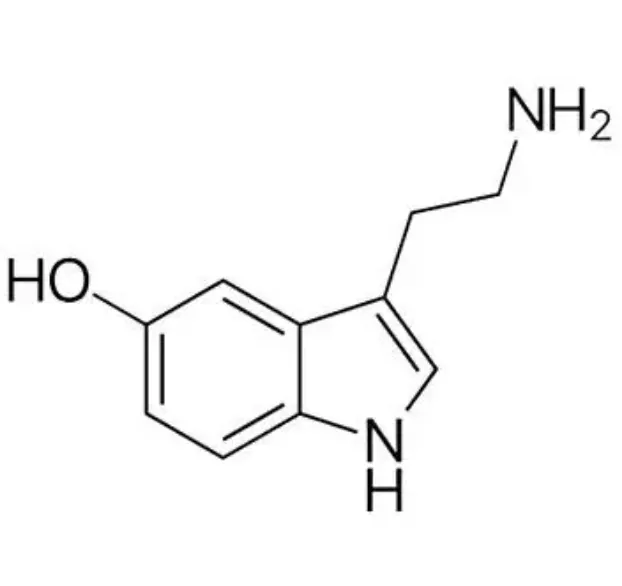
It acts as a neurotransmitter in the brain, but most of it never touches a neuron. It works as a hormone and a local signal in the gut, the blood, the lungs, the bones, fat tissue and the immune system. It has at least 14 receptor types, which is why it does so many different things.
The way I see it, serotonin is a survival signal. It is useful to an organism under attack, fighting for survival, or without food, especially without carbohydrate. It numbs pain when life is bad and resources are low. The price is that metabolism, cognitive function, empathy and libido are turned down while fight-or-flight is turned up.
Serotonin is the primary brake on metabolism and on cognitive function.
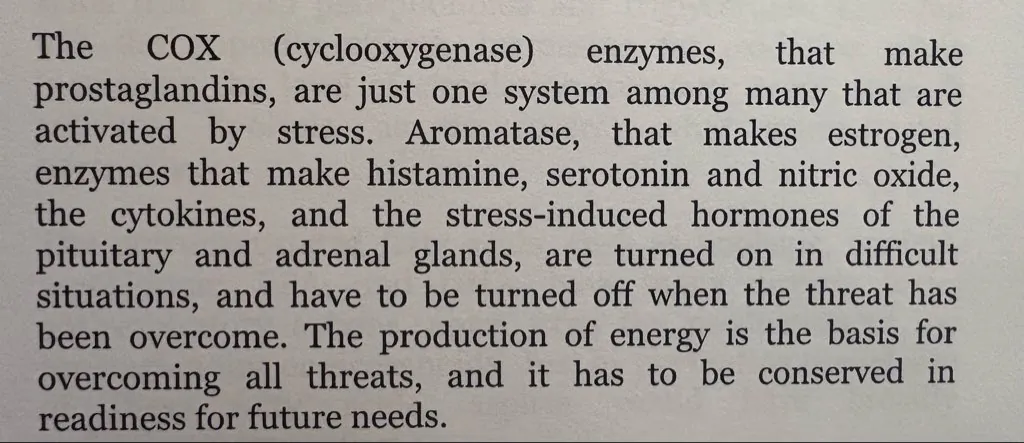
Ray Peat described it the same way: under stress the body switches on a group of mediators that travel together. Serotonin is one of them, next to histamine, nitric oxide, prostaglandins from COX and estrogen from aromatase.
What serotonin is made from
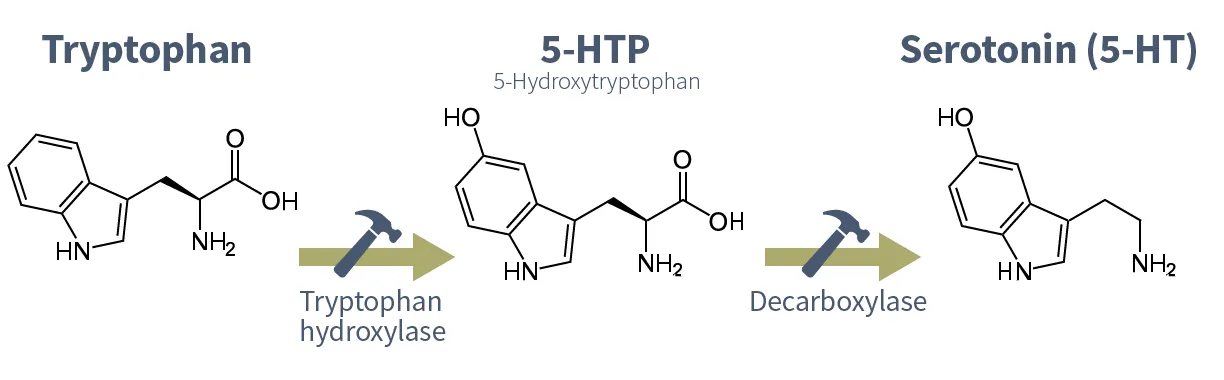
Serotonin is made in two steps from tryptophan, an essential amino acid you get from protein, or from your own muscle when cortisol breaks it down.
- Tryptophanamino acid from protein or broken-down muscle
- TPHtryptophan hydroxylase, the rate-limiting enzyme
- 5-HTP5-hydroxytryptophan
- AADCaromatic amino acid decarboxylase
- Serotonin5-HT, active
- MAOmonoamine oxidase, inside the mitochondria
- 5-HIAAinactive acid, excreted in urine
There are two versions of the first enzyme. TPH1 works in the gut and the rest of the body. TPH2 works in the brain. That is why drugs that block TPH1 can lower serotonin in the body without touching the brain.
Supply matters. Young rats fed a low-tryptophan diet lost brain tryptophan, serotonin and 5-HIAA within one day. The enzyme did not speed up to compensate. So the amount of tryptophan that reaches the cell sets how much serotonin is made.
Tryptophan hydroxylase competes with tyrosine hydroxylase, the enzyme that starts dopamine. That is the root of the dopamine–serotonin seesaw I come back to further down.
Not all tryptophan has to become serotonin. It can also go down the kynurenine path toward niacin and NAD. In my view calcium and a good metabolic rate push more of it that way.
Where serotonin is made
About 95% of the body's serotonin is made in the gut, by enterochromaffin (EC) cells in the gut lining. They release it in response to microbial products, and it is then taken up by platelets and carried around the body.
From there it follows a fixed route:
- Gut. EC cells release serotonin into the gut wall and the blood. Irritation, endotoxin and impact make them release more.
- Platelets. Platelets grab serotonin from the blood with the serotonin transporter (SERT) and store it. When platelets are activated they dump it.
- Lungs. The cells lining the lung vessels have SERT and MAO. They pull serotonin out of the blood and turn it into 5-HIAA.
- Kidneys. 5-HIAA is filtered and leaves in the urine.
- Brain. Blood serotonin normally cannot cross the blood-brain barrier, but tryptophan can. The brain makes its own serotonin from the tryptophan that gets in, and clears it with SERT and MAO.
This route explains how SSRIs work. They block SERT, so serotonin is not pulled back into cells and stays around longer, in the brain and in the blood.
It also explains why the gut matters so much. If 95% is made there, an irritated gut is the biggest source of excess serotonin, and the gut is where the biggest lever is.
How serotonin became the happy hormone
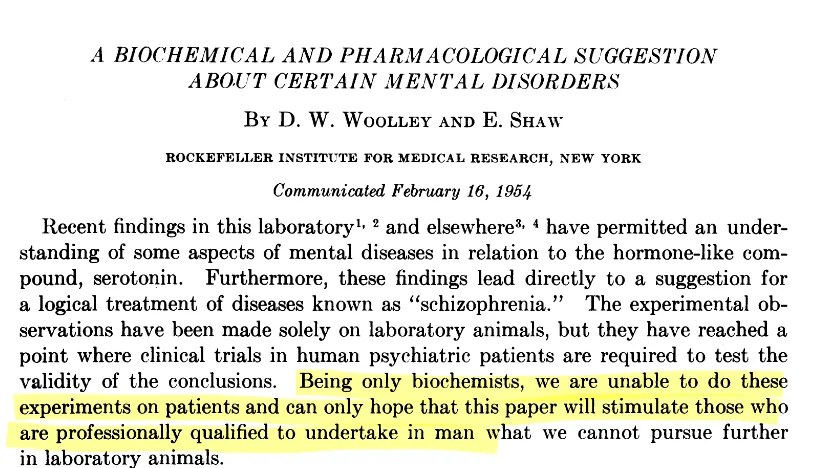
In 1954 Woolley and Shaw proposed the first formal link between serotonin and mental illness. Their argument was that LSD disturbs the mind by blocking serotonin, so raising serotonin should help.
The first SSRI, zimelidine, launched in Europe in 1982. By 1983 it was withdrawn worldwide: the risk of Guillain-Barré syndrome, where the immune system attacks the nerves, was reported as about 25 times higher in people taking it.
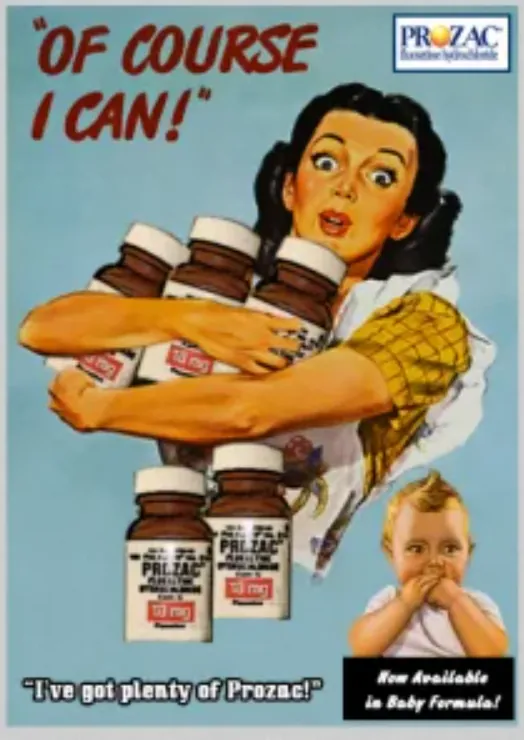
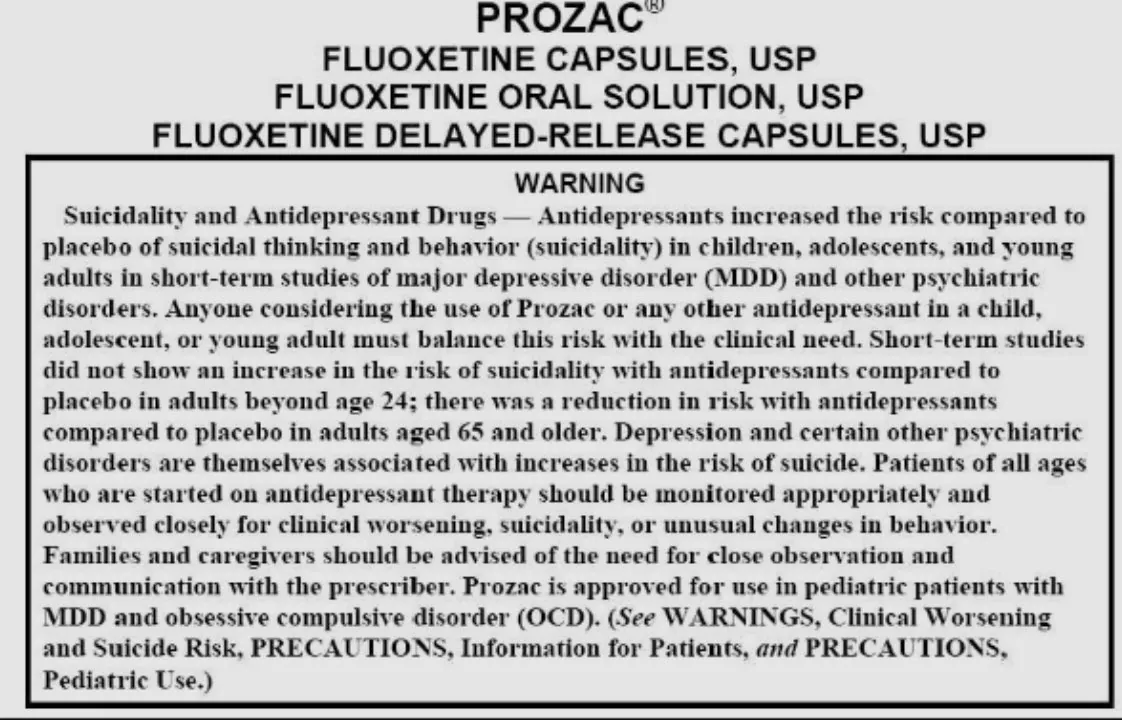
Fluoxetine (Prozac) was approved by the FDA in 1987, together with the chemical imbalance story: depression as a serotonin deficiency, and the pill as the fix. Later analyses found the gap between SSRIs and placebo smaller than presented, especially in mild to moderate depression. SSRIs now carry a boxed warning for suicidal thoughts in young people.
The rest of this page is the other side of the story: what serotonin does to energy, the gut and the hormones.
Serotonin lowers brain energy
Every cell runs on ATP. The clean way to make it is oxidative metabolism: glucose is burned in the mitochondria with oxygen, giving lots of ATP and carbon dioxide. The emergency way is glycolysis to lactate, which gives very little ATP and leaves acid behind. A cell that is pushed from the first to the second is a stressed, low-energy cell.
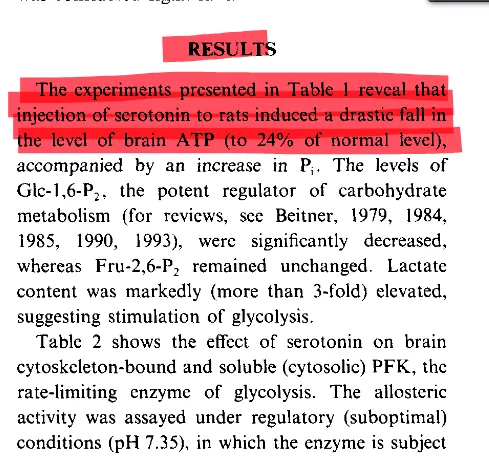
This is the study I come back to more than any other. Israeli researchers injected serotonin into rats and measured the brain.
The study · Rats · one serotonin injection (40 mg/kg)
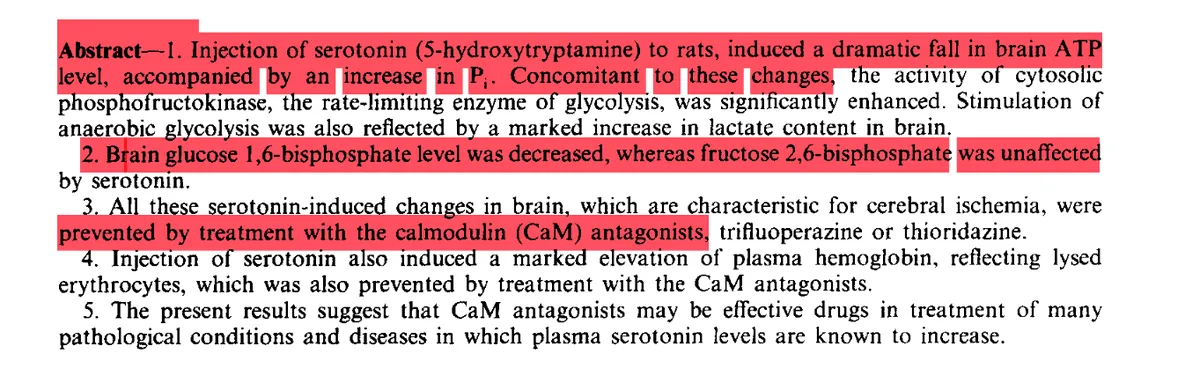
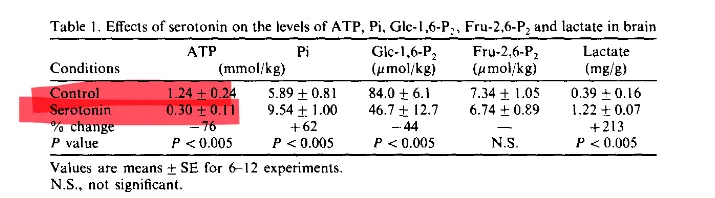
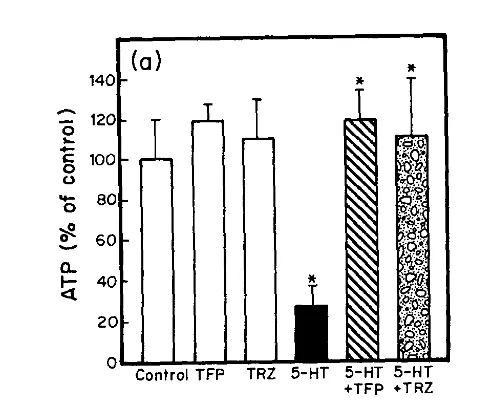
Brain ATP fell to about a quarter of normal
Serotonin-induced decrease in brain ATP, stimulation of brain anaerobic glycolysis and elevation of plasma hemoglobin; the protective action of calmodulin antagonistsGen Pharmacol · 1994 · PMID 7875554
−76%brain ATP after one serotonin injection
What they found
Serotonin caused a drastic fall in brain ATP, a jump in lactate and inorganic phosphate, and a switch to anaerobic glycolysis. Drugs that block calmodulin, a calcium signalling protein, prevented most of it.
In plain words: serotonin pushed the brain from burning glucose with oxygen to fermenting it. The cells were left with a quarter of their energy. The authors also describe the animals becoming depressed and aggressive.
The calcium detail matters. Serotonin works through calcium inside the cell, and too much calcium inside a cell wrecks the mitochondria. The same thing shows up with the drug that raises serotonin.
The study · Human cells · fluoxetine (Prozac)
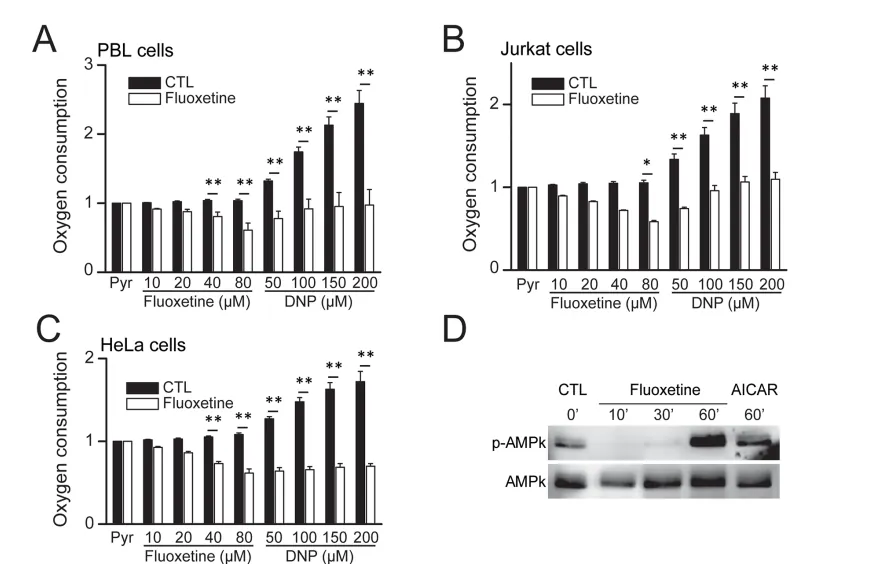
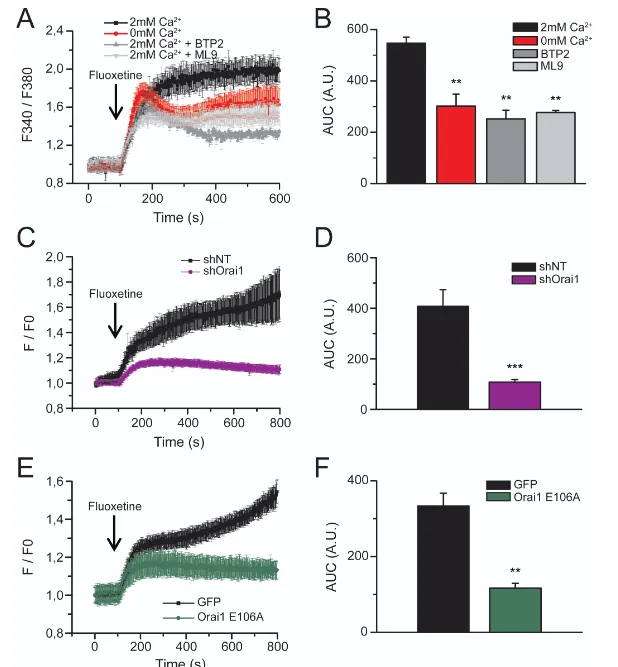
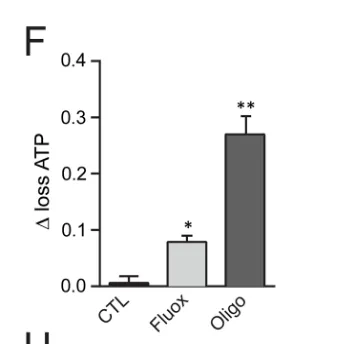
The SSRI cut oxygen use and drained mitochondrial ATP
The antidepressant fluoxetine induces necrosis by energy depletion and mitochondrial calcium overloadOncotarget · 2017 · PMID 27911858
What they found
Fluoxetine inhibited oxygen consumption, lowered mitochondrial ATP, emptied the calcium stores of the ER and overloaded the mitochondria with calcium, ending in cell death by necrosis.
Keep in mind: This was done in cells, at lab concentrations, and the authors were interested in it as a cancer drug. It shows what the drug can do to energy production, not what a normal dose does in a person.
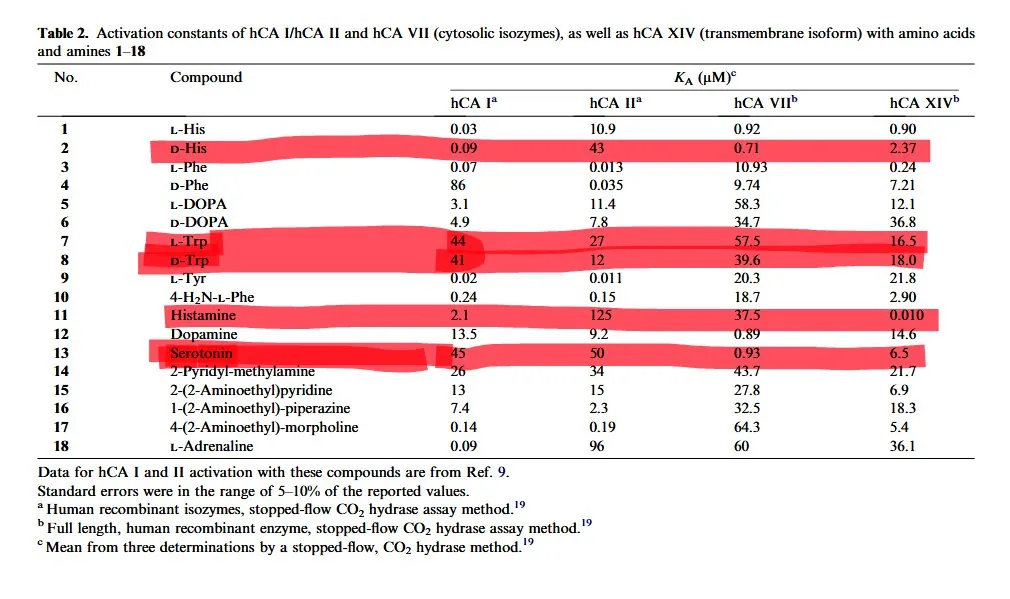
One more piece fits the energy picture. Carbon dioxide is the product of good oxidative metabolism and it protects cells: it helps hemoglobin release oxygen, keeps mast cells quiet and stabilises the cell. Serotonin activates carbonic anhydrase VII, the enzyme that turns CO2 into bicarbonate, at sub-micromolar levels.
The study · Enzyme study · human carbonic anhydrase
Serotonin switched on carbonic anhydrase
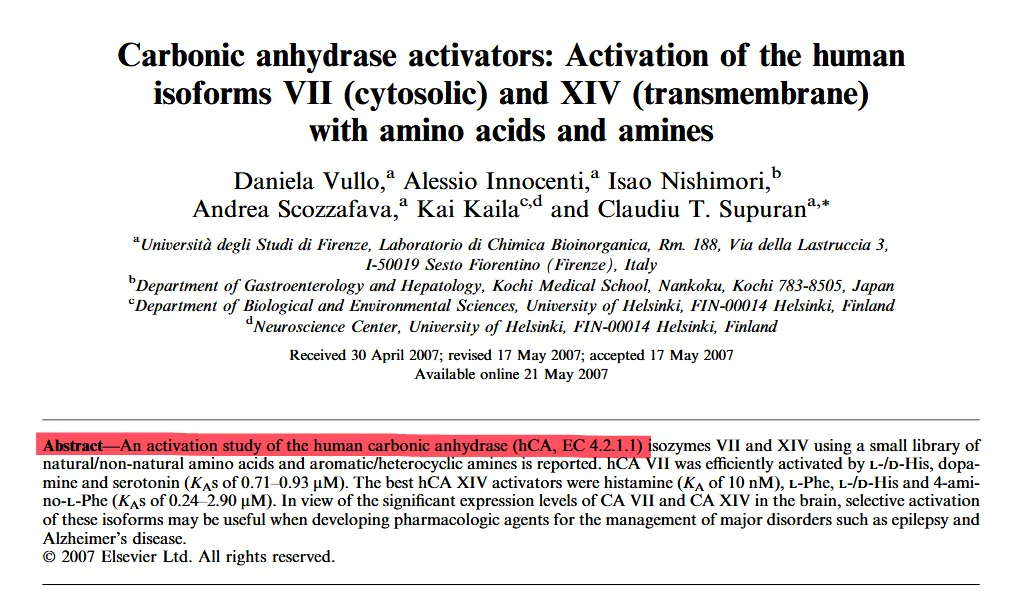
Carbonic anhydrase activators: activation of the human isoforms VII (cytosolic) and XIV (transmembrane) with amino acids and aminesBioorg Med Chem Lett · 2007 · PMID 17540561
What they found
Carbonic anhydrase VII was efficiently activated by histidine, dopamine and serotonin (activation constants 0.71 to 0.93 µM).
Keep in mind: The study measures enzyme activation only. That this lowers CO2 in tissue is my interpretation, and dopamine activated the same enzyme.
Serotonin and gut inflammation
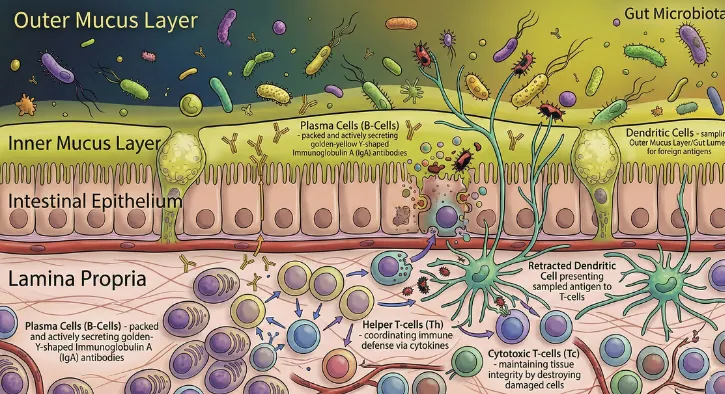
To understand serotonin you have to understand the gut barrier. The gut lining is one layer of cells, sealed by tight junctions and covered by mucus. On one side are trillions of bacteria. On the other side is your blood.
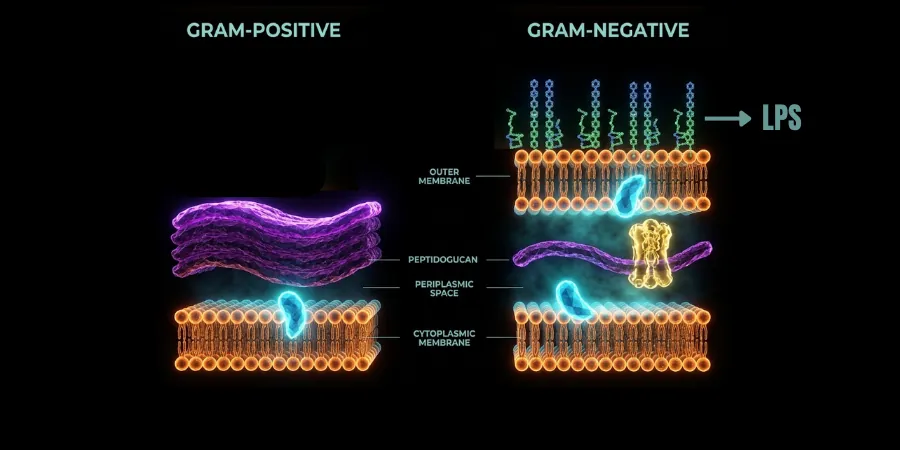
Gram-negative bacteria carry endotoxin (lipopolysaccharide, LPS) in their outer wall. When the barrier leaks, endotoxin gets into the gut wall and the blood.
Once there, endotoxin activates the TLR4 receptor and sets off a whole stress program at once:
- TNF-α, IL-1β, IL-6, prostaglandins and leukotrienes
- Serotonin release from enterochromaffin cells
- The HPA axis: CRH, ACTH, cortisol
- Nitric oxide, which blocks oxidative metabolism
- Aromatase and fatty acid synthase
- Lower testosterone, through the testes and through GnRH and LH
The serotonin part has been measured directly in human tissue.
The study · Human gut cells · Crohn's disease
Inflamed gut cells released twice the serotonin
IL1beta- and LPS-induced serotonin secretion is increased in EC cells derived from Crohn's diseaseNeurogastroenterol Motil · 2009 · PMID 19019013
>2×serotonin secretion from Crohn's EC cells vs normal EC cells
What they found
Exposed to E. coli endotoxin or IL-1β, enterochromaffin cells from Crohn's colitis released more than twice as much serotonin as cells from normal gut. Blocking TLR4 or the IL-1 receptor reversed it. The authors suggest that blocking EC-cell serotonin could be a therapy for inflammatory bowel disease.
Serotonin then makes the leak worse, which lets in more endotoxin. That is the vicious cycle.
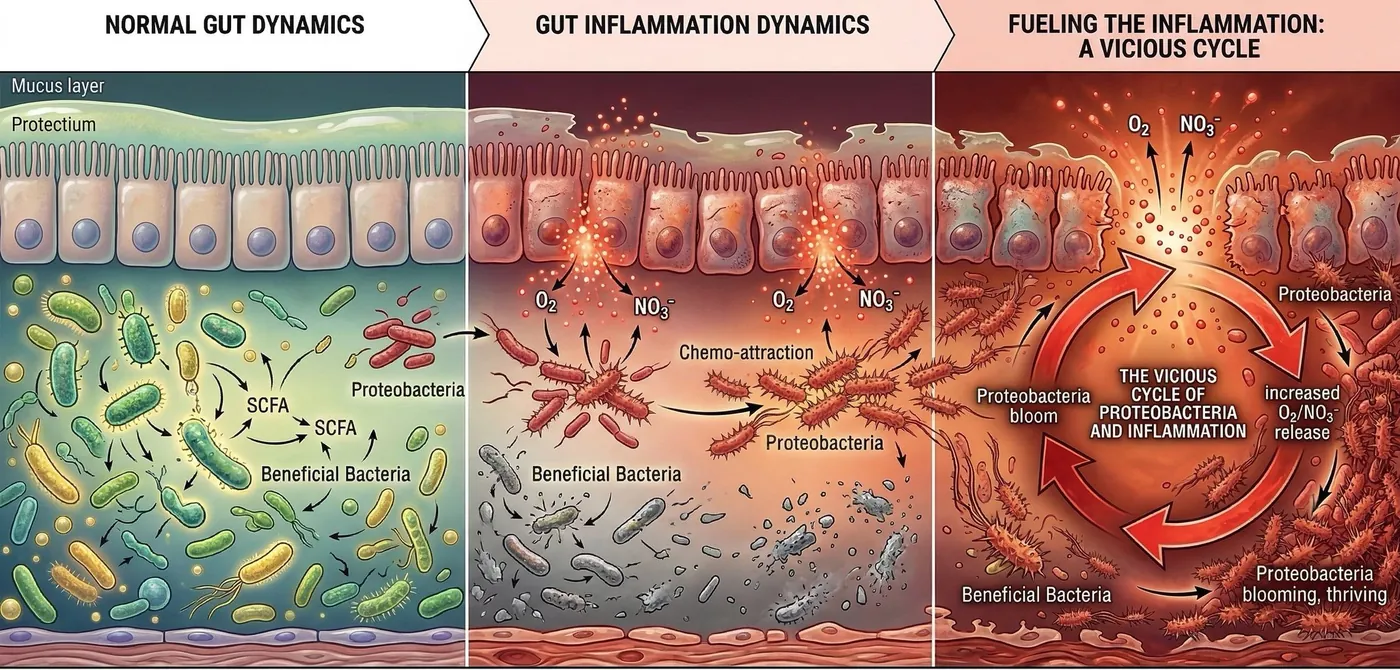
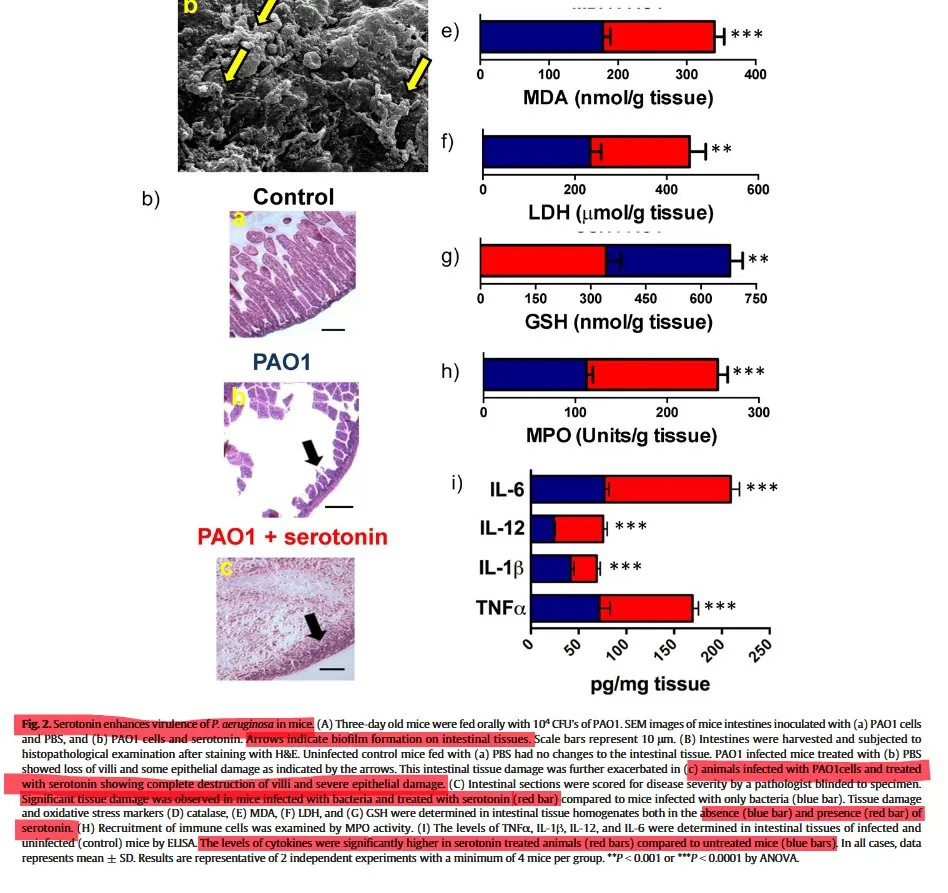
There is a second reason serotonin matters in the gut. Bacteria can read it. Serotonin acts as a quorum-sensing signal, the chemical bacteria use to coordinate, switch on their weapons and build biofilms.
The study · Bacteria and mice · Pseudomonas aeruginosa
Serotonin made a pathogen more virulent
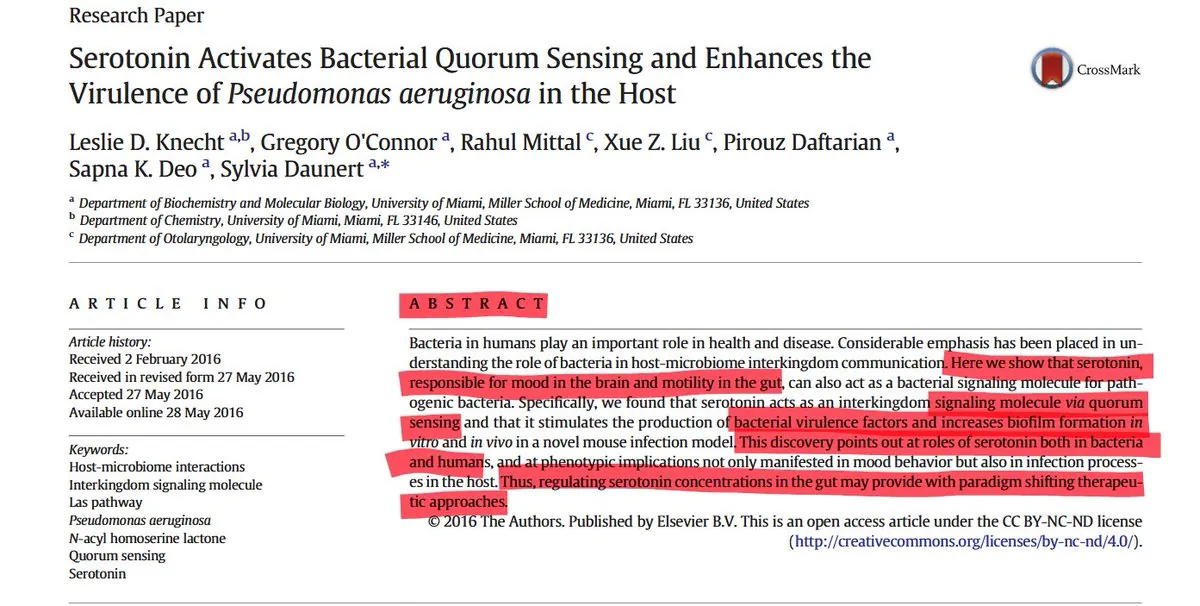
Serotonin Activates Bacterial Quorum Sensing and Enhances the Virulence of Pseudomonas aeruginosa in the HostEBioMedicine · 2016 · PMID 27333040
What they found
Serotonin acted as a signalling molecule for pathogenic bacteria, stimulated their virulence factors and increased biofilm formation, in the dish and in infected mice. The authors conclude that regulating gut serotonin may be a new way to treat infection.
If serotonin is not addressed there is no point in trying to fix your microbiome.
You might expect that clearing serotonin away faster would be bad for the gut, and keeping it longer would be good. The opposite was found. Mice without the serotonin transporter, so with more serotonin left in the gut wall, did worse in colitis.
The study · Mice · SERT knockout, TNBS colitis
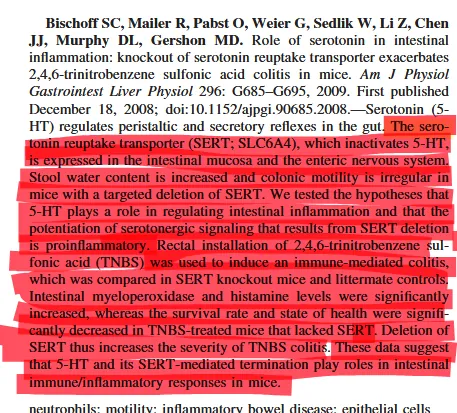
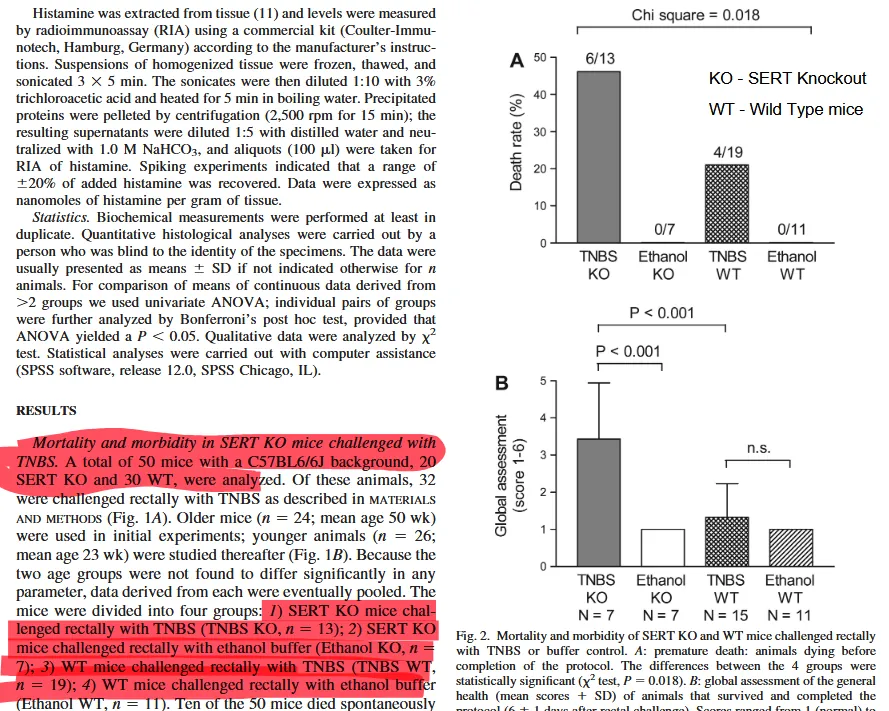
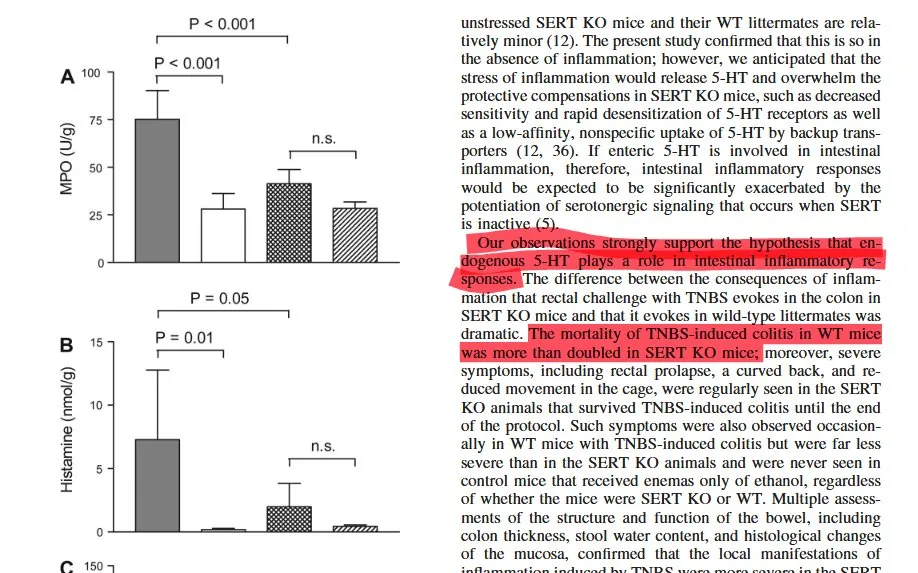
More serotonin in the gut wall, worse colitis
Role of serotonin in intestinal inflammation: knockout of serotonin reuptake transporter exacerbates 2,4,6-trinitrobenzene sulfonic acid colitis in miceAm J Physiol Gastrointest Liver Physiol · 2009 · PMID 19095763
6/13SERT-knockout mice died, vs 4/19 normal mice
What they found
Knocking out the serotonin transporter made chemical colitis worse: higher mortality, worse inflammation scores, more MPO and more histamine.
This is what SSRIs do to the transporter. In humans the same pattern shows up in irritable bowel syndrome: people with post-infective IBS and IBS with diarrhoea release more serotonin after meals and have impaired SERT, with similar findings in coeliac and Crohn's disease. Serotonin speeds the gut and pulls water into it, which is why diarrhoea is the classic serotonin symptom.
Endotoxin does one more thing that ties all of this to energy: in infection it shuts down the enzyme that lets glucose be burned.
The study · Rats · sepsis
Infection switched off glucose burning in muscle
Sepsis-induced alterations in pyruvate dehydrogenase complex activity in rat skeletal muscle: effects on plasma lactateShock · 1996 · PMID 8856841
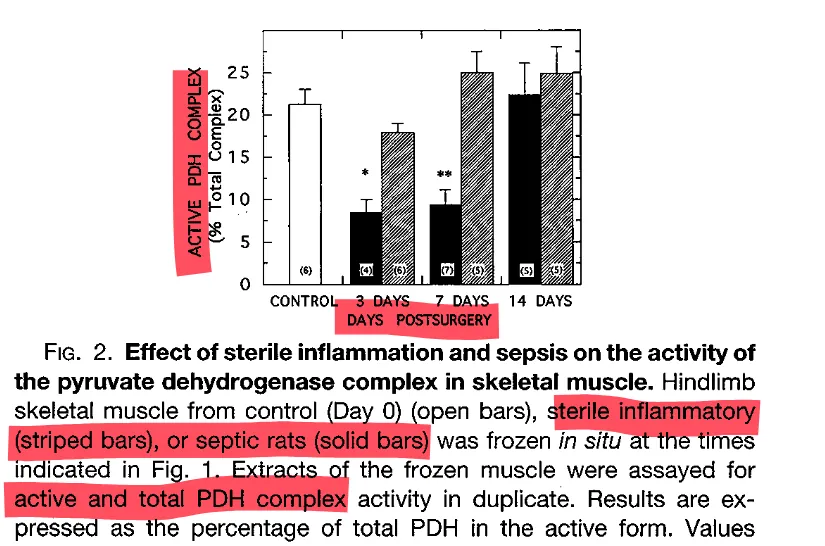
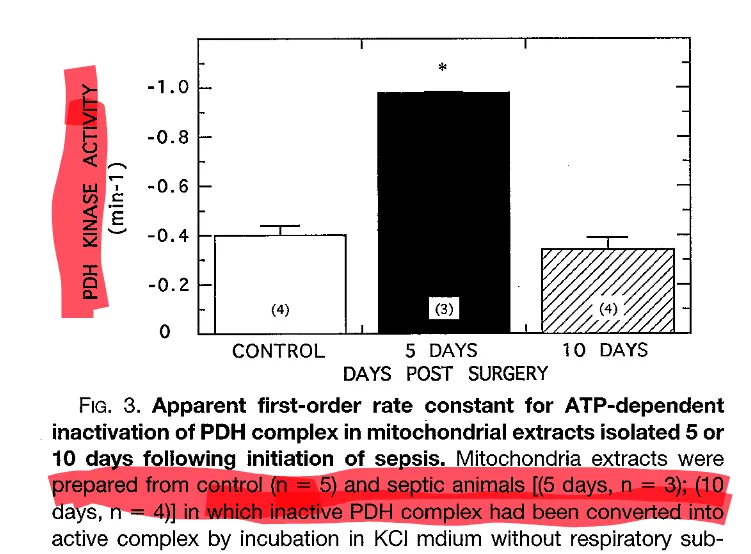
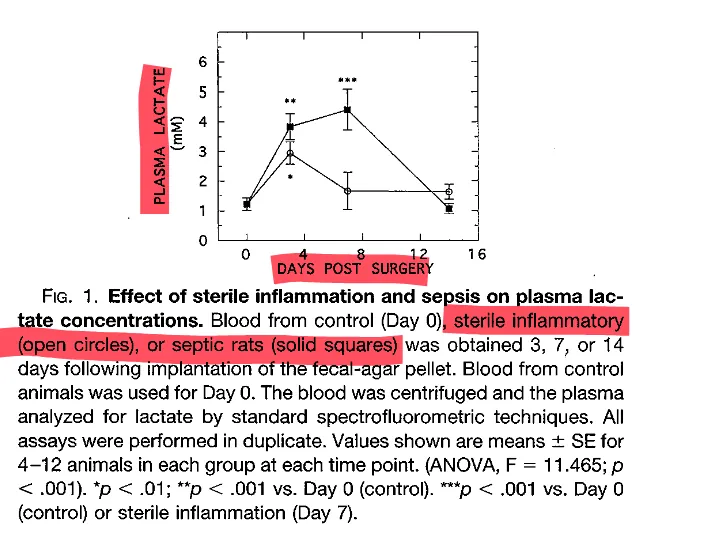
What they found
Sepsis lowered the active form of pyruvate dehydrogenase, the gate between glycolysis and the mitochondria, doubled PDH kinase activity, and kept blood lactate high.
Healing the barrier
So the first job is the barrier itself. Glycine is a building block of the MUC2 mucus layer, which is why I eat beef gelatin. Glycine also calms the immune cells that respond to endotoxin: in the image below, glycine blunted the calcium spike that endotoxin triggers in these cells.
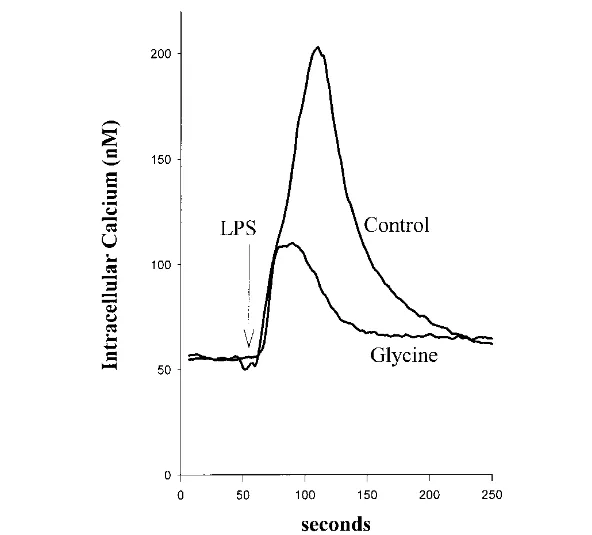
When the lining itself is damaged, BPC-157 is what I reach for. It is a peptide from a protein found in stomach juice. In rats it healed colon fistulas and normalised MDA and nitric oxide, and in a model of ischemic colitis it restored blood flow to the colon wall, acting through the nitric oxide system. These are animal studies, but the pattern across them is consistent: faster healing of damaged gut tissue.
BPC-157 CapsulesView productThe whole gut plan is in How to fix leaky gut and in my article Heal your gut barrier.
Serotonin and nitric oxide
Nitric oxide (NO) is the next link. When endotoxin reaches the tissue it switches on the inducible enzyme iNOS, which makes large, toxic amounts of NO.
The study · Review · endotoxin, IL-1β and iNOS
Endotoxin → IL-1β → iNOS → toxic nitric oxide
The nitric oxide hypothesis of agingExp Gerontol · 1998 · PMID 9951625
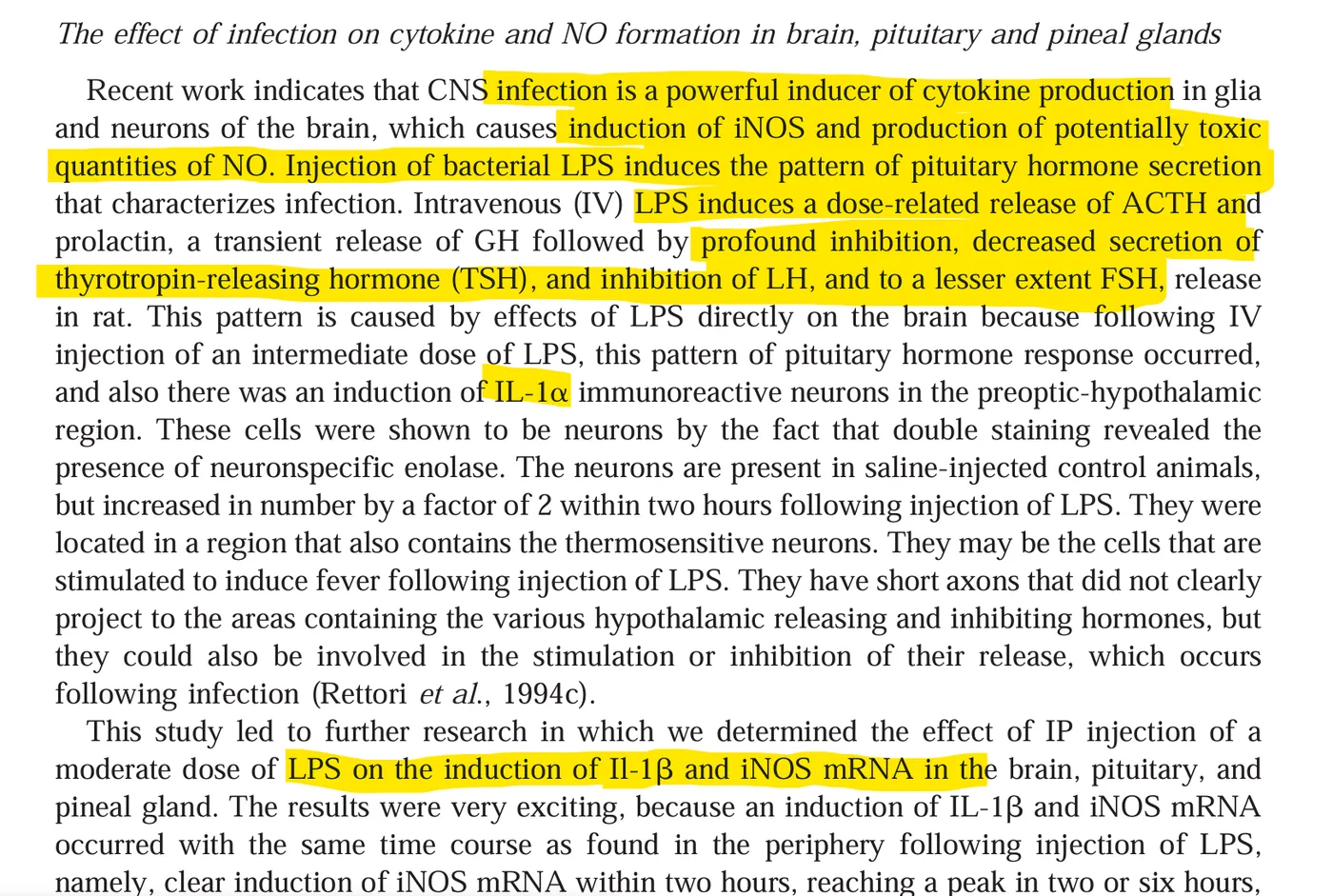
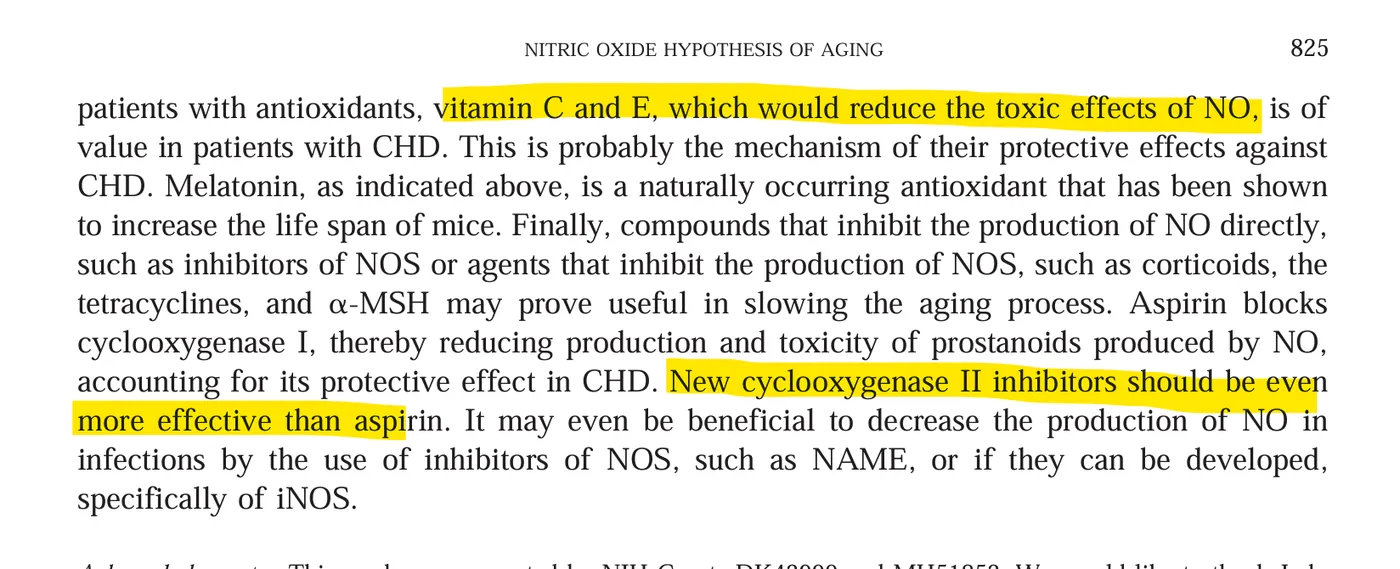
What they found
Endotoxin induces IL-1β, which induces iNOS, which produces toxic levels of NO. Antioxidants, including vitamins C and E and melatonin, reduced the toxic effects.
NO is a problem for energy because it sits on the last enzyme of the mitochondria. At nanomolar levels it inhibits cytochrome oxidase by competing with oxygen. The cell has oxygen but cannot use it, and falls back on glycolysis, the same switch serotonin causes.
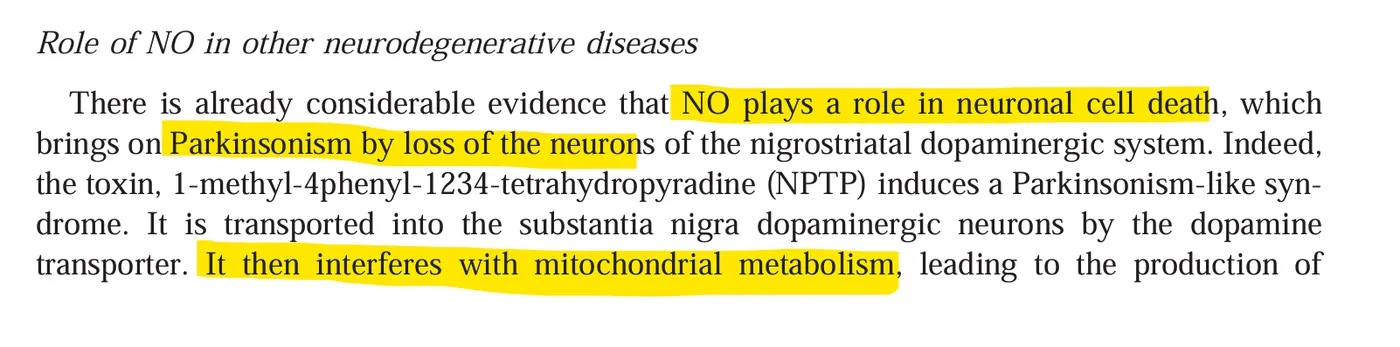
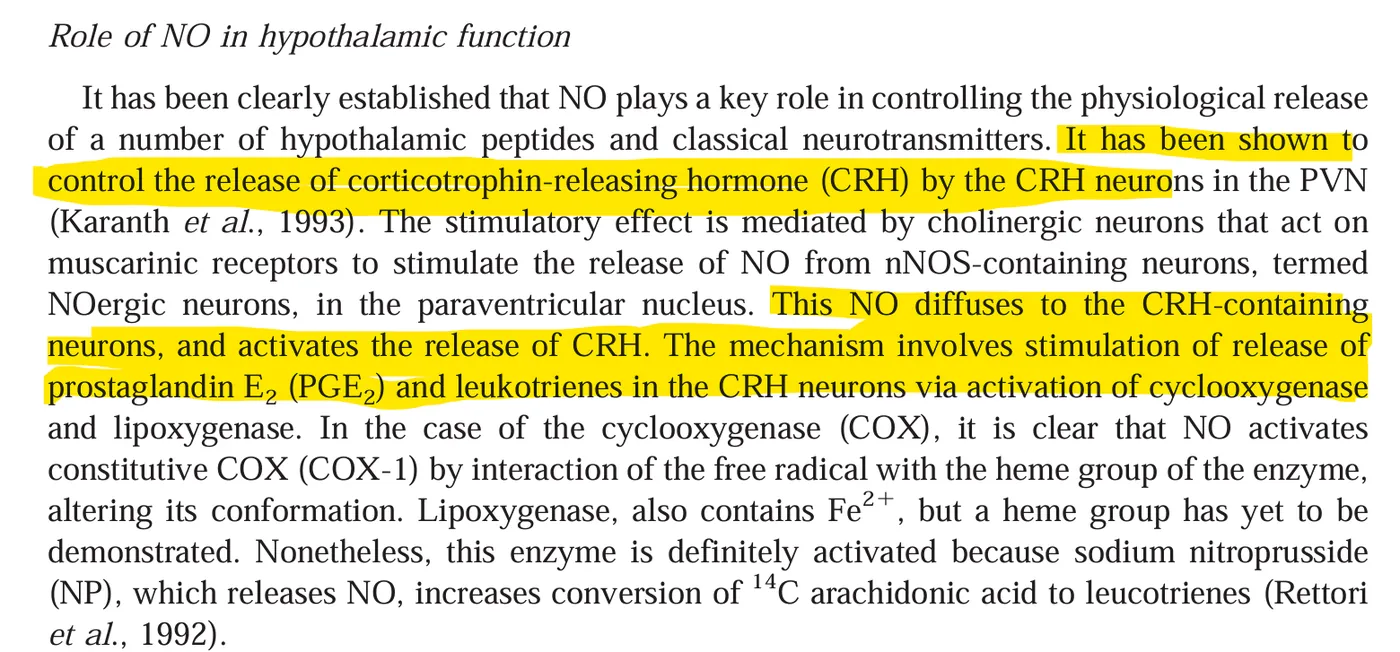
NO also drives the stress hormones. In the hypothalamus it releases CRH, inhibits dopamine so prolactin rises, and activates COX and LOX, the enzymes that make prostaglandins and leukotrienes.
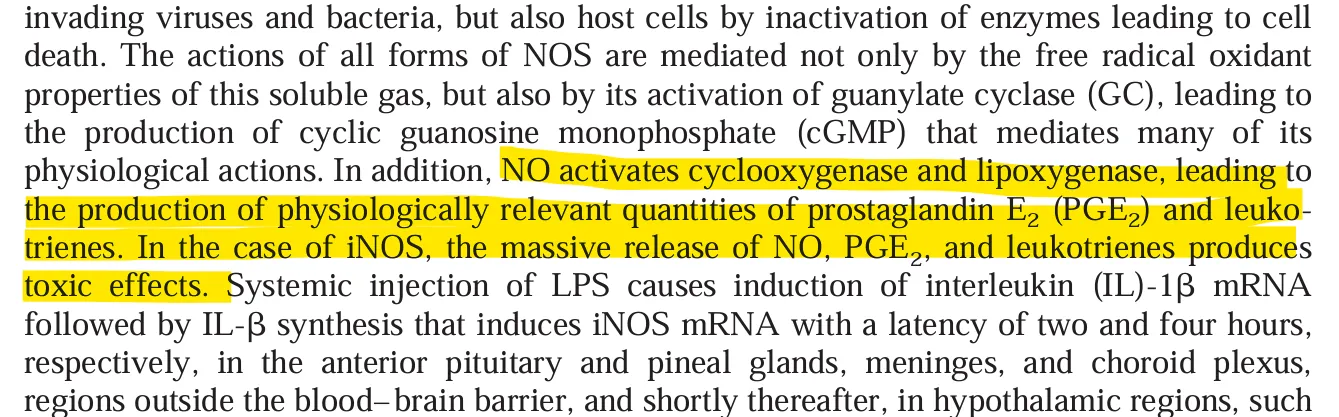
And here the circle closes. As I explain in the nitric oxide article, CRH activates mast cells, which release histamine and serotonin, which raise NO, NF-κB and PGE2 further and make the gut more permeable. ACTH adds to the permeability, so more endotoxin enters the blood.
- Leaky gutendotoxin enters the tissue
- iNOS → NOblocks cytochrome oxidase
- CRHstress axis switched on
- Mast cellsrelease histamine + serotonin
- More permeabilitymore endotoxin gets in
Carbon dioxide works against this loop. In rats, raising CO2 reduced endotoxin lung injury and lowered nitrogen oxides. CO2 also keeps mast cells from releasing histamine and serotonin. That is one reason I care so much about burning carbohydrate well: only carbohydrate oxidation produces this much CO2.
The full story is in Nitric oxide ages you faster and in The downfall of SSRI drugs.
Serotonin and the stress hormones
Serotonin does not act alone. It raises cortisol, prolactin and estrogen, and each of them raises serotonin back. This is the part most people never hear about.
Cortisol
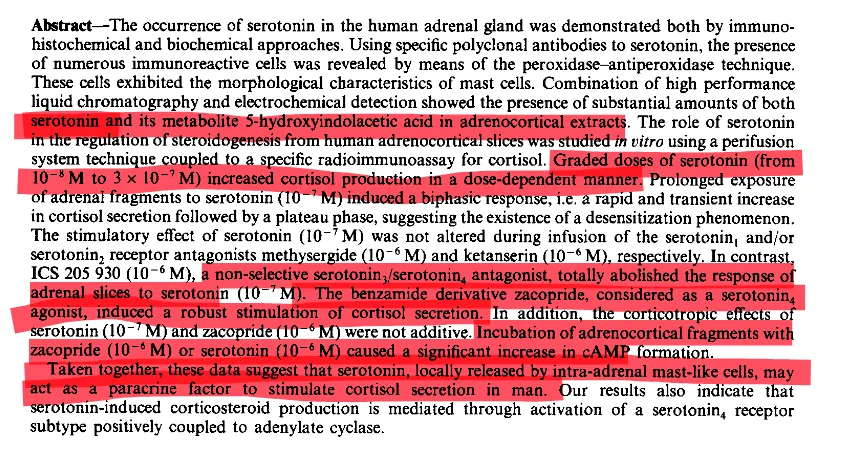
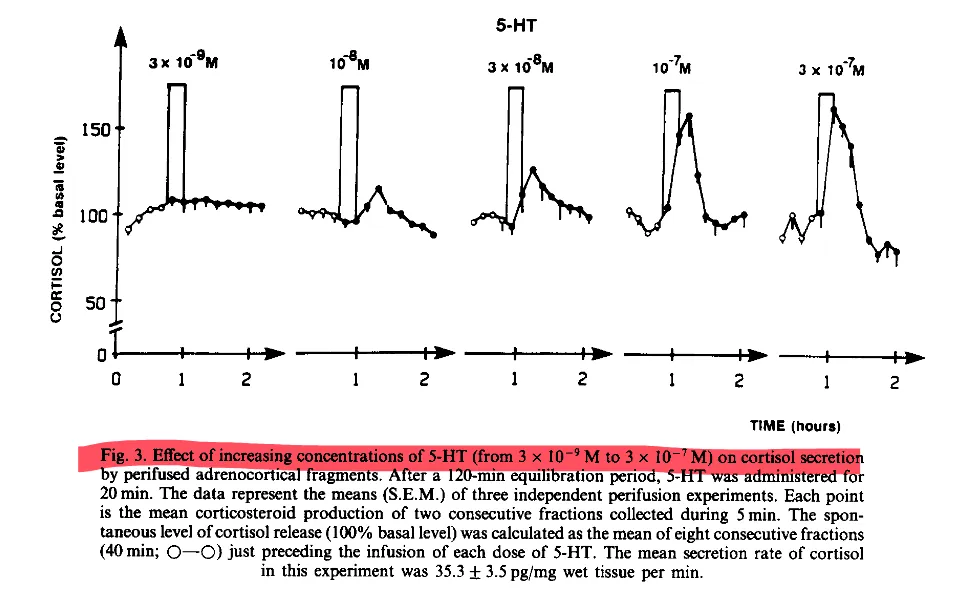
Mast cells inside the human adrenal gland contain serotonin, and serotonin drives cortisol directly.
The study · Human adrenal tissue
Serotonin raised cortisol, dose by dose
Serotonin-induced stimulation of cortisol secretion from human adrenocortical tissue is mediated through activation of a serotonin4 receptor subtypeNeuroscience · 1992 · PMID 1374544
What they found
Serotonin increased cortisol production from human adrenal tissue in a dose-dependent way, through the 5-HT4 receptor.
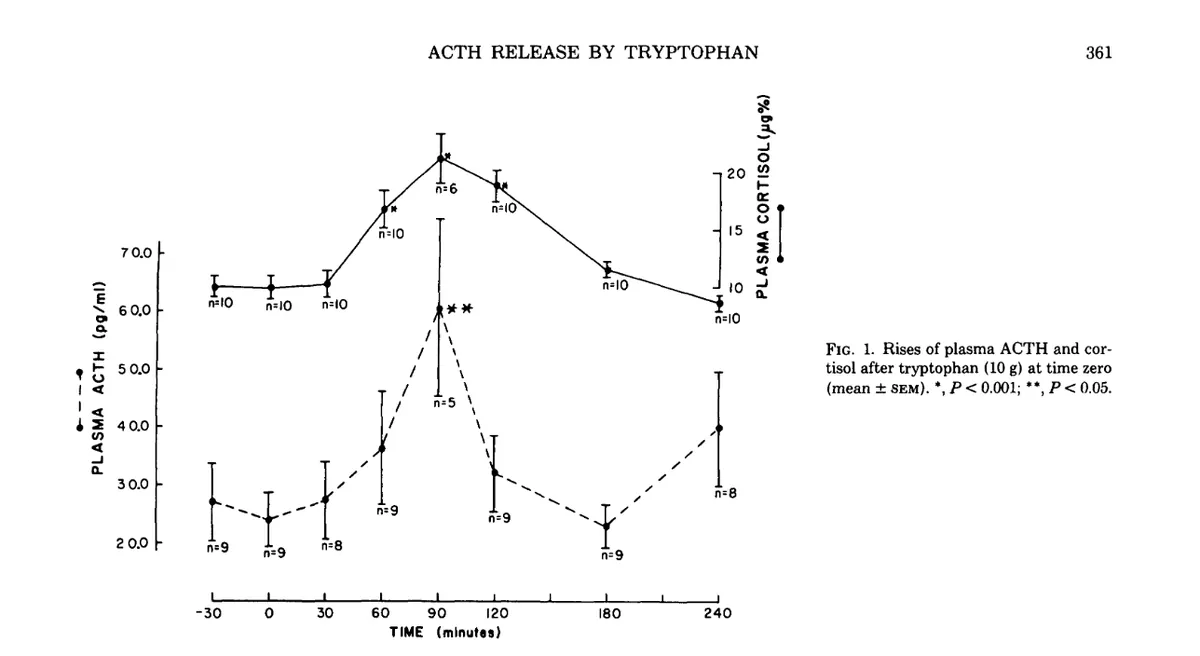
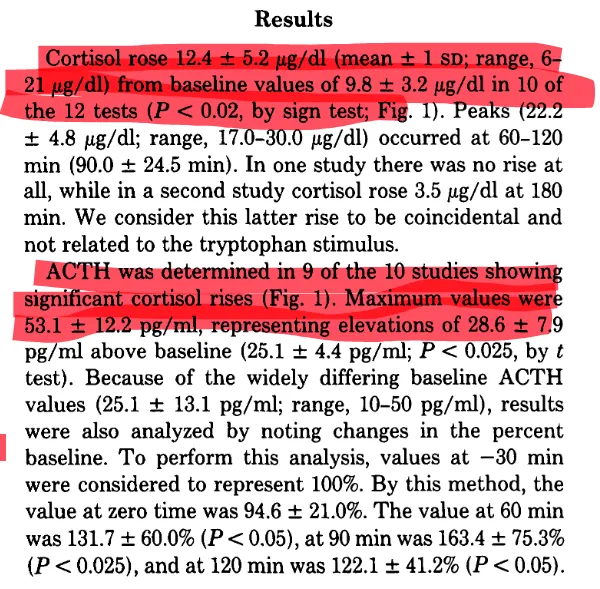
Giving the raw material works too. A large dose of tryptophan raised ACTH and cortisol in people.
The study · Humans · 10 g tryptophan
Tryptophan raised ACTH and cortisol
Adrenocorticotropin release by tryptophan in manJ Clin Endocrinol Metab · 1980 · PMID 6243668
+102%average ACTH rise in responders
What they found
Cortisol rose 12.4 ± 5.2 µg/dl in 10 of 12 tests, and ACTH rose by about 100% above baseline in the responders. The authors suggest it works through the brain's serotonin system.
And the SSRI does the same in healthy people within a week.
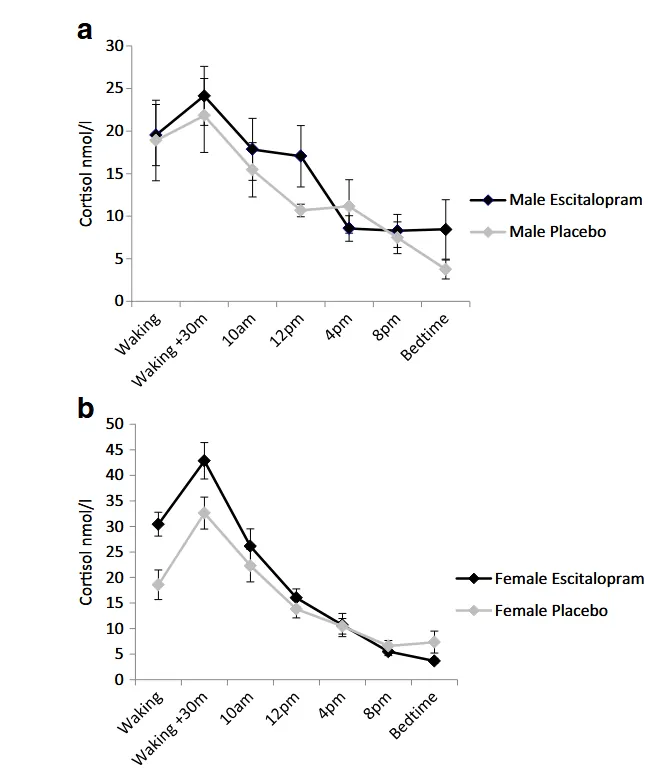
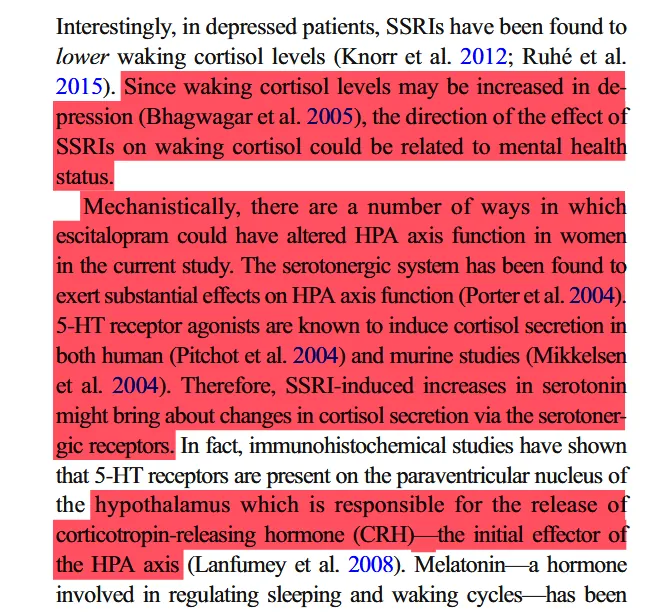
The study · Healthy volunteers · escitalopram 10 mg, 6 days
Six days of an SSRI raised waking cortisol in women
The effects of six-day SSRI administration on diurnal cortisol secretion in healthy volunteersPsychopharmacology (Berl) · 2018 · PMID 30283981
What they found
Women taking escitalopram had steeper cortisol slopes across the day than women on placebo, driven by higher waking cortisol.
Cortisol in turn breaks down muscle into amino acids, tryptophan included, which feeds more serotonin.
Prolactin
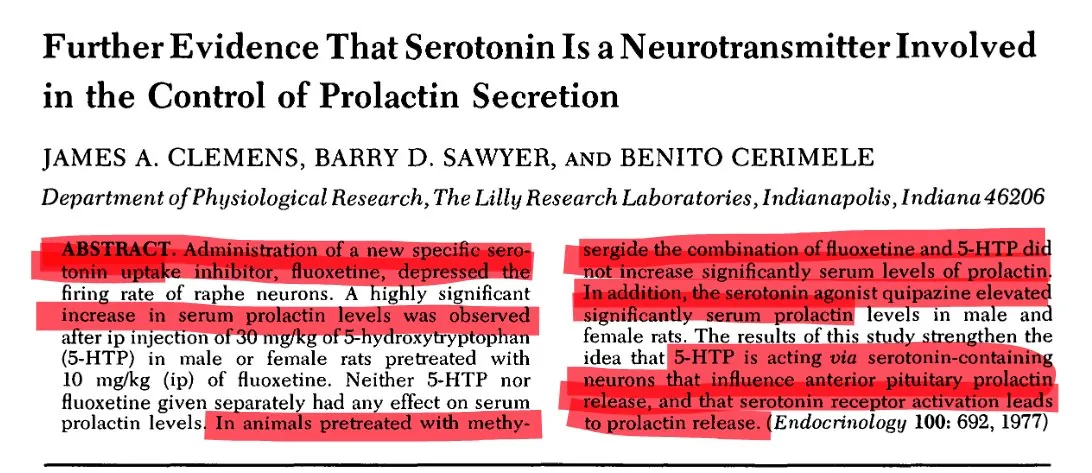
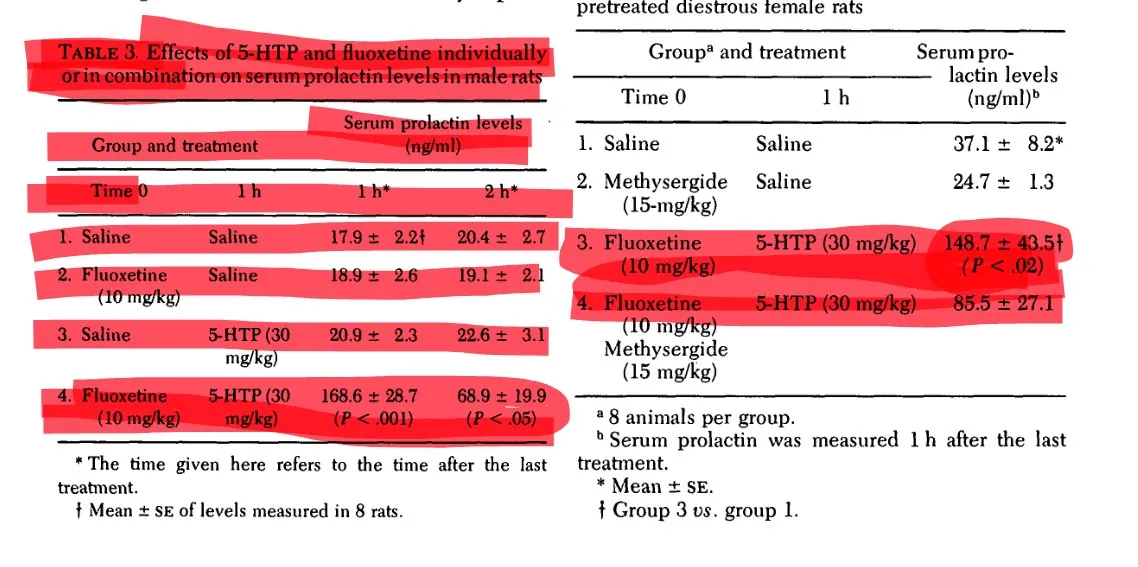
Serotonin is one of the main signals that releases prolactin from the pituitary. Combining an SSRI with a serotonin precursor shows it clearly.
The study · Rats · fluoxetine + 5-HTP
Prozac plus 5-HTP sent prolactin through the roof
Further evidence that serotonin is a neurotransmitter involved in the control of prolactin secretionEndocrinology · 1977 · PMID 401022
148.7ng/ml prolactin with fluoxetine + 5-HTP
What they found
Fluoxetine plus 5-HTP caused a highly significant rise in serum prolactin. Neither drug alone did. Pretreating with the serotonin blocker methysergide stopped the rise.
High prolactin lowers libido and sexual function, and in my view it explains a lot of the sexual side effects of SSRIs. It also does something to metabolism that loops straight back to serotonin.
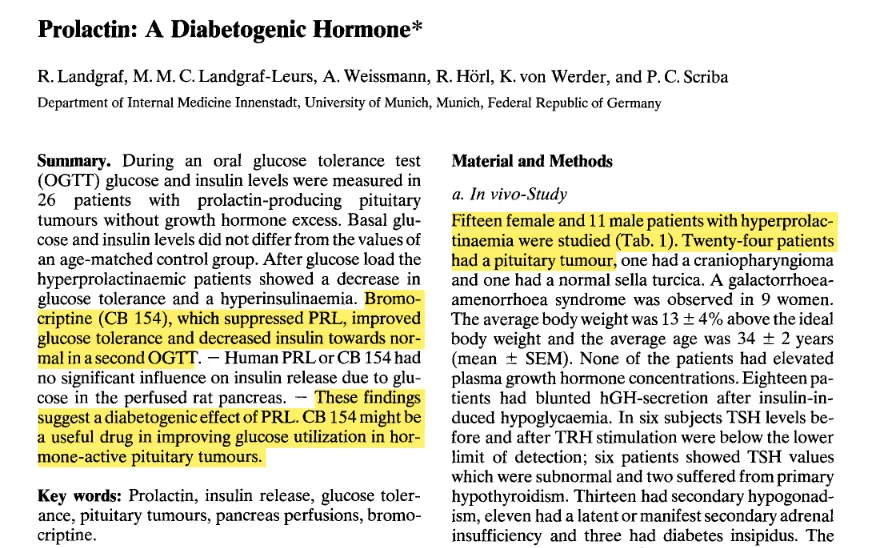
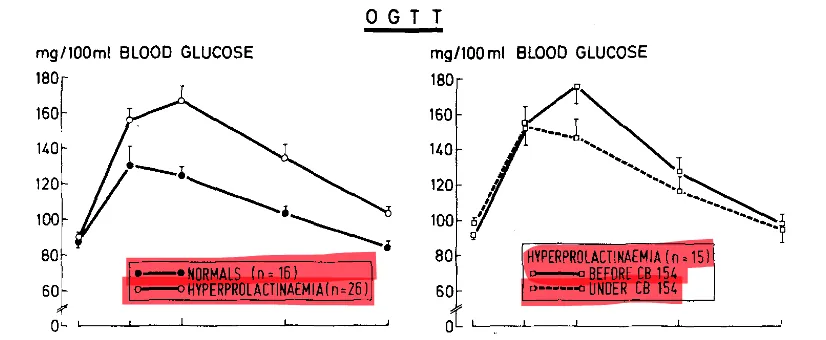
The study · Humans · hyperprolactinaemia
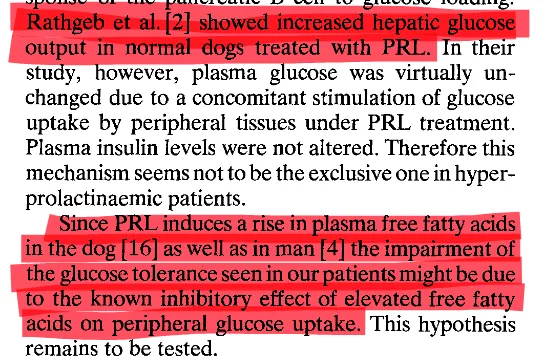
Prolactin worsened glucose tolerance and raised free fatty acids
Prolactin: a diabetogenic hormoneDiabetologia · 1977 · PMID 852641
What they found
Women with high prolactin had impaired glucose tolerance. Bromocriptine, which suppressed prolactin by 54 to 99%, improved it. The authors point to the rise in free fatty acids that prolactin causes.
Free fatty acids
This is the loop I think is most underrated. Tryptophan travels in the blood bound to albumin. Free fatty acids bind to the same protein and push tryptophan off. Free tryptophan crosses into the brain far more easily, so more serotonin is made there.
Free fatty acids rise with stress, fasting, low-carb diets, cortisol, prolactin and growth hormone. Polyunsaturated fats add a second hit: in Ray Peat's account they increase the release of serotonin from platelets.
- Serotoninreleases prolactin
- Prolactinraises free fatty acids
- Free fatty acidspush tryptophan off albumin
- Free tryptophanenters the brain
- More serotoninand the loop starts again
Estrogen
Estrogen keeps serotonin around by slowing its breakdown.
The study · Cells · physiological estradiol
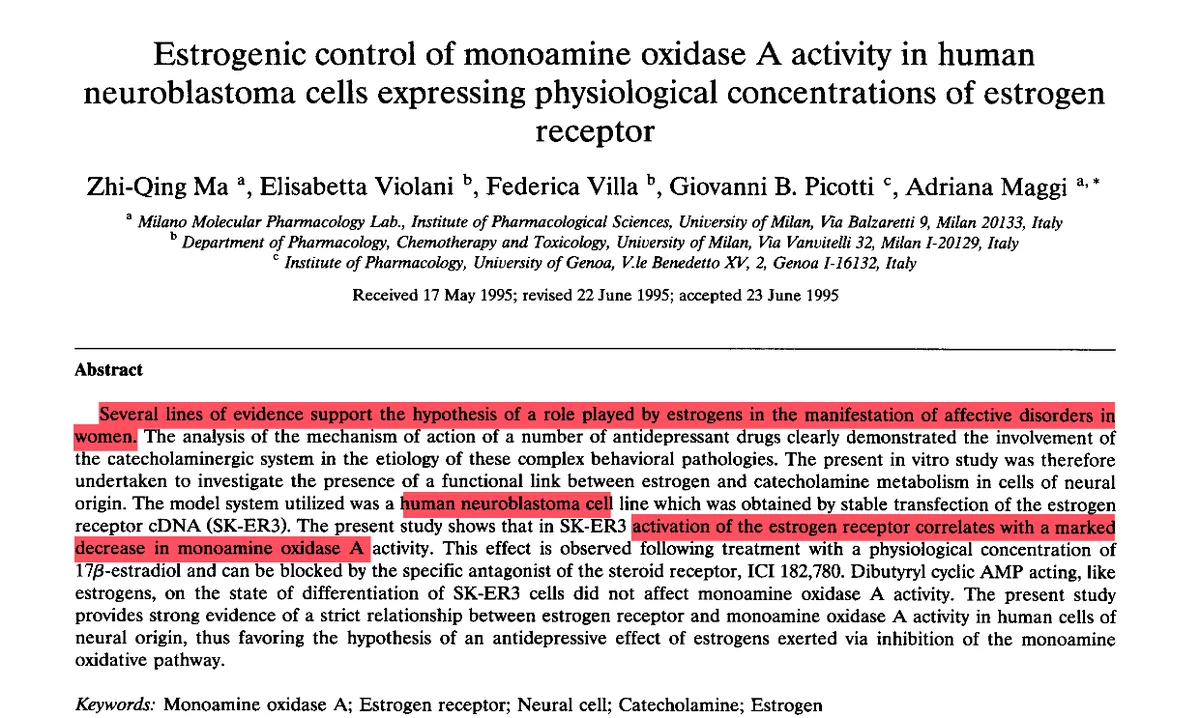
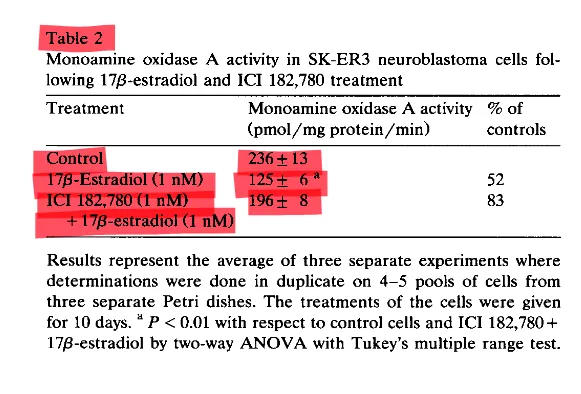
Estrogen cut the enzyme that breaks serotonin down
Estrogenic control of monoamine oxidase A activity in human neuroblastoma cells expressing physiological concentrations of estrogen receptorEur J Pharmacol · 1995 · PMID 8549621
What they found
Estradiol at a physiological concentration markedly decreased MAO-A activity, roughly halving it in the paper's tables. The estrogen-receptor blocker ICI 182,780 prevented the effect.
And serotonin raises estrogen. In placental cells, serotonin and 5-HT2A agonists increased aromatase activity and expression. Aromatase is the enzyme that turns testosterone into estradiol. So estrogen protects serotonin, and serotonin makes more estrogen.
- Serotonin5-HT2A receptor
- Aromatase ↑testosterone → estradiol
- Estrogenlowers MAO-A
- Less breakdownserotonin stays longer
Where vitamin E fits
Vitamin E sits right on these loops. It is the main fat-soluble antioxidant that protects polyunsaturated fats in membranes from oxidising. Its gamma form reacts with nitrogen dioxide without forming the nitrosating agent that the alpha form makes (nitrogen dioxide is a reactive product of nitric oxide), and vitamins C and E reduced the toxic effects of iNOS-made NO in the review above.
I also see vitamin E as an estrogen antagonist, which is how Ray Peat described it. That is my reading rather than an established fact, but it is why I take it whenever estrogen, prolactin or high free fatty acids are part of the picture. I use a full-spectrum form, not plain alpha-tocopherol.
E-Complete Oral SupplementView productDepression is a metabolic problem
If serotonin lowers brain energy, and the problems around it all block oxidative metabolism, then depression starts to look like a low-energy brain. The studies on thyroid hormone and vitamin B1 fit that picture far better than the serotonin-deficiency story.
Thyroid
The study · Review · thyroid hormone and depression
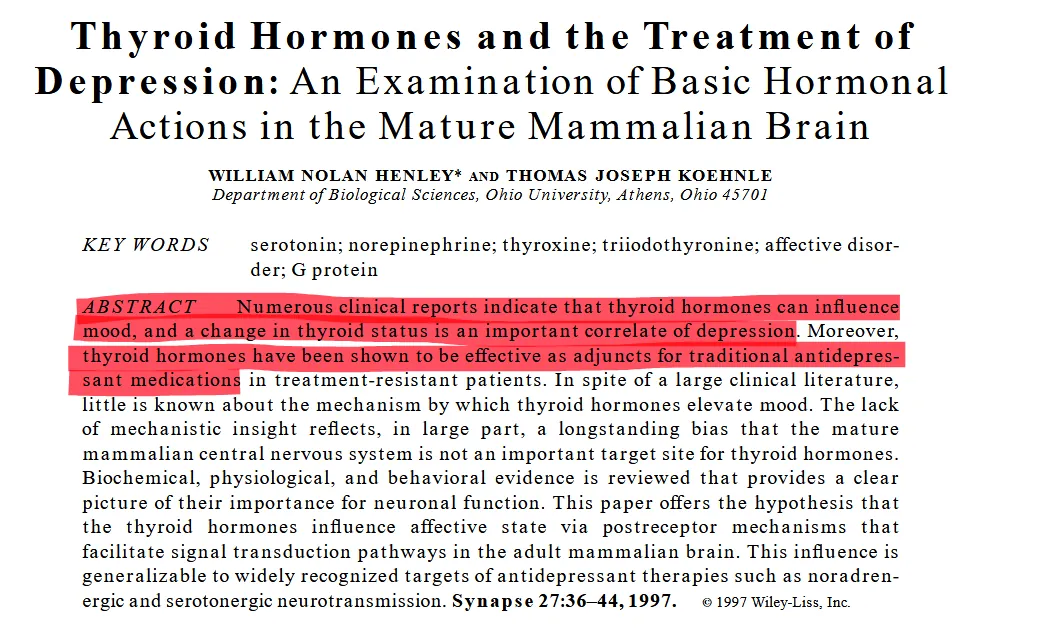
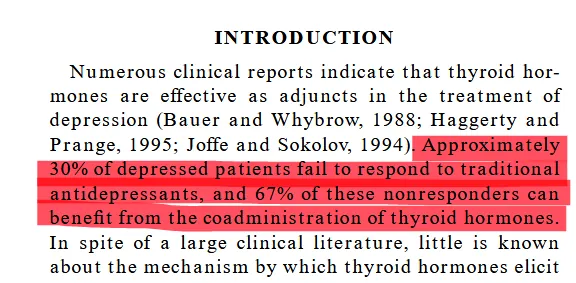
Most patients who fail antidepressants respond to thyroid hormone
Thyroid hormones and the treatment of depression: an examination of basic hormonal actions in the mature mammalian brainSynapse · 1997 · PMID 9268063
67%of antidepressant non-responders who benefit from thyroid hormone
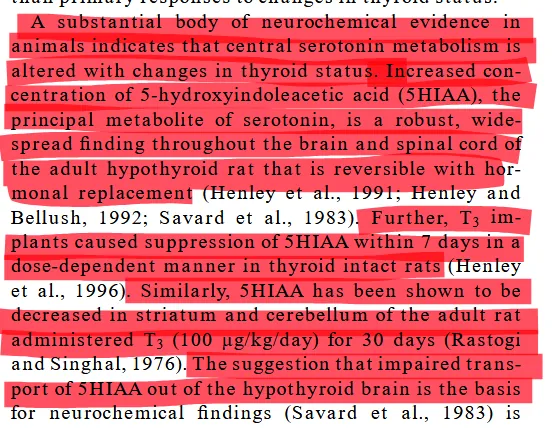
What they found
About 30% of depressed patients do not respond to antidepressants. In the studies the review describes, about two thirds of those benefit when thyroid hormone is added.
Hypothyroid rats also show changes in autonomic control with a central serotonergic component. Thyroid hormone raises the metabolic rate, and a faster metabolism clears serotonin faster.
Vitamin B1
Thiamine is the cofactor that lets pyruvate enter the mitochondria. Without it, glucose turns into lactate instead of CO2.
The study · Randomised, double-blind trial · 51 inpatients
Thiamine on top of an SSRI improved depression faster
Adjuvant thiamine improved standard treatment in patients with major depressive disorder: results from a randomized, double-blind, and placebo-controlled clinical trialEur Arch Psychiatry Clin Neurosci · 2016 · PMID 26984349
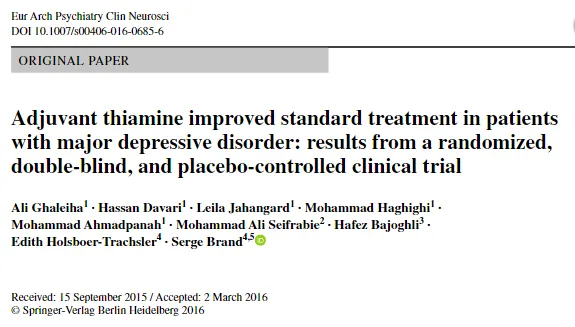
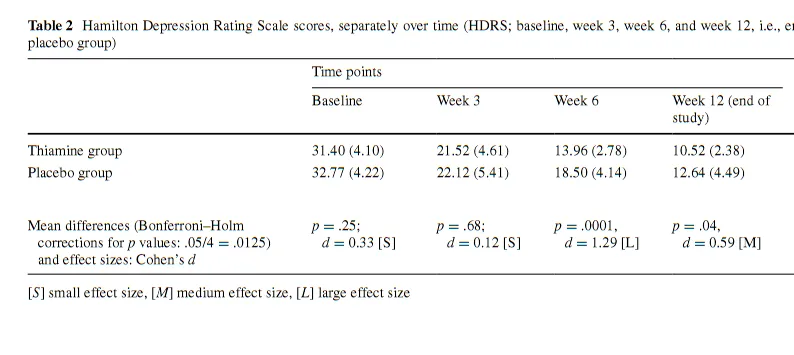
What they found
Inpatients with major depression on a standard SSRI who also took thiamine had lower depression scores at week 6 than those on placebo.
Inflammation blocks the dopamine raw material
Inflammatory cytokines lowered tyrosine transport into cells by 47%. Tyrosine is the raw material for dopamine. So the same gut inflammation that raises serotonin also starves the brain of the thing that opposes it.
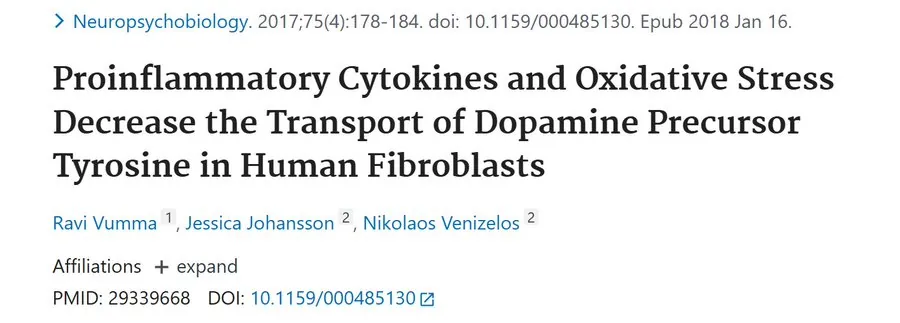
Sexual side effects
In seven men with sexual dysfunction from SSRIs, the serotonin and histamine blocker cyproheptadine, taken before sex, improved sexual function in five, though only briefly in two, and all of them were sedated the next day. A small case series, but it points at serotonin as the cause.
Raise dopamine to lower serotonin
Dopamine and serotonin pull in opposite directions. Dopamine drives motivation, playfulness, libido and focus, and it is the main brake on prolactin. Serotonin does the reverse.
The study · Rats · chronic oral L-DOPA
More dopamine, less serotonin
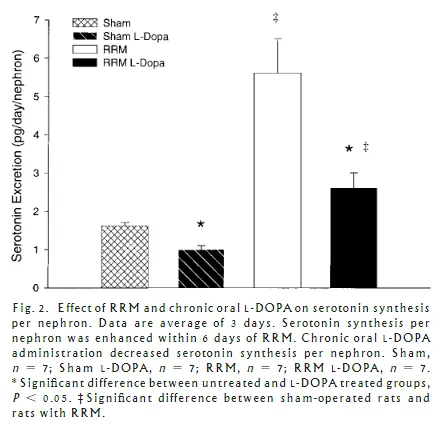
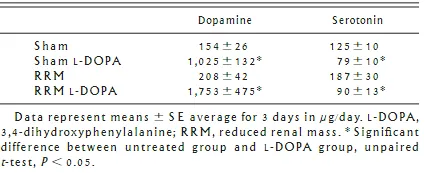
Chronic oral L-DOPA increases dopamine and decreases serotonin excretionsAm J Physiol · 1999 · PMID 10564221
What they found
Chronic oral L-DOPA, the direct precursor of dopamine, increased dopamine excretion and decreased serotonin excretion.
This fits the enzyme competition: dopamine can inhibit tryptophan hydroxylase, and the two pathways compete. In depression, the deficits in the dopamine system are central to the loss of pleasure.
The things that raise dopamine:
- Sunlight. Light on the eyes drives dopamine in the retina and the brain. A walk in the sun lowers cortisol and serotonin.
- Tyrosine. The raw material, and a cheap first thing to try.
- A quiet gut. So cytokines stop blocking tyrosine transport.
- Bromantane. A Russian drug that switches on the genes for tyrosine hydroxylase and DOPA decarboxylase, the two enzymes that make dopamine, in rat brain. It raises dopamine by making more of it, not by forcing it out.
More in Bromantane and dopamine and Reset your brain's reward system.
Serotonin beyond the brain and gut
Fat and blood sugar
Mice without TPH1, the enzyme that makes serotonin in the body, were protected from obesity, insulin resistance and fatty liver on a high-fat diet, and burned more energy in brown fat. Blocking peripheral serotonin synthesis with a drug did the same.
Bone
Gut serotonin suppresses bone building. The bone gene Lrp5 controls bone formation by inhibiting serotonin synthesis in the duodenum, and in rodents blocking gut serotonin synthesis built bone.
Cell growth
Through its 5-HT2B receptor, serotonin pushes cells through the cell cycle by raising cyclin D1 and cyclin E. That is a growth signal.
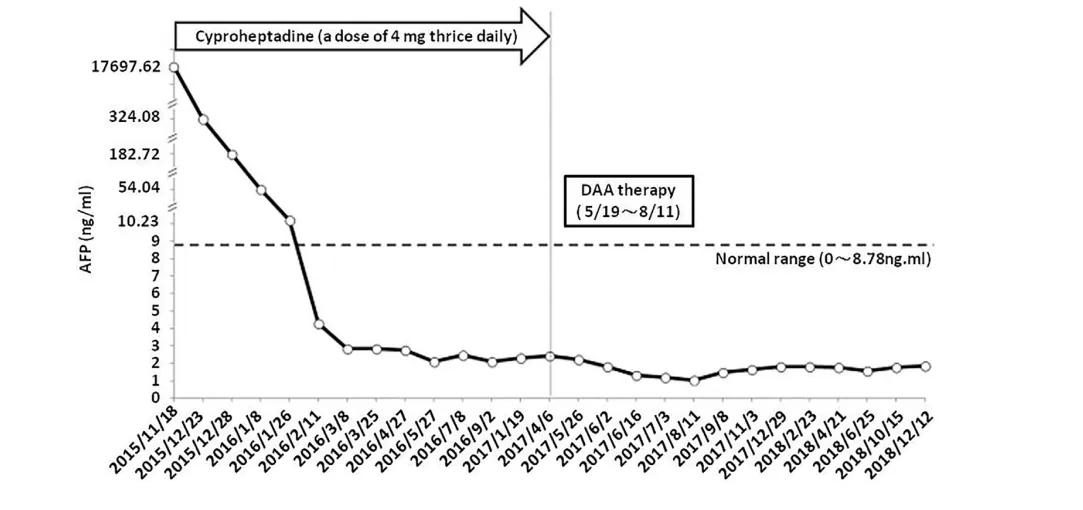
The old serotonin and histamine blocker cyproheptadine has been studied here too. In myeloma and leukemia cells and mice it lowered D-cyclins and slowed tumour growth without significant toxicity. To be precise, the authors found that effect was independent of its serotonin and histamine blocking. There is also a single case report of a woman with suspected advanced liver cancer whose tumour marker returned to normal on cyproheptadine alone.
Histamine and sleep
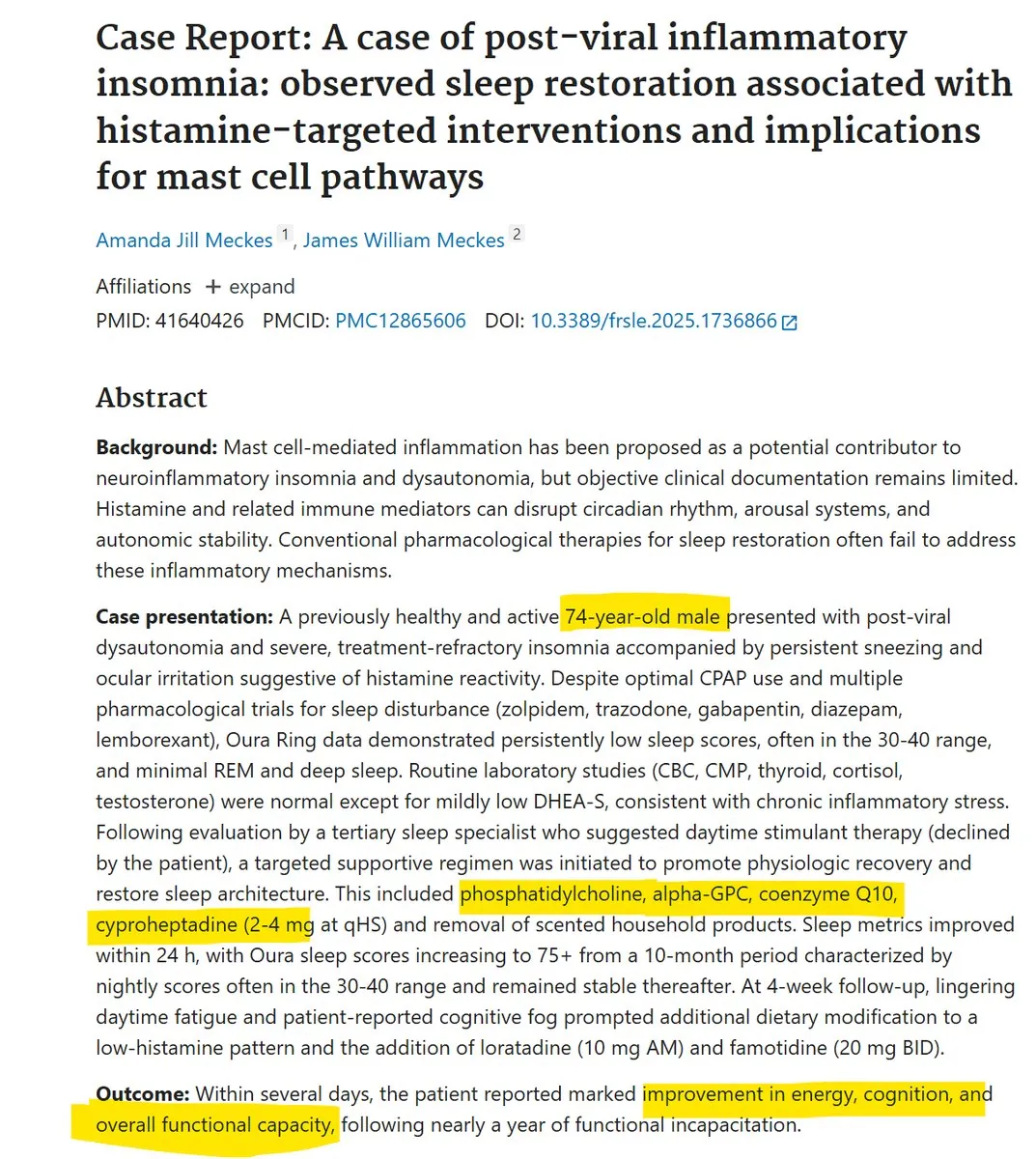
Mast cells store histamine and serotonin together and release them together. Histamine is the sleep antagonist. A case report describes a 74-year-old with severe insomnia after a viral illness whose sleep came back within days on a regimen that included a low dose of cyproheptadine at night. One patient, several changes at once, but it fits.
Serotonin is also tied to nightmares, blood vessel stiffness and leakiness, and fibrosis. The anti-serotonin drugs are increasingly used for fibrotic and vascular leakage problems.
How to lower serotonin
Everything above points to the same levers: a calm gut, low free fatty acids, enough CO2, good thyroid function and more dopamine. This is what I do, in order of importance. The reasoning behind each step is in How to lower serotonin.
- Fix the gut. No fermentable fiber or resistant starch, which feed endotoxin-producing bacteria. A raw carrot a day. Enough carbohydrate for the gut lining. BPC-157 when the lining is damaged.
- Salt and potassium. The serotonin transporter depends on sodium and potassium. I salt everything and get potassium from fruit and juice.
- Sugar instead of fat as fuel. Sugar lowers free fatty acids, so less tryptophan gets into the brain, and keeps cortisol down so muscle is not broken into tryptophan.
- Saturated fat, no seed oils. PUFA release serotonin from platelets. Coconut oil and butter instead.
- Carbon dioxide. Burning carbohydrate well makes CO2, which keeps mast cells and platelets from dumping serotonin and histamine. Over-breathing does the opposite.
- Calcium and magnesium. Calcium pushes tryptophan toward niacinamide and NAD. Magnesium protects against calcium overload inside the cell.
- Gelatin. It has no tryptophan, so eating it with meat lowers the tryptophan share of the meal, and its glycine builds the mucus layer.
- Vitamin B1 and B3. B1 keeps glucose burning to CO2. Niacinamide lowers free fatty acids.
- Vitamin E, plus A, D and K.
- Sunlight and thyroid. Light raises dopamine. A higher metabolic rate clears serotonin faster.
- Aspirin. In my view it lowers serotonin along with estrogen, cortisol and prostaglandins. It can cause stomach bleeding, so ulcers, bleeding problems or blood thinners mean asking your doctor first.
- Prescription serotonin blockers. Cyproheptadine and ondansetron. Both are prescription drugs with real side effects, sedation above all. That is a conversation for your doctor.
The signs I watch: warm hands and feet, a calm mind at night, appetite and libido, no bloating, and wanting to be around people.
Quick answers
What is serotonin?
Serotonin (5-hydroxytryptamine) is a molecule made from the amino acid tryptophan. It works as a neurotransmitter in the brain, but most of it acts as a hormone and local signal in the gut, blood, lungs, bone and immune system.
Where is serotonin made?
About 95% of the body's serotonin is made in the gut by enterochromaffin cells, which release it in response to microbial products. Platelets carry it in the blood. The brain makes its own from tryptophan, because blood serotonin does not cross the blood-brain barrier.
What is serotonin made from?
From tryptophan, in two steps: tryptophan hydroxylase turns it into 5-HTP, and aromatic amino acid decarboxylase turns 5-HTP into serotonin. Monoamine oxidase breaks it down into 5-HIAA.
How does serotonin cause inflammation?
Endotoxin from gut bacteria makes gut cells release serotonin. Serotonin helps bacteria coordinate and form biofilms, worsened colitis in mice with less serotonin clearance, and is linked to IBS. It travels with histamine and nitric oxide in a loop that keeps the gut leaky.
Does serotonin lower energy?
In rats, one serotonin injection lowered brain ATP to about 24% of normal and tripled lactate. In cells, the SSRI fluoxetine lowered oxygen use and mitochondrial ATP.
Should I stop my antidepressant?
No, not on your own. Stopping an antidepressant suddenly can be dangerous. Any change has to be made with your doctor.
The studies
- Serotonin-induced decrease in brain ATP, stimulation of brain anaerobic glycolysis and elevation of plasma hemoglobin; the protective action of calmodulin antagonistsGen Pharmacol · 1994 · PMID 7875554
- The antidepressant fluoxetine induces necrosis by energy depletion and mitochondrial calcium overloadOncotarget · 2017 · PMID 27911858
- Carbonic anhydrase activators: activation of the human isoforms VII (cytosolic) and XIV (transmembrane) with amino acids and aminesBioorg Med Chem Lett · 2007 · PMID 17540561
- IL1beta- and LPS-induced serotonin secretion is increased in EC cells derived from Crohn's diseaseNeurogastroenterol Motil · 2009 · PMID 19019013
- Serotonin in the gut: Blessing or a curseBiochimie · 2019 · PMID 29909048
- Gut-derived serotonin and its emerging roles in immune function, inflammation, metabolism and the gut-brain axisCurr Opin Endocrinol Diabetes Obes · 2022 · PMID 35197425
- Serotonin Activates Bacterial Quorum Sensing and Enhances the Virulence of Pseudomonas aeruginosa in the HostEBioMedicine · 2016 · PMID 27333040
- Role of serotonin in intestinal inflammation: knockout of serotonin reuptake transporter exacerbates 2,4,6-trinitrobenzene sulfonic acid colitis in miceAm J Physiol Gastrointest Liver Physiol · 2009 · PMID 19095763
- Serotonin, inflammation, and IBS: fitting the jigsaw together?J Pediatr Gastroenterol Nutr · 2007 · PMID 18185071
- Sepsis-induced alterations in pyruvate dehydrogenase complex activity in rat skeletal muscle: effects on plasma lactateShock · 1996 · PMID 8856841
- Therapy for unhealed gastrocutaneous fistulas in rats as a model for analogous healing of persistent skin wounds and persistent gastric ulcers: stable gastric pentadecapeptide BPC 157, atropine, ranitidine, and omeprazoleDig Dis Sci · 2009 · PMID 18649140
- Stable gastric pentadecapeptide BPC 157 in the treatment of colitis and ischemia and reperfusion in rats: New insightsWorld J Gastroenterol · 2017 · PMID 29358856
- The nitric oxide hypothesis of agingExp Gerontol · 1998 · PMID 9951625
- Nanomolar concentrations of nitric oxide reversibly inhibit synaptosomal respiration by competing with oxygen at cytochrome oxidaseFEBS Lett · 1994 · PMID 7805858
- Nitric oxide controls the hypothalamic-pituitary response to cytokinesNeuroimmunomodulation · 1997 · PMID 9483201
- Hypercapnic acidosis attenuates endotoxin-induced acute lung injuryAm J Respir Crit Care Med · 2004 · PMID 12958048
- Serotonin-induced stimulation of cortisol secretion from human adrenocortical tissue is mediated through activation of a serotonin4 receptor subtypeNeuroscience · 1992 · PMID 1374544
- Adrenocorticotropin release by tryptophan in manJ Clin Endocrinol Metab · 1980 · PMID 6243668
- The effects of six-day SSRI administration on diurnal cortisol secretion in healthy volunteersPsychopharmacology (Berl) · 2018 · PMID 30283981
- Further evidence that serotonin is a neurotransmitter involved in the control of prolactin secretionEndocrinology · 1977 · PMID 401022
- Prolactin: a diabetogenic hormoneDiabetologia · 1977 · PMID 852641
- Estrogenic control of monoamine oxidase A activity in human neuroblastoma cells expressing physiological concentrations of estrogen receptorEur J Pharmacol · 1995 · PMID 8549621
- Stimulation of serotonergic 5-HT2A receptor signaling increases placental aromatase (CYP19) activity and expression in BeWo and JEG-3 human choriocarcinoma cellsPlacenta · 2011 · PMID 21703684
- Gamma-tocopherol detoxification of nitrogen dioxide: superiority to alpha-tocopherolProc Natl Acad Sci U S A · 1993 · PMID 8446589
- Thyroid hormones and the treatment of depression: an examination of basic hormonal actions in the mature mammalian brainSynapse · 1997 · PMID 9268063
- Hypothyroid-induced changes in autonomic control have a central serotonergic componentAm J Physiol · 1997 · PMID 9124453
- Adjuvant thiamine improved standard treatment in patients with major depressive disorder: results from a randomized, double-blind, and placebo-controlled clinical trialEur Arch Psychiatry Clin Neurosci · 2016 · PMID 26984349
- Proinflammatory Cytokines and Oxidative Stress Decrease the Transport of Dopamine Precursor Tyrosine in Human FibroblastsNeuropsychobiology · 2017 · PMID 29339668
- Cyproheptadine treatment of sexual dysfunction induced by serotonin reuptake inhibitorsClin Neuropharmacol · 1995 · PMID 8665544
- Chronic oral L-DOPA increases dopamine and decreases serotonin excretionsAm J Physiol · 1999 · PMID 10564221
- Dopamine System Dysregulation in Major Depressive DisordersInt J Neuropsychopharmacol · 2017 · PMID 29106542
- [Ladasten induces the expression of genes regulating dopamine biosynthesis in various structures of rat brain]Eksp Klin Farmakol · 2004 · PMID 15500036
- Inhibiting peripheral serotonin synthesis reduces obesity and metabolic dysfunction by promoting brown adipose tissue thermogenesisNat Med · 2015 · PMID 25485911
- Lrp5 controls bone formation by inhibiting serotonin synthesis in the duodenumCell · 2008 · PMID 19041748
- Pharmacological inhibition of gut-derived serotonin synthesis is a potential bone anabolic treatment for osteoporosisNat Med · 2010 · PMID 20139991
- 5-hydroxytryptamine 2B receptor regulates cell-cycle progression: cross-talk with tyrosine kinase pathwaysProc Natl Acad Sci U S A · 2000 · PMID 10688905
- Cyproheptadine displays preclinical activity in myeloma and leukemiaBlood · 2008 · PMID 18502826
- Efficacy of Cyproheptadine Monotherapy in Hepatocellular Carcinoma With Bone Metastasis: A Case ReportFront Oncol · 2021 · PMID 34745929
- Case Report: A case of post-viral inflammatory insomnia: observed sleep restoration associated with histamine-targeted interventions and implications for mast cell pathwaysFront Sleep · 2025 · PMID 41640426
- Effects of long-term low dietary tryptophan intake on determinants of 5-hydroxytryptamine metabolism in the brains of young ratsJ Neurochem · 1981 · PMID 7334367
- A BIOCHEMICAL AND PHARMACOLOGICAL SUGGESTION ABOUT CERTAIN MENTAL DISORDERSProc Natl Acad Sci U S A · 1954 · PMID 16589461