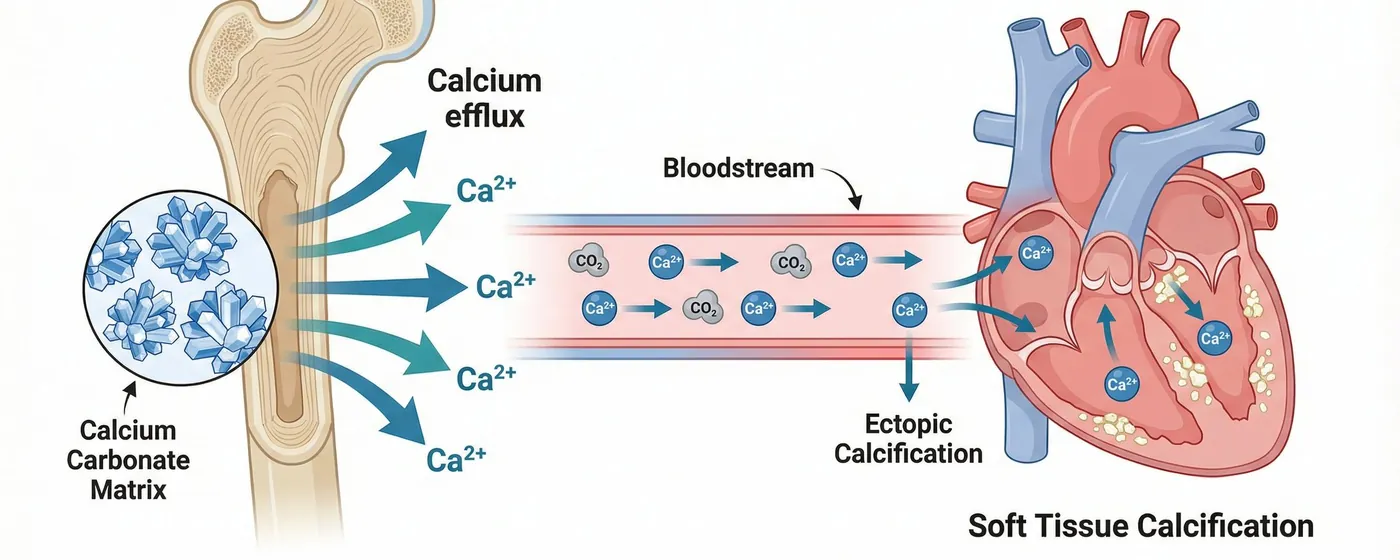
The Calcium Paradox

An interesting link between metabolic rate and bone health is Calcium, It's an alkaline metal and a member of the macro minerals(Sodium,Potassium, Magnesium)
99% of the calcium in our body is stored in the bones, Without it they lose their structure, When calcium leaves the bone, it enters the blood stream and may cause cells to uptake a large, toxic amount of calcium, In a process called Soft Tissue Calcification, a few examples are:
Vascular Calcification, Kidney Stones, Ischemia, Heart attack
[PMID: 19733120, 19453264 , 18180973]
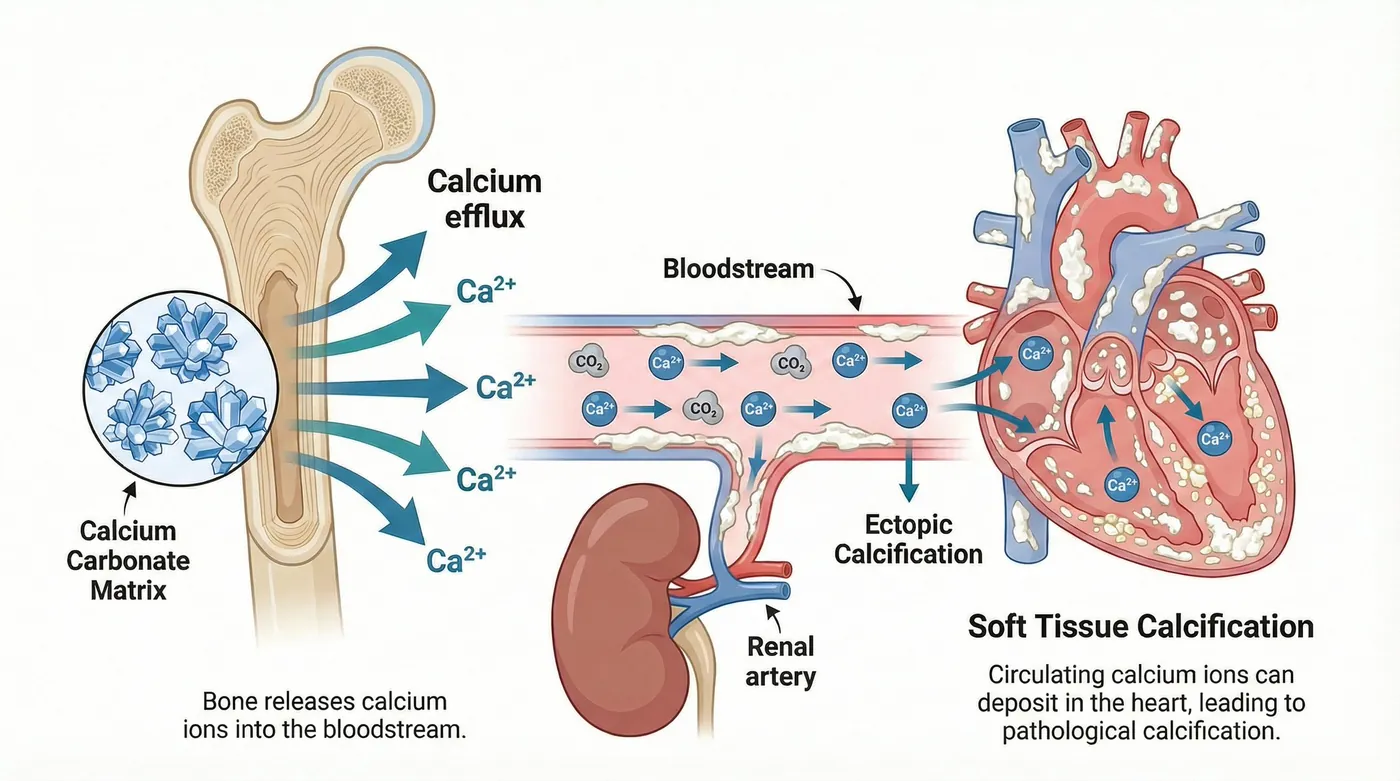
THE PARADOX IS STATED
When LESS calcium is consumed, bones lose calcium faster,
Blood calcium increases and so does calcium uptake by organs and tissues.
While many fear consuming calcium to avoid Soft Tissue Calcification they might actually cause it. it's important to understand that calcium deposits into soft tissue becomes worse when the diet is low in calcium.
Intracellular calcium overload blocks oxidative metabolism and associated with Inflammation, Alzheimer’s, Parkinson’s, stroke, cardiac arrest, epilepsy, diabetes, osteoperosis, sarcopenia,fibrosis, aging and cancer.
[PMID: 30059692, 21884755 , 40747662 , 25239387]
It stands as a major proof that most modern diseases are metabolic in origin.
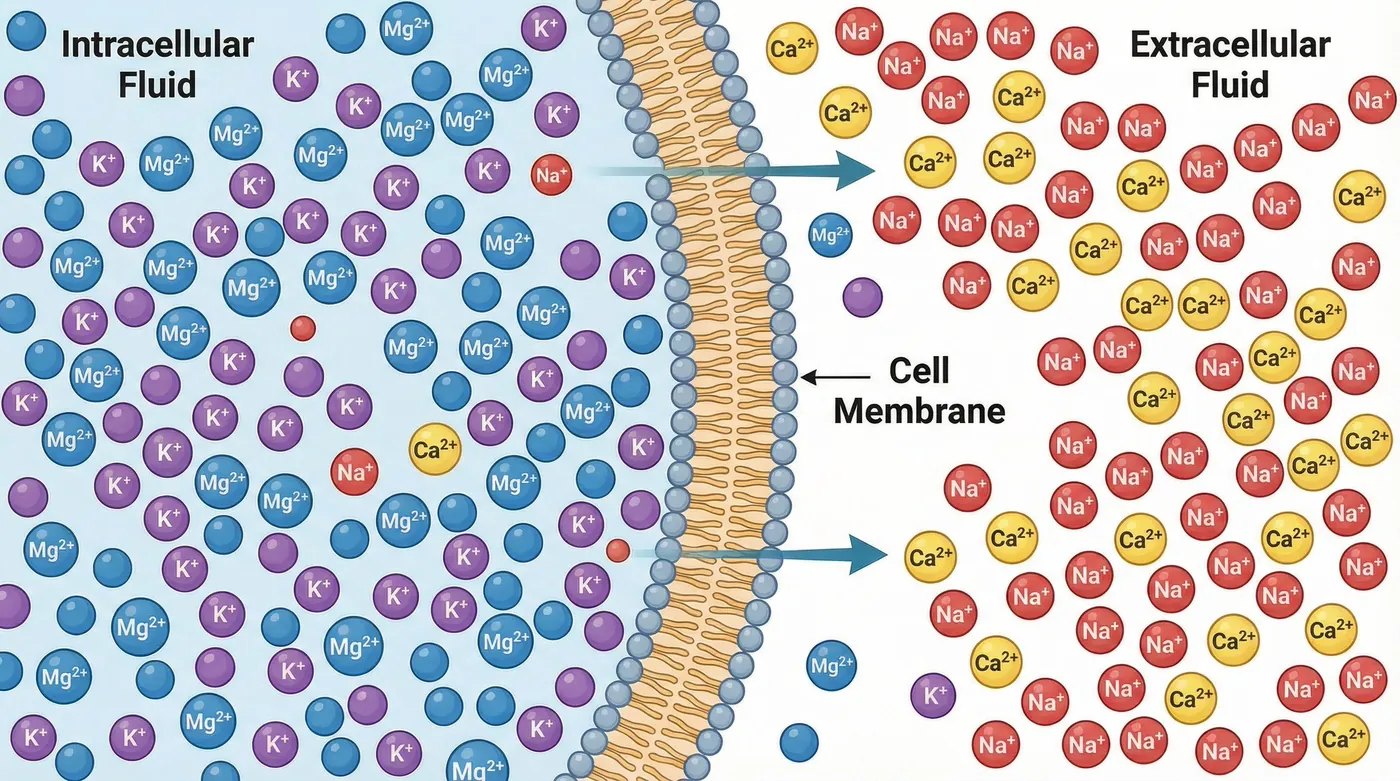
Intra-cellular and Extra-cellular Ions
The 4 macro minerals work together to maintain the electrical state of the cells, they can fill in for each other when one is deficient.
Calcium is an Extra-cellular Ion, Cells keep a very low concentration of calcium inside them compared to the outside (10,000 times lower).
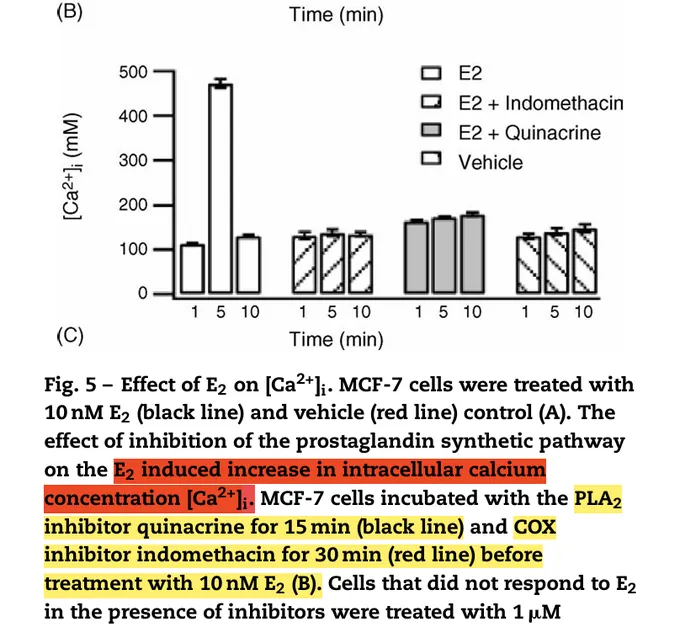
When calcium floods into a cell (as in Soft Tissue Calcification ), it "excites" the cell to a dangerous degree.
Magnesium Is an Intracellular Ion that binds ATP inside cells, it acts as a Calcium "antagonist", can protect against excessive calcium uptake.
Indise bones Magnesium helps to maintian Calcium levels.
Sodium is a Extra-cellular Ion, thermogenic, crucial for water absorption into the blood, lowering stress hormones(cortisol,serotonin,aldosterone) and helps to keep magnesium inside the cell.
Potassium Is an Intracellular Ion, It forms a system with sodium and takes the water from the blood into the cells, hydration is dependent on potassium.
In his article "Calcium and Disease: Hypertension, organ calcification, & shock, vs. respiratory energy" , Raymond Peat describes:
"When cells are excited, stressed, or de-energized, they lose magnesium and potassium, and take up sodium and calcium. The mitochondria can bind a certain amount of calcium during stress, but accumulating calcium can reach a point at which it inactivates the mitochondria, forcing cells to increase their inefficient glycolytic energy production, producing an excess of lactic acid. Abnormal calcification begins in the mitochondria.
When cells are stressed or dying, they take up calcium, which tends to excite the cells at the same time that it inhibits their energy production, intensifying their stress. A cramp or a seizure is an example of uncontrolled cellular excitation. Prolonged excitation and stress contribute to tissue inflammation and fibrosis."
"Much of the intracellular magnesium is complexed with ATP, and helps to stabilize that molecule. If cellular energy production is low, as in hypothyroidism, cells tend to lose their magnesium very easily, shifting the balance toward the lower energy molecule, ADP, with the release of phosphate. ADP complexes with calcium, rather than magnesium, increasing the cells calcium content."
BONE DENSITY
The main regulator of bone density is the protein Osteocalcin.
Osteocalcin is a protein made from 49 amino acid, he gets activated by Vitamin K and CO2 only then he can insert Calcium inside the bone.
Vitamin K, Calcium and Carbon dioxide are the main regulator of bone density.
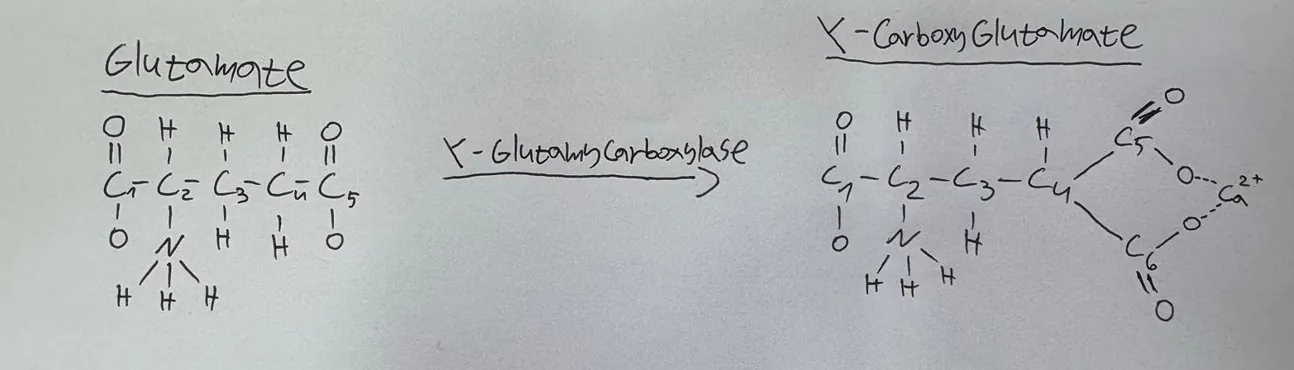
The amino acid Glutamate appears 3 times in the Osteocalcin in positions 17,21,24, They are the activation sites.
It all begins with Vitamin K that activates the enzyme
γ-Glutamyl-Carboxylase by donating 2 electrons.
This allows the enzyme to transform the 3 Glutamates to
γ-Carboxy-Glutamate by replacing the hydrogen proton at C4 to carbon dioxide as a Carboxyl group.
the complex created by the 2 carboxyl groups (C5-C6) attracts calcium ion.
Now Osteocalcin has 3 γ-Carboxy-Glutamate, aka Carboxylated Osteocalcin that has total of 3 Calcium ions, Now he can get inside the bone and help to maintain it's structure.
Without Carboxylated Osteocalcin bone mineralization is poorly structured and stands as the main cause of skeletal calcium loss.
Inflammation, PTH and Estrogen
Calcium/Magnesium deficiency or Phosphorus excess, stimulates the Parathyroid glands to produce the Parathyroid hormone, PTH removes calcium from bones and increases calcium absorption in soft tissues.
PTH inhibits oxidative metabolism, increases the production of the inflammatory cytokine IL-6, that also stimulates calcium loss from bones and increases the production of Estrogen.
Estrogen increases the levels of Prolactin, which also removes calcium from bones, especially at night, Prolactin increases the levels of IL-6.
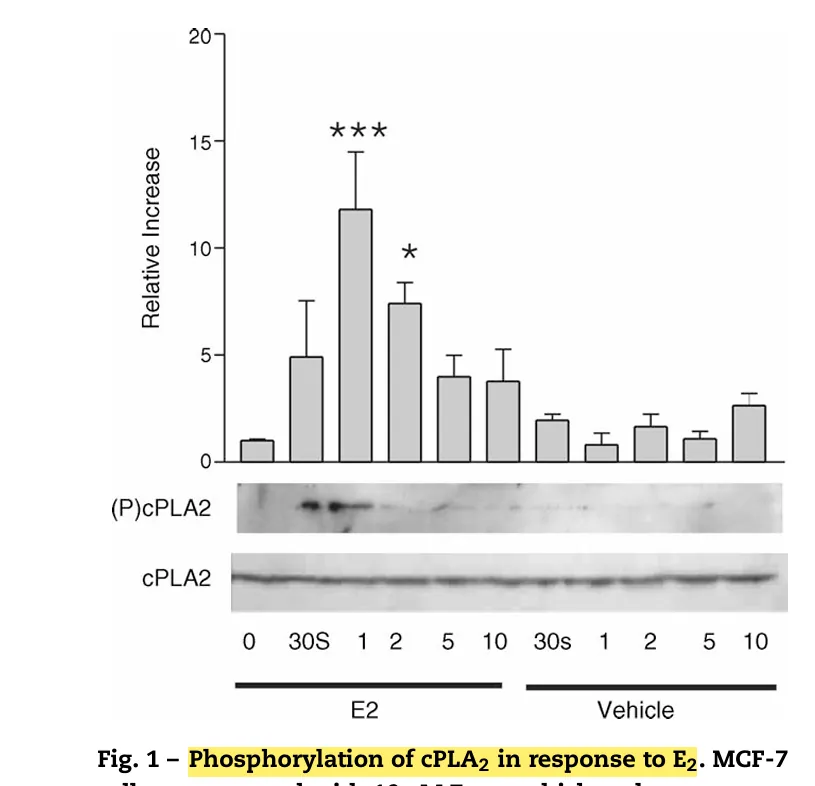
Estrogen activates the enzyme Phspholipase A2 that releases the Omega 6 derivative Arachidonic acid from storage, Which in turn will form the highly inflammatory mediators Prostaglandis, Leukotrienes, Thromboxanes, they all raise inflammation and cause calcium intake by tissues.
[PMID: 10915216, 6426317 , 7172459 , 852641, 15030526]
Carbon dioxide VS Lactate
Healthy cells produce a lot of Carbon dioxide, mainly by oxidizing carbs, CO2 acidifies the cell, lowering pH levels.
PTH blocks oxidative metabolism and activates glycolysis, Instead of Pyruvate to enter to the krebs cycle and produce a lot of carbon dioxide ATP,
it will turn into Lactate.
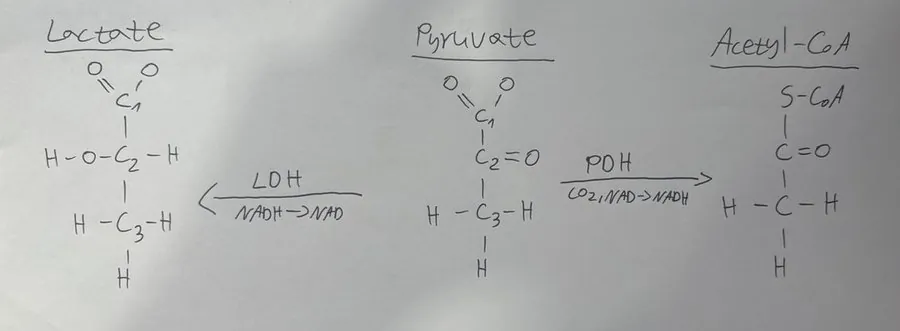
Lactate is toxic to our cells, when it builds up the cell removes it to the bloodstream, this raises pH leveles and lowers oxygen availability due to low CO2 levels(Bohr effect).
In a cell with high pH, Intracellular proteins tend to release hydrogen ions, This leaves the proteins with negatively charged binding sites, which draws calcium ions into the cell to occupy those sites.
Oxidative metabolism by producing carbon dioxide is a main facor in keeping calcium inside the bone and outside Organ/tissue cells.
AVOID THE PARADOX
1.Daily intake of 2-4g calcium daily, dairy is rich in calcium, calcium carbonate is a good supplement form.
2.High carb diet, 5-7g per kg, crucial for proper carbon dioxide production.
3. Consume 1-1.8g of protein per kg daily.
4. Vitamin D3,K2 - crucial for calcium absorption into bone.
4. Consume all 4 macro minerals as much as possible.
5. Baking soda(sodium bicarbonate)- raises carbon dioxide, and sodium levles.
6. Aspirin - inhibit PTH,Cortisol,Estrogen, lowers inflammation and IL-6.
7. Minimise Phosphorus intake.
Most loss of calcium from bones happens during the night, when PTH,Prolactin and Cortisol are most active, You can use the list above and time some of it at night to avoid calcium loss.
Hope you'll find this useful.