
Thiamine will save YOU.
In this article
Energy production is at the core of our existence.
You are as healthy as your ability to produce energy(mainly from food).
Many studies show that kids and young adults have improved ability in converting glucose into ATP, this means less sugar in your blood and more in your cells.
Less fatigue
Better cognitive function
Stronger muscles
Higher libido
Improved organ function
Less inflammation
All of those are the product of optimized ATP and CO2 production driven by the oxidation of glucose.
When you eat carbs, on of the most important steps are after it turns into 2 pyruvate molecules, it then has 2 choices.
Either they enter the Krebs cycle to be converted into 32 ATP.
Or
They turn into lactate(a toxin) and produce 2 ATP.
I've built a cool demonstration on how B1 affect ATP production
oxidativestate.com/thiamine
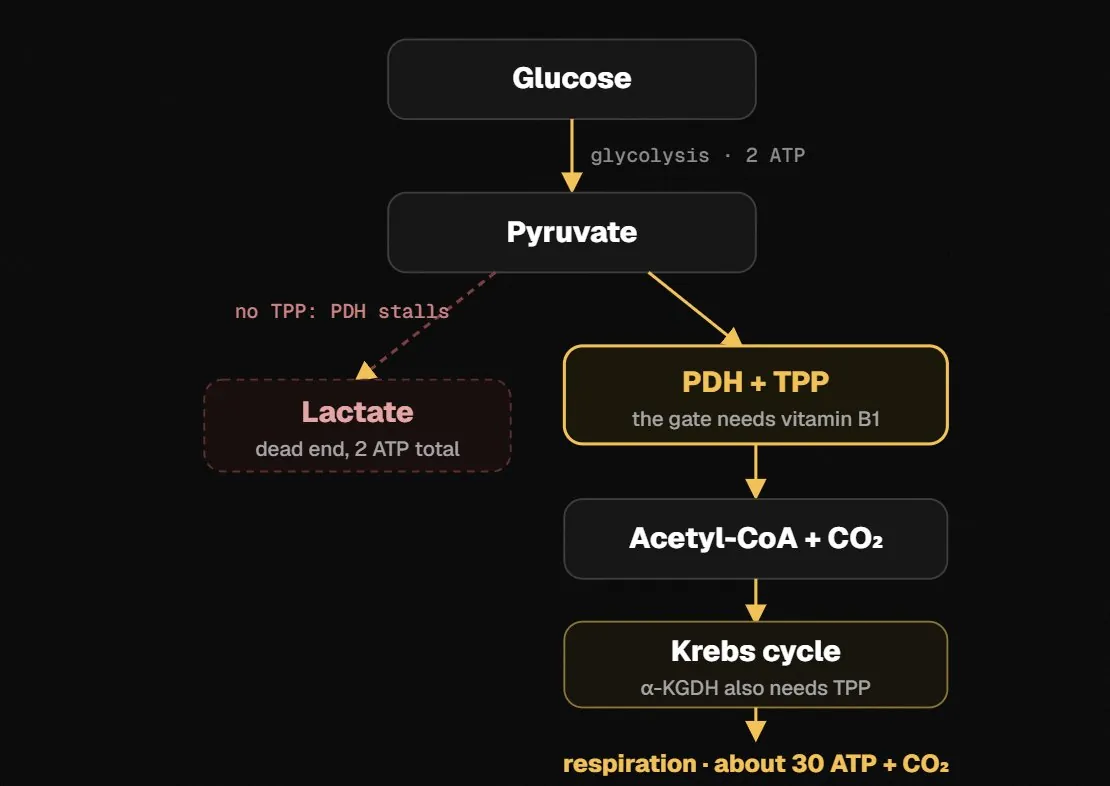
This one crucial steps will determine your fate.
You either activate the PDH complex for 32 ATP
OR
Activate the LDH(Lactate Dehydrogenase) complex and get only 2 ATP while producing a powerful toxin.
Lactate is so toxic that once its produced, your cells immediately pushes it out into the bloodstream to be sent to the liver which detoxifies it.
Lactate makes the blood thick, so it flows poorly while directly increasing inflammation.
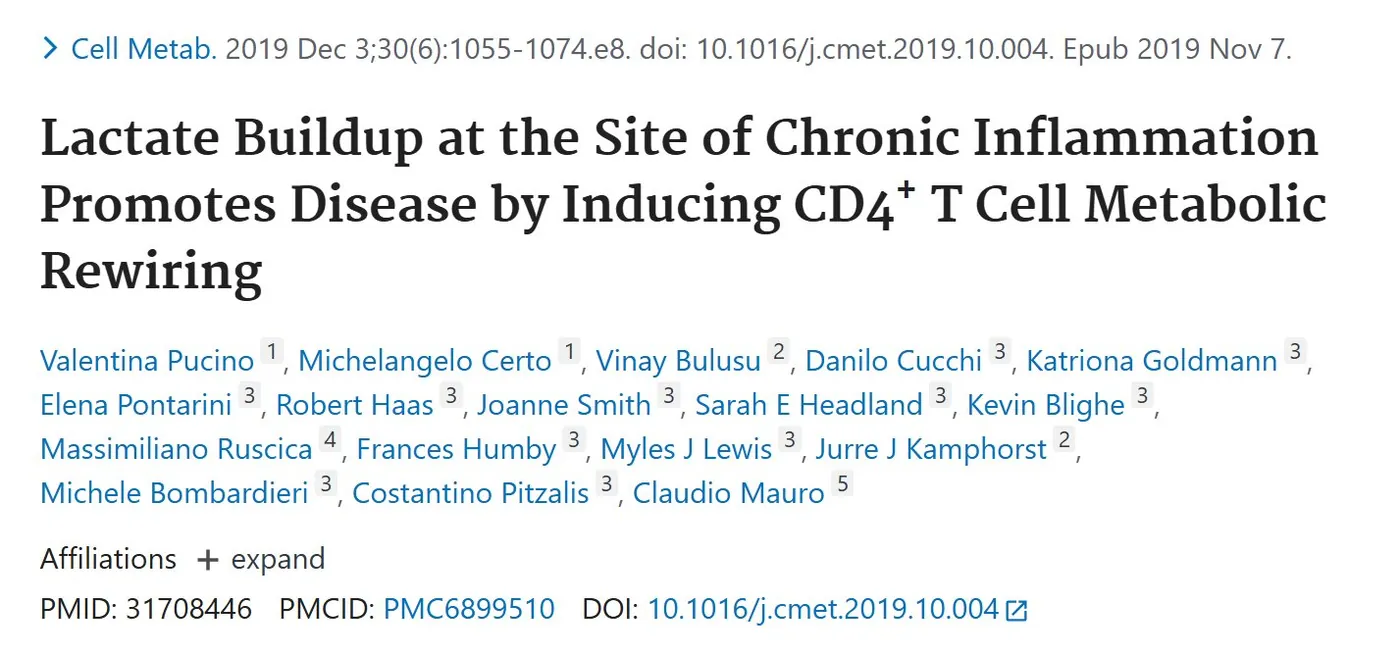
More lactate = Less CO2
if you've been following for a while you know how important CO2 is.
How to activate the PDH?
The main building block of PDH needs is B1
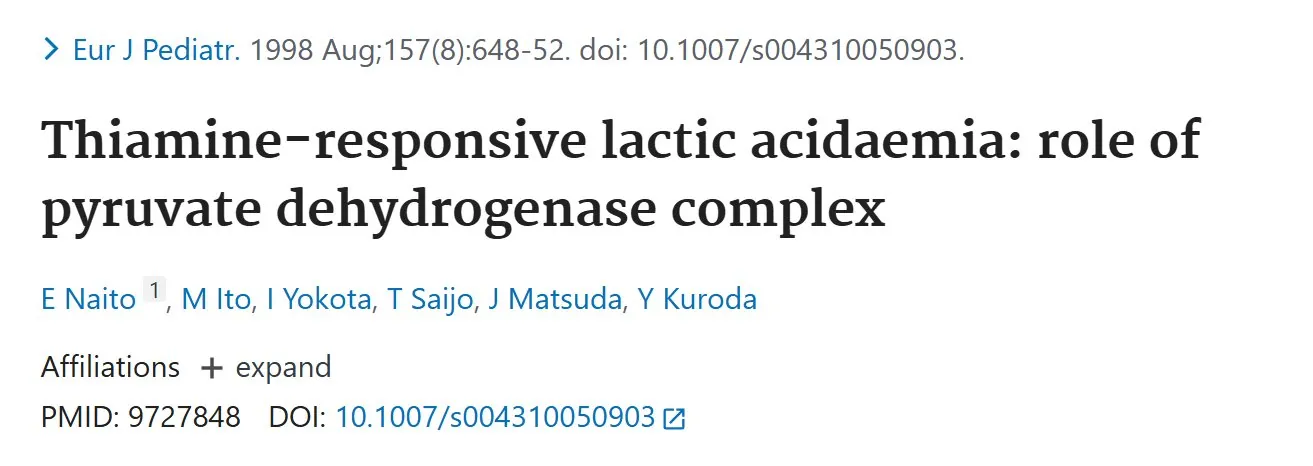
In this study, 13 patients had very high lactate levels, they noticed that their PDH complex activity was very low, which explains the high lactate.
They took thiamine and their PDH activity restored.
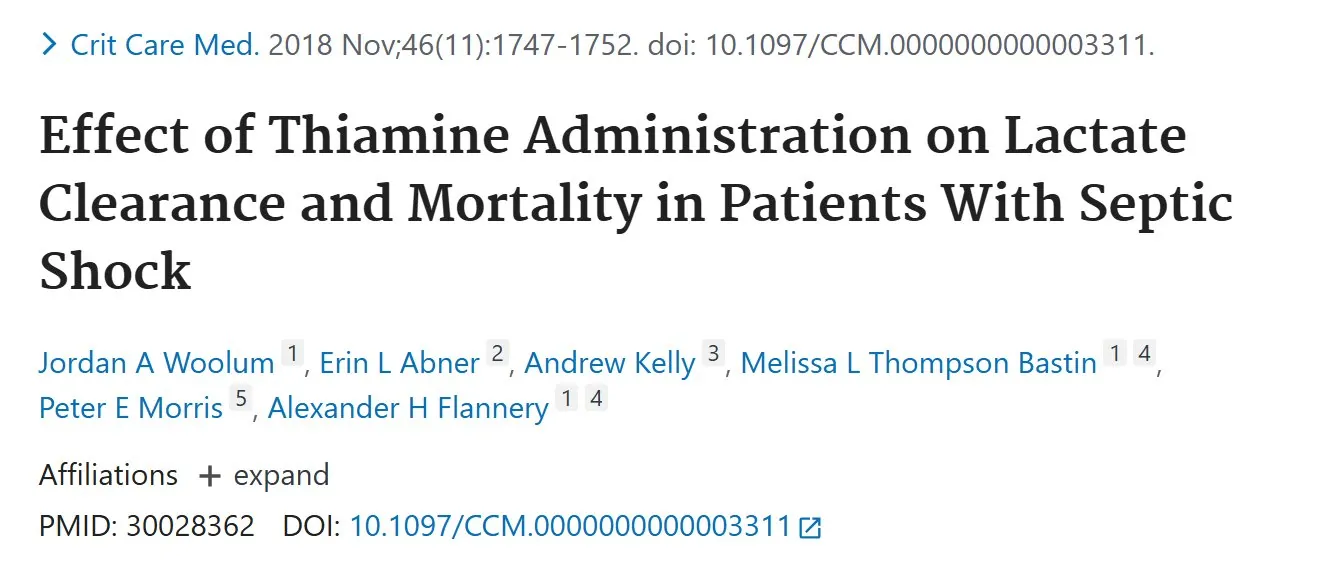
In this study, giving people thiamine drastically improved their ability to clear out lactate while lowering its production.
Best forms?
1. TTFD: the most lipophilic form, it has the highest bio-availability, it's also very effective in crossing the brain-blood-barrier to improve cognitive function and mood.
source:
2. Benfotiamine: a fat-soluble form made in the lab. Once absorbed, the body turns it back into thiamine, so it raises blood B1 more than plain thiamine. Mostly studied for nerve damage in diabetes; it seems to reach the brain less than TTFD.
3. Thiamine HCl: the plain, water-soluble salt of B1 in most multivitamins. Cheap and the most studied form. The gut takes it up through carriers that fill up, so one big dose is absorbed less well than smaller doses spread over the day.
There is no best version so a good approach is to experiment and see which one works best for you.
DOSING:
100-300mg per day, split doses are better.
Beyond PDH, there are other four enzymes that need B1:
TPP is the cofactor of a short list of enzymes, and every one of them sits at a crossroads of energy metabolism.
- Pyruvate dehydrogenase (PDH): turns pyruvate, the end of sugar breakdown, into acetyl-CoA so it can enter the mitochondria. The gate between sugar and real energy.
- Alpha-ketoglutarate dehydrogenase (α-KGDH): a step inside the Krebs cycle itself. Without it the cycle slows wherever it starts from, sugar, fat or protein.
- Branched-chain keto acid dehydrogenase (BCKDH): burns the branched-chain amino acids leucine, isoleucine and valine.
- Transketolase: runs the pentose phosphate pathway, which makes NADPH (the cell's antioxidant fuel) and the sugars for DNA and RNA. The red-cell transketolase test is the classic way to measure B1 status.
Thiamine enhances Cognitive function:
Alzheimer's patients who took B1 scored much higher on cognitive tests then those who did not take it.
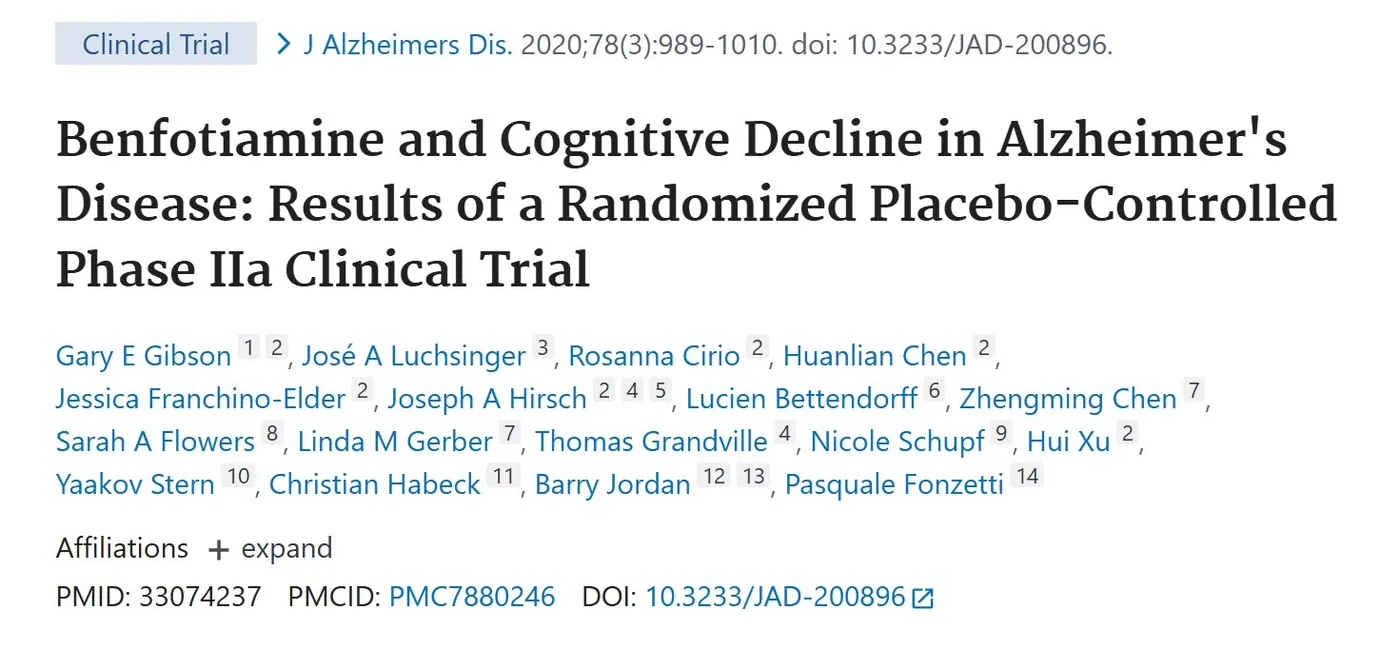
120 people took 50mg thiamine daily, their reaction time improved.
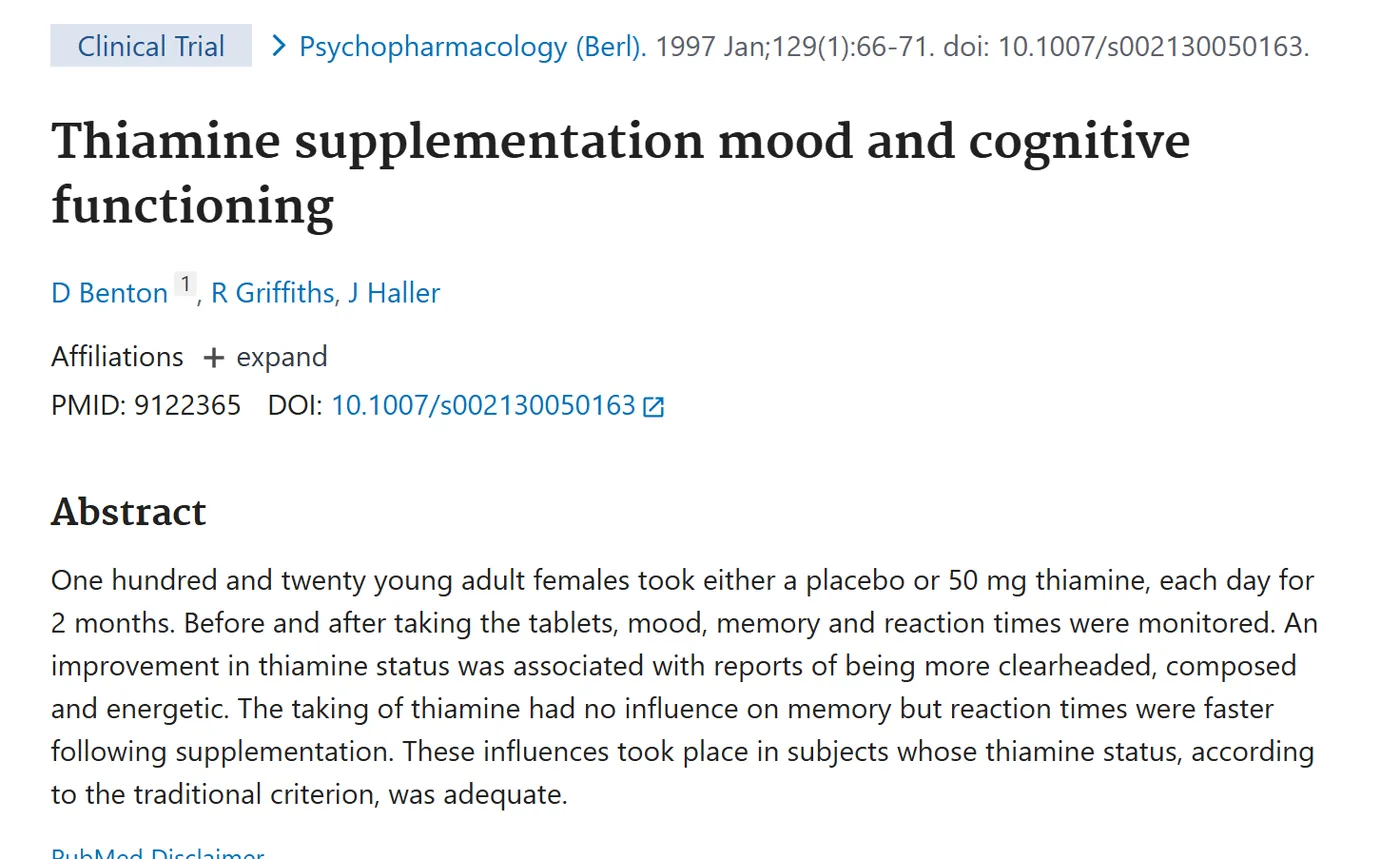
In this study, even a tiny 10mg dose was enough to improve energy, appetite and sleep, while deleting fatigue.
Thiamine can cure depression
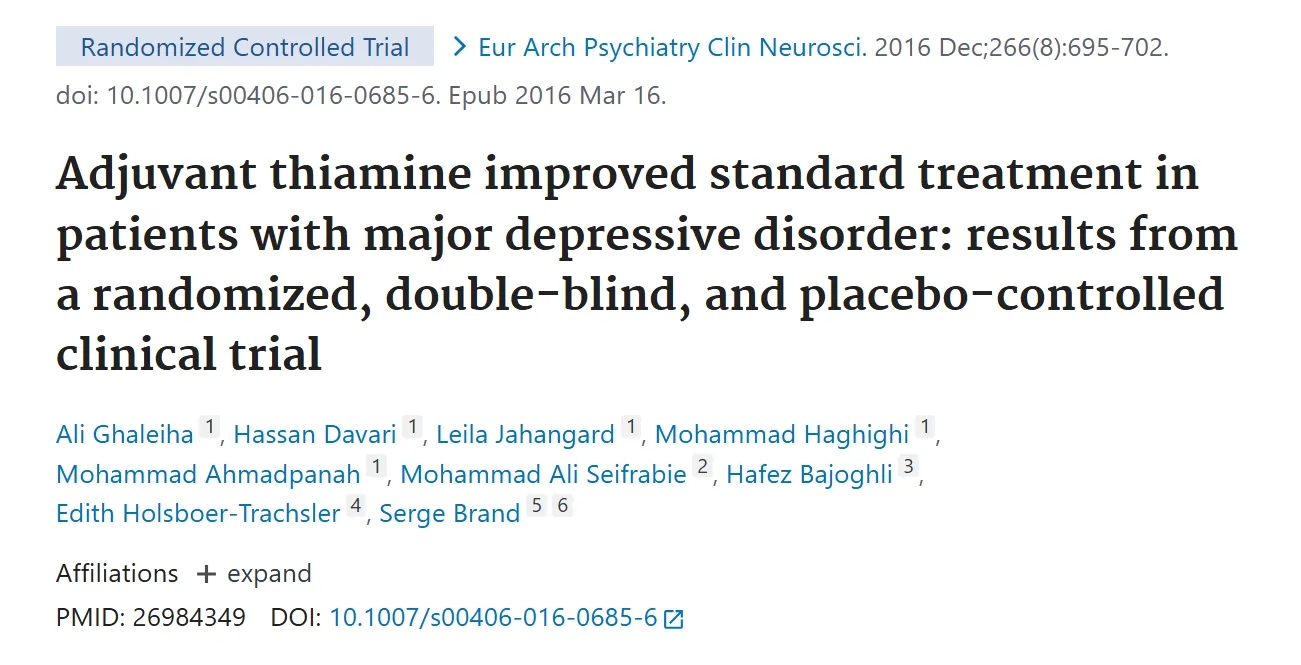
51 inpatients with major depression (mean age 35) all started a standard SSRI and were randomly given thiamine or placebo on top. Experts rated their symptoms at the start and after 3, 6 and 12 weeks.
With thiamine, symptoms were lower after 6 weeks, and the gain held fairly steady to the end, though at week 12 the difference was no longer statistically significant. No side effects were reported in either group.
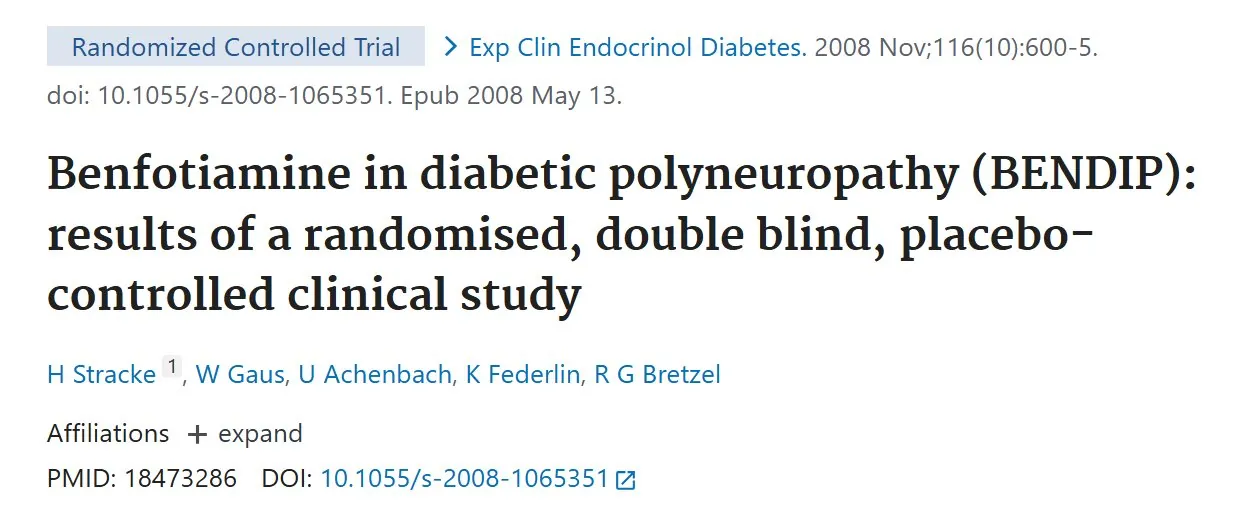
600 mg a day of benfotiamine, 300 mg a day or placebo for 6 weeks.
The tested the Neuropathy Symptom Score
The improvement was bigger at the higher dose and grew the longer people took it.
Of the single symptoms, pain responded best. Treatment was well tolerated.
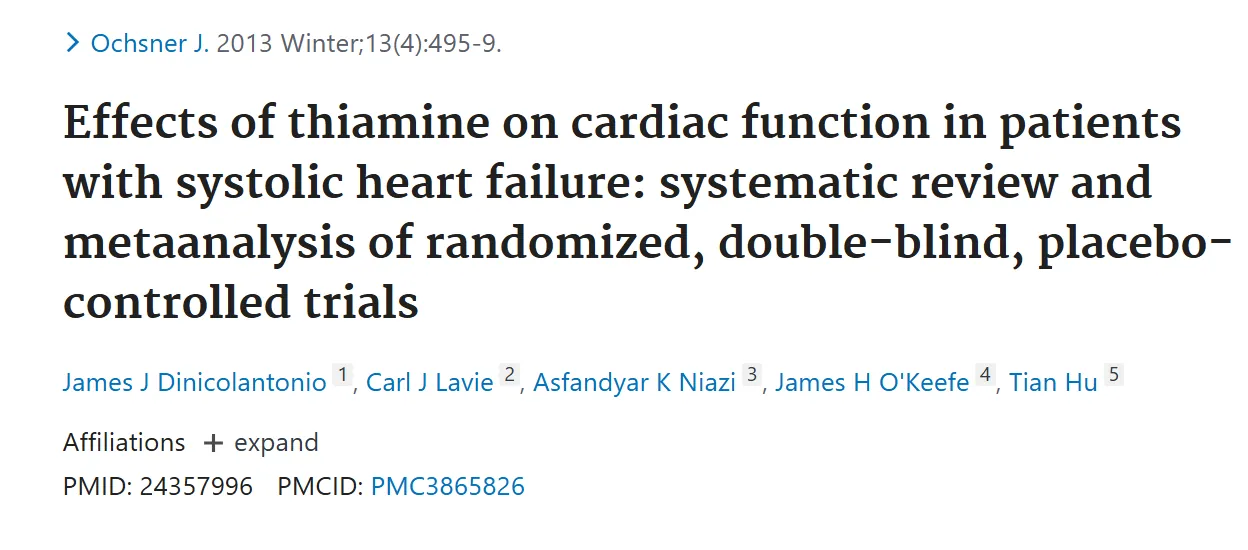
Thiamine strengthens the heart
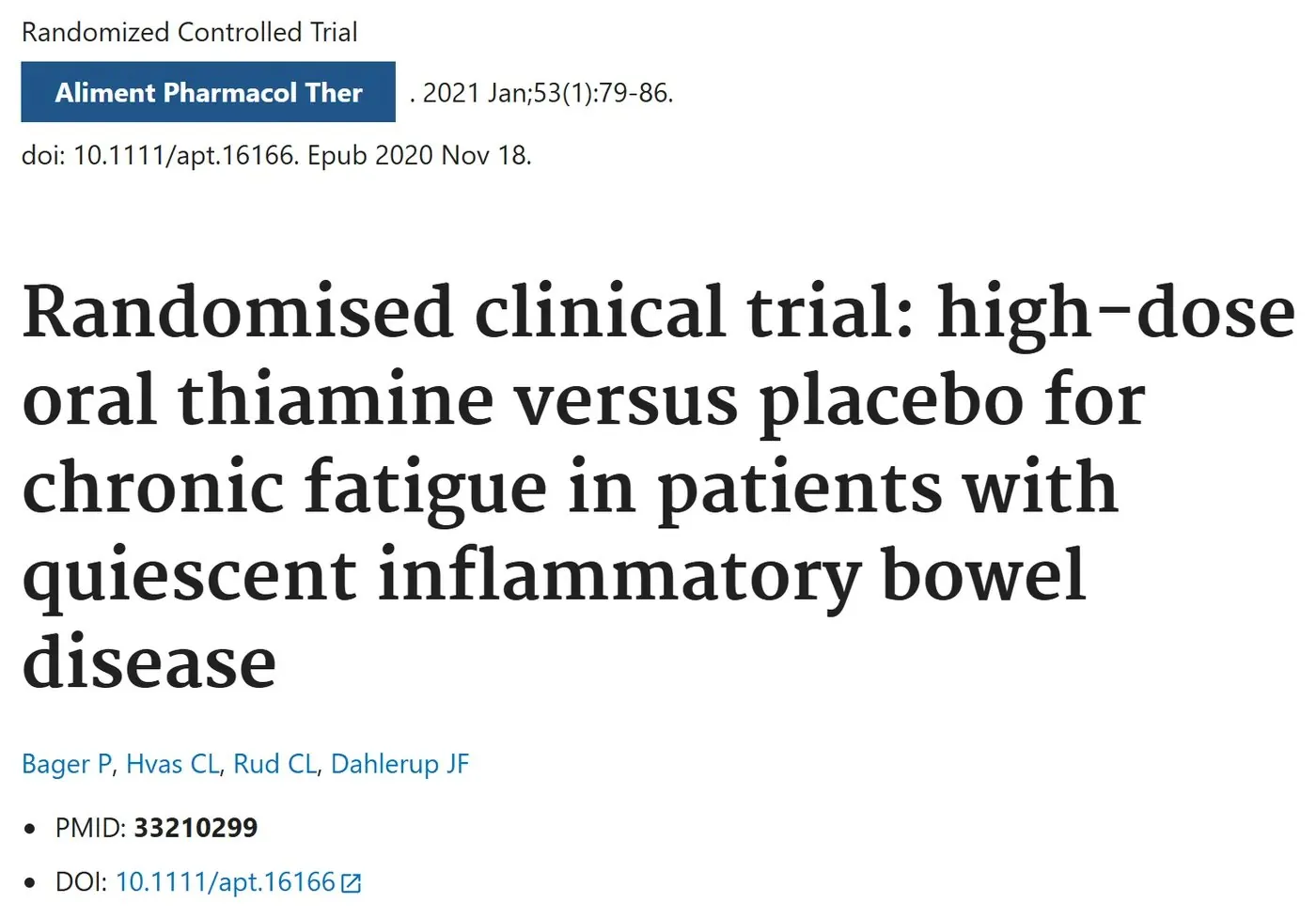
High-dose B1 beat placebo for chronic fatigue in 4 weeks
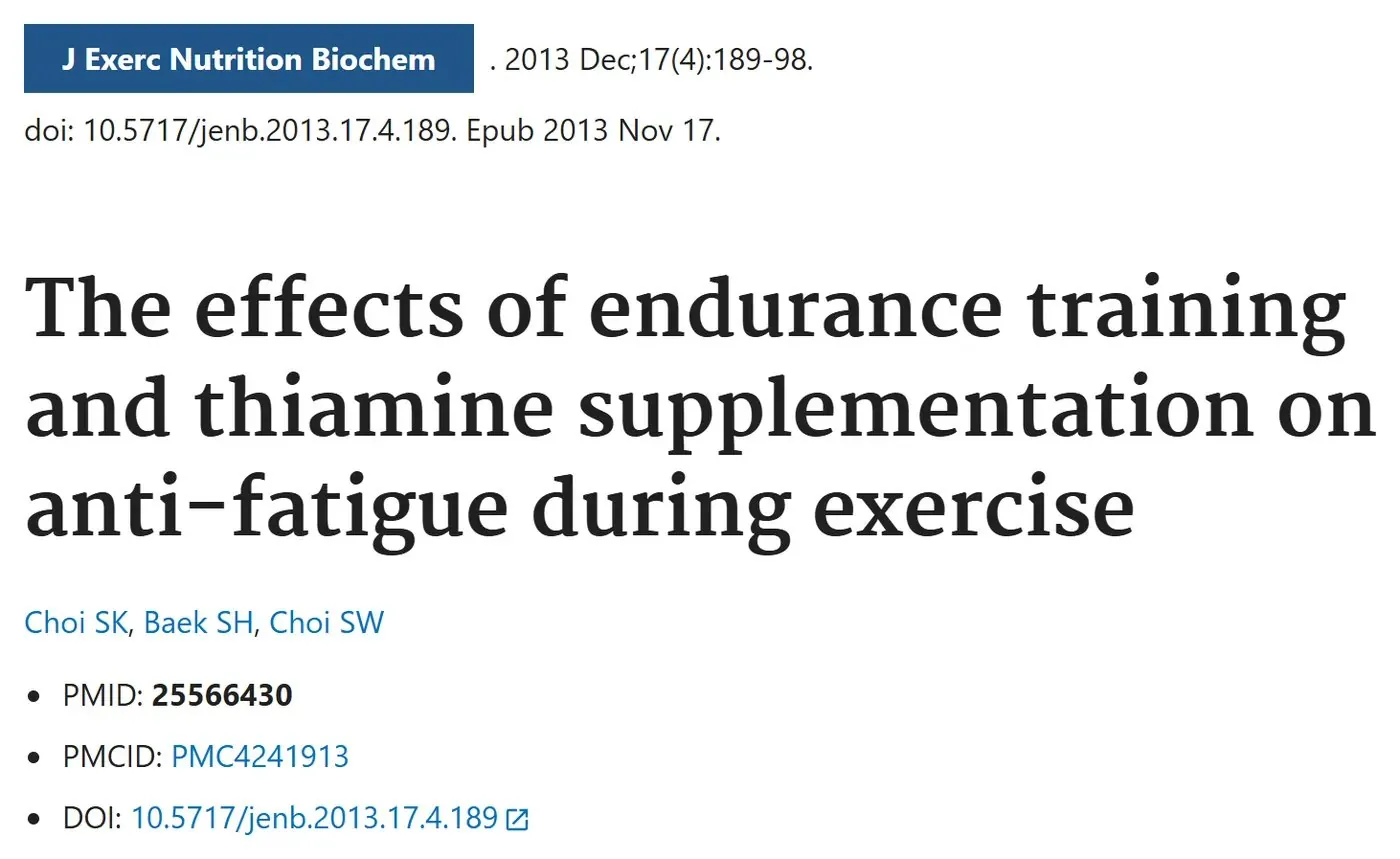
TTFD lowered lactate and ammonia during an hour of cycling
15–60 min lactate stayed lower for most of the hour of cycling on TTFD vs placebo.
Nine students from a women's university did 4 weeks of placebo, 4 weeks of endurance training and 4 weeks of TTFD (10 mg per kg a day).
During a 60-minute ride at 70% of VO₂max, lactate was lower than placebo from minute 15 to 60 on thiamine, and from 15 to 30 with training. Ammonia was also lower during exercise and recovery.
The authors conclude thiamine gave benefits similar to endurance training.
Thiamine is a miracle vitamin.
100-300 mg a day is a no brainer.