The complete guide
Thiamine (Vitamin B1): The Gatekeeper of Energy Production
Every gram of sugar you burn for real energy has to pass one gate: pyruvate dehydrogenase, PDH. That gate does not open without vitamin B1. When B1 runs low, sugar stops at lactate, and the cell gets a fraction of the energy. This page covers the molecule, the enzymes it runs and what happens when people actually take it.
Interactive model
How it works. PDH has three enzymes; the first (E1) only works with TPP bound, the active form of B1. The gold dots on the PDH ring are E1 sites holding TPP. α-ketoglutarate dehydrogenase inside the Krebs cycle uses TPP too. One turn of the cycle gives 3 NADH, 1 FADH₂, 1 GTP (ATP) and 2 CO₂. Every NADH that reaches Complex I sends two electrons down the chain and pumps about 10 H⁺, which drive ATP synthase. Pyruvate that PDH cannot take is reduced by LDH to lactate, using up NADH in the cytosol.
Illustrative model. The shape of the B1 curve, the speeds and the lactate level are drawn to show the direction of change, not measured values. The counters use fixed textbook figures: about 2.5 ATP per NADH and 1.5 per FADH₂, about 30–32 ATP per glucose fully oxidized, 2 ATP per glucose when it ends as lactate. PDH is also switched by PDK/PDP phosphorylation, which this model does not show.
B1 is the first vitamin anyone ever isolated, and still one of the most ignored. It does not build anything. It runs the machines that turn food into energy. When it is missing, the body keeps eating sugar but cannot finish burning it.
What thiamine is
Thiamine is vitamin B1, a small water-soluble molecule that you have to get from food. The body stores very little of it and does not make it, so supply has to keep up with how much fuel you burn.
The name tells you its two key parts: thio for its sulfur atom and amine for its nitrogen group. Both matter. The sulfur and the positive nitrogen sit in the same small ring, and together they make one carbon atom in that ring do something almost no other molecule in the body can.
Inside the cell thiamine is not used as it is. An enzyme called thiamine pyrophosphokinase adds two phosphate groups to its tail and makes thiamine pyrophosphate (TPP), also called thiamine diphosphate. TPP is the working form. Every effect on this page goes through it.
The chemistry: structure and how it works
Vitamin B1, atom by atom
2 forms5 parts1 working carbon
Drag to move · scroll to zoom · 360 to rotate · tap a part to highlight it
Thiamine is two rings tied together by a single CH₂ bridge:
- The pyrimidine ring (left), a six-membered ring with two nitrogens, an amino group (NH₂) and a methyl group. It acts like a handle: it helps hold the molecule in place inside the enzyme and helps move protons during the reaction.
- The thiazolium ring (right), a five-membered ring with a sulfur and a positively charged nitrogen. This is the business end.
- The hydroxyethyl tail (CH₂CH₂OH), where two phosphates are attached to make TPP. The phosphates anchor TPP to its enzymes, together with magnesium.
| Thiamine | TPP (active form) | |
|---|---|---|
| Formula | C₁₂H₁₇N₄OS⁺ | C₁₂H₁₈N₄O₇P₂S |
| Molecular weight | 265.36 g/mol | 424.31 g/mol |
| PubChem CID | 1130 | 5431 |
The working carbon
Look at the carbon between the sulfur and the positive nitrogen, called C2. Its hydrogen is unusually easy to pull off, because both neighbours pull electrons away from it. When the enzyme removes that hydrogen, C2 is left with a free pair of electrons: a carbanion, also called an ylide.
That carbanion is the tool. It attacks the carbon of a keto acid like pyruvate, the ring holds the electrons while CO₂ breaks off, and what is left (a two-carbon unit) is handed to the next part of the enzyme. Then TPP is reset and ready for the next molecule.
Top 3 thiamine forms
1. Thiamine tetrahydrofurfuryl disulfide (TTFD): its lipid solubility allows for better absorption and the ability to cross the blood-brain barrier. TTFD may support brain health. TTFD
2. Benfotiamine: a fat-soluble form made in the lab. Once absorbed, the body turns it back into thiamine, so it raises blood B1 more than plain thiamine. Mostly studied for nerve damage in diabetes; it seems to reach the brain less than TTFD.
3. Thiamine HCl: the plain, water-soluble salt of B1 in most multivitamins. Cheap and the most studied form. The gut takes it up through carriers that fill up, so one big dose is absorbed less well than smaller doses spread over the day.
The best approach is to try all three and see which one works best for you.
The four enzymes that need B1
TPP is the cofactor of a short list of enzymes, and every one of them sits at a crossroads of energy metabolism. A 2015 review calls it the rate limiting cofactor for the dehydrogenases of pyruvate and alpha-ketoglutarate.
- Pyruvate dehydrogenase (PDH): turns pyruvate, the end of sugar breakdown, into acetyl-CoA so it can enter the mitochondria. The gate between sugar and real energy.
- Alpha-ketoglutarate dehydrogenase (α-KGDH): a step inside the Krebs cycle itself. Without it the cycle slows wherever it starts from, sugar, fat or protein.
- Branched-chain keto acid dehydrogenase (BCKDH): burns the branched-chain amino acids leucine, isoleucine and valine.
- Transketolase: runs the pentose phosphate pathway, which makes NADPH (the cell's antioxidant fuel) and the sugars for DNA and RNA. The red-cell transketolase test is the classic way to measure B1 status.
PDH and α-KGDH are large complexes. Structural work on PDH showed that the two TPP molecules in its active sites communicate over a distance of 20 angstroms through a proton tunnel, so the enzyme works like a two-stroke engine with TPP at both cylinders.
PDH: the gate between sugar and energy
Sugar breakdown in the cytoplasm (glycolysis) ends at pyruvate and gives the cell just 2 ATP per glucose. The big payoff, about 30 ATP, only comes if pyruvate goes into the mitochondria and is burned completely to CO₂ and water. PDH is the only door.
PDH does three things in one complex: it cuts CO₂ off pyruvate (this is the TPP step), attaches what is left to coenzyme A, and passes the electrons to NAD⁺. It needs five cofactors to do it: TPP (B1), lipoic acid, coenzyme A (from B5), FAD (from B2) and NAD⁺ (from B3).
If TPP is short, pyruvate piles up in front of a closed door. The cell has one way out: it turns pyruvate into lactate to keep glycolysis running. This is lactate made with plenty of oxygen around, not from hard exercise. Doctors call it type B lactic acidosis.
Low B1 means sugar ends as lactic acid instead of CO₂.
This is why B1 matters for anyone who thinks in terms of metabolism the way Ray Peat did: burning glucose fully, all the way to CO₂, is the efficient, high-energy state. Lactate from a blocked PDH is the stress state. Thiamine is one of the things that decides which one you are in.
The other TPP step, α-KGDH, sits in the middle of the Krebs cycle. So low B1 hits energy twice: fewer molecules get into the cycle, and the ones that do get in move through it more slowly.
Human studies: what taking B1 does
Here are the trials where people were given thiamine or benfotiamine and something measurable changed. I included the ones that found nothing too.
Brain and mood
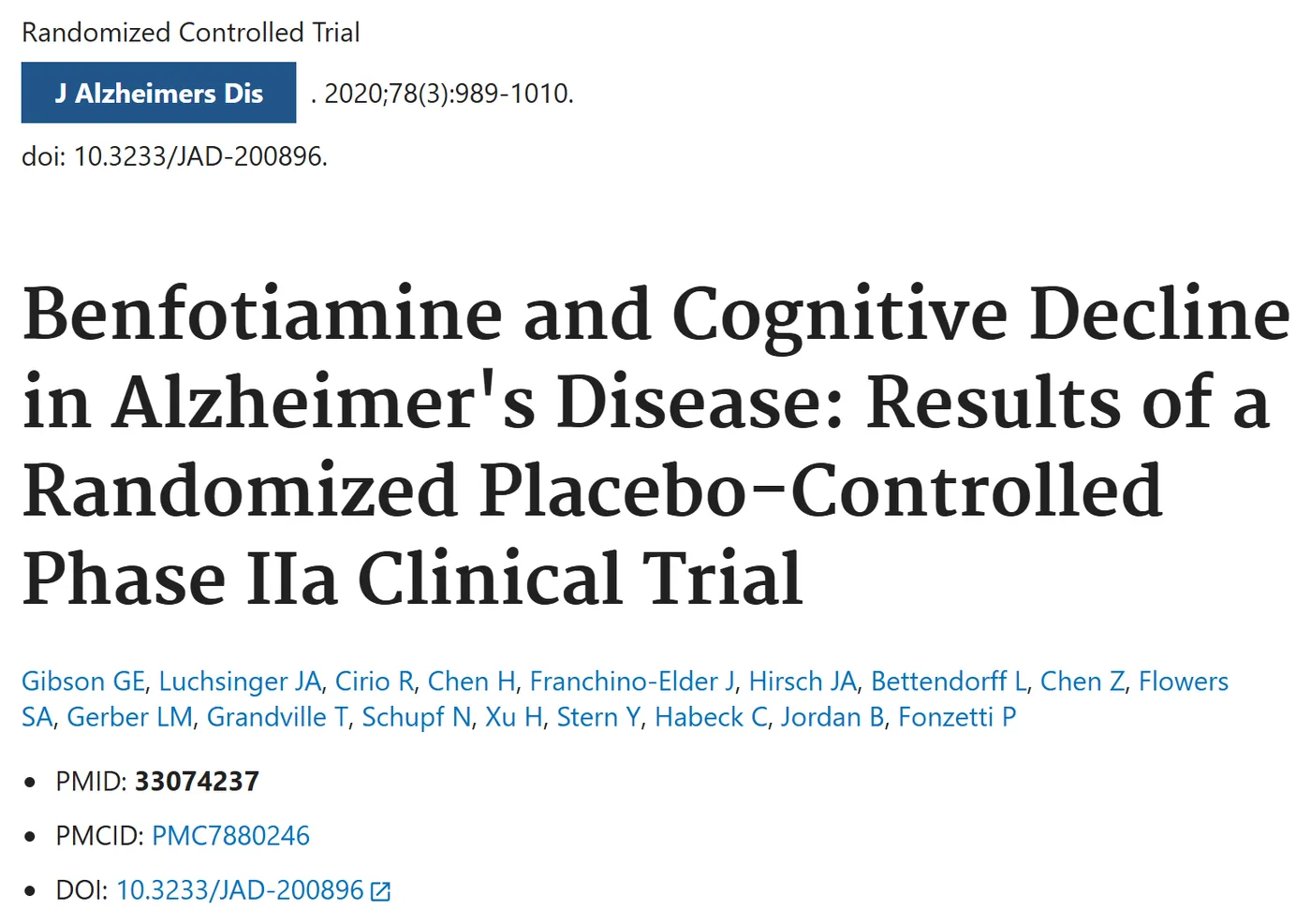
A year of benfotiamine slowed decline on the dementia rating
The study: Randomized placebo-controlled trial · 70 people with mild memory impairment or mild Alzheimer's.
77% less worsening on the clinical dementia rating than on placebo (p = 0.034).
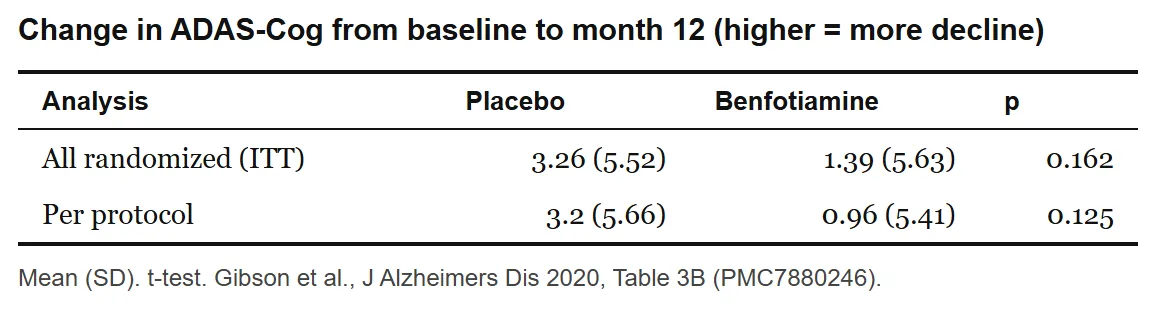
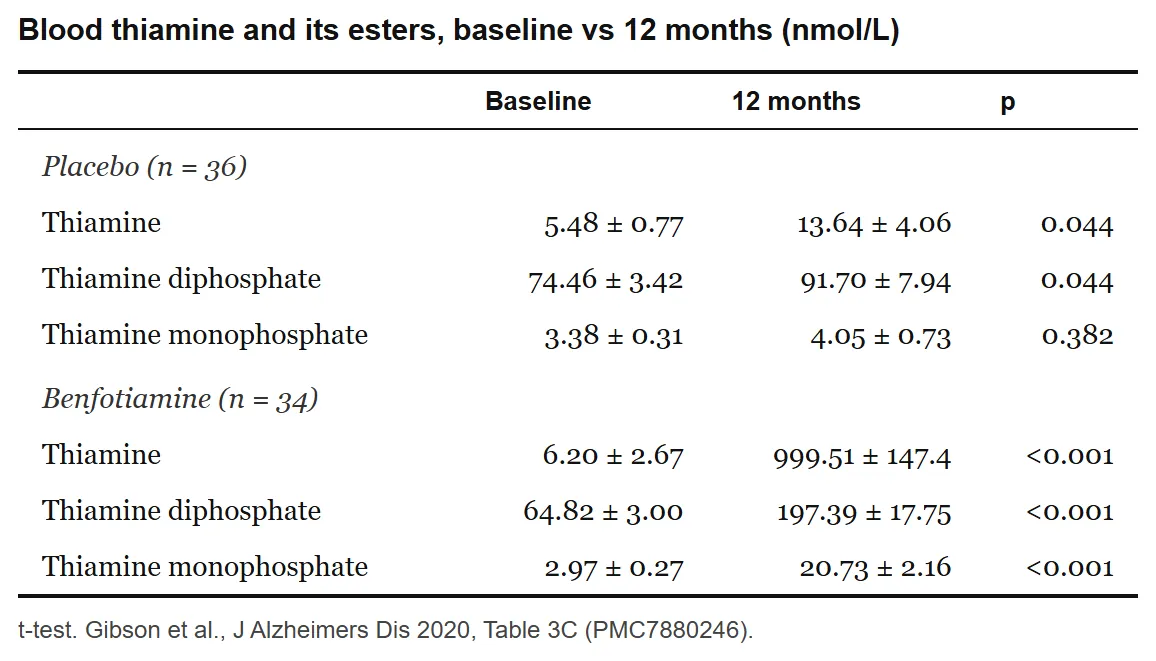
People with amnestic mild cognitive impairment or mild Alzheimer's disease took one 300 mg capsule of benfotiamine in the morning and one in the evening, or placebo, for 12 months (34 on benfotiamine, 36 on placebo). The main measure, the ADAS-Cog memory and thinking score, rose 43% less on benfotiamine (0.96 vs 3.2 points in the patients who followed the protocol), but that missed significance (p = 0.125). Worsening on the clinical dementia rating was 77% lower than on placebo (p = 0.034), and the rise in advanced glycation end products (AGE) was smaller (p = 0.044). Benfotiamine was safe.
Keep in mind: A phase IIa trial of 70 people. The memory score was the main measure and was not significant; the dementia rating was a secondary one.
On PubMed: Benfotiamine and Cognitive Decline in Alzheimer's Disease: Results of a Randomized Placebo-Controlled Phase IIa Clinical Trial · J Alzheimers Dis · 2020 · PMID 33074237
Thiamine on top of an SSRI eased depression faster
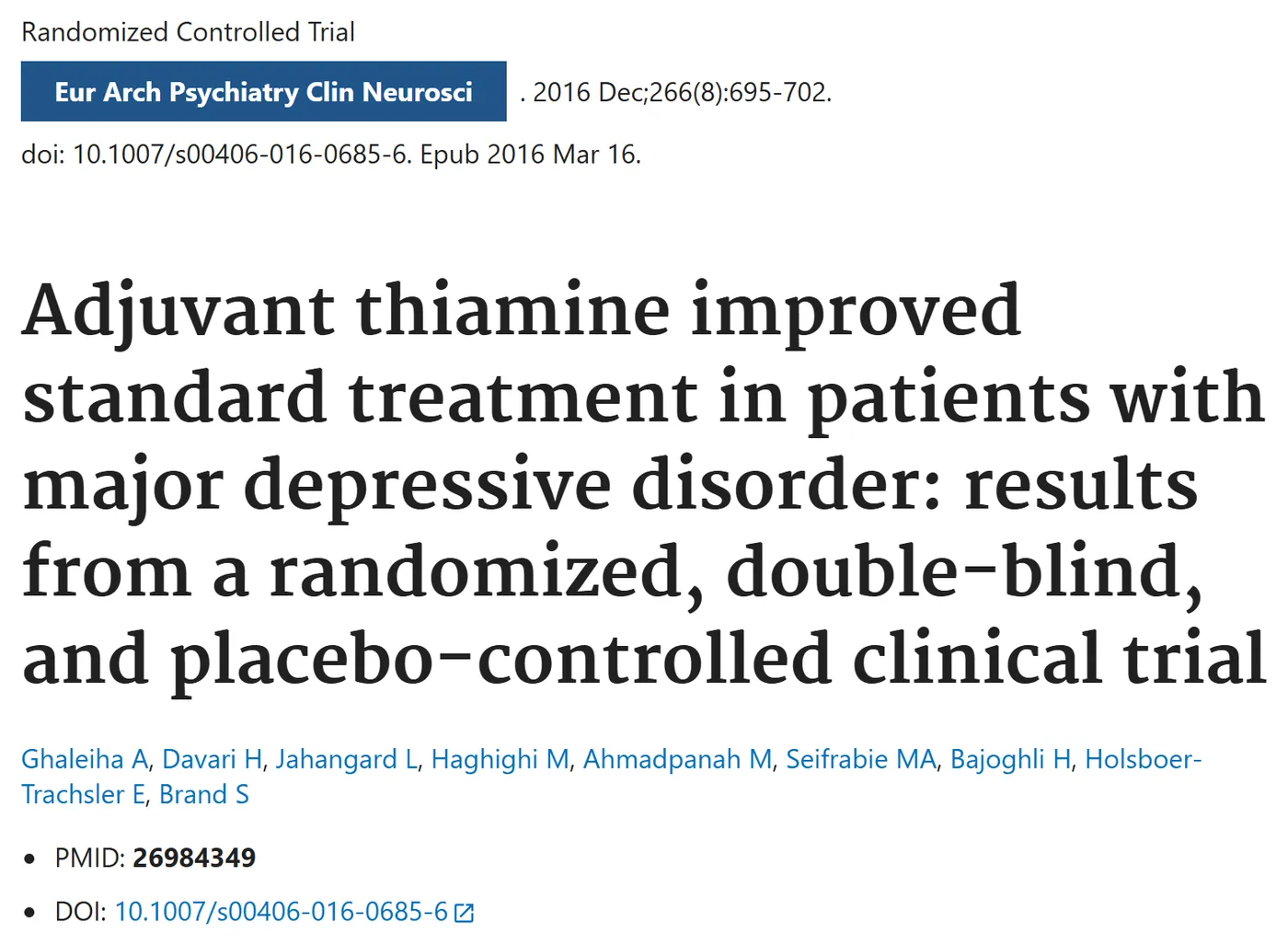
The study: Randomized double-blind placebo-controlled trial · 51 inpatients with major depression on an SSRI.
6 weeks until the thiamine group had fewer depression symptoms than placebo.
51 inpatients with major depression (mean age 35.2, 53% women, Hamilton depression score above 24) all started a standard SSRI and were randomly given thiamine or placebo on top. Experts rated their symptoms at the start and after 3, 6 and 12 weeks. Both groups got better. With thiamine, symptoms were lower after 6 weeks, and the gain held fairly steady to the end, though at week 12 the difference was no longer statistically significant. No side effects were reported in either group.
Keep in mind: The abstract gives no dose and no scores, and the full paper is paywalled, so there are no graphs from it here.
On PubMed: Adjuvant thiamine improved standard treatment in patients with major depressive disorder: results from a randomized, double-blind, and placebo-controlled clinical trial · Eur Arch Psychiatry Clin Neurosci · 2016 · PMID 26984349
50 mg a day for 2 months: clearer head, more energy, faster reactions
The study: Placebo-controlled trial · 120 young women.
120 young adult women took 50 mg of thiamine or placebo every day for 2 months. Mood, memory and reaction times were tested before and after. Better thiamine status went with reports of being more clearheaded, composed and energetic, and reaction times got faster. Memory did not change. By the usual test, these women were not deficient to begin with.
Keep in mind: The abstract gives no scores, and the full paper is paywalled, so there are no graphs from it here.
On PubMed: Thiamine supplementation mood and cognitive functioning · Psychopharmacology (Berl) · 1997 · PMID 9122365
Blood sugar and metabolism
300 mg a day improved glucose tolerance in 6 weeks
The study: Randomized crossover trial · 12 people with high blood sugar.
9.89 → 8.78 mmol/L 2-hour glucose after 6 weeks of thiamine (p = 0.004).
People with impaired glucose tolerance or new type 2 diabetes took 100 mg thiamine three times a day or placebo for 6 weeks each. On thiamine the 2-hour glucose after a sugar drink fell from 9.89 to 8.78 mmol/L. On placebo, fasting glucose, insulin and insulin resistance (HOMA-IR) all rose; on thiamine they did not.
Keep in mind: Small trial. A follow-up paper from the same trial found resting energy expenditure went down on thiamine, not up (1526 to 1479 kcal/day), and diastolic blood pressure fell from 71.4 to 67.9 mm Hg.
On PubMed: High-dose thiamine supplementation improves glucose tolerance in hyperglycemic individuals: a randomized, double-blind cross-over trial · Eur J Nutr · 2013 · PMID 23715873
Diabetes: kidneys and nerves
High-dose B1 brought down protein leaking into the urine
The study: Randomized double-blind trial · 40 people with type 2 diabetes.
−17.7 mg/24 h urine albumin after 3 months of 300 mg/day thiamine (median, p < 0.001).
Diabetic patients with microalbuminuria, an early sign of kidney damage, took 100 mg thiamine three times a day or placebo for 3 months. Albumin in the urine fell on thiamine and was lower than on placebo at the end (30.1 vs 35.5 mg/24 h, p < 0.01). Blood sugar, blood fats and blood pressure did not change.
Keep in mind: A pilot study. It shows a kidney marker improving, not fewer people on dialysis.
On PubMed: High-dose thiamine therapy for patients with type 2 diabetes and microalbuminuria: a randomised, double-blind placebo-controlled pilot study · Diabetologia · 2009 · PMID 19057893
6 weeks of benfotiamine eased nerve symptoms, best at 600 mg
The study: Randomized double-blind trial · 165 people with diabetic nerve damage.
p = 0.033 for better nerve symptom scores on benfotiamine vs placebo, in the patients who followed the protocol.
BENDIP (benfotiamine in diabetic polyneuropathy) gave 600 mg a day of benfotiamine, 300 mg a day or placebo for 6 weeks. The main score, the Neuropathy Symptom Score, differed between the groups (p = 0.033 in the 124 who followed the protocol; p = 0.055, just short of significance, counting all 133 analysed). The improvement was bigger at the higher dose and grew the longer people took it. Of the single symptoms, pain responded best. Treatment was well tolerated.
Keep in mind: Only 6 weeks, and a second symptom score (TSS) did not differ between the groups. The abstract gives p values, not the size of the change.
On PubMed: Benfotiamine in diabetic polyneuropathy (BENDIP): results of a randomised, double blind, placebo-controlled clinical study · Exp Clin Endocrinol Diabetes · 2008 · PMID 18473286
Heart
Topping up B1 made the heart pump harder
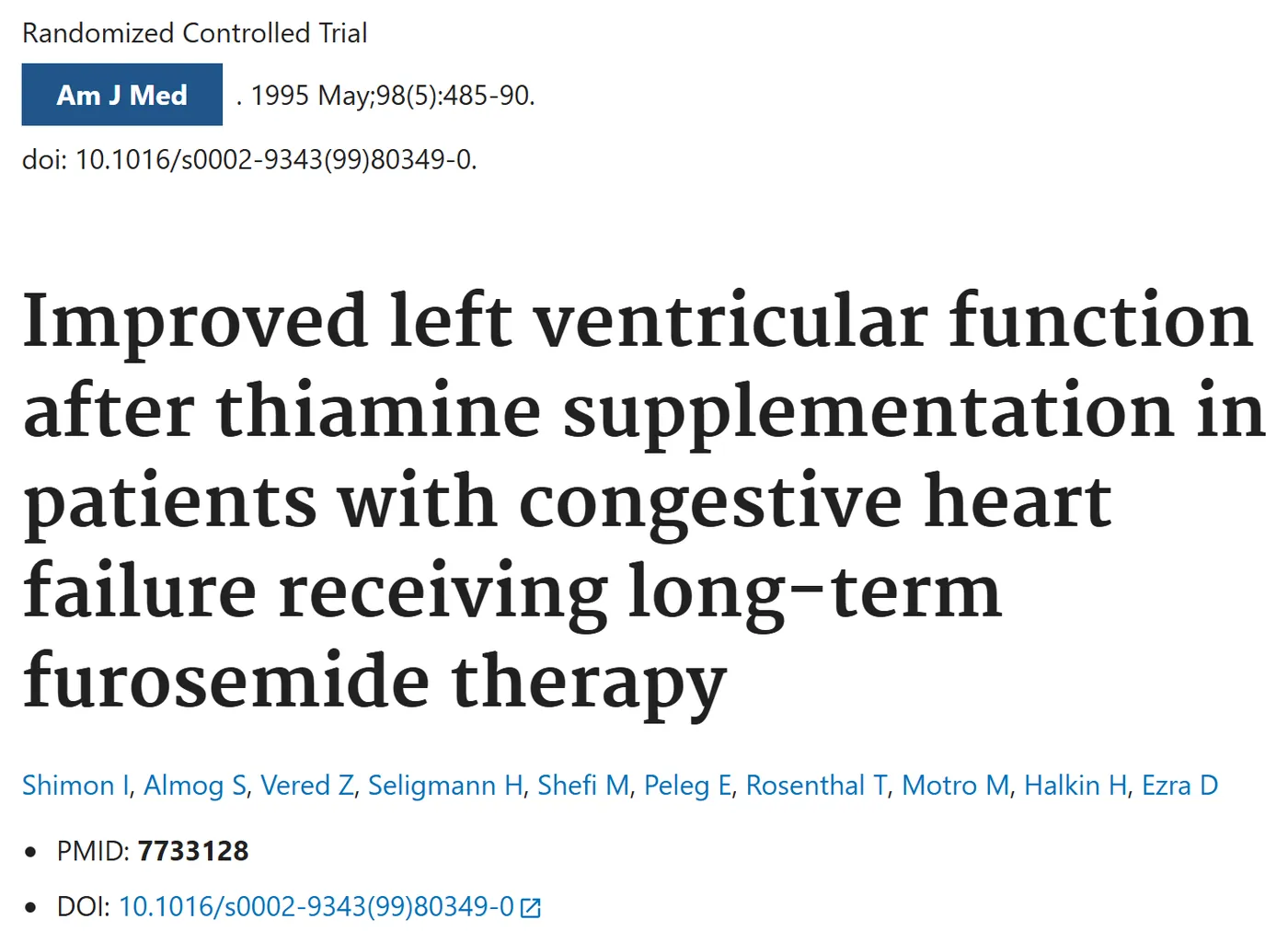
The study: Randomized trial · 30 heart failure patients on furosemide.
+22% ejection fraction after 7 weeks of thiamine (0.27 → 0.33).
Patients had taken the diuretic furosemide (80 mg/day or more) for at least 3 months. One week of 200 mg IV thiamine raised ejection fraction from 0.28 to 0.32 (placebo did not), increased urine output from 1731 to 2389 mL/day, and brought the B1 deficiency marker down from 11.7% to 5.4%. After 6 more weeks of 200 mg by mouth, ejection fraction was up 22%.
Keep in mind: Diuretics wash B1 out in the urine. The heart is one of the hungriest organs for PDH.
On PubMed: Improved left ventricular function after thiamine supplementation in patients with congestive heart failure receiving long-term furosemide therapy · Am J Med · 1995 · PMID 7733128
A small crossover trial confirmed it: 300 mg a day for 28 days raised ejection fraction to 32.8% vs 28.8% on placebo (p = 0.024) in heart failure patients.
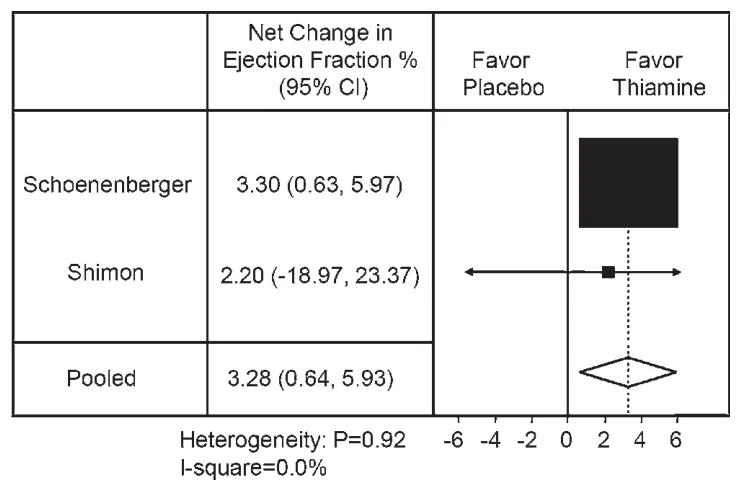
Pooled, the two placebo trials agree: B1 helps the heart pump
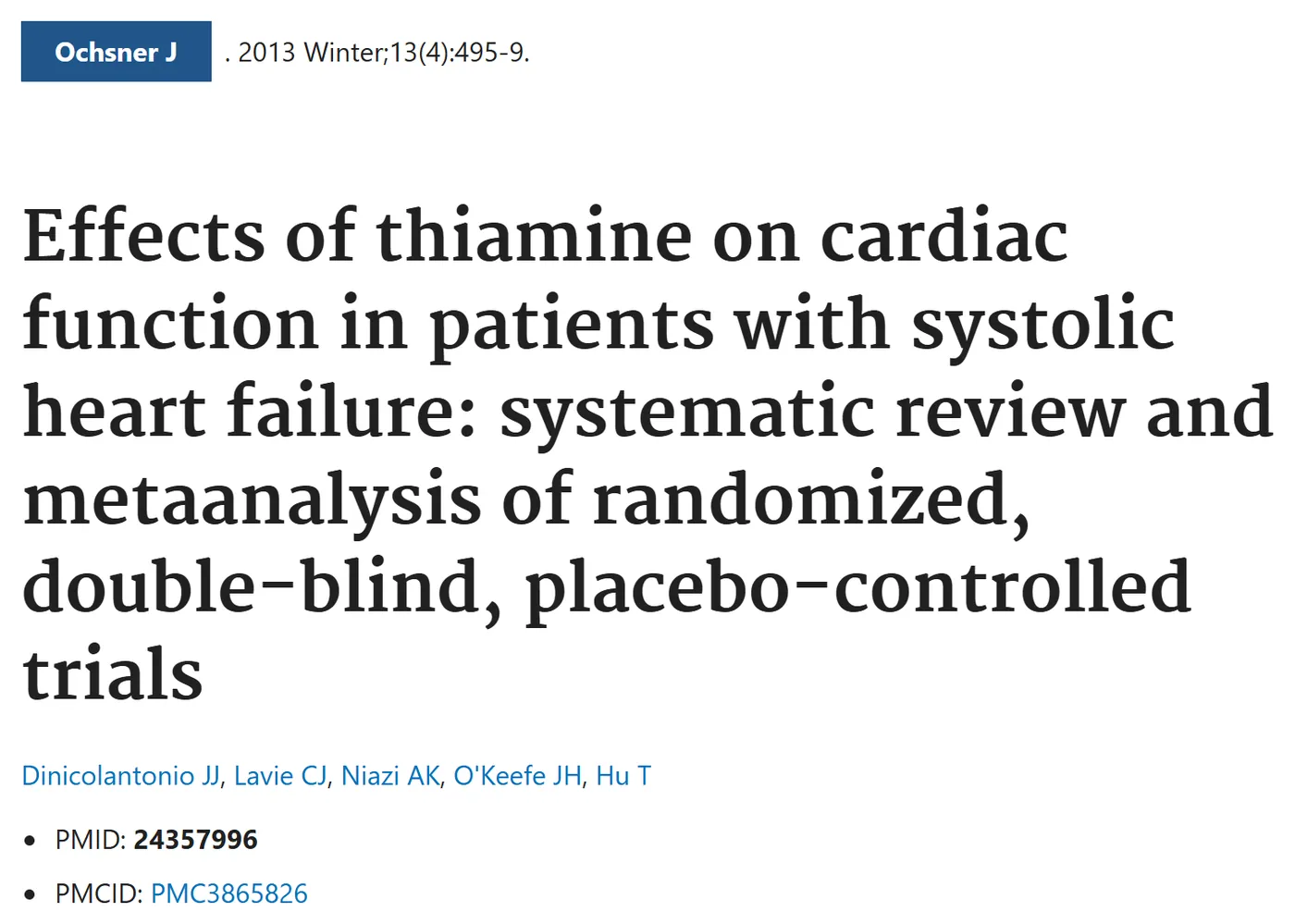
The study: Meta-analysis · 2 double-blind trials, 38 heart failure patients.
+3.28 points of ejection fraction on thiamine vs placebo (95% CI 0.64 to 5.93).
The authors searched for every randomized, double-blind, placebo-controlled trial of thiamine in systolic heart failure that measured ejection fraction. Out of 154 titles, 2 trials qualified: the furosemide trial above (29 patients, IV then oral thiamine) and the 28-day, 300 mg crossover trial (9 patients). Pooled, thiamine raised ejection fraction by 3.28 percentage points more than placebo, with no disagreement between the two trials (I² = 0%).
Keep in mind: Only 38 patients in total, and most of the weight comes from the 9-patient trial. The authors call for a large multicentre trial.
On PubMed: Effects of thiamine on cardiac function in patients with systolic heart failure: systematic review and metaanalysis of randomized, double-blind, placebo-controlled trials · Ochsner J · 2013 · PMID 24357996
Fatigue
High-dose B1 beat placebo for chronic fatigue in 4 weeks
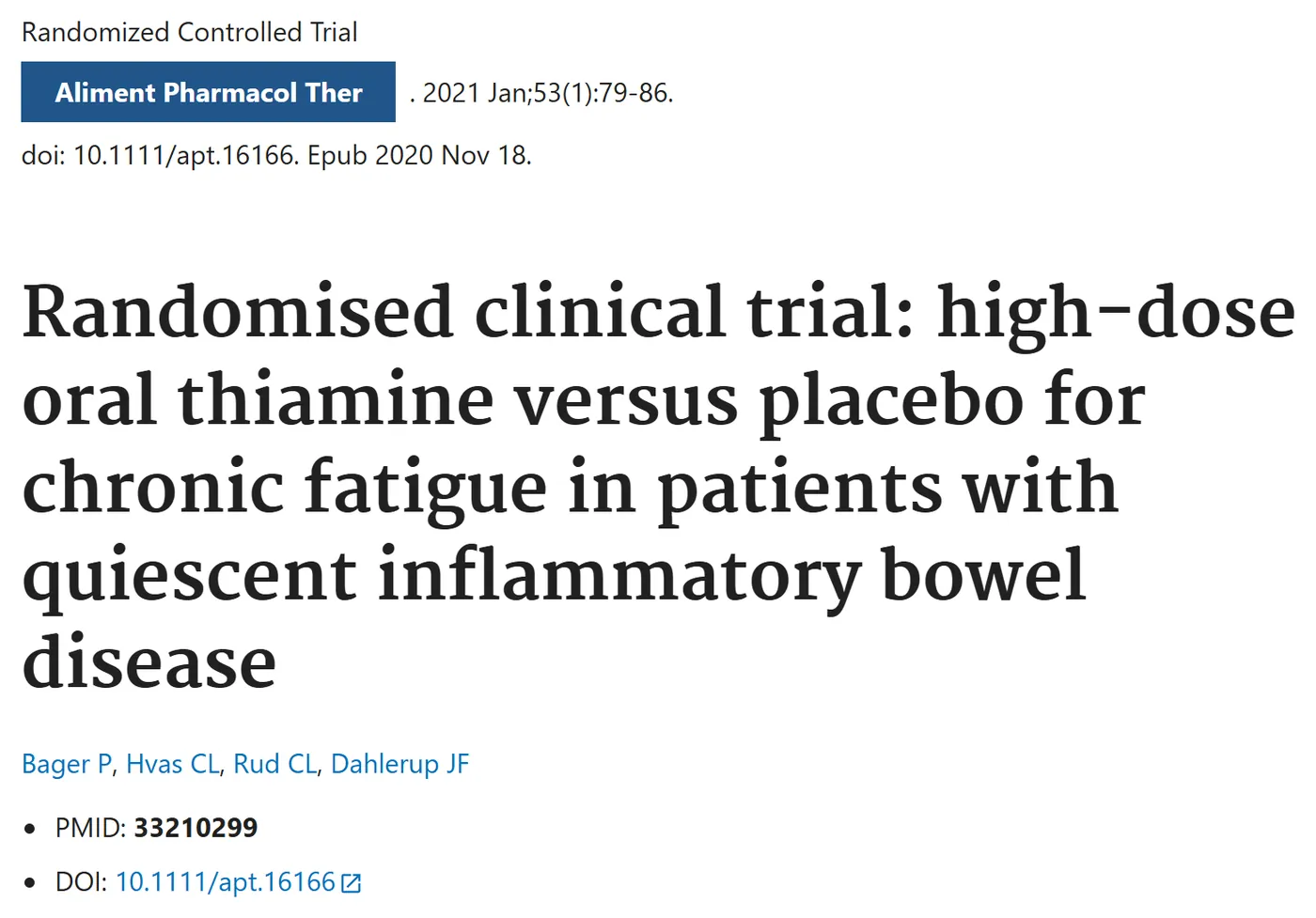
The study: Randomized double-blind crossover · 40 IBD patients.
−4.5 points of fatigue on thiamine vs +0.75 on placebo (P = 0.0003).
People with inflammatory bowel disease in remission but with severe chronic fatigue took 600 to 1800 mg a day of oral thiamine (by sex and weight) or placebo for 4 weeks each. On thiamine, 55% and 75% of the two groups improved by at least 3 points, against 25% and 35% on placebo.
Keep in mind: Fatigue is a symptom score, and the same team got the opposite result in a liver disease (next study).
On PubMed: Randomised clinical trial: high-dose oral thiamine versus placebo for chronic fatigue in patients with quiescent inflammatory bowel disease · Aliment Pharmacol Ther · 2021 · PMID 33210299
The same dose did nothing for fatigue in liver disease
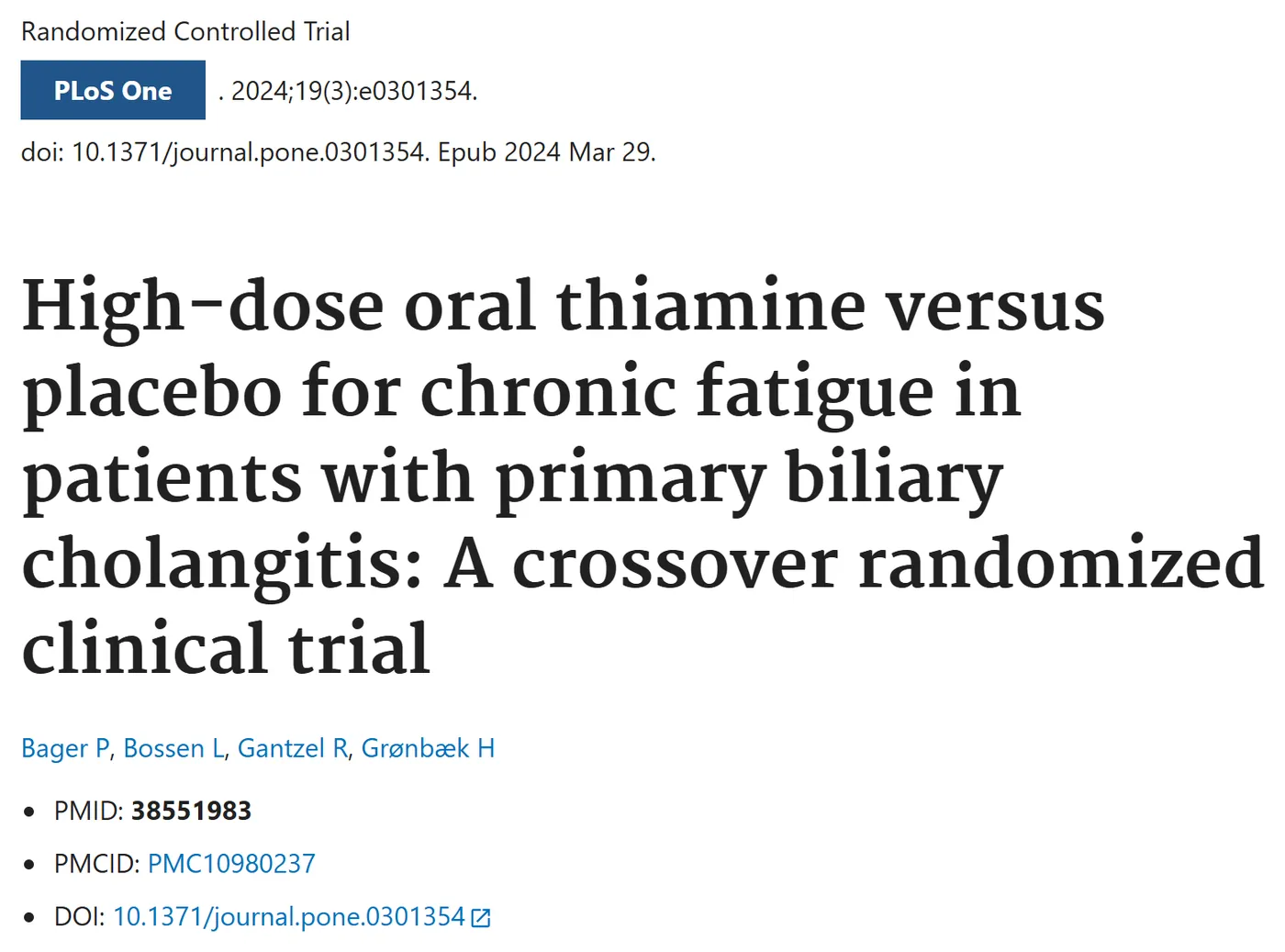
The study: Randomized double-blind crossover · 36 people with primary biliary cholangitis.
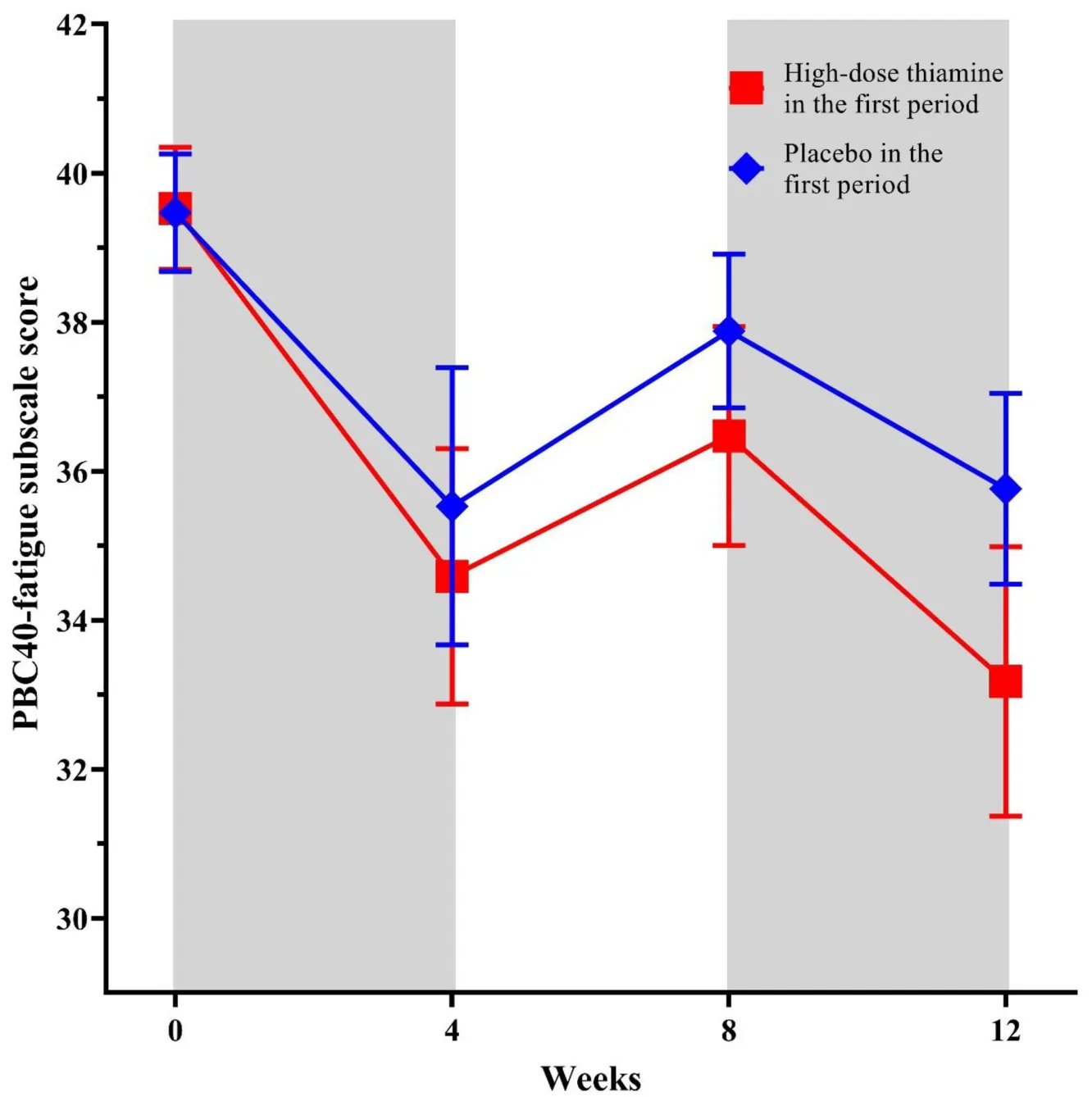
p = 0.55 thiamine vs placebo for fatigue in the crossover analysis.
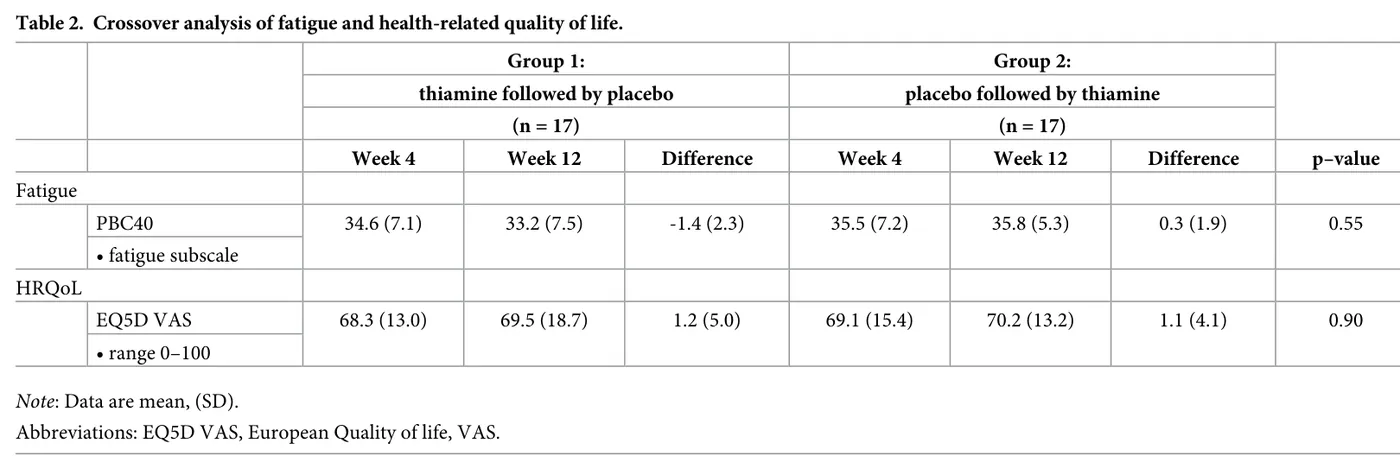
The Danish team behind the IBD trial ran the same design in primary biliary cholangitis, a liver disease where more than half the patients have chronic fatigue. Patients took 600 to 1800 mg a day of thiamine (300 mg tablets, dosed by weight and sex) or placebo for 4 weeks each, with a 4-week washout between. Fatigue fell by 5.0 points overall, but placebo did as well: in the crossover analysis, fatigue rose 0.3 points after thiamine and fell 1.4 points after placebo (p = 0.55). Quality of life did not differ either (p = 0.90). Side effects were mild and short-lived.
Keep in mind: A clean negative result from a good design. Whatever B1 does for fatigue in IBD did not carry over to this disease.
On PubMed: High-dose oral thiamine versus placebo for chronic fatigue in patients with primary biliary cholangitis: A crossover randomized clinical trial · PLoS One · 2024 · PMID 38551983
In an open-label study with no placebo group, 50 people with Parkinson's disease got 100 mg of thiamine by injection twice a week. Their total symptom score fell from 38.55 to 18.16 within 3 months. Striking, but without a control group it is a lead, not proof.
Period pain
In a randomized, placebo-controlled study of 556 girls aged 12 to 21 with moderate to very severe period pain, 100 mg of thiamine a day for 90 days left 87% completely cured and 8% relieved, and the effect held 2 months after stopping. One study from one author, with no placebo numbers in the abstract, but it is large and the dose is tiny.
Exercise
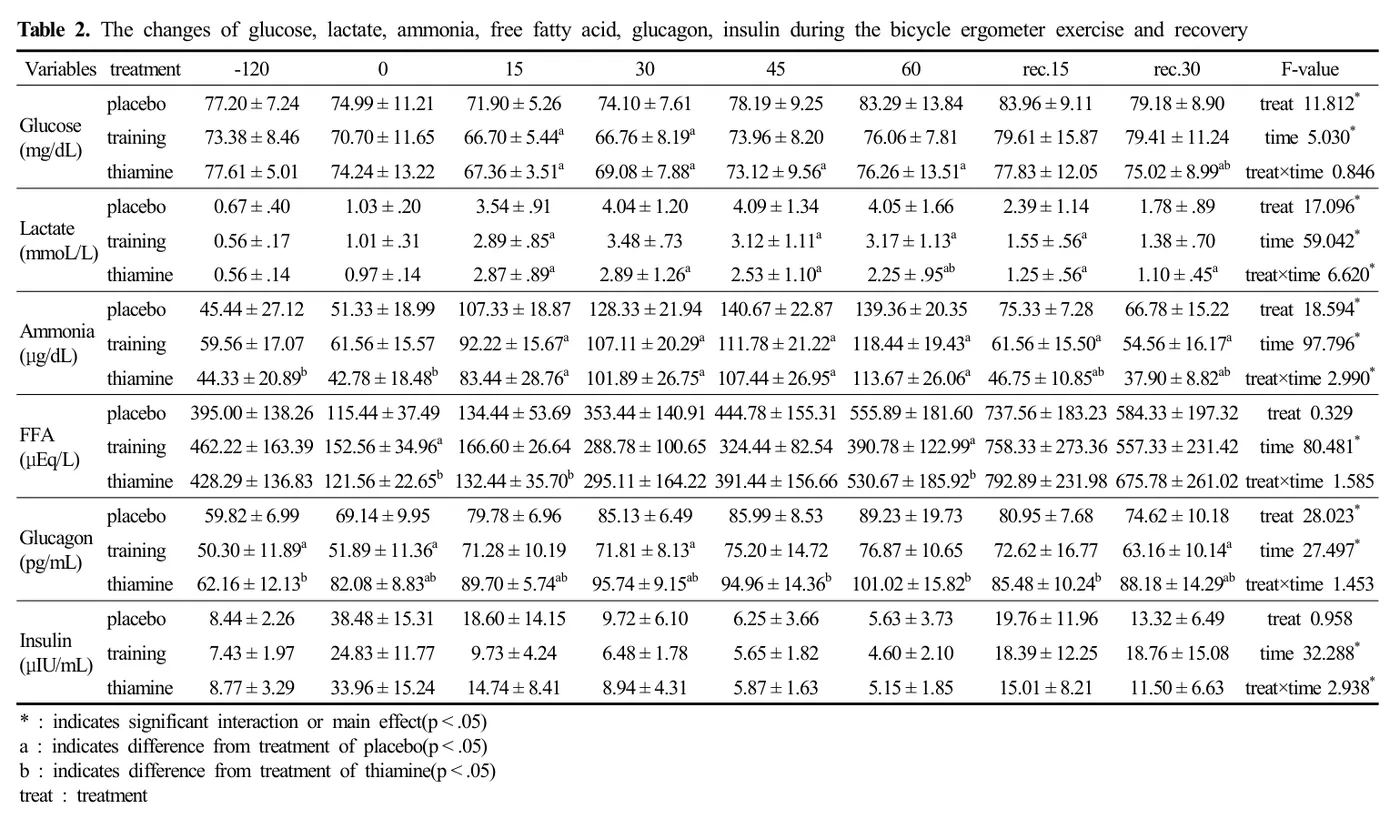
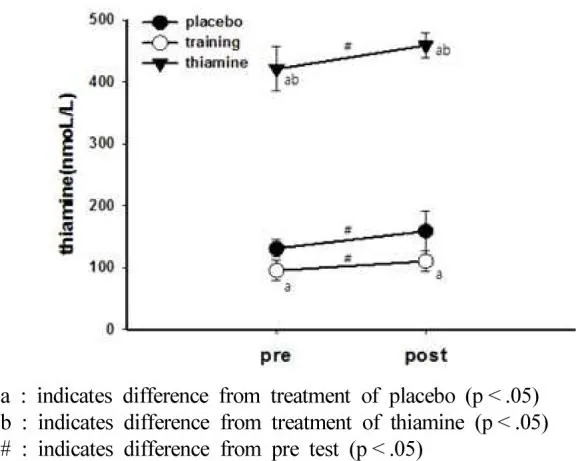
TTFD lowered lactate and ammonia during an hour of cycling
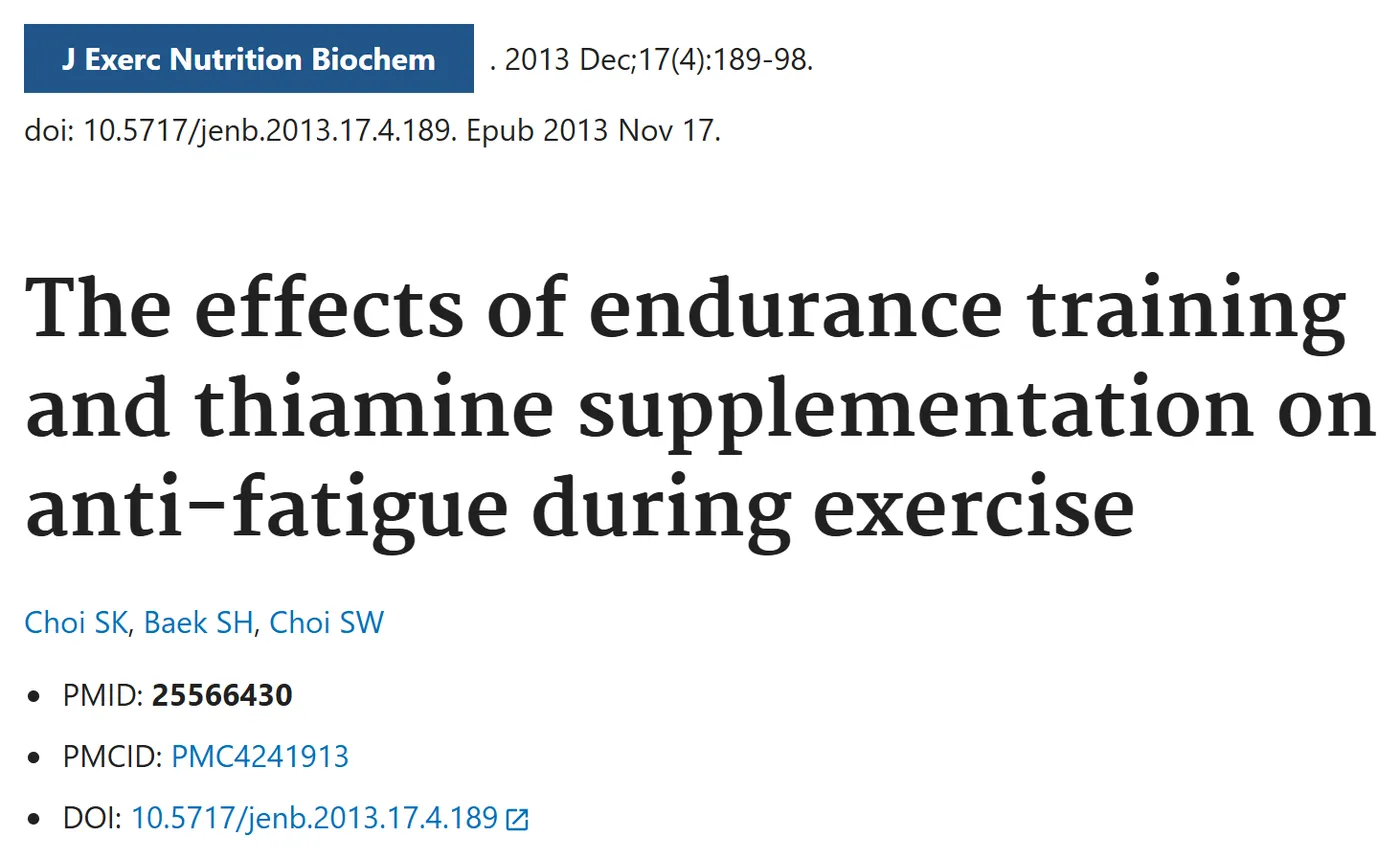
The study: Crossover trial · 9 women.
15–60 min lactate stayed lower for most of the hour of cycling on TTFD vs placebo.
Nine students from a women's university did 4 weeks of placebo, 4 weeks of endurance training and 4 weeks of TTFD (10 mg per kg a day). During a 60-minute ride at 70% of VO₂max, lactate was lower than placebo from minute 15 to 60 on thiamine, and from 15 to 30 with training. Ammonia was also lower during exercise and recovery. In the paper's Table 2, lactate at minute 60 was 2.25 ± 0.95 mmol/L on thiamine vs 4.05 ± 1.66 on placebo, and ammonia at minute 60 was 113.67 vs 139.36 µg/dL. The authors conclude thiamine gave benefits similar to endurance training.
Keep in mind: Very small trial (9 women), and TTFD is a fat-soluble form of B1, not plain thiamine. The only positive human TTFD exercise trial I could find.
On PubMed: The effects of endurance training and thiamine supplementation on anti-fatigue during exercise · J Exerc Nutrition Biochem · 2013 · PMID 25566430
In athletes, 100 mg a day for 3 days reduced fatigue complaints after exercise on a 30-item scale and blunted the rise in blood glucose. In elderly women with marginal B1 deficiency, just 10 mg a day for 6 weeks raised appetite, energy intake, body weight and well-being and lowered fatigue.
Going the other way proves the point. Men on a diet low in B1, B2, B6 and vitamin C for 8 weeks lost 9.8% of their VO₂max and 19.6% of their lactate threshold. B vitamins run the aerobic engine: you only notice them when they are missing.
When B1 runs out: lactate instead of ATP
The clearest proof that B1 controls the gate comes from people who lose it fast. In intensive care, patients fed by IV without vitamins develop severe lactic acidosis that cleared within hours of IV thiamine. Four critically ill patients with no sepsis and no alcohol use had lactic acidosis and heart failure from acute beriberi that responded drastically to thiamine.
High lactate, no shock, cleared by thiamine
The study: Case series · 11 patients.
10 of 11 patients' lactate fell from an average of 4.5 to below 2 mmol/L after thiamine.
Eleven hospital patients had a lactic acidosis averaging 4.5 mmol/L. After thiamine, lactate came down to below 2 mmol/L in 10 of the 11. The authors stress that this kind of lactic acidosis is not caused by anaerobic metabolism: there was oxygen, the gate was just closed.
On PubMed: Thiamine responsive lactic acidosis in patients not in shock: A case series and literature review · Am J Med Sci · 2026 · PMID 42142844
Stress drains B1 too. In 14 patients having heart bypass surgery, PDH activity fell by an average of 41.7% after surgery, 8 of them became thiamine deficient when none were before, and the lower their thiamine, the higher their lactate (r = −0.58).
Thiamine lowered lactate only in the people who were low in it
The study: Randomized trial · 88 patients in septic shock.
35% of septic shock patients were thiamine deficient at the start.
Patients with septic shock and lactate above 3 mmol/L got 200 mg IV thiamine or placebo twice a day for 7 days. Overall there was no difference in lactate at 24 hours (2.5 vs 2.6 mmol/L). But in the deficient third, lactate was 2.1 vs 3.1 mmol/L (p = 0.03), and their mortality over time was lower (p = 0.047).
Keep in mind: This is the pattern in almost every B1 trial: it works when it fills a gap, not as a stimulant.
On PubMed: Randomized, Double-Blind, Placebo-Controlled Trial of Thiamine as a Metabolic Resuscitator in Septic Shock: A Pilot Study · Crit Care Med · 2016 · PMID 26771781
Hospital: sepsis and Wernicke's
In septic shock the picture is weaker than the lactate story suggests.
Pooling 5 trials of thiamine alone, it did not significantly change mortality; the authors say the trials are too small to settle it.
Where thiamine is not in doubt is Wernicke's encephalopathy, the brain damage of severe B1 deficiency. European guidelines say to give 200 mg three times a day, preferably IV, before any carbohydrate, and to give it to every at-risk patient arriving in the emergency room. Feeding sugar to someone with no B1 can push them over the edge, for exactly the PDH reason above.
Who runs low
- Severe obesity: before weight-loss surgery, 29% of 379 patients were thiamine deficient (study below). In another group of 303, 15.5% were low, with a mean BMI of 60.
- Diuretics: long-term furosemide users in heart failure (see above).
- Hospital and surgery stress: sepsis, bypass surgery and IV feeding without vitamins.
- Alcohol: blocks absorption and use of B1; the classic cause of Wernicke's encephalopathy.
- Diets heavy in refined carbohydrate: every gram of sugar burned uses B1, and white flour and white rice lose most of theirs in milling.
Almost a third of people with severe obesity were low in B1 before surgery
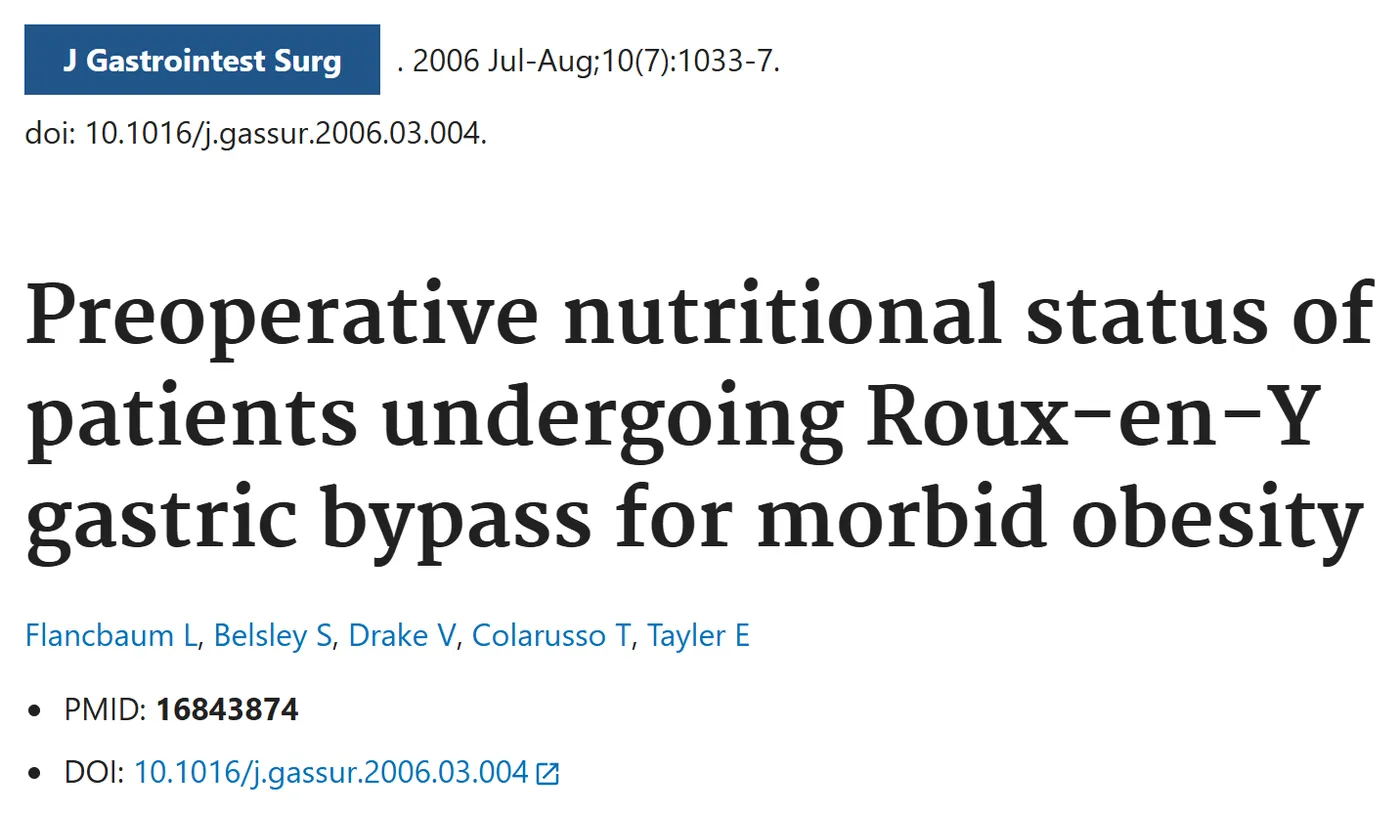
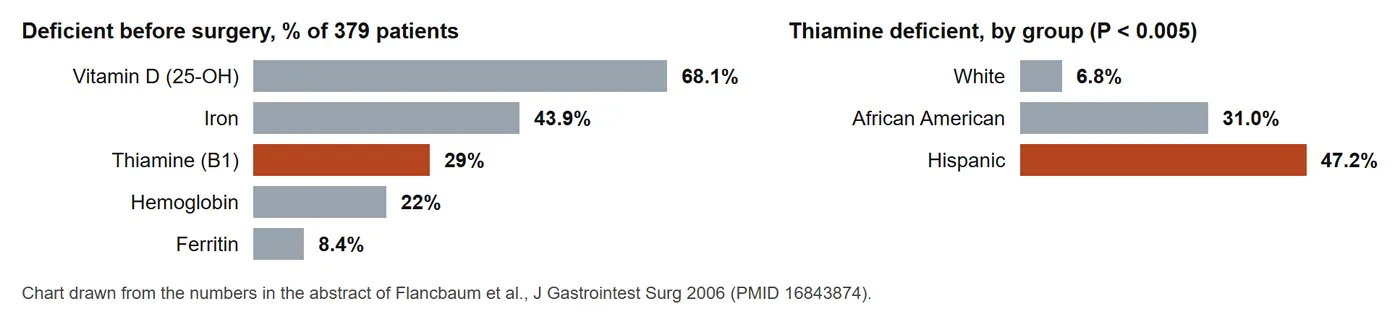
The study: Retrospective study · 379 people before gastric bypass surgery.
29% of 379 patients were thiamine deficient before weight-loss surgery.
The team went through the blood work of 379 consecutive patients (320 women and 59 men, mean BMI 51.8) before Roux-en-Y gastric bypass between 2002 and 2004. Before any surgery, 29% were already thiamine deficient. Only vitamin D (68.1%) and iron (43.9%) were low more often. B1 deficiency differed sharply by group: 6.8% of white patients, 31.0% of African American patients and 47.2% of Hispanic patients (P < 0.005). The authors say these deficiencies should be found and corrected early, to avoid complications after surgery.
Keep in mind: A look back at hospital records, with no normal-weight comparison group. The abstract does not say which cut-off counted as low B1.
On PubMed: Preoperative nutritional status of patients undergoing Roux-en-Y gastric bypass for morbid obesity · J Gastrointest Surg · 2006 · PMID 16843874
Doses used in the studies
These are the doses the trials on this page used, not a prescription:
- 10 mg/day thiamine for 6 weeks: elderly women with marginal deficiency.
- 100 to 300 mg/day thiamine hydrochloride by mouth: blood sugar, heart failure, fatigue.
- 200 mg IV once or twice a day: hospital trials (septic shock, heart failure start).
- Benfotiamine: absorbed several times better than the salts, used for nerve and brain trials (2 × 300 mg/day in the Alzheimer's trial).
- TTFD 10 mg per kg a day: the cycling trial.
B1 is water-soluble and the excess leaves in the urine. In the 1500 mg single-dose study above, healthy volunteers took it by mouth without a dose ceiling being reached for absorption.
Quick answers
What does thiamine do in the body?
Its active form, thiamine pyrophosphate (TPP), is the cofactor for pyruvate dehydrogenase, alpha-ketoglutarate dehydrogenase, branched-chain keto acid dehydrogenase and transketolase. These enzymes move sugar into the mitochondria, run the Krebs cycle, burn branched-chain amino acids and make NADPH.
How does thiamine affect pyruvate dehydrogenase (PDH)?
TPP is the cofactor of the first PDH step, which cuts CO2 off pyruvate. Without enough TPP, PDH cannot work and pyruvate is turned into lactate. In human trials extra thiamine lowered lactate in people who were deficient.
Can low thiamine cause high lactate?
Yes. Thiamine deficiency causes type B lactic acidosis, which happens even with enough oxygen. In case series it cleared within hours of thiamine, and in septic shock thiamine lowered lactate only in the deficient patients.
Does thiamine improve exercise performance?
The evidence is thin. In one small trial of 9 women, TTFD (a fat-soluble B1) lowered lactate and ammonia during an hour of cycling. Going the other way, men on a diet low in B1 and other B vitamins lost 9.8% of their VO2max in 8 weeks.
Does thiamine help blood sugar?
In a small randomized crossover trial, 300 mg a day for 6 weeks lowered 2-hour glucose from 9.89 to 8.78 mmol/L in people with impaired glucose tolerance, while glucose, insulin and HOMA-IR rose on placebo.
What is the difference between thiamine and benfotiamine?
Benfotiamine is a fat-soluble form of thiamine with the thiazolium ring opened. It is absorbed much better: in one study it gave about 11 times the plasma thiamine exposure of thiamine hydrochloride.
The studies
- Benfotiamine and Cognitive Decline in Alzheimer's Disease: Results of a Randomized Placebo-Controlled Phase IIa Clinical TrialJ Alzheimers Dis · 2020 · PMID 33074237
- Adjuvant thiamine improved standard treatment in patients with major depressive disorder: results from a randomized, double-blind, and placebo-controlled clinical trialEur Arch Psychiatry Clin Neurosci · 2016 · PMID 26984349
- Thiamine supplementation mood and cognitive functioningPsychopharmacology (Berl) · 1997 · PMID 9122365
- Thiamine responsive lactic acidosis in patients not in shock: A case series and literature reviewAm J Med Sci · 2026 · PMID 42142844
- Benfotiamine in diabetic polyneuropathy (BENDIP): results of a randomised, double blind, placebo-controlled clinical studyExp Clin Endocrinol Diabetes · 2008 · PMID 18473286
- Effects of thiamine on cardiac function in patients with systolic heart failure: systematic review and metaanalysis of randomized, double-blind, placebo-controlled trialsOchsner J · 2013 · PMID 24357996
- High-dose oral thiamine versus placebo for chronic fatigue in patients with primary biliary cholangitis: A crossover randomized clinical trialPLoS One · 2024 · PMID 38551983
- Randomized, Double-Blind, Placebo-Controlled Trial of Thiamine as a Metabolic Resuscitator in Septic Shock: A Pilot StudyCrit Care Med · 2016 · PMID 26771781
- Pyruvate Dehydrogenase Activity and Quantity Decreases After Coronary Artery Bypass Grafting: a Prospective Observational StudyShock · 2015 · PMID 25526377
- Rapid reversal of severe lactic acidosis after thiamine administration in critically ill adults: a report of 3 casesNutr Clin Pract · 2015 · PMID 25516536
- Shoshin Beriberi in Critically-Ill patients: case seriesNutr J · 2015 · PMID 25982313
- High-dose thiamine supplementation improves glucose tolerance in hyperglycemic individuals: a randomized, double-blind cross-over trialEur J Nutr · 2013 · PMID 23715873
- High-dose thiamine supplementation may reduce resting energy expenditure in individuals with hyperglycemia: a randomized, double - blind cross-over trialJ Diabetes Metab Disord · 2020 · PMID 32550179
- The impact of thiamine supplementation on blood pressure, serum lipids and C-reactive protein in individuals with hyperglycemia: a randomised, double-blind cross-over trialDiabetes Metab Syndr · 2015 · PMID 25982678
- Improved left ventricular function after thiamine supplementation in patients with congestive heart failure receiving long-term furosemide therapyAm J Med · 1995 · PMID 7733128
- Thiamine supplementation in symptomatic chronic heart failure: a randomized, double-blind, placebo-controlled, cross-over pilot studyClin Res Cardiol · 2012 · PMID 22057652
- The effects of endurance training and thiamine supplementation on anti-fatigue during exerciseJ Exerc Nutrition Biochem · 2013 · PMID 25566430
- Effects of thiamine supplementation on exercise-induced fatigueMetab Brain Dis · 1996 · PMID 8815395
- Influence of thiamin supplementation on the health and general well-being of an elderly Irish population with marginal thiamin deficiencyJ Gerontol · 1991 · PMID 1986037
- Thiamin, riboflavin, and vitamins B-6 and C: impact of combined restricted intake on functional performance in manAm J Clin Nutr · 1988 · PMID 3202095
- Dietary intake and thiamin, iron, and zinc status in elite Nordic skiers during different training periodsInt J Sport Nutr · 1992 · PMID 1299505
- Preoperative nutritional status of patients undergoing Roux-en-Y gastric bypass for morbid obesityJ Gastrointest Surg · 2006 · PMID 16843874
- Preoperative thiamine deficiency in obese population undergoing laparoscopic bariatric surgerySurg Obes Relat Dis · 2005 · PMID 16925281
- Thiamine and magnesium deficiencies: keys to diseaseMed Hypotheses · 2015 · PMID 25542071
- A molecular switch and proton wire synchronize the active sites in thiamine enzymesScience · 2004 · PMID 15514159