How to Increase DHT Naturally: Why I Protect the Strongest Androgen
In this article
DHT is probably the most important hormone we have as men.
It is the strongest androgen, and in my view it is the main opponent of estrogen, prolactin and cortisol in the male body. It has been turned into a villain because of hair. I think that is one of the worst trades in modern medicine.
This article puts together what I have written about DHT and testosterone: what DHT does, what the studies show, what lowers it, and how I keep mine high.
What DHT is
DHT stands for dihydrotestosterone. Your body makes it from testosterone with an enzyme called 5-alpha reductase.
- It binds the androgen receptor more strongly than testosterone does.
- It cannot be turned into estrogen. Testosterone can, through the enzyme aromatase. DHT cannot.
- Most testosterone is made by the Leydig cells in the testicles, and making it depends on thyroid hormone, cholesterol and energy.
That second point is why I care about DHT more than about total testosterone. A man with high aromatase turns the testosterone he makes, or injects, into estrogen. DHT is the androgen that stays an androgen.
What DHT does
It protects blood sugar
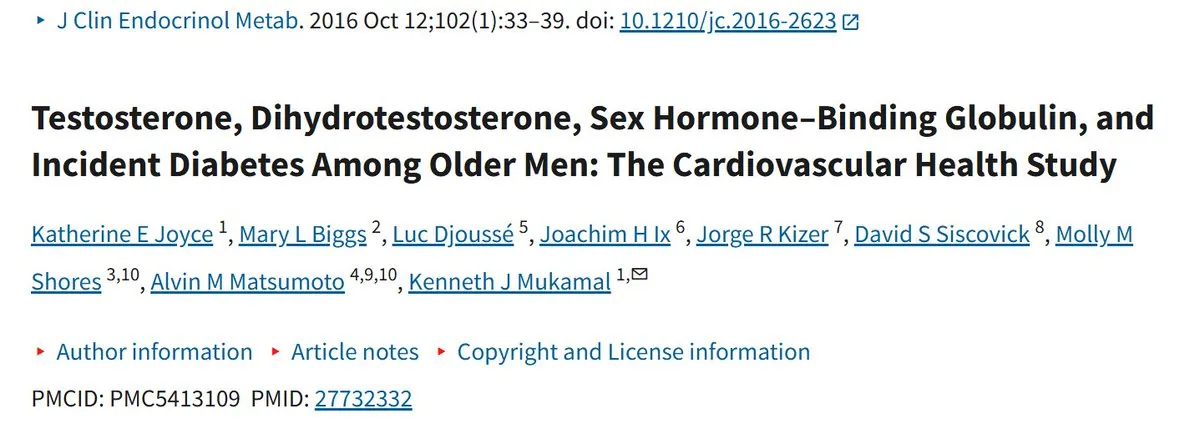
Researchers measured DHT, testosterone and SHBG in 852 older men without diabetes, then followed them for about ten years.
- Higher DHT went with less insulin resistance.
- Each doubling of DHT went with a 31% lower risk of developing diabetes.
- Testosterone levels did not predict diabetes.
The authors' conclusion: higher DHT was inversely associated with insulin resistance and diabetes risk, and testosterone was not.
It is part of how training works
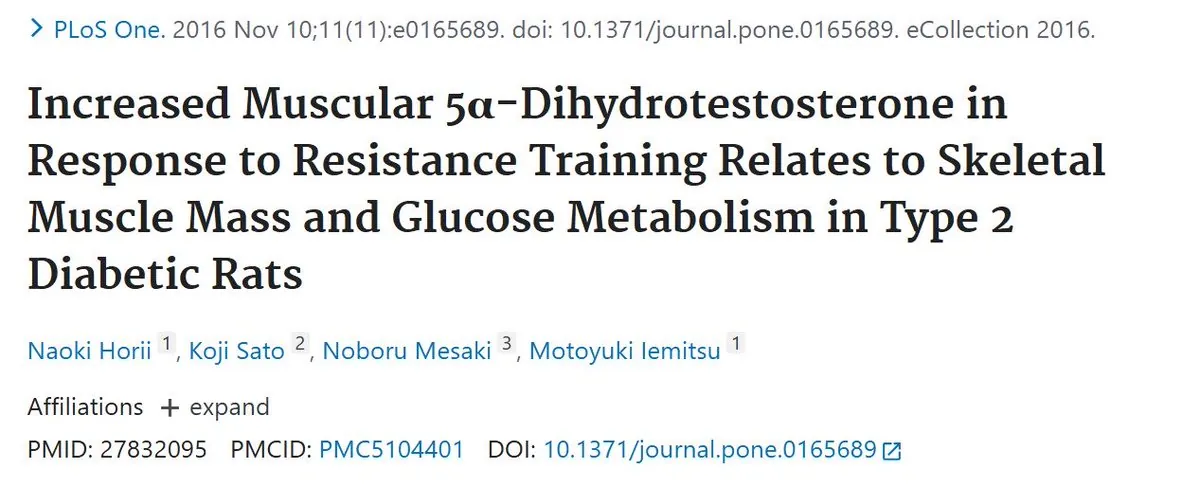
Diabetic rats did resistance training for eight weeks. Their muscle DHT rose, their fasting glucose fell and their muscles grew. A third group trained the same way while receiving a 5-alpha reductase inhibitor, the same class of drug as finasteride. In that group the benefits of training on muscle mass, fasting glucose and insulin sensitivity were suppressed.
It calms the stress system
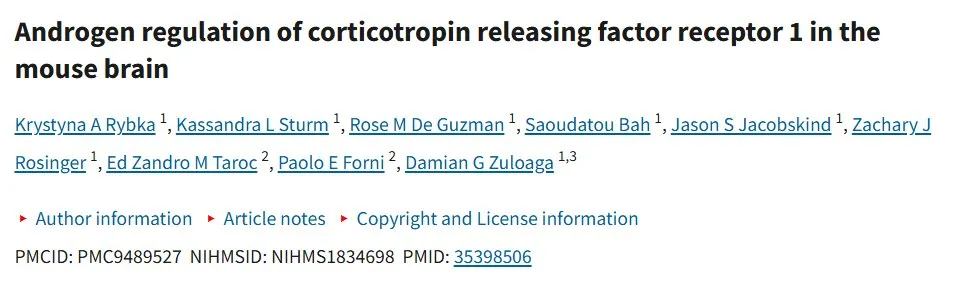
In mice, removing the gonads raised the stress hormone corticosterone after a stressful event. Mice given DHT had the same lower levels as intact males. Androgens act directly on the brain's CRH system, the first step of the stress response.
It supports the mitochondria
A recent review describes how androgens and the androgen receptor regulate mitochondrial content and function, and uses that to explain their effect on glucose and fat metabolism. The androgen receptor is a factor in glucose oxidation.
Testosterone helps too
A meta-analysis of five randomized trials in men with low testosterone and type 2 diabetes found that testosterone therapy lowered fasting glucose, insulin, HbA1c and triglycerides.
What high DHT looks like
This is my own list, from watching myself and other men:
- Almost always calm, and hard to offend
- Deep sleep and morning erections
- Muscle that comes easily
- A thick beard
- A natural pull toward carbs
- Self-respect, and the confidence to make decisions
DHT makes you calm, strong and confident. Estrogen dominance makes you confused, weak and irritable.
Finasteride: blocking DHT for hair
Finasteride and the other 5-alpha reductase inhibitors block the enzyme that makes DHT. They are prescribed for hair loss and for the prostate.
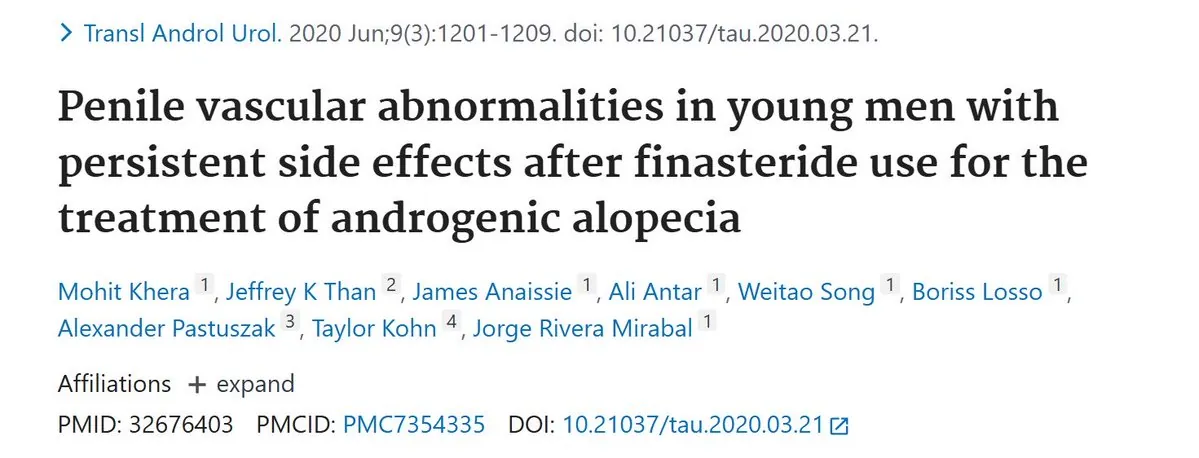
A 2020 study examined 25 young men who had persistent side effects after taking these drugs for hair loss, and compared them with 28 controls.
- 17 of the 25 (68%) had a vascular abnormality on a penile ultrasound.
- Their depression scores were far higher than the controls'.
- Two of them (8%) died by suicide during or after the study.
The authors concluded that use of these drugs for hair loss may lead to persistent sexual, physical and psychological effects even after stopping.
To be exact about what this shows: these were men who already had lasting problems, so it does not tell you how often that happens. It tells you that when it happens, it is physical and measurable.
DHT blockers are basically free. They only cost you muscle, libido, mental stability, sleep and metabolic rate. Lowering your DHT for the sake of some hair is, in my view, a terrible deal.
Does DHT cause hair loss?
The standard view is yes: in men who are genetically prone, DHT acts on the follicles and shrinks them, and that is why finasteride slows balding in many men.
My view is that hair loss is a metabolic problem. Low carbon dioxide, overactive adrenals, high prolactin, high estrogen, inflammation and poor blood flow in the scalp. DHT in the scalp is like calcium in soft tissue. When calcium intake is low, calcium leaves the bones and ends up where it does not belong. Calcium is not the cause there. It is the symptom.
So instead of blocking the hormone I would work on the scalp and on metabolism: lower prolactin and estrogen, improve blood flow, calm the inflammation. The details are in the hair loss guide. This is the topical formula I point people to:
MH-01 Hair Serum BPC-157more.hairView productWhat lowers DHT and testosterone
- Low carb and keto. In a two-month trial in natural bodybuilders, lean mass increased only in the group that was not on keto. The authors warned that the muscle-building response could be blunted.
- Fasting and hard dieting. After a while thyroid and androgens fall. As a man that means low energy, low mood and less muscle.
- Low zinc. When healthy young men ate a zinc-restricted diet for 20 weeks, their testosterone fell from 39.9 to 10.6 nmol/L.
- Cortisol. It is at its peak when you wake up. Staying in that state all day shuts androgen production down.
- Estrogen and aromatase. Inflammation raises prostaglandins, prostaglandins activate aromatase, and your testosterone becomes estrogen.
- Endotoxin from the gut. It is a major activator of aromatase. Less DHT, more estrogen, less muscle, more fat.
- Prolactin. High prolactin opposes both thyroid and testicular function.
- Ibuprofen. In young men it produced a state of compensated hypogonadism, and it suppressed testosterone production in testicular cells.
- Unsaturated fats. High DHT and testosterone can only be maintained, in my experience, on a high-carb, low-PUFA diet.
- Long runs. Muscle breakdown, cortisol and endotoxin all go up.
- Darkness. Ray Peat wrote that dark winters lower testosterone in men.
How to increase DHT
1. Eat enough carbs, starting in the morning
A high carb intake tells your cells the environment is safe. It supports thyroid and androgen production. Fat oxidation signals shortage and raises the stress hormones.
Cortisol peaks when you wake up, because your glycogen is empty after the night. Sugar in the morning is the most effective way I know to bring cortisol down and switch toward testosterone, DHT and T3.
2. Get sun
In my experience sun lowers cortisol and supports testosterone. I get as much as I can, on as much skin as I can.
3. Sleep 8 to 9 hours
4. Lift, and train your legs
Your leg muscles are your biggest fat-loss asset, and training them matters for testosterone. Strong legs, back and chest. I finish my sessions with dead hangs to failure. I keep cardio low, because long runs push the hormones the wrong way.
5. Zinc and the other minerals
In 37 men with unexplained infertility, zinc therapy was tested for its effect on hormones. In the men who started with low testosterone, testosterone, DHT and sperm count all rose, and nine of their wives became pregnant. In the men with normal testosterone, DHT still rose.
That study used a very high dose. If you do not eat seafood regularly, I think 15 to 30 mg of zinc is enough. I also keep sodium, calcium, potassium and magnesium high.
6. Vitamin E, with K2
Cortisol, estrogen, serotonin and oxidative stress lower testicular volume, sperm count and testosterone production. Vitamin E defends the testicles against them. I wrote about the human fertility trials in Vitamin E and sperm. This is the one I use:
E-Complete Oral Supplementskin.foodView product7. Lower prolactin
Your testicles are waiting for your prolactin to drop so they can make testosterone and DHT. Salt, enough carbs, dopamine and a good thyroid all bring it down. I wrote a full article on it: Prolactin, the anti-life hormone.
8. Lower estrogen
Carrots and white button mushrooms, no seed oils, not too much alcohol, and aspirin if it suits you, because it blocks the prostaglandins that switch on aromatase. More in Aspirin: the pro-metabolic case.
9. Fix your gut
In my reading of the research, endotoxin lowers testosterone production in the testicles and raises aromatase. Healing the gut barrier is a root-cause approach to androgens. The plan is in How to fix leaky gut.
10. Keep your thyroid working
The synthesis of testosterone and DHT depends on metabolic rate and T3. Thyroid hormone is what directs cholesterol toward the protective hormones and away from cortisol and estrogen.
11. Skip the things that fight it
No DHT blockers, no ibuprofen as a habit, no extreme diets.
A note on hormones and drugs
DHEA, progesterone, testosterone, DHT, tadalafil and aromatase inhibitors all come up in my posts. In a cell study, tadalafil lowered aromatase and raised androgen receptor expression. These are hormones and prescription drugs. They belong in a conversation with a doctor who measures your levels, not in a shopping cart.
What I watch
- Morning erections
- How calm I am under pressure
- Warm hands
- Recovery from training
- Blood work now and then: testosterone, DHT, estradiol, prolactin, thyroid
The honest part
The 852-man study is an association, not proof that raising DHT prevents diabetes. The training and stress studies are in rats and mice.
Mainstream medicine holds that DHT drives male pattern hair loss and that finasteride is safe for most men who take it. The study I quoted looked only at men who already had lasting side effects. My position against blocking DHT is my reading of the physiology and of those cases.
Several of my habits here, like sun exposure and dead hangs, are things I do and believe in, not things a trial has proven.
Own your health.
Quick answers
What is DHT?
Dihydrotestosterone, the strongest androgen. It is made from testosterone by the enzyme 5-alpha reductase, binds the androgen receptor more strongly than testosterone, and cannot be converted into estrogen.
How can I increase DHT naturally?
The steps I use are enough carbohydrate, especially in the morning, sunlight, 8 to 9 hours of sleep, strength training with a focus on legs, zinc and other minerals, vitamin E, and lowering prolactin, estrogen and gut inflammation.
Does zinc increase DHT?
In a study of 37 infertile men, zinc therapy raised DHT in all of them, and raised testosterone and sperm count in those who started with low testosterone.
Is high DHT bad for you?
In a ten-year study of 852 older men, higher DHT was associated with less insulin resistance and a lower risk of diabetes. The standard view links DHT to male pattern hair loss in men who are genetically prone.
What are the side effects of blocking DHT?
Sexual side effects are well known. A 2020 study of men with persistent symptoms after 5-alpha reductase inhibitors found penile vascular abnormalities in 68% and much higher depression scores than in controls.
The studies
- Testosterone, Dihydrotestosterone, Sex Hormone-Binding Globulin, and Incident Diabetes Among Older Men: The Cardiovascular Health StudyJ Clin Endocrinol Metab · 2017 · PMID 27732332
- Increased Muscular 5α-Dihydrotestosterone in Response to Resistance Training Relates to Skeletal Muscle Mass and Glucose Metabolism in Type 2 Diabetic RatsPLoS One · 2016 · PMID 27832095
- Androgen Regulation of Corticotropin Releasing Factor Receptor 1 in the Mouse BrainNeuroscience · 2022 · PMID 35398506
- Advances in mitochondria-centered mechanism behind the roles of androgens and androgen receptor in the regulation of glucose and lipid metabolismFront Endocrinol (Lausanne) · 2023 · PMID 37900128
- Metabolic effects of testosterone replacement therapy on hypogonadal men with type 2 diabetes mellitus: a systematic review and meta-analysis of randomized controlled trialsAsian J Androl · 2014 · PMID 24369149
- Penile vascular abnormalities in young men with persistent side effects after finasteride use for the treatment of androgenic alopeciaTransl Androl Urol · 2020 · PMID 32676403
- Effects of Two Months of Very Low Carbohydrate Ketogenic Diet on Body Composition, Muscle Strength, Muscle Area, and Blood Parameters in Competitive Natural Body BuildersNutrients · 2021 · PMID 33530512
- Zinc status and serum testosterone levels of healthy adultsNutrition · 1996 · PMID 8875519
- Ibuprofen alters human testicular physiology to produce a state of compensated hypogonadismProc Natl Acad Sci U S A · 2018 · PMID 29311296
- Effect of zinc administration on plasma testosterone, dihydrotestosterone, and sperm countArch Androl · 1981 · PMID 7271365
- Tadalafil modulates aromatase activity and androgen receptor expression in a human osteoblastic cell in vitro modelJ Endocrinol Invest · 2016 · PMID 26134065