
Blood volume and Vasodilation factors.

Improved blood flow to the brain, enhances cognitive function.
Improved blood flow to the muscles, improves physical performance.
Improved blood flow to the liver increases detoxification & bile production.
Improved blood flow to the skin makes it healthy and radiant.
Improved blood flow to the scalp prevents balding.
Inside our body we have 4.5-5.5L of blood:
- Picks up oxygen from the lungs and delivers it to every cell and tissue.
-Absorbs nutrients such as glucose, amino acids, vitamins, from the gastrointestinal tract and transports them to our cells.
-Acts as a waste disposal system, collecting cellular waste products like lactate, urea, and carrying them for elimination.
-White blood cells and antibodies circulate in the blood, acting as the body's defense mechanism to identify, attack, and destroy harmful pathogens like bacteria and viruses.
-carrying hormones secreted by endocrine glands (like insulin or adrenaline) directly to their target organs.
Optimal circulation relies on 3 factors:
1.Blood volume
2.Vasodilation
3.Blood viscosity
When those are optimized you can thrive.
How to increase blood volume?
First let's uncover
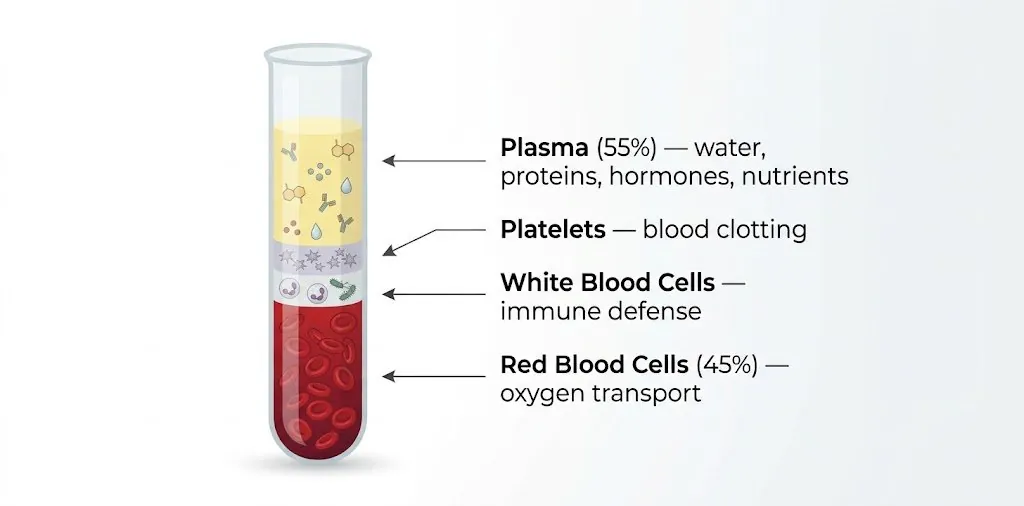
What's in your blood?
Plasma: 55% of blood volume, acts as the transport medium, carrying everything else through the bloodstream, made of 90% water, the remaining 10% consists of:
- Proteins: albumin (maintains fluid balance), globulins (includes antibodies), fibrinogen (essential for clotting)
- Electrolytes: sodium, potassium, calcium, chloride, bicarbonate
- Nutrients: glucose, amino acids, lipids, vitamins
- Hormones: insulin, adrenaline, carbon dioxide and others traveling to target organs.
- Waste products: urea, creatinine, lactate, (in transit for elimination)
Plasma acts as the transport medium, carrying everything else through the bloodstream.
Red Blood Cells (Erythrocytes): 45% of blood volume, Produced in the bone marrow via erythropoiesis, has biconcave disc shape, no nucleus (in mature cells), which maximizes surface area for gas exchange, released by the kidneys, Contain:
- Hemoglobin: an iron-containing protein that binds oxygen in the lungs and releases it to tissues
- Biconcave disc shape, no nucleus (in mature cells), which maximizes surface area for gas exchange
White Blood Cells (Leukocytes) — less than 1% of formed elements, Several distinct types, each with a role in immune defense:
- Neutrophils: first responders, attack bacteria
- Lymphocytes: include B-cells (produce antibodies) and T-cells (destroy infected cells)
- Monocytes: mature into macrophages, engulf pathogens and debris
- Eosinophils: fight parasites, involved in allergic reactions
- Basophils: release histamine during inflammatory responses
Platelets (Thrombocytes): Small, irregularly shaped cell fragments (not full cells) Produced rises in response to bleeding or tissue damage
- Aggregate at sites of vessel injury to form a plug
- Release clotting factors that trigger the coagulation cascade, forming fibrin mesh
How to increase blood volume?
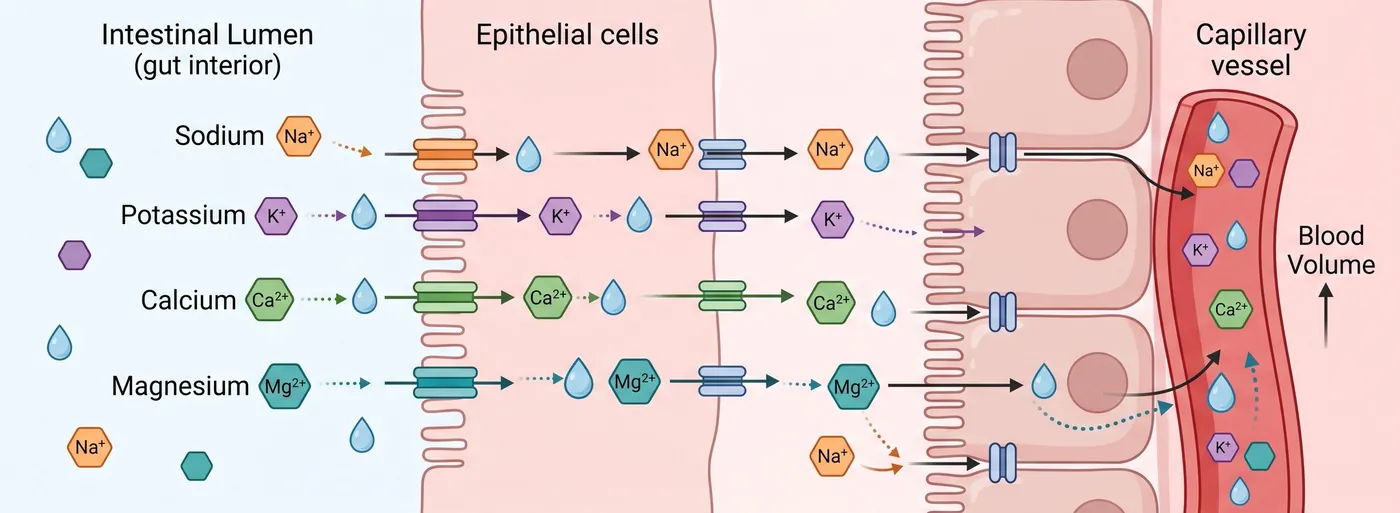
The plasma maintains most of our blood volume and is the most important factor for having high blood volume, it's 90% which means consuming enough water is CRUCIAL for our blood volume, BUT...
Drinking a lot of water actually lowers blood volume, because having water in your stomach is not enough, you want the water to enter your bloodstream, for this to happen we need MINERALS.
Consuming enough Sodioum,Potassium,Calcium and magnesium is the MOST important factor for having high blood volume.
Refrences:
PMID: 15954990, 1001331, 6387428
Carbs effect on blood volume
Glycogen Holds Water: Gram of glycogen holds onto about 3 grams of water, more glycogen storage = more water held in your body. This is why low-carb diets (like keto) cause fast weight loss at first it's mostly water, when more water is stored the easier it is for the body to maintain blood volume.
Glucose and Sodium Travel Together, glucose gets absorbed into the bloodstream through a transporters called SGLT (Sodium-Glucose Transporters). They pull sodium in along with the glucose.
-Insulin Helps Your Kidneys Hold Onto Sodium, this prevents blood volume loss.
Low blood sugar causes the release of fluid and sodium through urine as part of its metabolic shift,This is a big reason people feel dehydrated on keto.
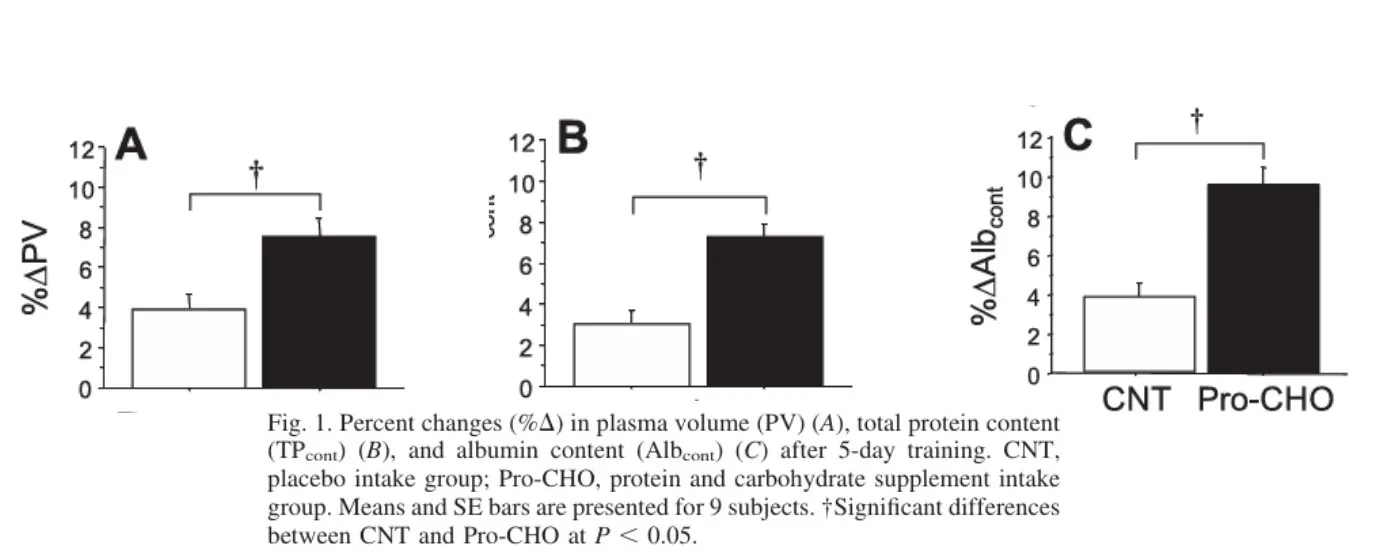
For example, in this study.
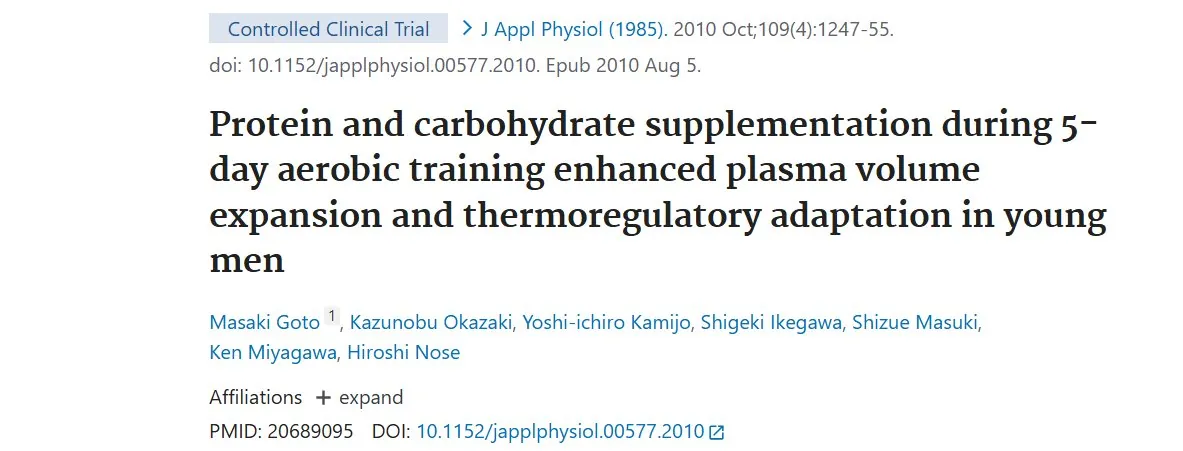
Giving man a carb + protein drink, increased their blood volume and albumin levels.
Other studies showing the effects of carbs on blood volume:
PMID: 34537876, 1761715.
Hormones that control blood volume:
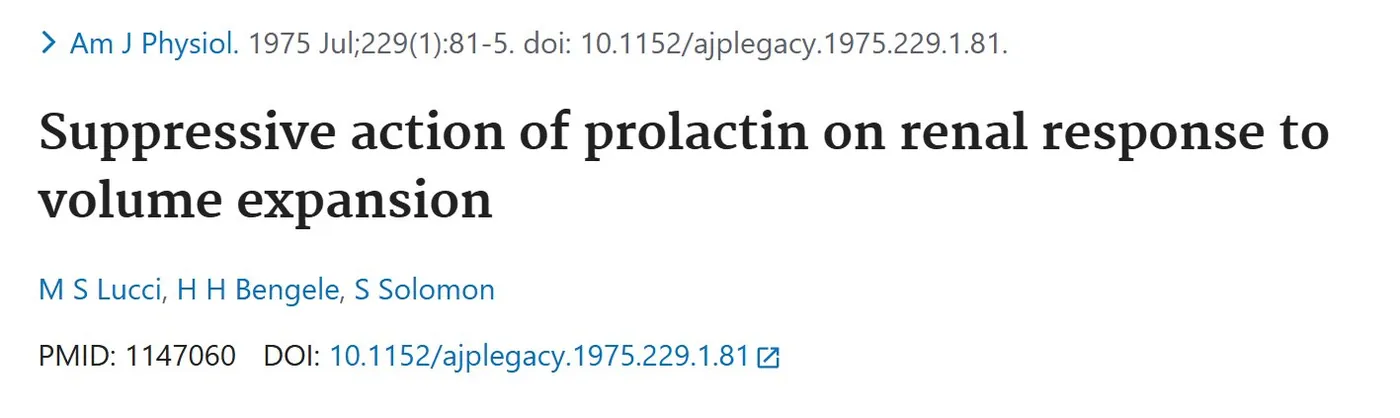
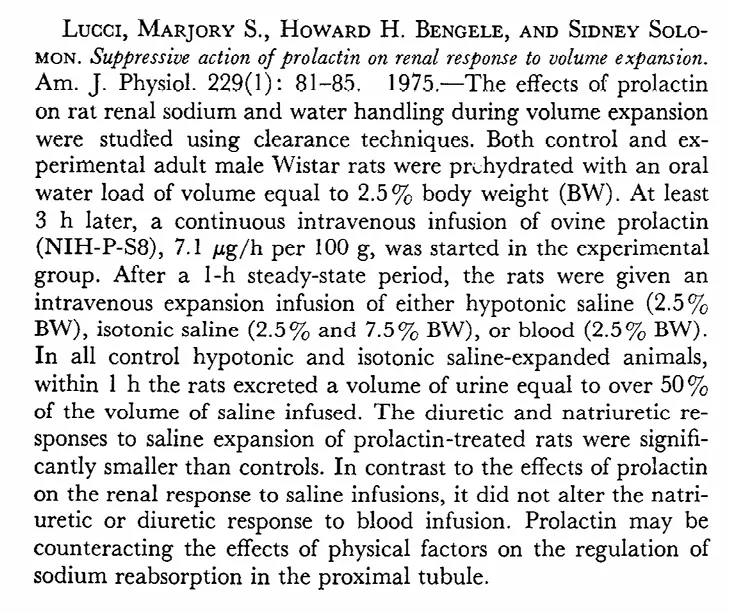
Prolactin: Decreases blood volume.
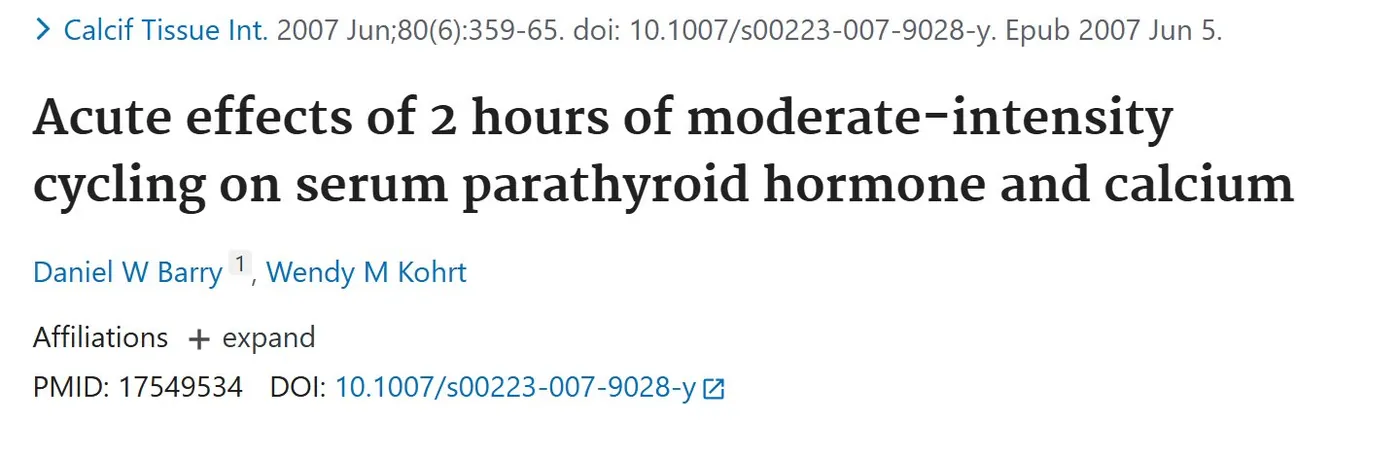
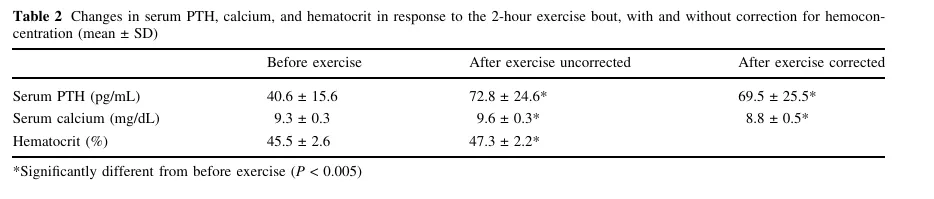
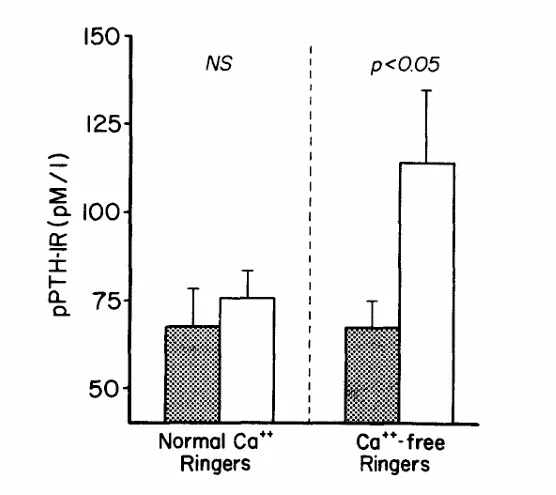
Parathyroid hormone: Decreases blood volume
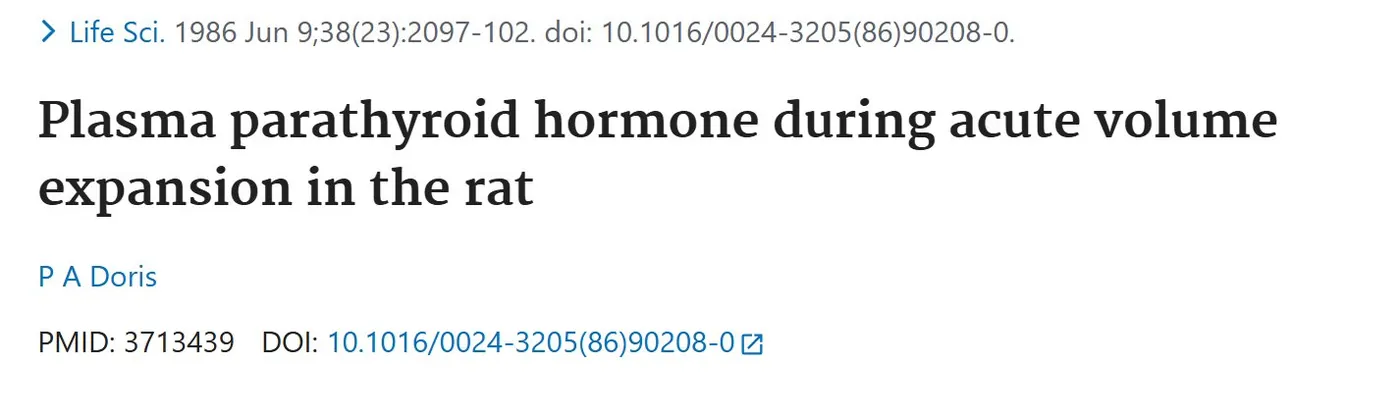
PMID:899932
This study shows how calcium in the blood keeps PTH hormone low, while increasing blood volume without adequate calcium, PTH rise drasticall
Thyroid function
Energy production governed by this gland is a crucial factor in maintaining high blood volume, T4 and T3 directly enables the kidneys to efficiently retain sodium within the bloodstream, Most hypothyroid people have low blood volume.
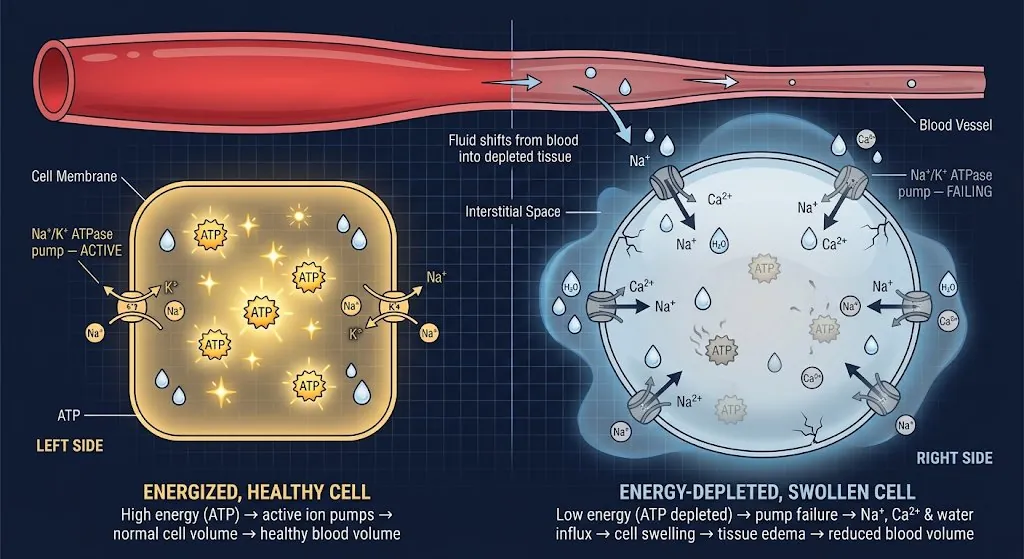
There's always a fine balance between the water in the bloodstream and the water inside our cells, energized cells contain enough energy and less water then energy depleted cells.
Energy depleted cells uptake too much water,sodium and calcium leading to tissue edema while depleting blood volume.
Albumin Production
Albumin is the primary circulatory protein responsible for maintaining intravascular oncotic pressure, a force that is absolutely essential for healthy fluid balance. Synthesized exclusively by the liver, this vital protein acts much like a molecular sponge, actively drawing water into the blood vessels and actively preventing it from leaking out into surrounding tissues. The continuous and robust production of albumin is highly demanding metabolically. To synthesize it effectively, the liver requires not only a sufficient dietary intake of high-quality amino acids but also adequate dietary sugars to keep its glycogen stores fully replenished. These hepatic glycogen reserves provide the necessary cellular energy required to fuel continuous protein synthesis. When dietary carbohydrates and proteins are optimally consumed, the liver can produce abundant albumin, thereby sustaining a strong oncotic pull. This mechanism is critical for keeping water inside the vascular system, maintaining a high blood volume, and preventing tissue swelling.
High blood volume = Higher blood pressure?
No.
We can't discuss BP in the context of blood volume without talking about the Renin-Aldosterone-Angiotensin hormonal cascade.
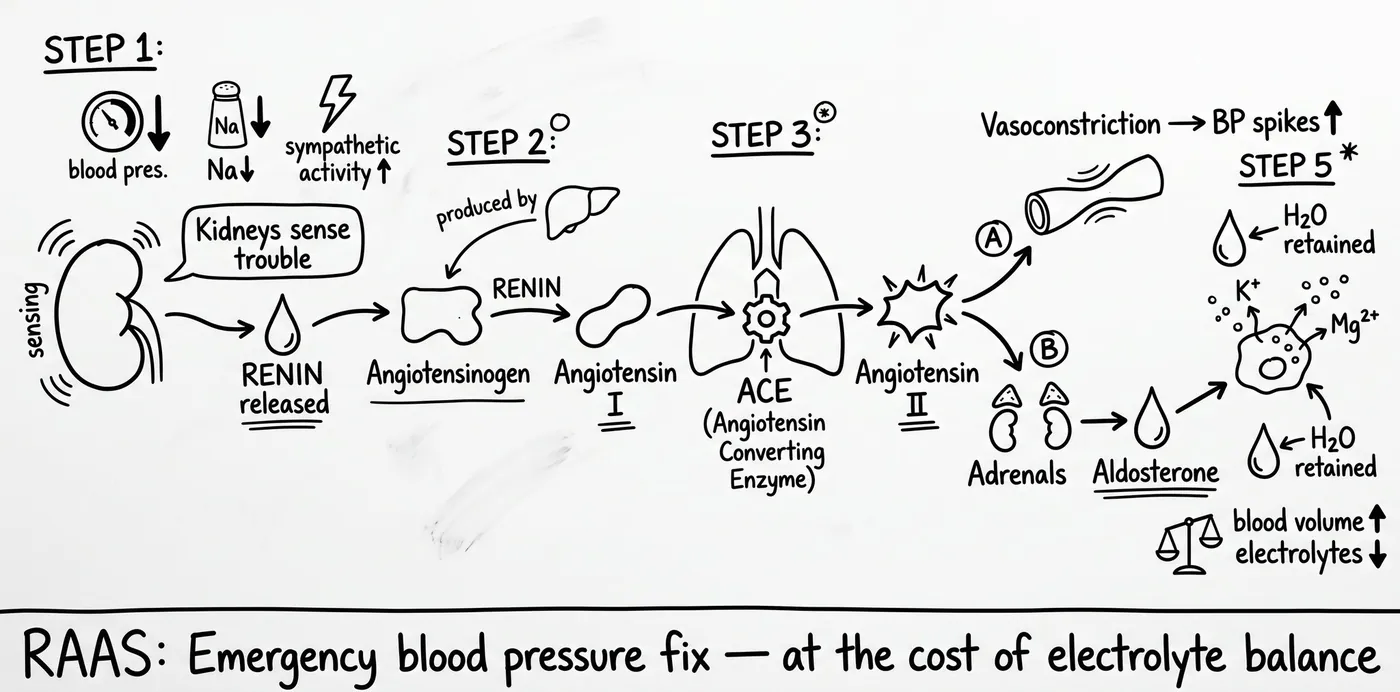
Renin: An enzyme that our kidneys release when they sense a drop in blood pressure,decrease in sodium or increased sympathetic activity.
Renin turns angiotensinogen into Angiotensin 1.
Inside the lungs the enzyme ACE(angiotensin converting enzyme) turns Angiotensin 1 into Angiotensin 2.
Angiotensin 2 is a powerful vasoconstrictor, directly narrows blood vessels and spikes blood pressure.
Angiotensin 2 triggers the adrenals to release aldosterone, a stress hormone that causes the loss of magnesium and potassium from our cells.
Aldosterone goal is to preserve water and blood volume in emergency, at the cost of our electrolyte balance.
Angiotensin 2 triggers the pituitary release of ADH(vasopressin), which supports fluid retention, increases BP and promotes thirst.
Ironically, people with high BP have low blood volume, and healthy people with high blood volume have lower BP.
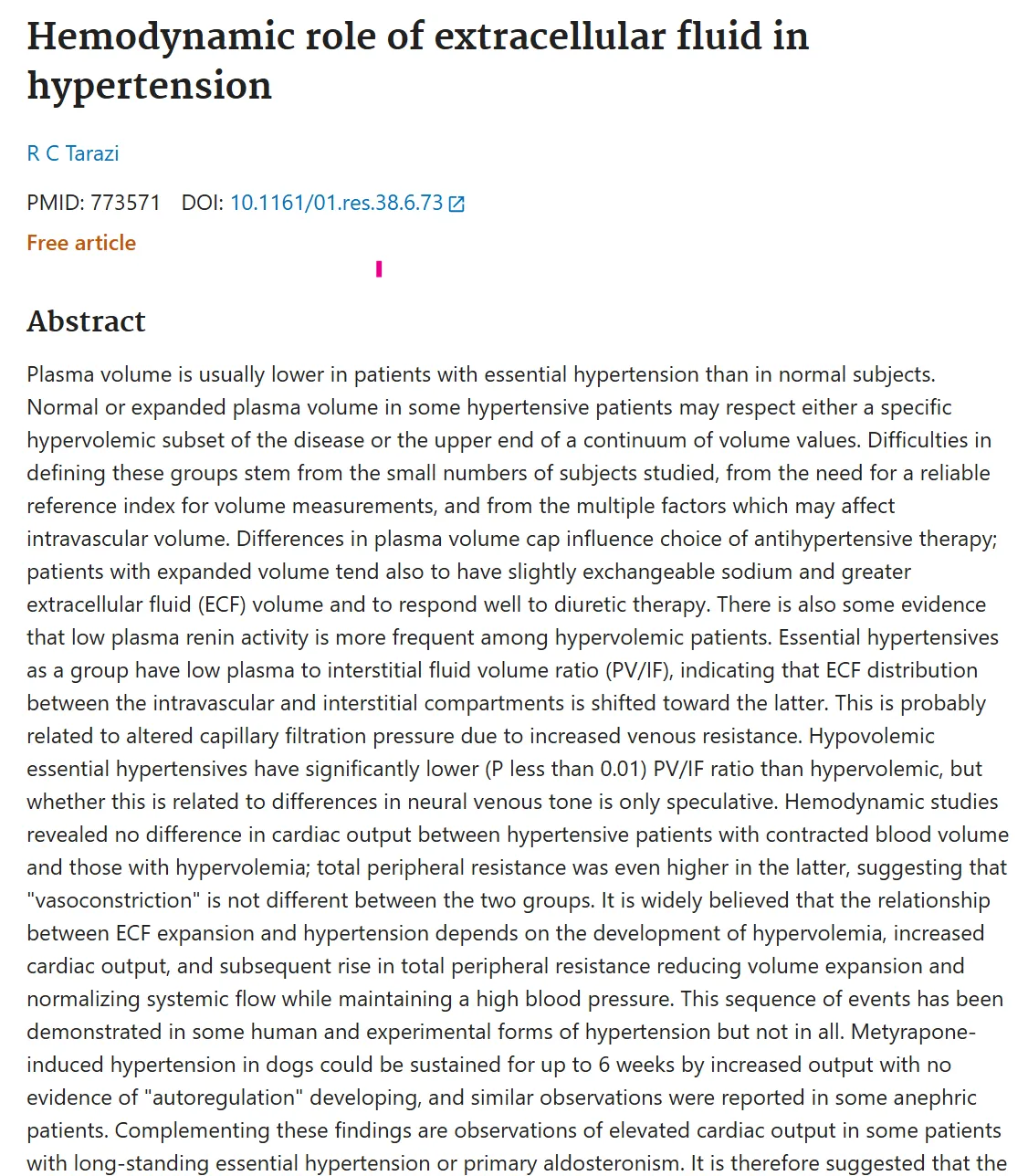
This fact can be explained only when vasodilation/constriction is taken into account.
How to support Vasodilation?
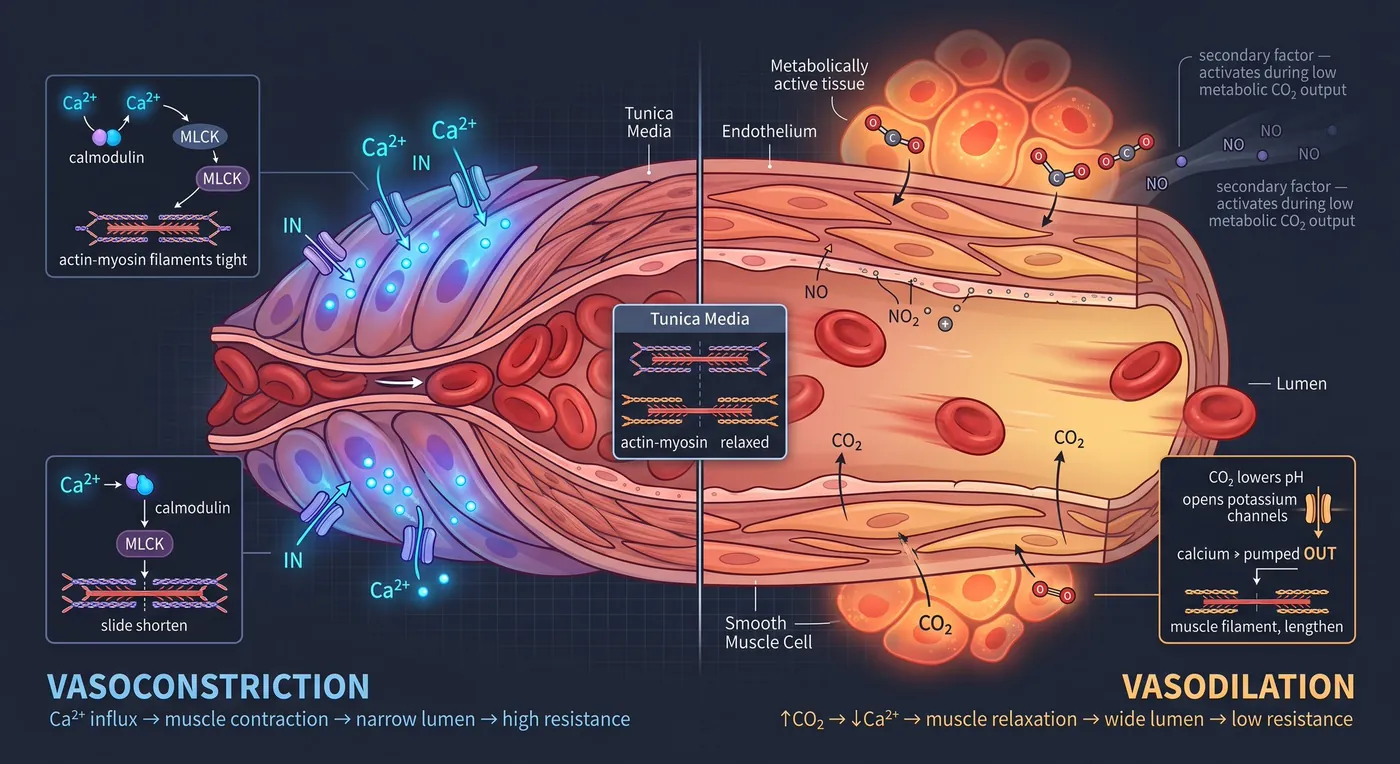
Blood vessels are surrounded by a layer of smooth muscle called the Tunica Media. This muscle can contract or relax, thereby changing the diameter of the blood vessel.
Vasodilation = muscles are relaxed.
Vasoconstriction = muscles are contracted.
The main vasodilation factor in our body is carbon dioxide:
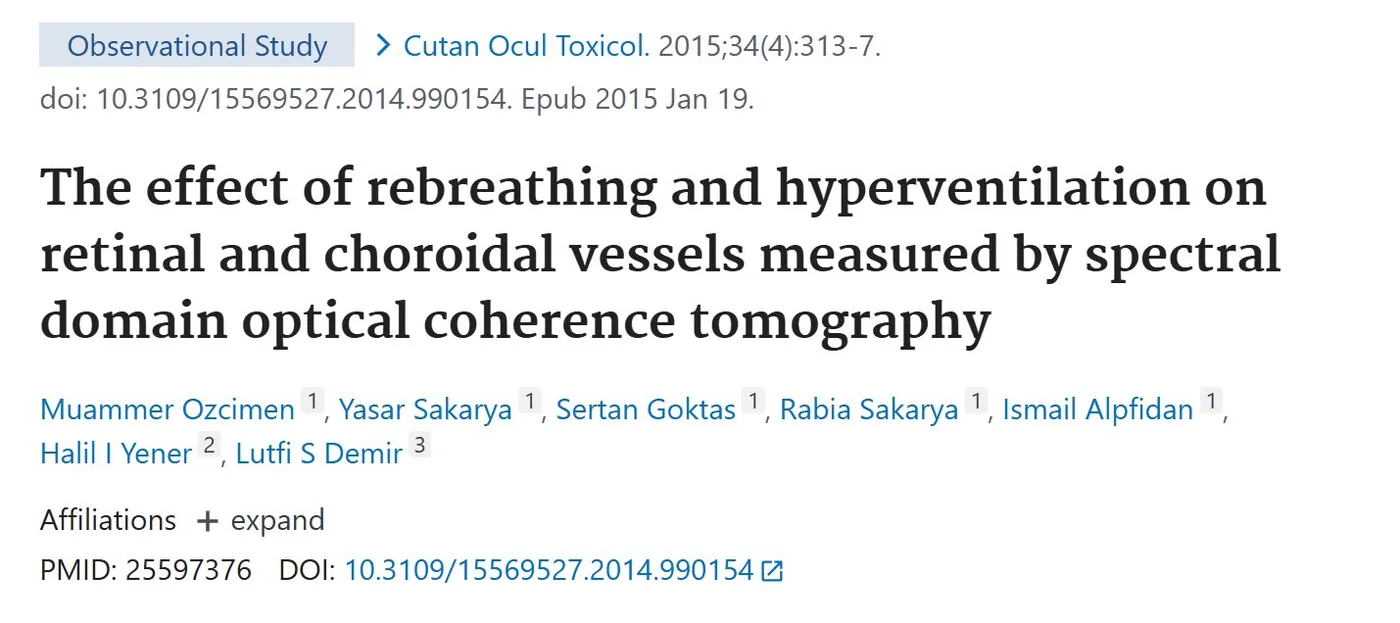
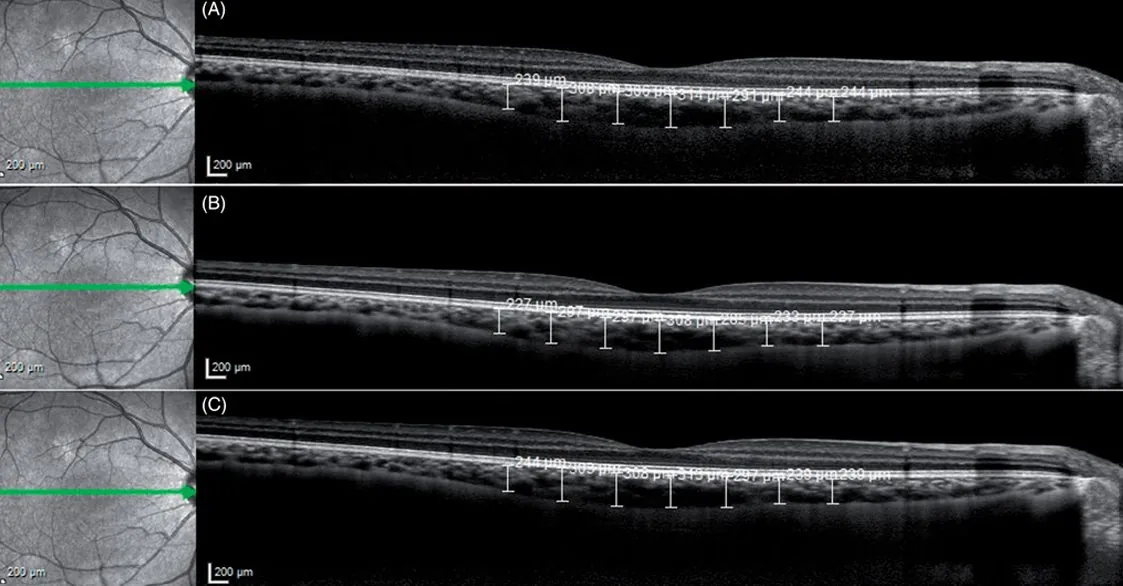
In this study people either hyperventilated to lower carbon dioxide or did bag breathing to increase carbon dioxide.
Hyperventilating caused vasoconstriction.
Bag breathing caused vasodilation.
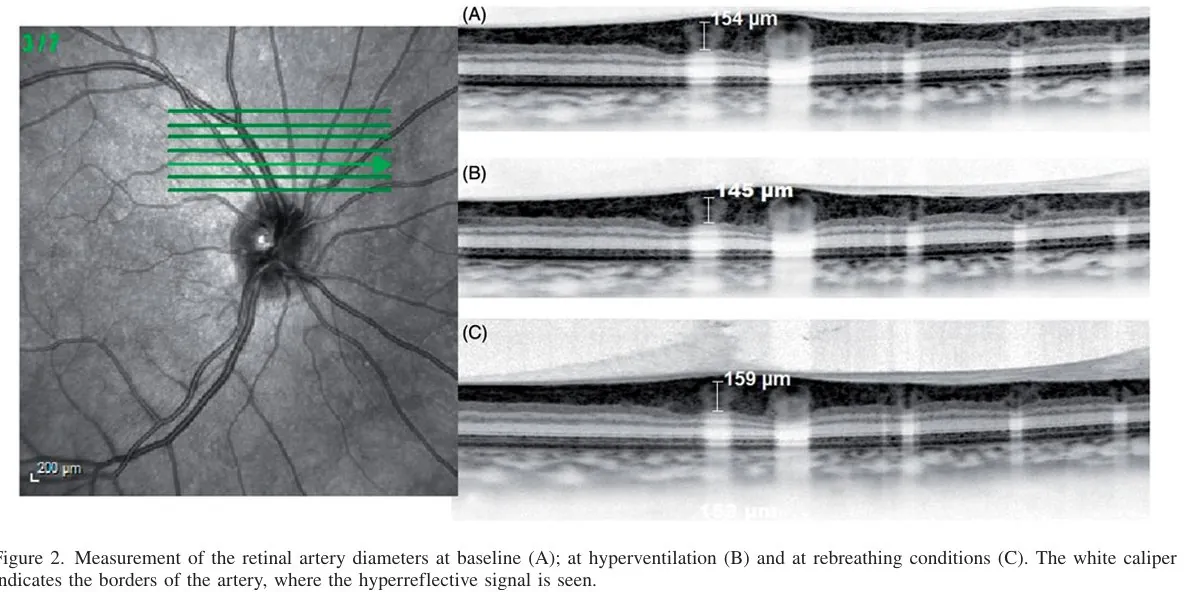
Nitric oxide is another vasodilation factor, but it's important to understand that he is the secondary factor, that kicks in when carbon dioxide production is low, this indicates low metabolic rate.
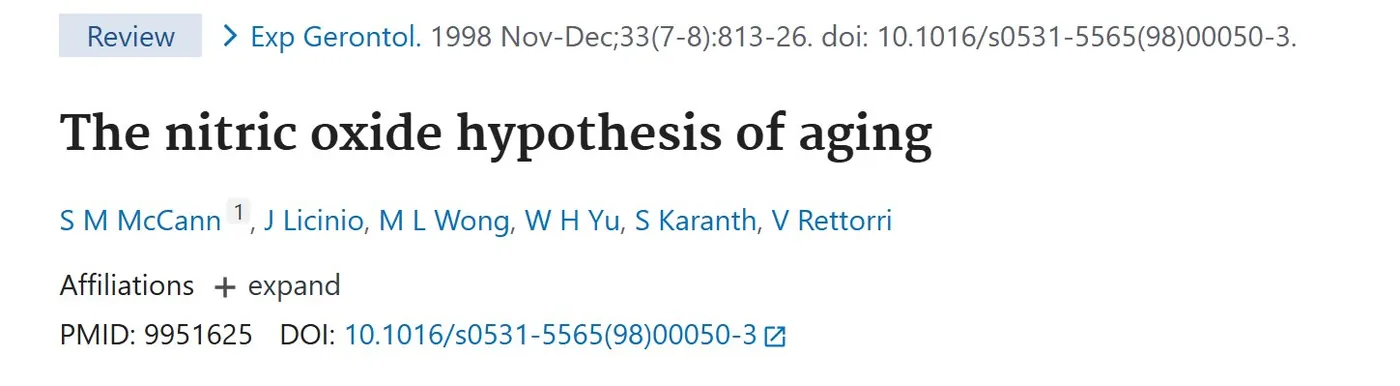
This study by McCann discusses the pathogenic effects of nitric oxide to our metabolism and its involvement in inflammation and disease.
Another crucial factor in Vasodilation is Heat and Cold.
Warms increase vasodilation.
Cold cause vasoconstriction.
This is why increasing metabolic rate is very crucial for blood flow.
Another cool substance that improves vasodilation is Tadalafil.
A messanger molecule called cGMP (cyclic guanosine monophosphate) is responsible for telling the smooth muscles in the walls of your blood vessels to relax, Our body produces an enzyme called PDE5 (phosphodiesterase type 5), which breaks down cGMPcausing the blood vessels constrict, and blood flow decreases.
Tadalafil works by blocking the PDE5 enzyme.
Interesting research shows it can prevent cardiovascular diseases and increase testosterone/estrogen ratio.
Using it from time to time in a low dose is a great tool.
The last factor we'll discuss is
Liquid Blood vs. Viscous blood
Healthy fluid blood flows easily through blood vessels, without resistant and delivers oxygen and other nutrients.
Viscous blood flows slowly with greater resistant, forcing the heart to work much harder to push it, having much harder time to deliver oxygen and nutrients.
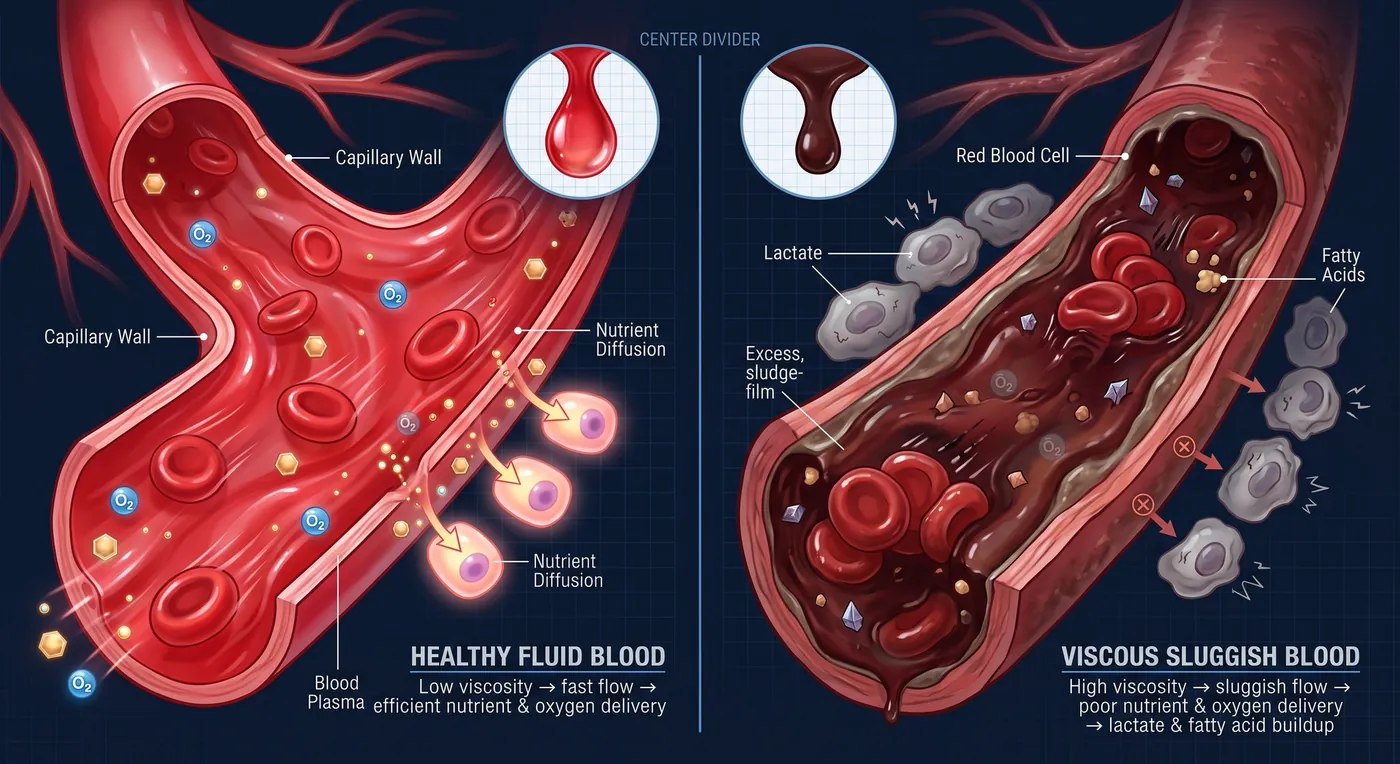
What makes our blood viscous?
Lactate: The main cause of sluggish blood, it is the product of failed glucose oxidation, when it rises inside the cells they pump it out into the blood.
Baking soda and B1 can help a lot lowering it.
High plasma lipids: When fat oxidation is high, especially PUFA, our body sends fats into our blood, there they can promote inflammation and make our blood very viscous.
Aspirin and B3 are great to lower them.
Best supplements for higher blood volume, vasodilation and thinner blood
Aspirin: Aspirin irreversibly blocks the enzyme cyclooxygenase-1 (COX-1) inside platelets, preventing them from producing thromboxane A2, a compound that normally triggers platelet aggregation (clumping) and vasoconstriction. By suppressing thromboxane A2 production for the platelet's entire 7-10 day lifespan, aspirin makes platelets less "sticky" and less likely to clump together and form clots. This is why low-dose aspirin is used to reduce stroke and heart attack risk.
Vitamin E:As a fat-soluble antioxidant, it protects red blood cell membranes and LDL cholesterol from oxidative damage, which helps maintain healthy endothelial function (the lining of blood vessels) and supports normal, unobstructed blood flow. Vitamin E has also been shown to inhibit protein kinase C, an enzyme involved in platelet aggregation, giving it a mild anti-clotting effect
This is the one I use.
Baking soda: Lowers lactic acid levels and increases carbon dioxide production.
Taurine: This amino acid works synergistically with magnesium to stabilize cell membranes and regulate intracellular calcium. It has been shown to reduce platelet hyper-aggregation and lower overall blood viscosity, while supporting the endothelium.
Serotonin Antagonists (e.g., Cyproheptadine): Blood platelets store massive amounts of serotonin (5-HT). When irritated or activated, they release this serotonin, which acts as a powerful trigger for both massive platelet aggregation and extreme vasoconstriction. Antagonizing serotonin receptors blocks this localized pro-clotting and restrictive cascade.
Magnesium: Acts as a natural calcium channel antagonist. Platelets require a rapid influx of calcium to change shape, activate, and clump together. By modulating these calcium channels, magnesium keeps platelets inactive and less "sticky," while simultaneously relaxing vascular smooth muscle to keep vessels wide open(Calcium forces smooth muscle to contract).
All 4 macrominerals!
YOU HAVE TO CONSUME A LOT OF THOSE FOR IDEAL BLOOD PROFILE.